
Water Hammer: The Banging Pipes That Are Also a Warning
You hear it after the washing machine shuts off, or right when the dishwasher valve closes. A knock, a thud, sometimes a series of rattles that travel through the wall like something is loose back there. You've probably already searched for it, wondered if it's serious, maybe hoped it would just stop on its own. It's unsettling in a specific way: the sound is clearly coming from inside the structure of your home, somewhere you can't see, and no one around you seems to know exactly what it means either.
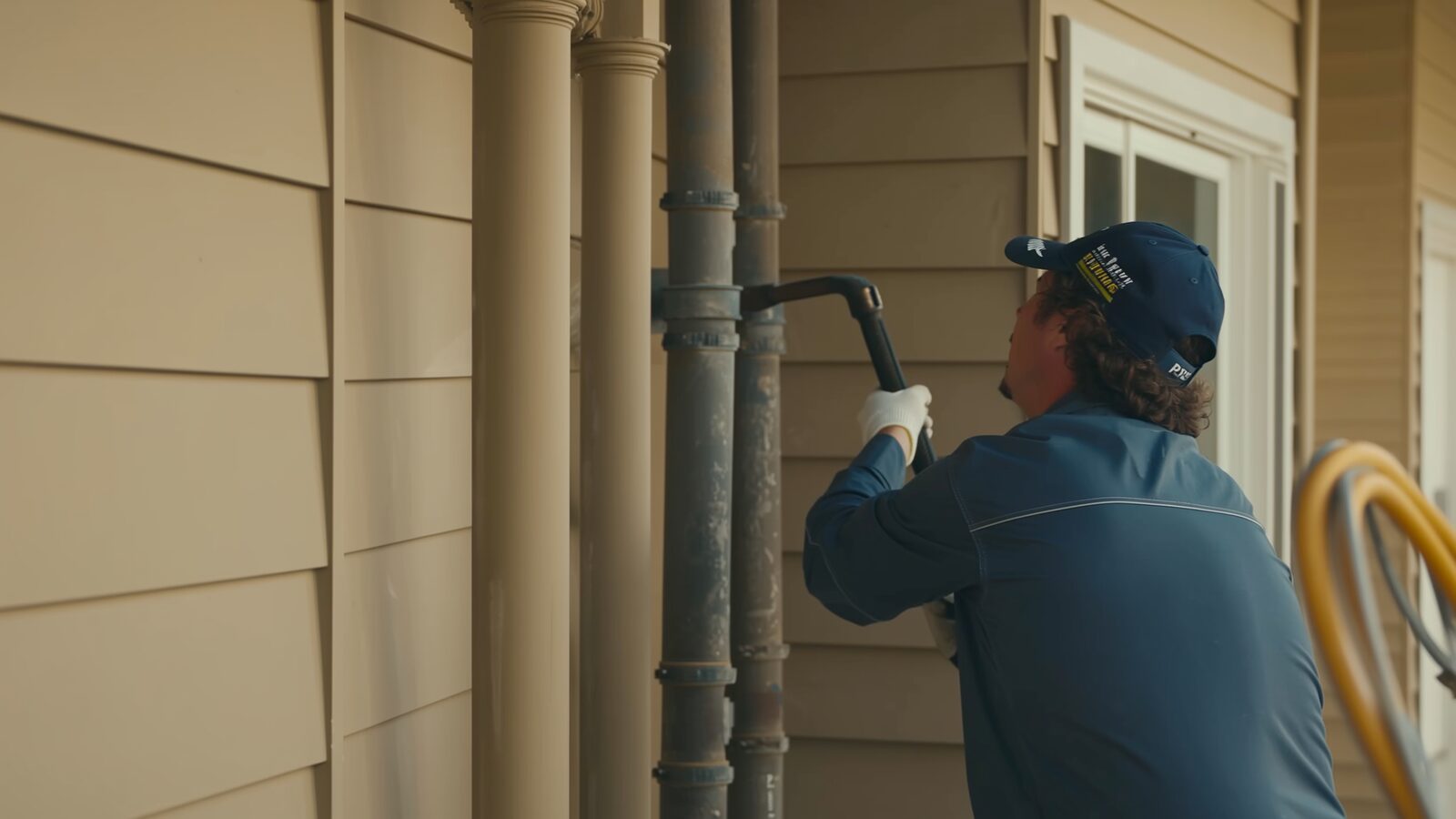
Water Hammer: The Banging Pipes That Are Also a Warning
What's actually happening in the pipe
Water hammer happens when water moving through a pipe is stopped suddenly, usually by a valve closing fast (a washing machine solenoid, a dishwasher, an ice maker line, or a faucet with a quick-close cartridge). Moving water has momentum. When that momentum has nowhere to go, it slams into the closed valve and sends a shockwave back through the pipe. That's the bang you hear. It's not imaginary and it's not just noise, it's a small but real pressure spike happening somewhere in your walls or under your slab, every time it occurs.
Why it's worse in some homes than others
Homes with high static water pressure, long straight pipe runs, or pipes that aren't properly strapped and cushioned tend to have louder, more frequent water hammer. Air chambers or arrestors that were installed near appliances can also fail over time. When they fill with water instead of holding a cushion of air, the shock has nowhere to absorb and the bang gets sharper. Older galvanized pipe systems and homes that have had partial repiping (mixing old and new materials) are also more prone to it, because the differences in material flexibility change how the shockwave travels.
The part that's easy to miss: repeated stress on joints and fittings
A single bang isn't going to cause a leak. But water hammer that happens daily, sometimes multiple times a day with appliance cycles, is repeated mechanical stress on soldered joints, slip fittings, and pipe supports. Over months or years, that stress can loosen connections, especially at elbows and behind walls where a fitting isn't fully supported. This is why water hammer is worth paying attention to even when nothing looks wrong yet: it's cumulative, not immediate, and the damage it eventually causes often shows up somewhere other than where the noise is coming from.
When the sound is telling you something has already changed
If banging pipes are new, or have gotten noticeably louder or more frequent, something in the system has changed: a water pressure regulator failing, an arrestor that's waterlogged, a fitting that's come loose enough to shift slightly under pressure. If you notice the noise alongside any dampness, a musty smell, discoloration on a ceiling or wall, or a water bill that's crept up without explanation, that combination is worth taking seriously. Those are signs the stress may have already turned into an active leak somewhere in the line.
Questions people ask us
Is water hammer dangerous or just annoying?
On its own, an occasional bang is usually just a pressure and momentum issue, not immediate danger. The concern is cumulative: repeated shockwaves over time stress joints, fittings, and supports, which can eventually lead to a leak, especially in older piping or homes with high water pressure.
Can water hammer cause a pipe to burst?
It's uncommon for water hammer alone to burst a pipe outright, but repeated stress can weaken a joint or fitting until it fails under normal pressure. The failure often shows up gradually, as a slow leak, rather than a sudden burst.
Why did my pipes suddenly start banging when they never did before?
A new onset usually means something in the system changed: a water arrestor that's become waterlogged, a pressure regulator that's failing, a fitting that's loosened, or a new appliance with a faster-closing valve. It's worth having the change looked at rather than assuming it will resolve itself.
Does water hammer mean I already have hidden water damage?
Not necessarily. Water hammer by itself is a mechanical and pressure issue. But if it's paired with dampness, discoloration, a musty smell, or an unexplained rise in your water bill, that combination suggests the stress may have already led to a leak somewhere in the line.
The standard our team works to
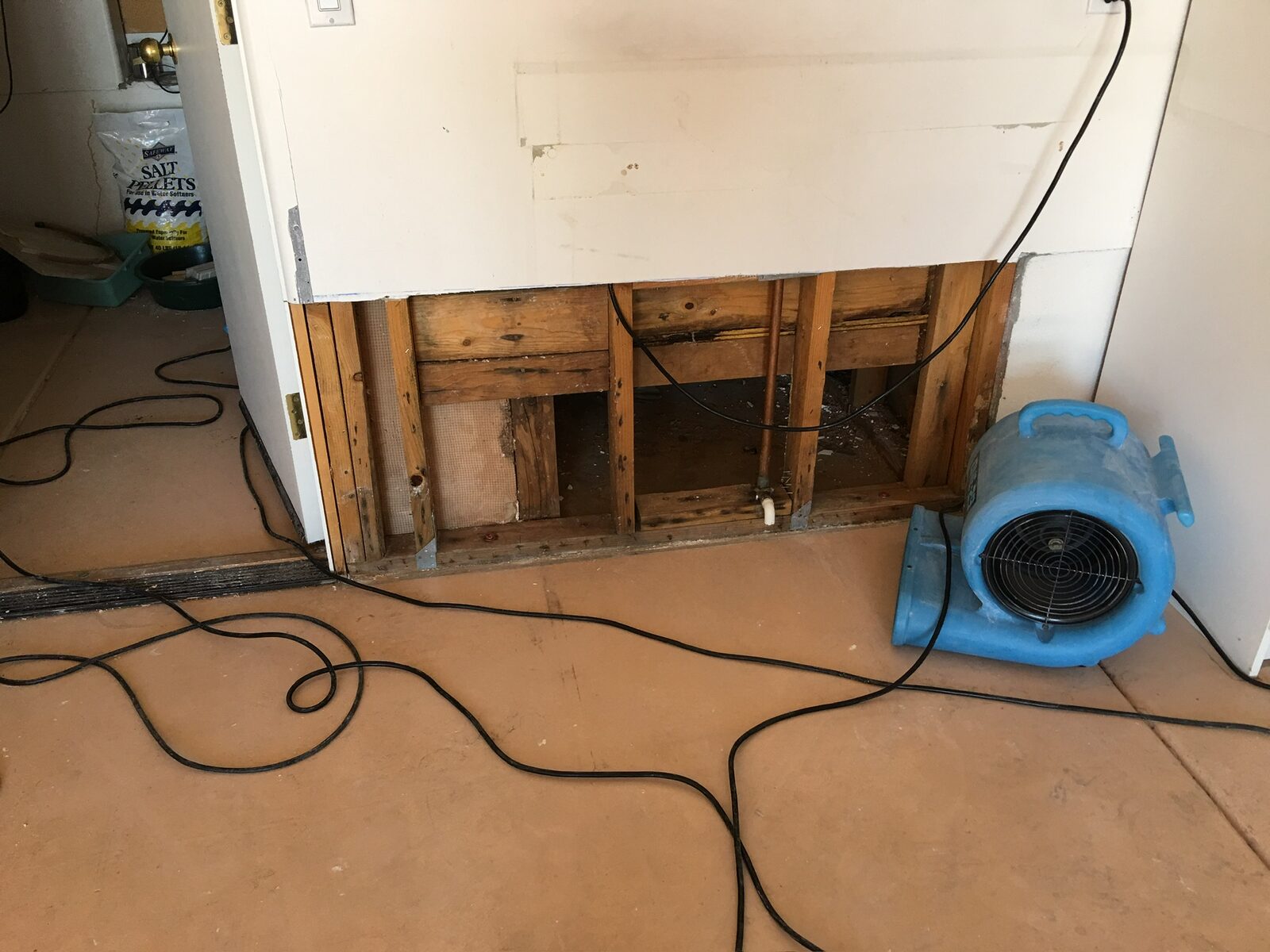
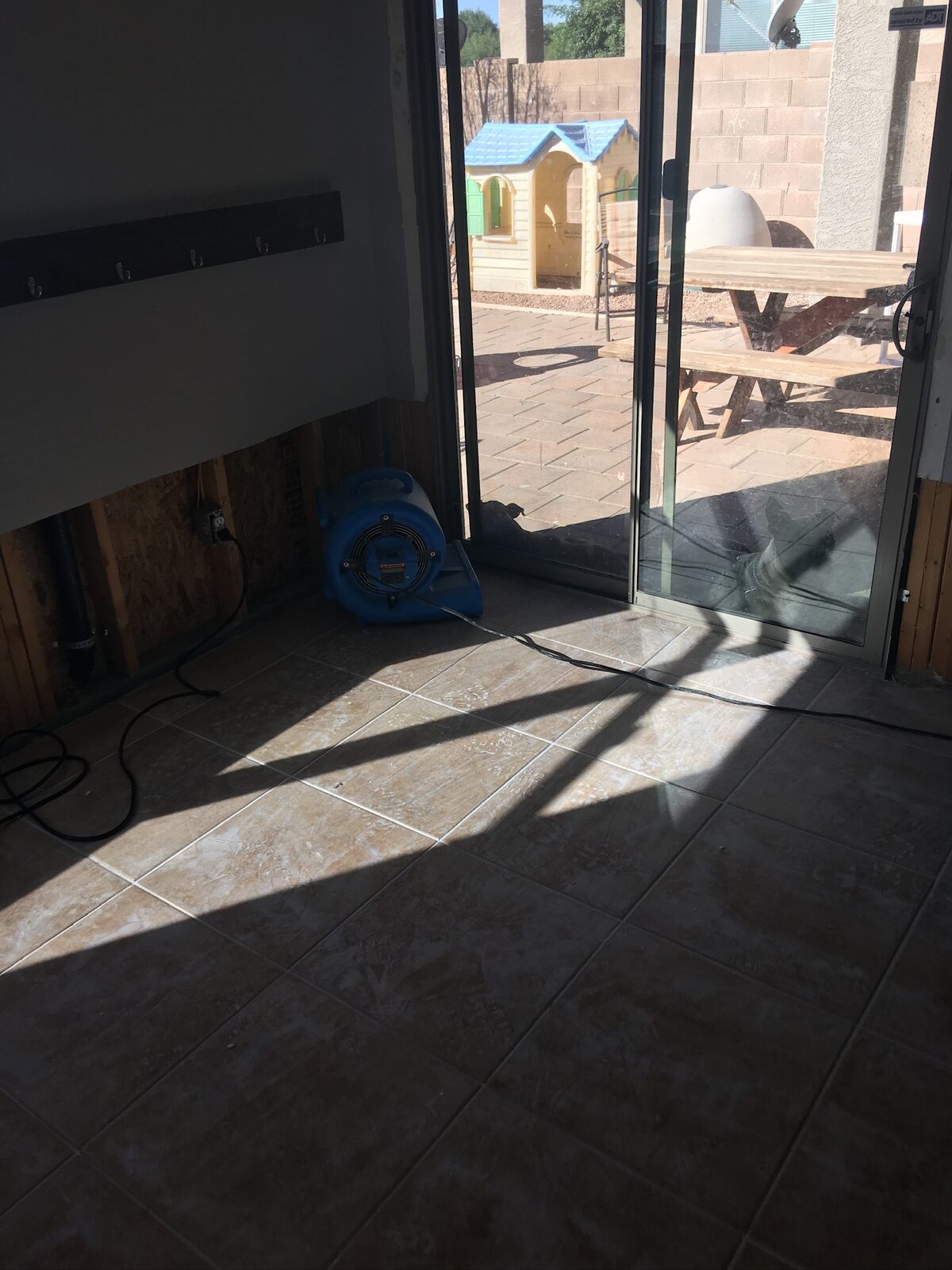
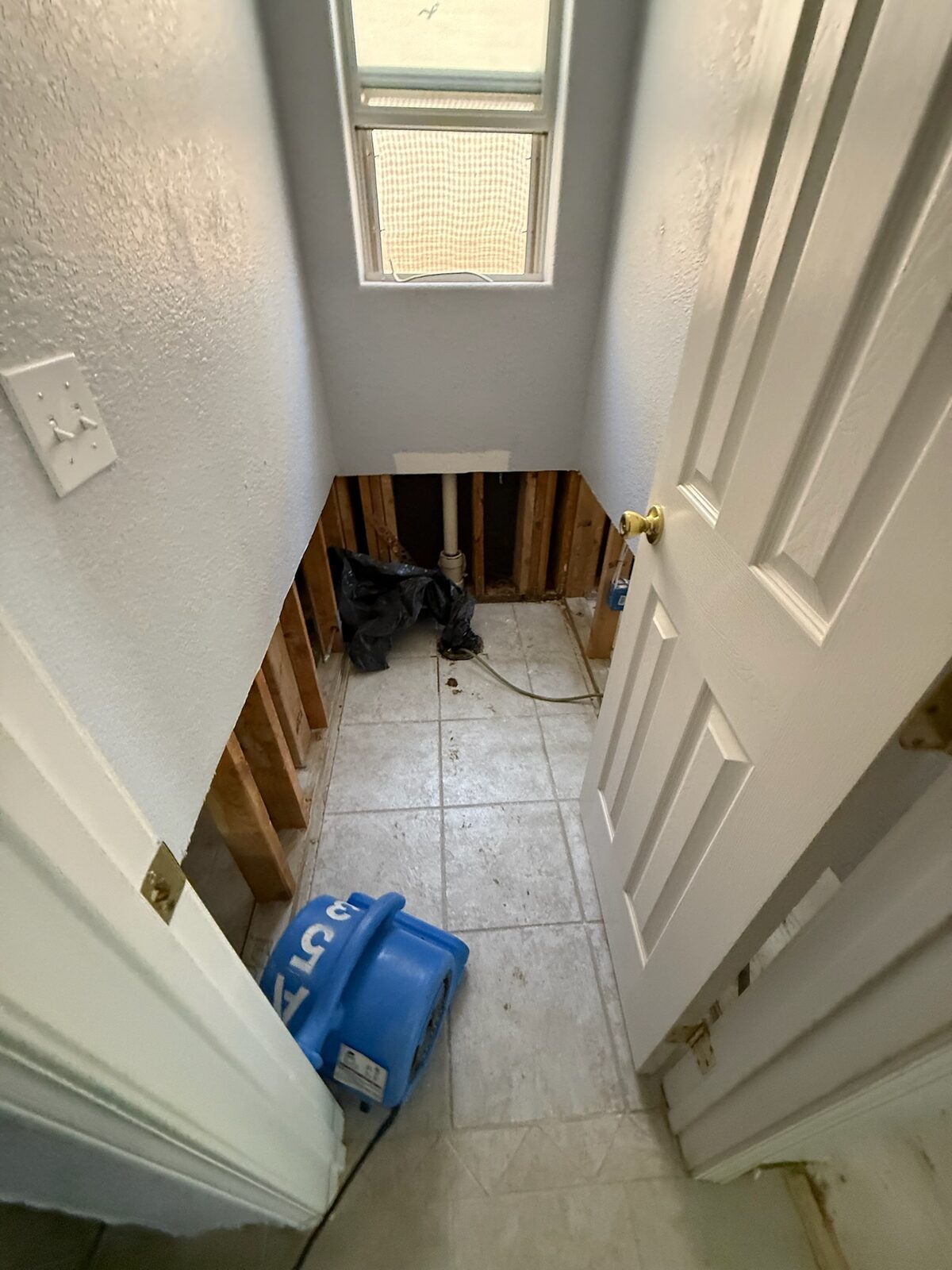
Residential reconstruction work by members of our team. See the full gallery →
More from Gold Water Fire
Abrasive Cleaning Methods for Soot on Framing and Masonry
A look at how abrasive cleaning methods remove soot from wood framing and masonry after a fire, and when each method fits the material.
AC Condensate Line Clogs & the Water Damage They Cause in Phoenix Homes
Why Phoenix AC condensate lines clog every summer, what the water damage looks like, and how to find the source before the ceiling stain spreads again.
Actual Cash Value vs Replacement Cost: Why Your Check Might Not Match the Repair Bill
Confused why your insurance check seems short after fire or water damage? Learn the difference between actual cash value and replacement cost coverage.
Noticed more than just the noise?
If banging pipes have come with dampness, staining, or a smell you can't place, it's worth having the situation looked at directly. Gold Water Fire serves the Phoenix metro area and can help you understand what's happening behind the wall. Reach us at (480) 999-3339 or Help@goldwaterfire.com, or visit our <a href="/contact.html">contact page</a> to reach the team.
Call (480) 999-3339Water Damage Restoration · About Gold Water Fire · Contact Us