
Fire Damage Restoration in Glendale, AZ
The fire is out, and now the house is quiet in a way it has never been. You have walked through it once, maybe twice, and every time you notice something else: the gray film on the kitchen cabinets, the smell that follows you out to the driveway and stays in your shirt, the ceiling in the hallway that looks fine until you look up at it straight. Somebody handed you a card, somebody told you to call your insurance, and you have been trying to hold all of it in your head while also figuring out where everyone sleeps tonight. That is a lot for one person to carry, and it is normal that it feels unmanageable right now.
Fire Damage Restoration in Glendale, AZ
What fire damage looks like in Glendale houses specifically
Glendale is not one housing stock, it is several, and the way a fire behaves depends heavily on which part of town you are in. The older blocks near downtown and Catlin Court include homes built well before modern residential codes, with lath and plaster walls, wood shake or older composition roofing on some, and additions built at different times by different hands. Plaster holds smoke odor differently than drywall does, and cavities in older framing let smoke travel to rooms that never saw flame. Post-war and mid-century tract areas around Ocotillo and along 51st and 59th Avenues often have flat or low-slope roofs and original galvanized or cast iron drain lines, which matters because fire suppression water has to go somewhere. The large 1990s and 2000s subdivisions in the Arrowhead and north Glendale areas are typically stucco over wood frame with truss-built attics, open-web trusses, and shared attic runs above multiple rooms. In those homes an attic fire or a fire that reaches the attic can compromise engineered truss members that look intact from below, and smoke tends to fill the entire attic volume rather than staying above one room. None of this is visible from a walkthrough with a flashlight, which is why the assessment matters more than the first impression.
Why the smell comes back, and what actually removes it
Most homeowners scrub, paint, and think it is done, then the smell returns the first hot afternoon. That is not imagination. Smoke residue is made of fine particulate and acidic, oily compounds that settle into porous material: unsealed framing, insulation, carpet pad, HVAC duct interiors, the paper facing on drywall, cabinet interiors, grout. When Glendale summer heat pushes attic temperatures far above the indoor temperature, those compounds volatilize again and the odor comes back through ceiling penetrations, can lights, and return-air gaps. Real deodorization means removing the source, not covering it: taking out saturated insulation and unsalvageable porous materials, HEPA vacuuming and hand-cleaning hard surfaces, cleaning or replacing ductwork, and sealing framing and subfloor with a shellac-based or purpose-made sealer before anything gets closed back up. The acidic residue also matters on a schedule, not just cosmetically. Soot corrodes bare metal, etches glass and chrome fixtures, and discolors aluminum window frames and appliance finishes over days, so early cleaning protects things that would otherwise become replacements on the claim.
The water side of a fire, in an Arizona climate
Fire departments put a lot of water into a structure quickly, and in a Glendale home that water runs down inside wall cavities, into the slab-edge and baseboard line, and under flooring. Low desert humidity helps some surfaces dry fast, which is exactly the trap: the visible floor feels dry while the bottom plate, the insulation, and the underside of a subfloor stay wet. In monsoon season, when outdoor dew points climb through July, August and September, drying gets slower and the risk of microbial growth in those hidden cavities goes up. Wet insulation with soot in it does not dry to clean, it dries to a lasting odor source. So fire work and water work are one job, not two: moisture readings behind walls, controlled demolition of what cannot be dried, monitored drying, and only then cleaning and rebuild. You can read more about how that drying stage works on our water damage restoration page.
Cleanup and rebuild handled by the same people
The part that wears homeowners down is usually not the cleaning, it is the handoff. One company mitigates, then leaves, and you are the one hiring framers, drywall, cabinets, paint, and flooring while the adjuster asks for scopes you do not have. Gold Water Fire does both halves. Jim Bennett and Jake Taylor started the company, and Brandon Gurr, our Construction Manager, runs the reconstruction and rebuild side with Johnny leading the reconstruction crew, so the person who documented what came out is connected to the person who puts it back. Kristine handles the office side and Brooke schedules the water and mitigation work, which means there is a name to call rather than a queue. We are licensed in Arizona (AZ ROC #264344, KB-2) and we work throughout Glendale and the wider metro from Peoria and Surprise across to Avondale and Litchfield Park. If you would rather just describe what happened out loud to someone and hear what the next step is, that is a reasonable thing to want, and it is what the contact page and the phone are for. More about the team is on our about page, and the details of the fire process are on our fire damage restoration page.
Questions people ask us
Can I stay in my Glendale house after a small kitchen fire?
That depends on whether power, water, gas and the HVAC system are safe and whether smoke reached bedrooms and return-air ducts. A fire confined to a stovetop may leave the home habitable after cleaning, while a fire that filled the attic or pushed soot through the air handler usually does not, because you would be breathing residue every time the system cycles. The safest sequence is to let the fire department clear the structure, keep the HVAC off so soot is not redistributed, and have someone assess air paths and structure before you move back in.
Do I need to move my belongings out, or does everything get thrown away?
Far less gets discarded than people expect. Hard, non-porous items (dishes, metal, sealed furniture, most electronics after evaluation) are usually cleanable. Highly porous items that absorbed smoke, like mattresses, carpet pad, upholstered pieces with heavy saturation, and open food packaging, generally do not come back. Contents are typically inventoried, packed out, cleaned off site while the structure is being worked on, and stored until the rebuild is far enough along to return them.
How does the insurance side usually work?
Your insurer assigns an adjuster who scopes the loss and issues an estimate. What helps you most is documentation created before anything is torn out: photographs, moisture readings, and a written record of affected materials room by room. Because we handle both the cleanup and the rebuild, the same scope carries through instead of being rebuilt from scratch by a second contractor. You choose who does the work; the insurance company does not choose for you.
Do you work in all parts of Glendale?
Yes, from the older downtown and Catlin Court blocks to the north Glendale and Arrowhead subdivisions, plus the surrounding metro. Our service area runs roughly northwest to Peoria, southeast to Avondale, southwest to San Tan Valley, northwest to Apache Junction, and out past those points as well.
The standard our team works to
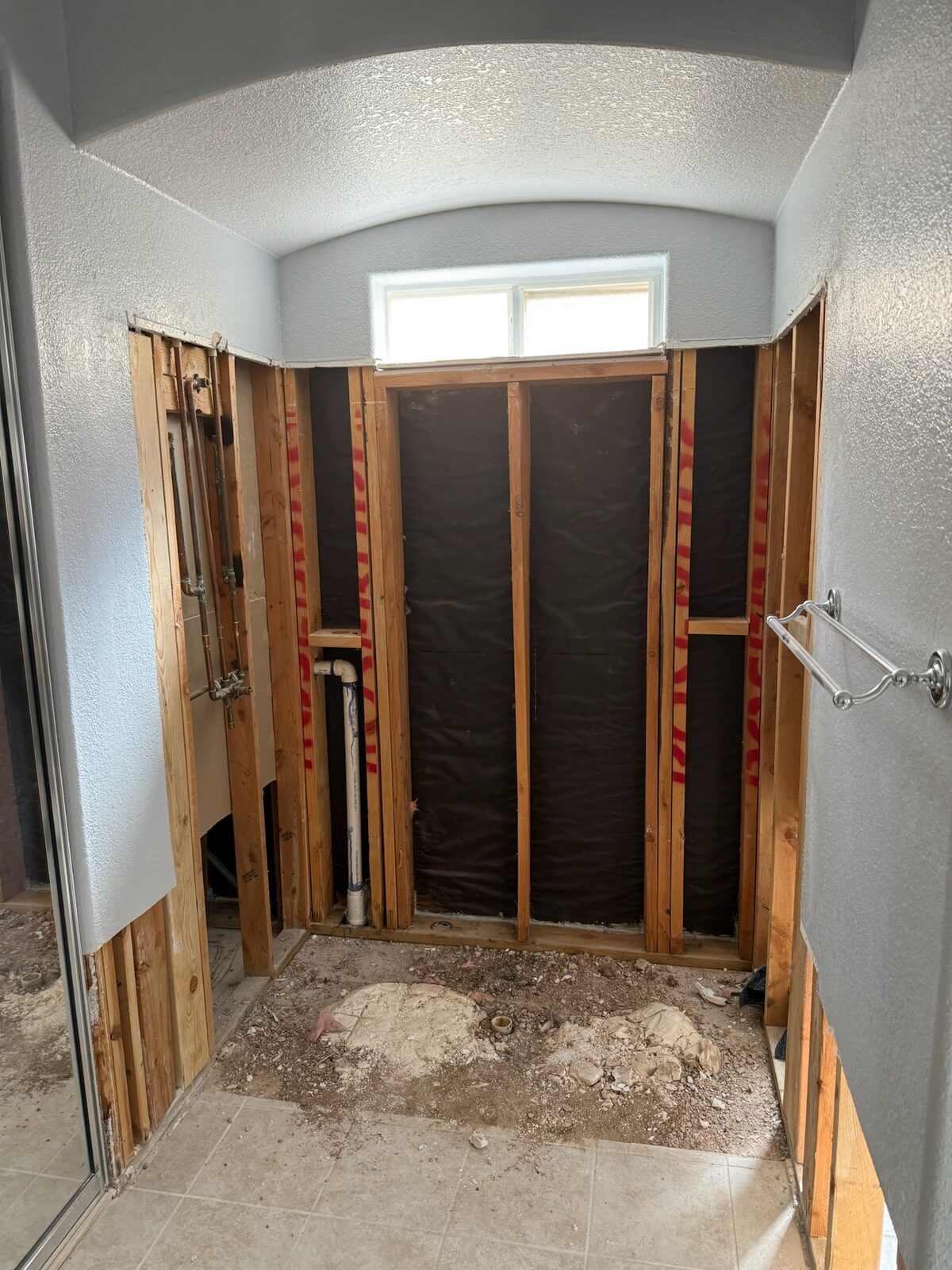
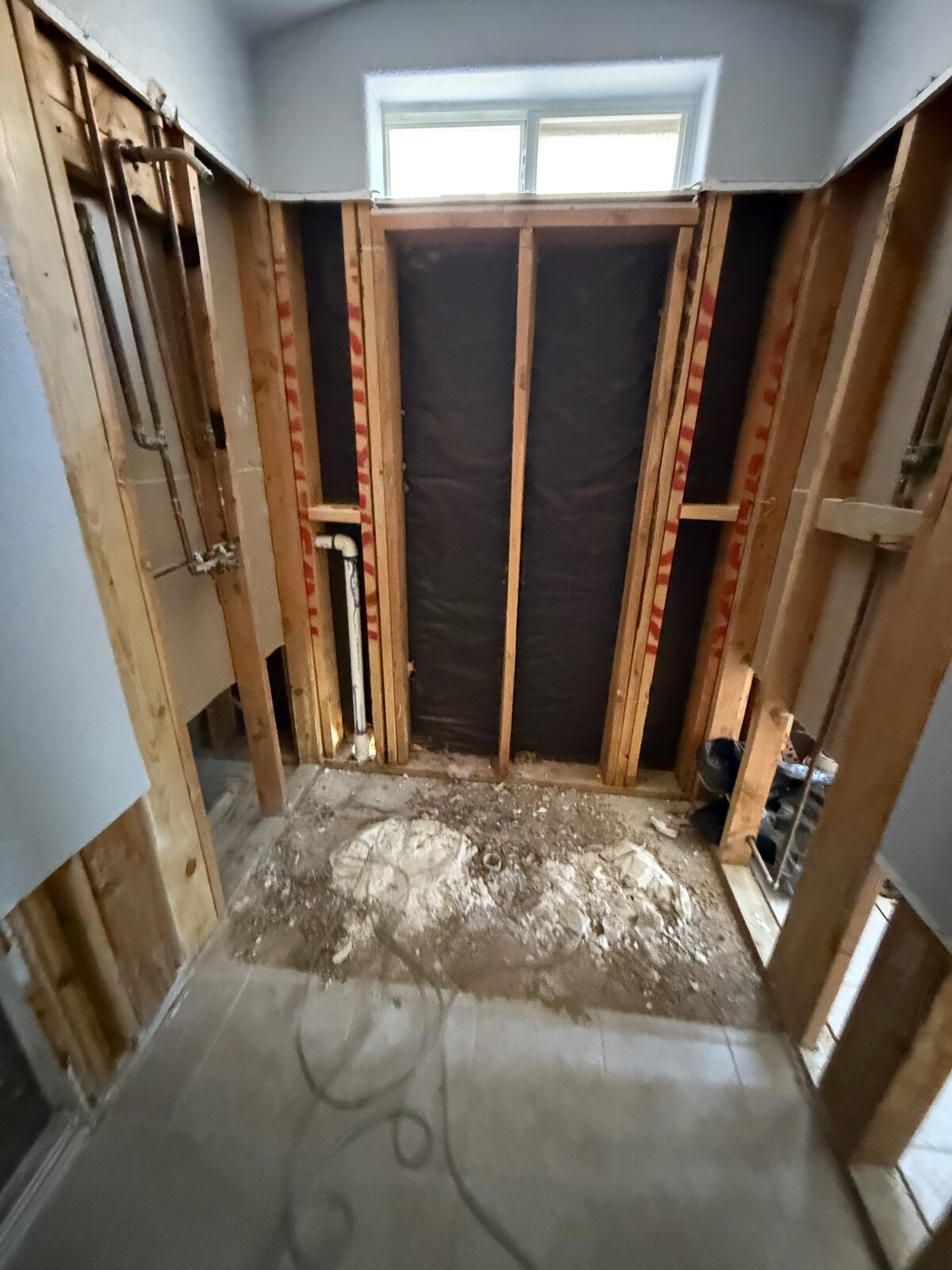
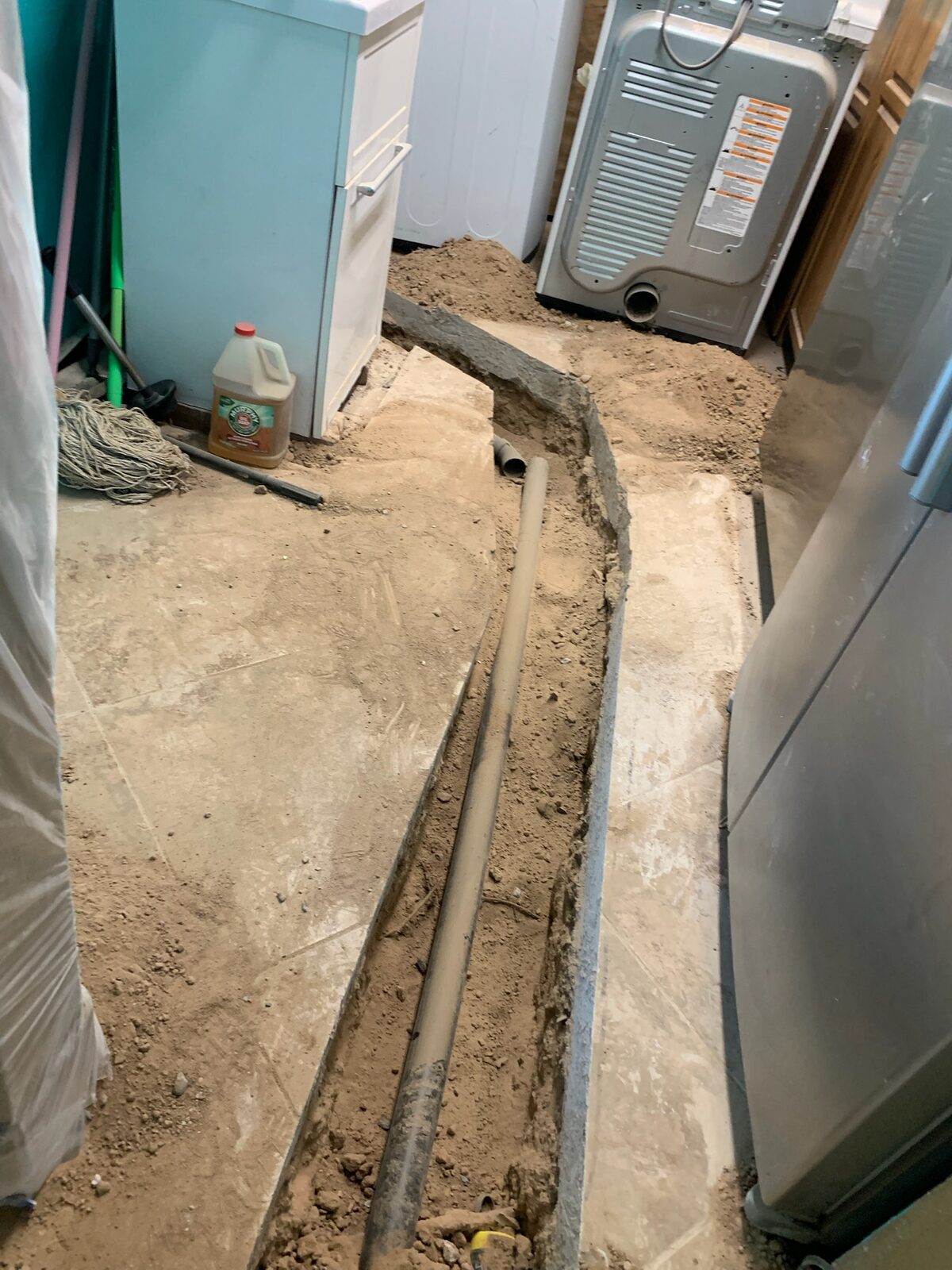
Residential reconstruction work by members of our team. See the full gallery →
More from Gold Water Fire
Fire Damage Restoration in Apache Junction, AZ
Fire and smoke damage restoration for Apache Junction homes, from board-up and soot cleanup through rebuild. Gold Water Fire, AZ ROC #264344. Call (480) 999-3339.
Reconstruction & Rebuild in Apache Junction, AZ
Rebuilding a damaged Apache Junction home after water or fire: framing, drywall, stucco, cabinets and flooring put back by Gold Water Fire. Call (480) 999-3339.
Water Damage Restoration in Apache Junction, AZ
Water damage restoration for Apache Junction homes, from slab leaks and monsoon flooding to failed water heaters. Call Gold Water Fire at (480) 999-3339.
Tell us what happened, and we will tell you what comes next
You do not have to have a plan or a list of questions ready. Call (480) 999-3339 or email Help@goldwaterfire.com, describe the fire and what the house looks like now, and we will walk you through the order things need to happen in. Gold Water Fire, 221 E Willis Rd Ste 8, Chandler, AZ 85286. AZ ROC #264344, KB-2.
Call (480) 999-3339Fire Damage Restoration · Water Damage Restoration · Reconstruction & Rebuild · About Gold Water Fire · Contact Us