
Bidet Attachments and Toilet Supply Connections: A Newly Common Leak Point
You noticed something off in the bathroom, maybe a soft spot near the base of the toilet, a faint smell that comes and goes, or a water bill that crept up without an obvious reason. If you installed a bidet attachment recently, it's easy to assume it couldn't be the cause since it seemed like such a simple add-on. That's exactly what makes this kind of leak so hard to pin down. It doesn't announce itself. It just sits there, slowly working into the subfloor while everything upstairs looks normal.
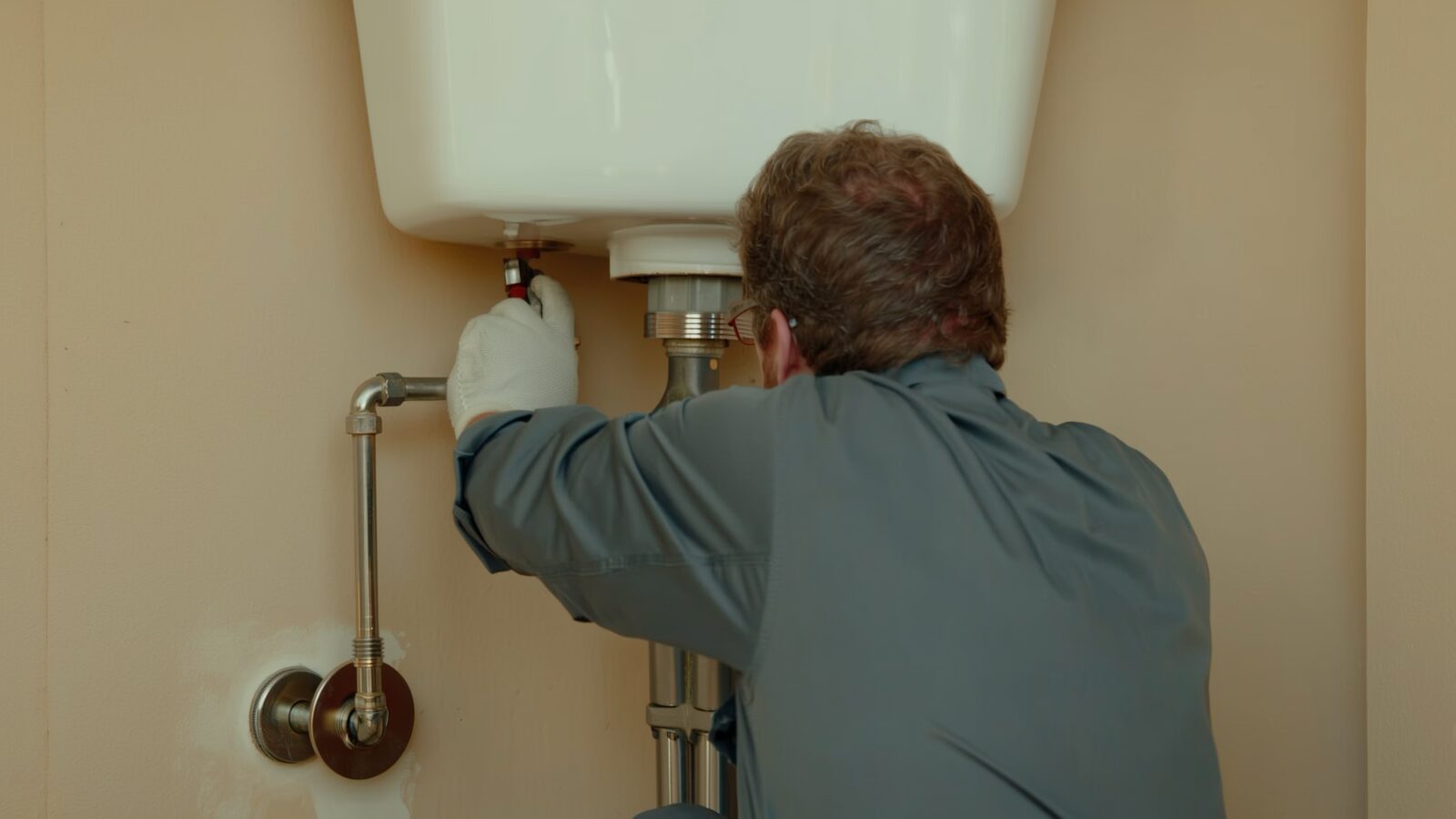
Bidet Attachments and Toilet Supply Connections: A Newly Common Leak Point
Why bidet attachments create a new failure point
Most bidet attachments install by splitting the existing toilet supply line: a T-valve gets added between the shutoff valve and the toilet fill valve, and a second line branches off to the bidet seat or sprayer. That means a connection that used to have one seal now has three: the shutoff to the T-valve, the T-valve to the toilet, and the T-valve to the bidet hose. Each one is a place where a washer can be slightly cross-threaded, a plastic fitting can be over-tightened and crack, or a rubber gasket can age faster than expected under constant pressure. None of this is a defect in the idea of a bidet attachment. It's simply more hardware in a space that was built around a single, simpler connection.
Where to actually look
Start at the wall shutoff valve and work toward the toilet. Feel around the T-valve fitting with a dry paper towel, since a slow weep often shows up as dampness before you'd ever see a drip. Check the braided or plastic supply line running to the bidet unit itself for kinks or stress near the connection points, especially if the hose was routed tightly behind the toilet bowl. Then look at the floor where the toilet meets the tile or flooring: discoloration, a slightly soft feel underfoot, or grout lines that look darker than the surrounding area can all point to water that's been sitting under the toilet base rather than visibly pooling on top of it.
Why this kind of leak stays hidden longer
A supply line leak behind a toilet often drips straight down onto the flooring or into the gap around the toilet flange, where it can travel under the vinyl, tile, or subfloor before it ever reaches an open, visible surface. Bathrooms are also humid by nature, so a small amount of ongoing moisture doesn't always trigger the visual cues you'd notice in a drier room. By the time staining, a musty smell, or soft subfloor becomes obvious, water may have been finding its way into the structure for some time. This is also why fittings added after the original plumbing was installed deserve a periodic look, even if nothing seems wrong.
What to do if you find dampness
Shut off the water at the wall valve before touching any fittings. Dry the area and watch it over the next day: if it stays dry, you likely caught a one-time drip from installation or a loose fitting that can be re-seated or re-taped. If moisture returns, or if you see soft flooring, lifting tile, or a smell that doesn't clear with ventilation, the water has likely reached the subfloor and drying it from the surface alone won't be enough. At that point it's a question of how much material has absorbed water and whether it needs to come up to dry properly, which is worth having assessed rather than guessed at. Our water damage restoration page walks through how that assessment and drying process typically works.
Questions people ask us
Can a bidet attachment really cause enough damage to matter?
Yes, even a slow, small leak can matter if it runs for weeks or months. The volume of water at any given moment is often small, but sustained moisture against subfloor, baseboards, or drywall doesn't need to be dramatic to cause damage over time.
Is it the bidet attachment's fault or the original plumbing?
Usually neither is defective on its own. The added T-valve fitting simply creates more connection points than the bathroom originally had, and any one of those connections can loosen or wear with use, regardless of brand or install quality.
How often should I check bidet and toilet supply connections?
There's no set schedule, but checking after installation, after any time you've bumped or moved the toilet or hose, and periodically alongside other household maintenance is a reasonable habit, since these are low-visibility connections that don't get looked at otherwise.
What if the flooring already feels soft near the toilet?
Soft or spongy flooring usually means moisture has been present long enough to affect the subfloor, not just the surface. That's a good point to have the area assessed rather than replacing flooring on top of a problem that hasn't been fully dried out.
The standard our team works to
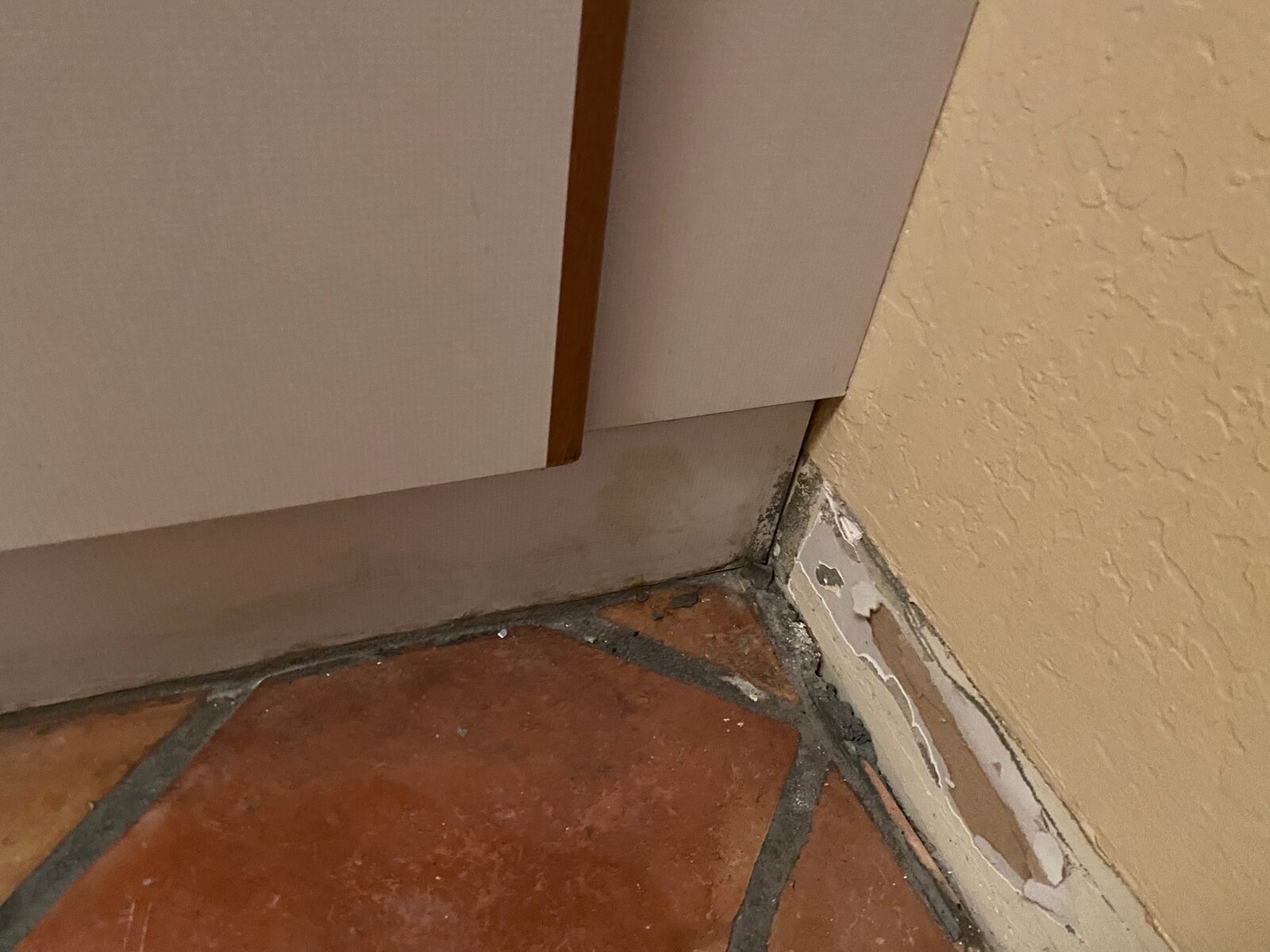
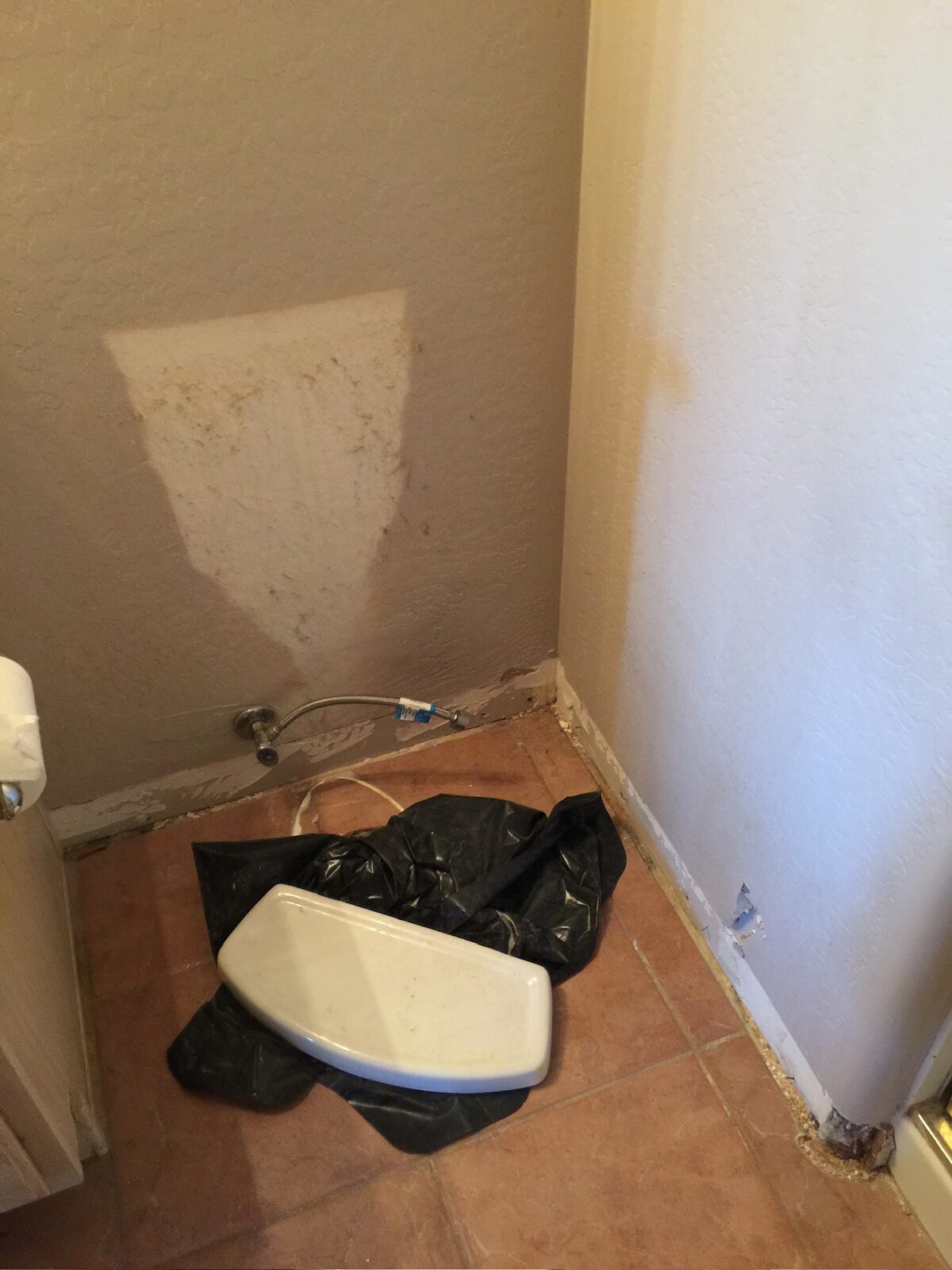
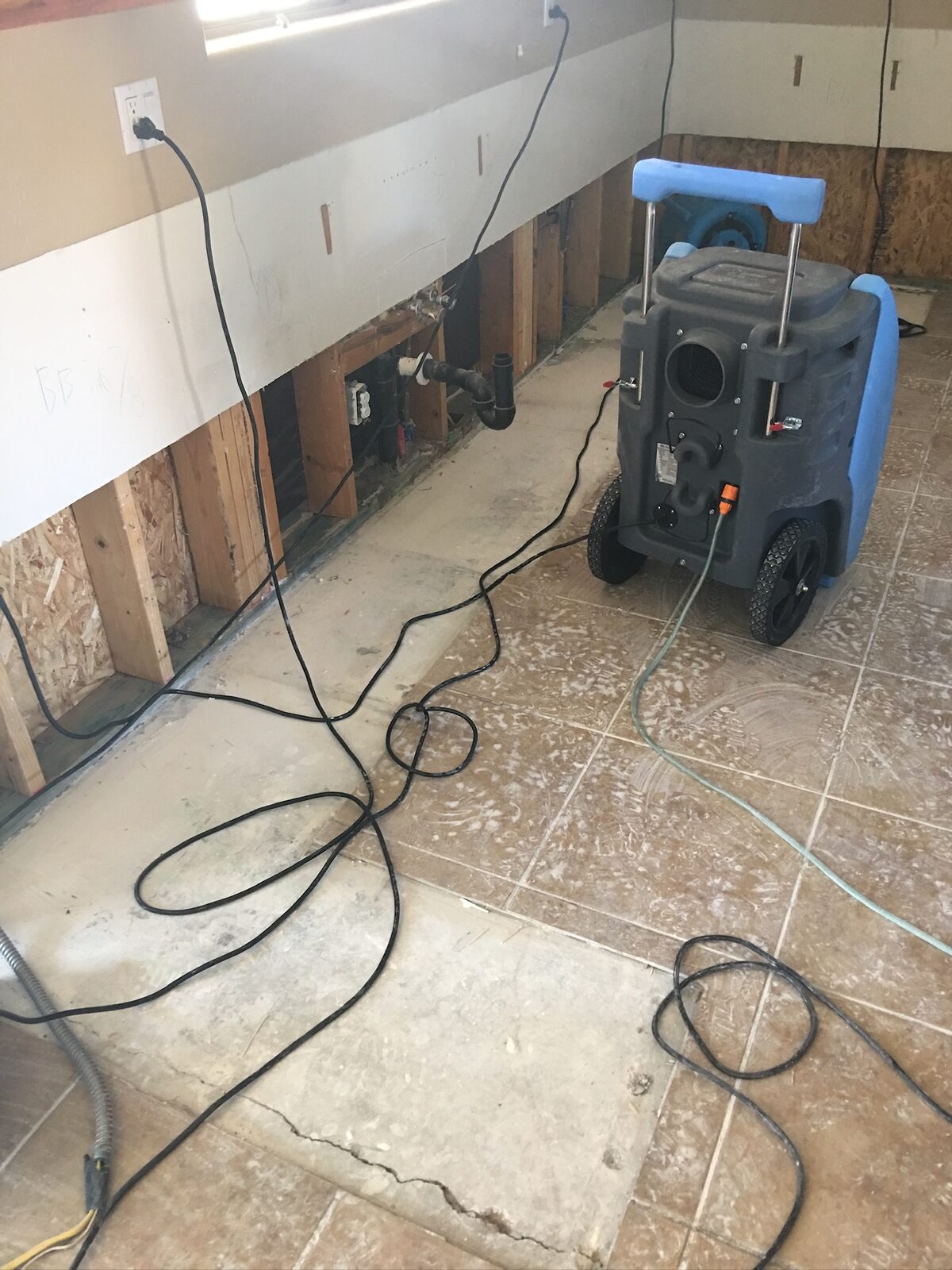
Residential reconstruction work by members of our team. See the full gallery →
More from Gold Water Fire
Abrasive Cleaning Methods for Soot on Framing and Masonry
A look at how abrasive cleaning methods remove soot from wood framing and masonry after a fire, and when each method fits the material.
AC Condensate Line Clogs & the Water Damage They Cause in Phoenix Homes
Why Phoenix AC condensate lines clog every summer, what the water damage looks like, and how to find the source before the ceiling stain spreads again.
Actual Cash Value vs Replacement Cost: Why Your Check Might Not Match the Repair Bill
Confused why your insurance check seems short after fire or water damage? Learn the difference between actual cash value and replacement cost coverage.
Not sure if what you're seeing is a real problem?
If you've found dampness, staining, or a soft spot near a toilet or bidet connection anywhere in the Phoenix area, reach out to Gold Water Fire at (480) 999-3339 or Help@goldwaterfire.com and we'll help you understand what you're looking at.
Call (480) 999-3339