
Evaporative Cooler Leaks and the Water Damage They Cause
You noticed a stain on the ceiling, or a soft spot in the drywall near the vent, and you're not sure how long it's been there. Maybe the swamp cooler has been making a strange noise for weeks, or the water bill went up and you can't explain it. It's unsettling when a system you rely on to keep the house livable through the summer turns out to be the thing quietly damaging it. You're not overreacting by paying attention to this.
Evaporative Cooler Leaks and the Water Damage They Cause
Why evaporative coolers leak in the first place
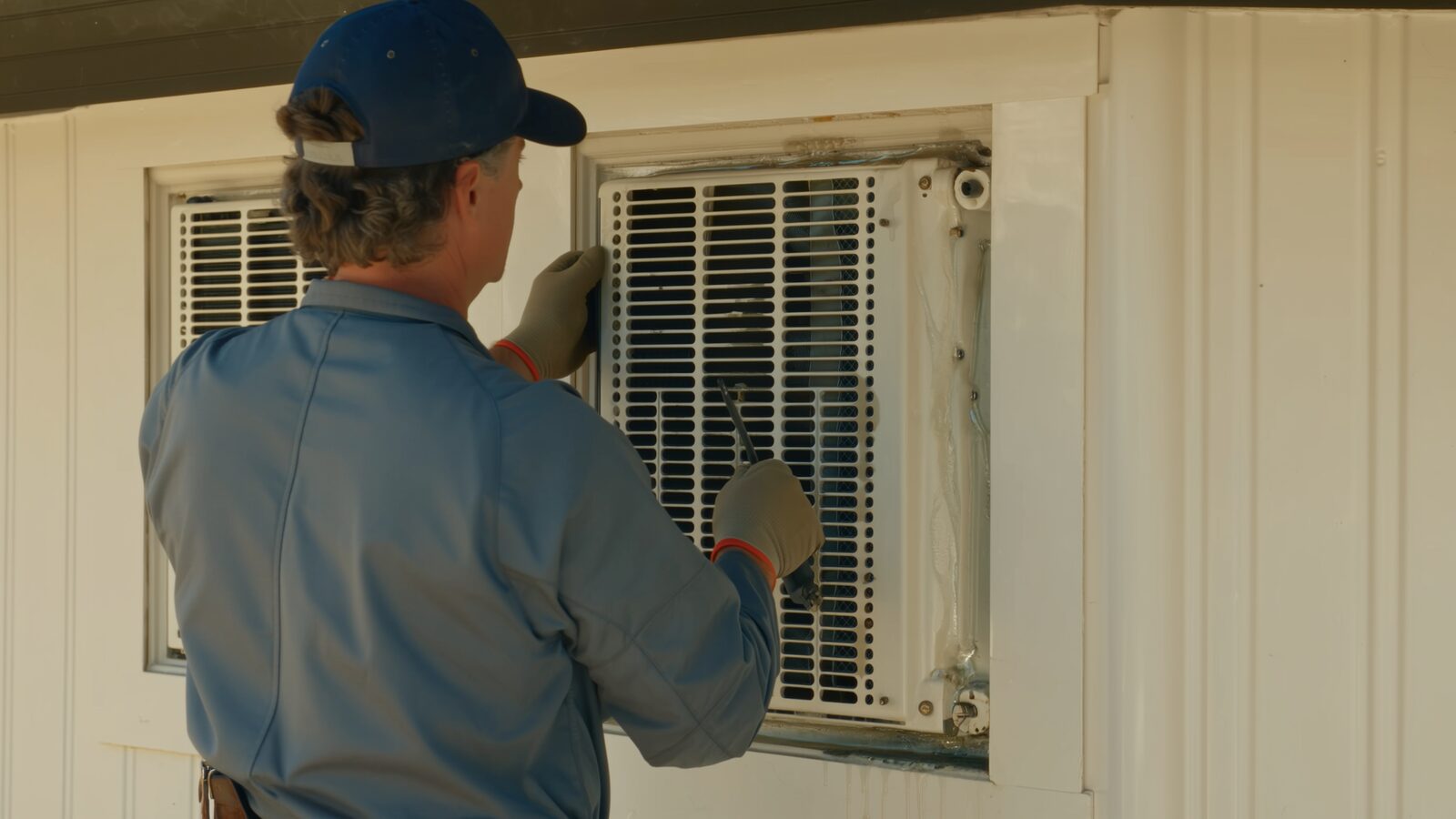
Evaporative coolers, often called swamp coolers, work by soaking pads with water and pulling air through them, so they run wet almost constantly during cooling season. That constant moisture is exactly why they're prone to leaks. Rooftop units sit on curbs or stands where the roof penetration, the water supply line, and the drain line all have to stay sealed against sun exposure, dust, and years of vibration from the fan motor. Any one of those seals failing sends water somewhere it shouldn't go. Common failure points include a cracked float valve that lets the water pan overfill, a clogged or misaligned drain line that backs water up instead of carrying it off the roof, mineral scale (common with Arizona's hard water) that cracks the pump housing or pads, and a bleed-off line that gets kinked or disconnected. Because the unit is usually out of sight on the roof, these problems tend to go unnoticed until water has already found its way inside.
Where the water actually goes once it's inside
A rooftop swamp cooler sits directly above living space, so a leak rarely stays contained. Water follows gravity and the path of least resistance, which is often not a straight line down. It can travel along roof decking, follow a duct chase, or run inside a wall cavity for several feet before it shows up as a stain on a ceiling or wall that's nowhere near the actual leak. That lag is what makes these leaks so deceiving: by the time you see a brown ring on the ceiling or paint starting to bubble, water may have been seeping in for weeks and already soaked insulation, drywall, or the top plates of framing. In homes with attic space between the roof and the ceiling, the attic insulation itself can absorb a surprising amount of water before any sign reaches the room below, which delays discovery even further.
Signs the leak has been going on longer than you think
A fresh leak usually looks different from one that's been active for a while. Watch for ceiling stains with a yellow or brown ring around the edge (a sign the water has dried and re-wet more than once), paint or texture that's bubbling or peeling rather than just discolored, a musty smell in the room the cooler serves, drywall that feels soft or spongy when pressed, and warped or darkened wood around window and door trim near the affected wall. Outside, check the roof jack and curb around the cooler for daylight gaps, rust streaks, or standing water after the unit has run. Inside the attic, if you can safely look, watch for dark or matted insulation directly beneath the cooler's footprint. None of these signs on their own prove serious damage, but together they usually mean the leak has been active long enough to matter.
What tends to happen if it's left alone
Standing or repeated moisture in framing and drywall creates conditions where mold can start to grow, typically within a couple of days of a material staying wet, and wood that stays damp over time loses structural strength as it swells, dries, and swells again. Ceiling drywall that has absorbed water enough times can sag or collapse under its own weight. None of this happens overnight, which is part of why these leaks are so easy to live with for a long time without realizing how much is happening behind the surface. If you're seeing any of the signs above, it's worth having the area opened up and checked rather than just patching the visible stain, since repainting over a stain doesn't address what's happening in the wall or attic behind it. You can read more about how water damage restoration works, or if a leak has already led to major water intrusion, see what reconstruction and rebuild involves for damaged framing or drywall.
Questions people ask us
Can a swamp cooler leak cause damage even if I don't see water dripping inside?
Yes. Water can travel along roof decking or inside a wall cavity for some distance before it becomes visible, and attic insulation can absorb a significant amount before a stain ever reaches the ceiling below. Absence of a visible drip doesn't mean the area is dry.
Is it normal for an evaporative cooler to use a lot of water?
Some water use is normal since the pads stay wet while the unit runs, but a sudden jump in water use, water pooling on the roof, or water marks appearing on ceilings or walls are not normal and usually point to a leak rather than expected operation.
How can I tell if a ceiling stain is old or active?
An old, dried stain usually has a hard, defined edge and doesn't change. A stain that's active or has been re-wetted repeatedly often shows a darker ring within a lighter ring, soft or bubbling texture, and sometimes a musty smell in the room, all signs worth investigating further.
Do I need to check the roof myself or is that unsafe?
Roof access should only be done carefully and with proper footing, and many homeowners choose to have a professional inspect the cooler, curb, and roof penetration instead. If you do go up, look for gaps around the roof jack, rust, or standing water, but don't force any moving parts.
The standard our team works to
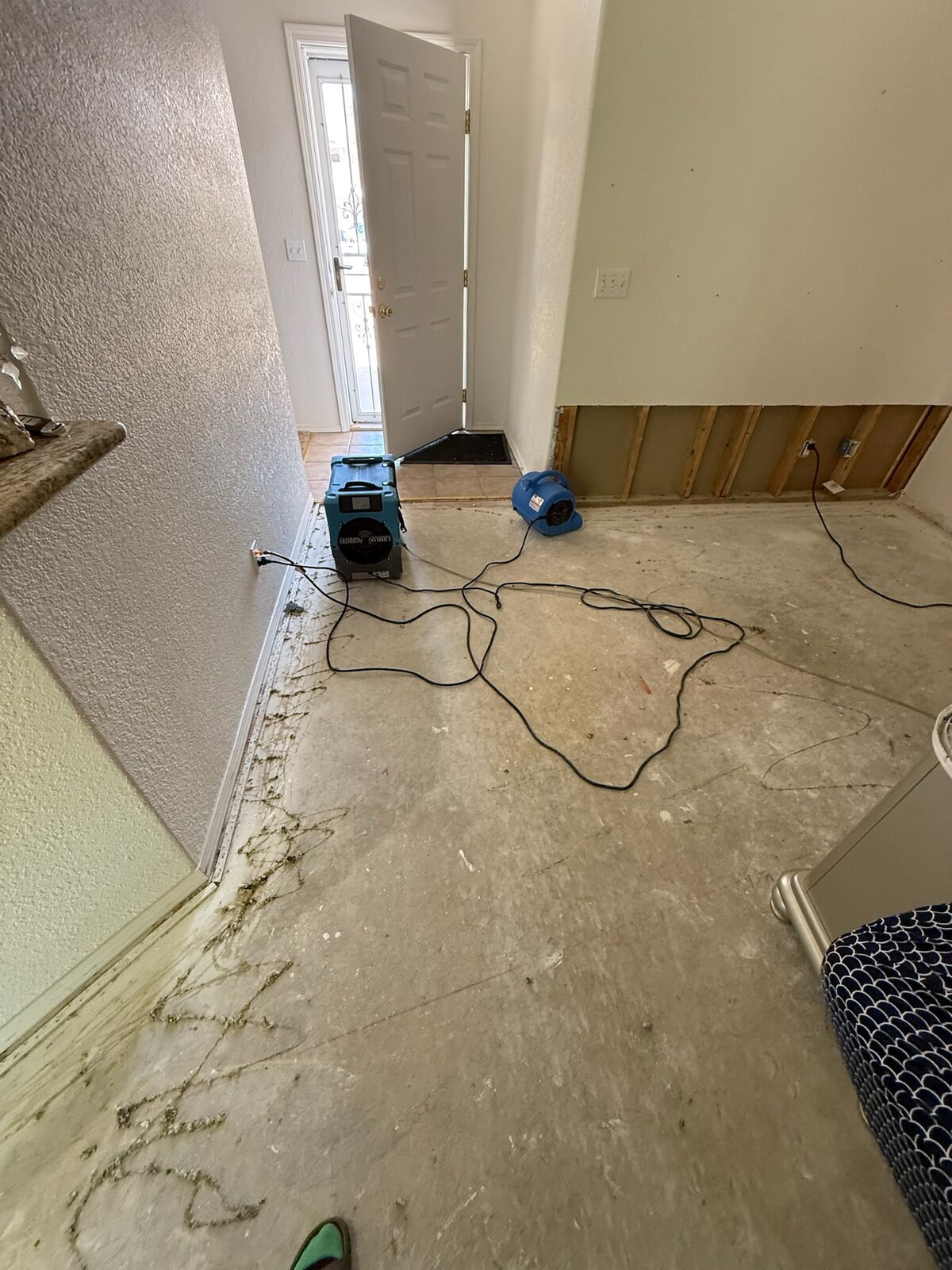
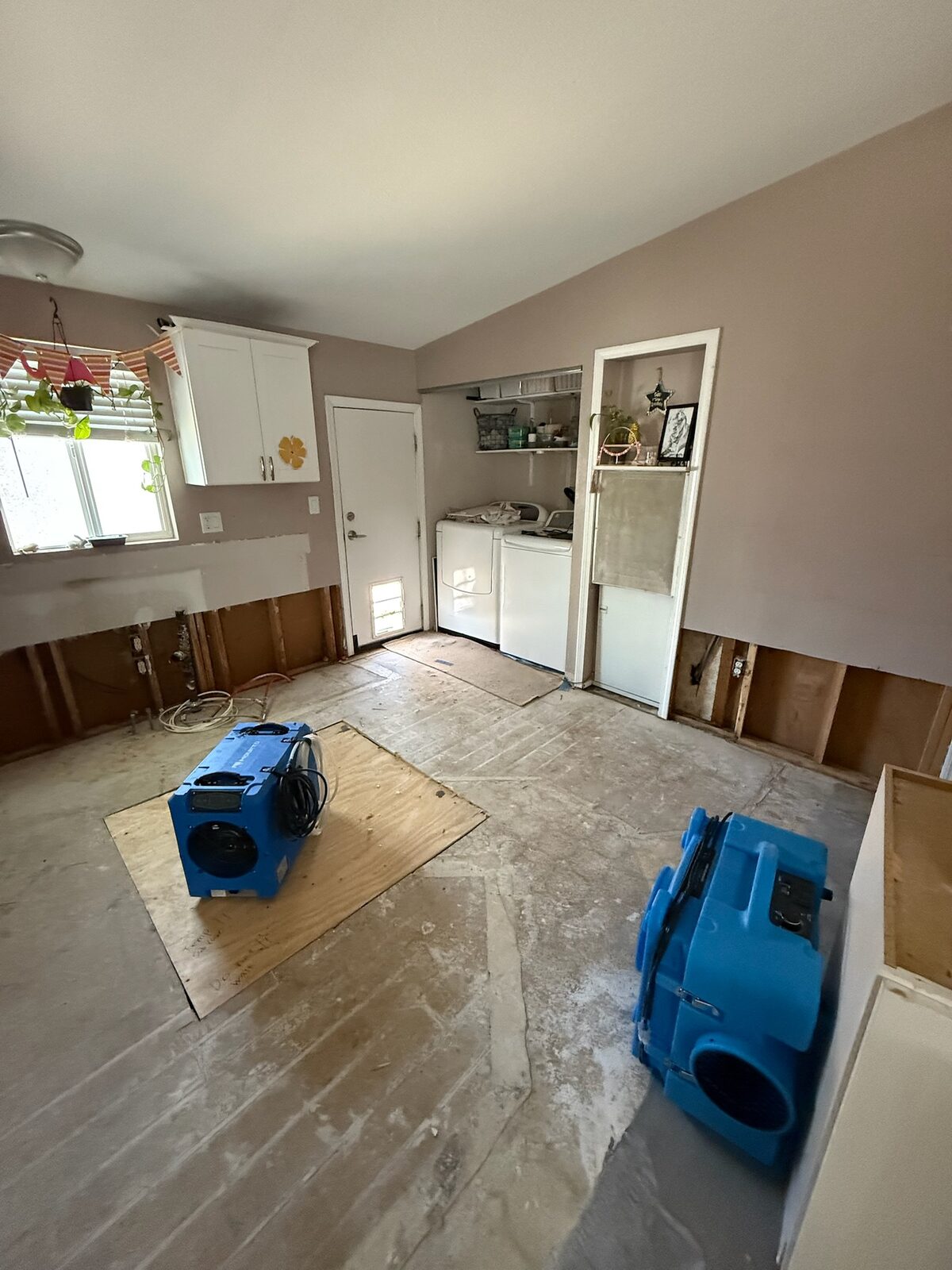
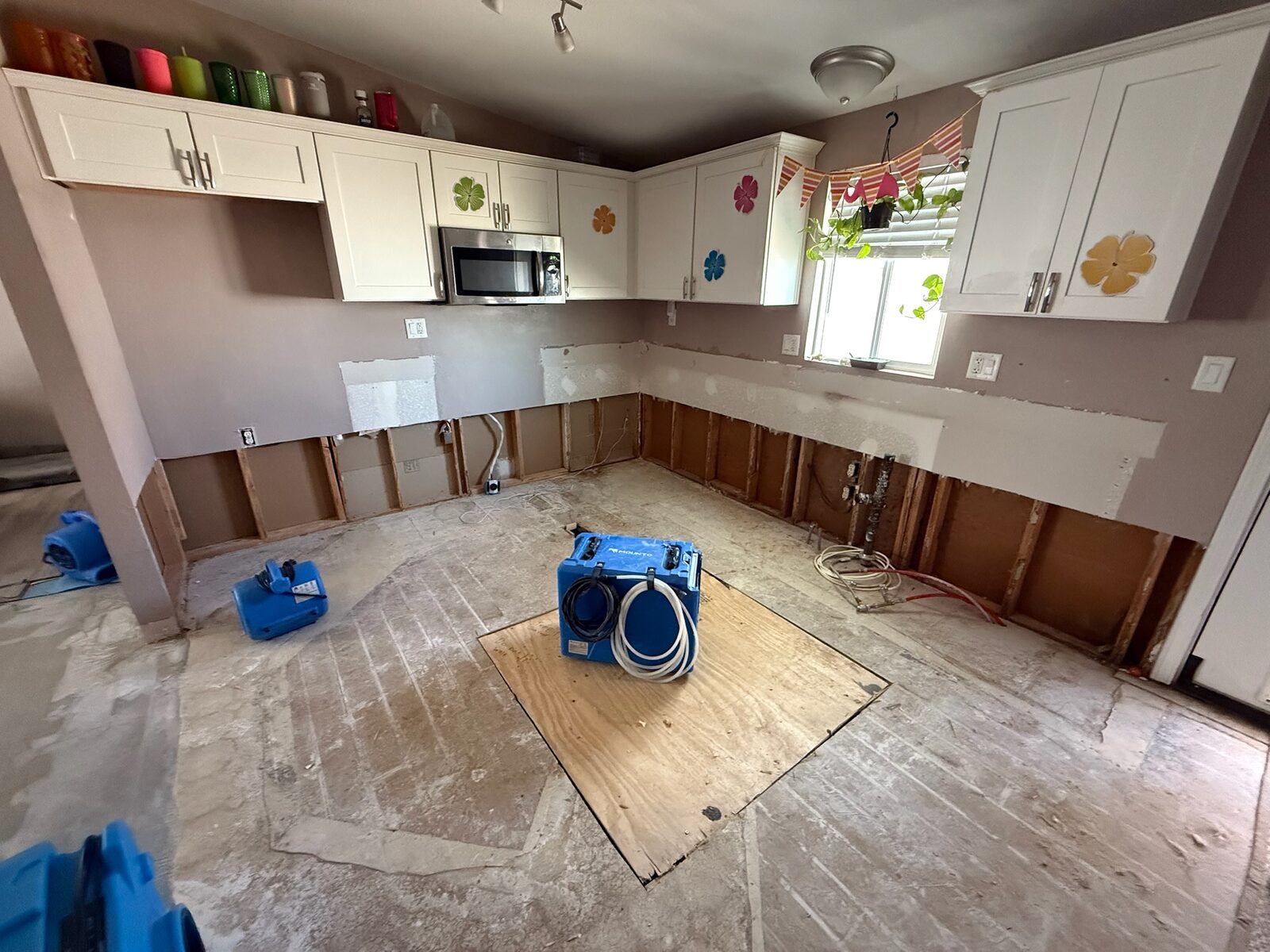
Residential reconstruction work by members of our team. See the full gallery →
More from Gold Water Fire
Abrasive Cleaning Methods for Soot on Framing and Masonry
A look at how abrasive cleaning methods remove soot from wood framing and masonry after a fire, and when each method fits the material.
AC Condensate Line Clogs & the Water Damage They Cause in Phoenix Homes
Why Phoenix AC condensate lines clog every summer, what the water damage looks like, and how to find the source before the ceiling stain spreads again.
Actual Cash Value vs Replacement Cost: Why Your Check Might Not Match the Repair Bill
Confused why your insurance check seems short after fire or water damage? Learn the difference between actual cash value and replacement cost coverage.
Not sure how far a cooler leak has spread in your home?
If you're seeing stains, soft drywall, or a musty smell near your evaporative cooler, it helps to have someone look at both the roof unit and the areas below it. Gold Water Fire serves the Phoenix metro area, from Peoria to Avondale to San Tan Valley and beyond, and can walk you through what's happening and what it would take to fix it. Reach out through the <a href="/contact.html">contact page</a> or learn more <a href="/about.html">about the team</a> first if that's helpful.
Call (480) 999-3339Water Damage Restoration · Reconstruction & Rebuild · Contact Gold Water Fire · About Gold Water Fire