
Abrasive Cleaning Methods for Soot on Framing and Masonry
Standing in a room after a fire, looking at blackened studs or a soot-streaked brick wall, it is hard to know what is actually salvageable and what has to go. The smoke smell lingers, the surfaces look permanently stained, and every cleaning product from the hardware store seems to either do nothing or make the smear worse. That uncertainty, whether that framing is structurally fine under the char or whether the masonry will ever look normal again, is one of the harder parts of dealing with fire damage. It is not just about scrubbing off soot. It is about not knowing yet whether the damage is cosmetic or something deeper.
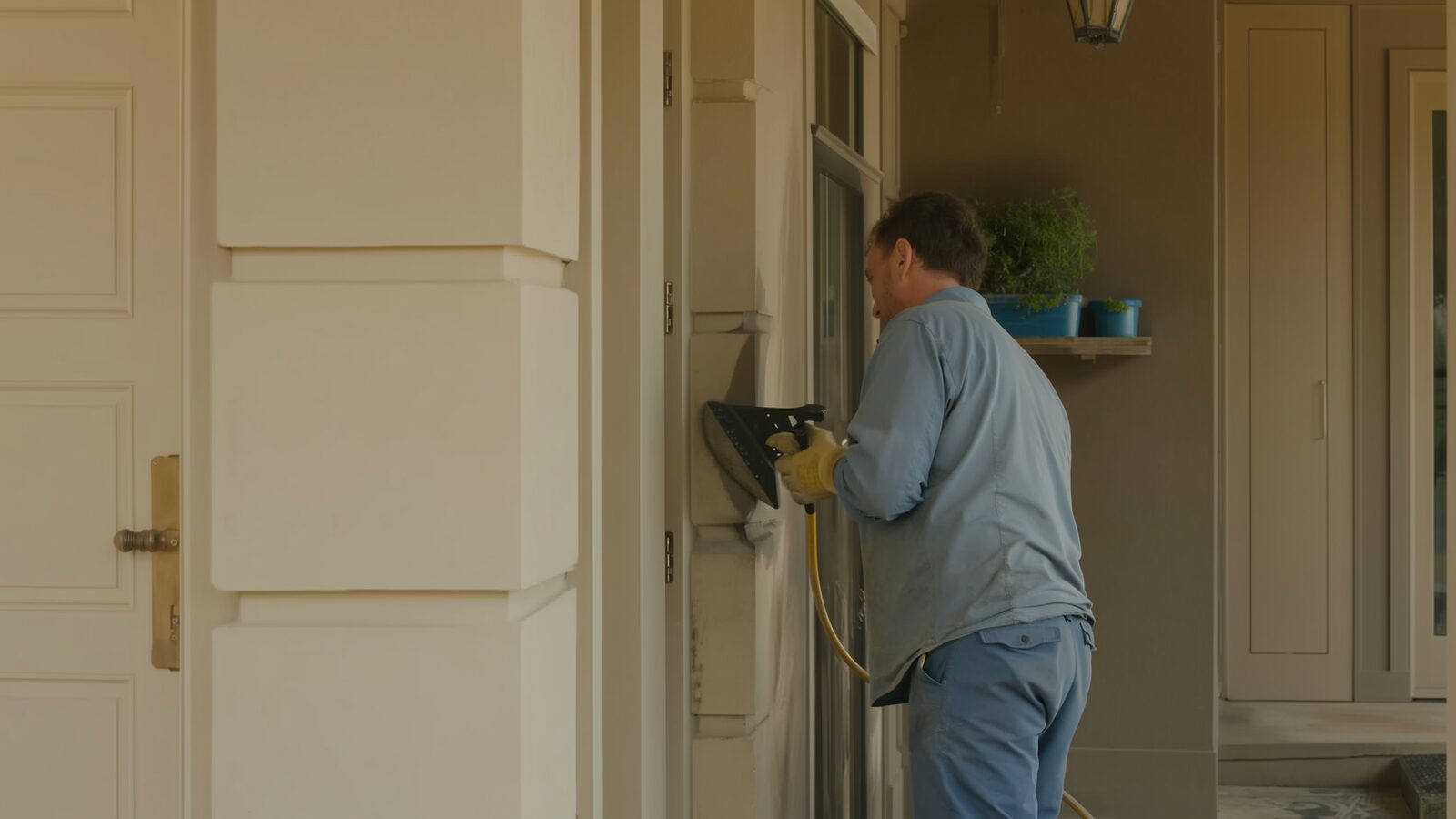
Abrasive Cleaning Methods for Soot on Framing and Masonry
Why soot clings to framing and masonry differently
Soot is made of unburned carbon particles, and how deeply it embeds depends on the surface it lands on. Wood framing is porous. Under high heat, the wood's surface fibers open up and soot particles work into the grain, which is why a light wipe often just smears the black around instead of lifting it. Masonry, brick, block, stucco, and concrete, has its own texture of pores and hairline cracks that pull soot in during a fire, especially when the fire burned hot and produced dry, powdery soot rather than a wet, oily residue. Wet, sticky soot from a smoldering, low-oxygen fire behaves differently than dry soot from a fast-burning, high-oxygen fire, and that difference matters when picking a cleaning method. Dry soot generally responds better to abrasive and dry-chemical approaches, while oily, protein-based soot often needs solvent or degreasing steps before or after abrasive work.
Dry ice blasting
Dry ice blasting uses pellets of frozen carbon dioxide propelled at the surface. On contact, the extreme cold causes the soot layer to contract and crack away from the substrate, and the pellets sublimate into gas almost immediately, leaving no secondary residue to clean up. This makes it a common choice for exposed wood framing, trusses, and joists because it does not add moisture (which would risk warping or mold) and it is gentle enough to avoid gouging the wood surface the way harder media can. It also works on masonry, though heavily pitted or already-crumbling mortar may need a gentler pass or a different method to avoid dislodging loose material.
Soda blasting
Soda blasting uses sodium bicarbonate media, essentially baking soda, at low pressure. It is softer than sand or grit media, which makes it useful on surfaces where you want soot removal without eroding the substrate underneath, such as softer wood or masonry with decorative detail. Soda has a mild alkalinity that can help neutralize some of the acidic byproducts left behind by smoke, but it does produce a residue that needs to be rinsed or vacuumed away afterward, and the runoff has to be managed since it changes the pH of whatever it lands on, including nearby plants or unsealed concrete.
Sandblasting and other abrasive grit
Sandblasting and similar grit media (crushed glass, aluminum oxide, walnut shell) are more aggressive and are generally reserved for masonry, brick, and concrete rather than wood framing, since the higher abrasion can tear wood fibers and leave a fuzzy, damaged surface. On brick or block, grit blasting can strip soot effectively, but it can also strip the fired surface (the harder outer layer) off older or softer brick, leaving it more porous and prone to future staining or moisture absorption. This is a case where matching the media hardness to the masonry's own hardness matters more than getting the most aggressive clean possible.
What abrasive cleaning does not fix
Abrasive methods remove surface soot, but they do not address smoke odor trapped in porous materials below the surface, char that has compromised the structural integrity of framing members, or soot that has worked into HVAC systems and wall cavities beyond the visible surface. A framing member that looks clean after blasting can still be structurally questionable if the fire charred deep into the wood before it was extinguished. That distinction, cosmetic soot removal versus a structural assessment of what is safe to leave in place, is usually the bigger question homeowners are actually sitting with, even when the immediate concern looks like a cleaning problem.
Questions people ask us
Can soot always be cleaned off framing instead of replacing the wood?
It depends on how deep the char goes. Surface soot on wood that was not directly burned can often be cleaned. Wood with visible charring or a crumbly, blackened surface has likely lost structural strength in that area and cleaning alone will not restore it.
Is dry ice blasting safe to use indoors?
It requires ventilation because the process releases carbon dioxide gas as the pellets sublimate. In an enclosed space, that gas needs somewhere to go, which is why it is typically done with fans or open exits managing airflow.
Why does soot sometimes reappear on masonry after it looked clean?
Soot particles can sit deep in pores or hairline cracks that a first pass does not fully reach, and moisture or heat later can draw residual particles back toward the surface. It's also possible the cleaning removed surface soot but left oily residue that continues to attract dust and darken over time.
Does the type of fire change which abrasive method works best?
Yes. A fast, hot fire tends to leave dry, powdery soot that responds well to dry ice or soda blasting. A slow, smoldering fire leaves oily, sticky soot that often needs a degreasing or solvent step before abrasive cleaning will be effective.
The standard our team works to
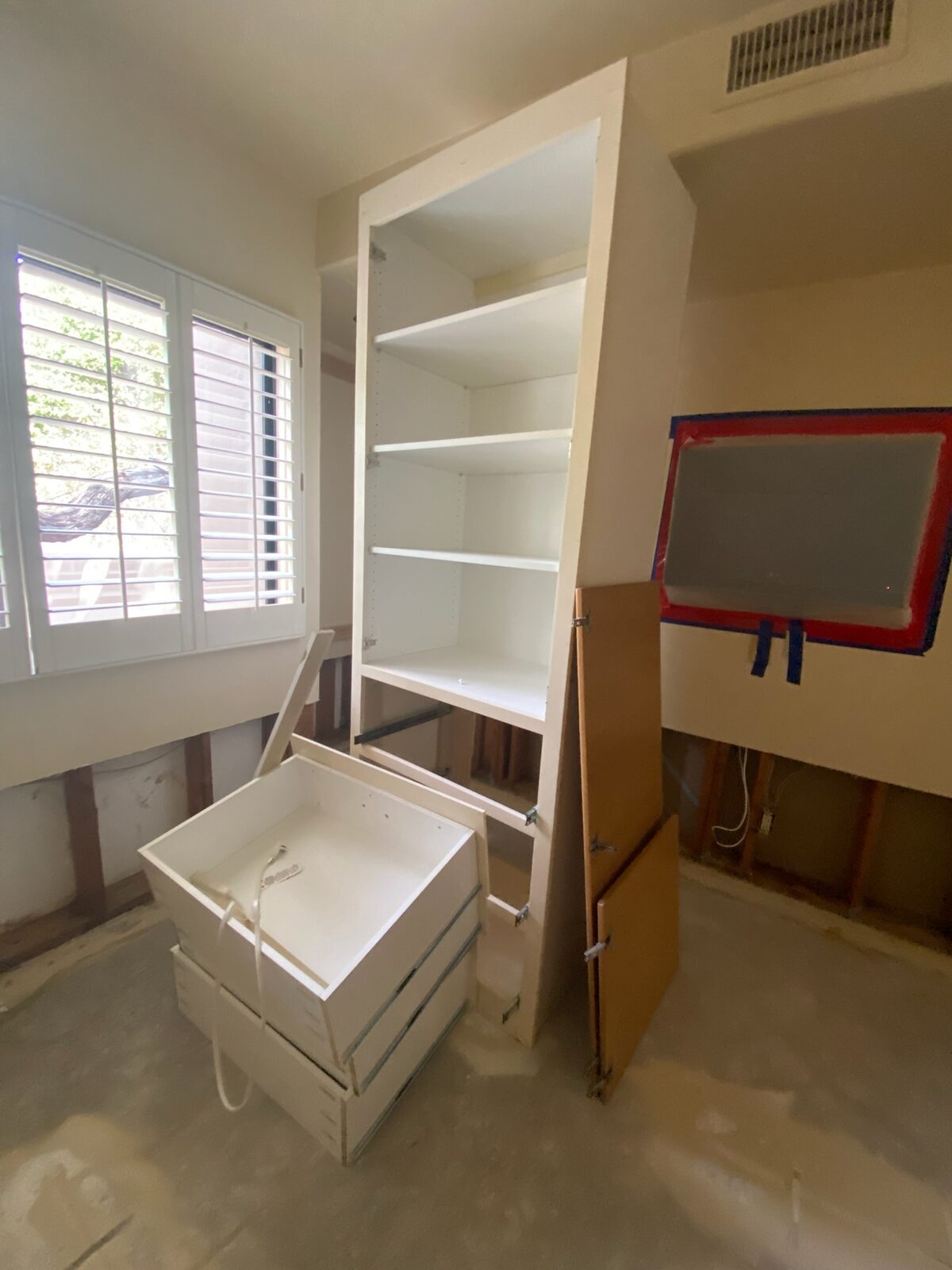
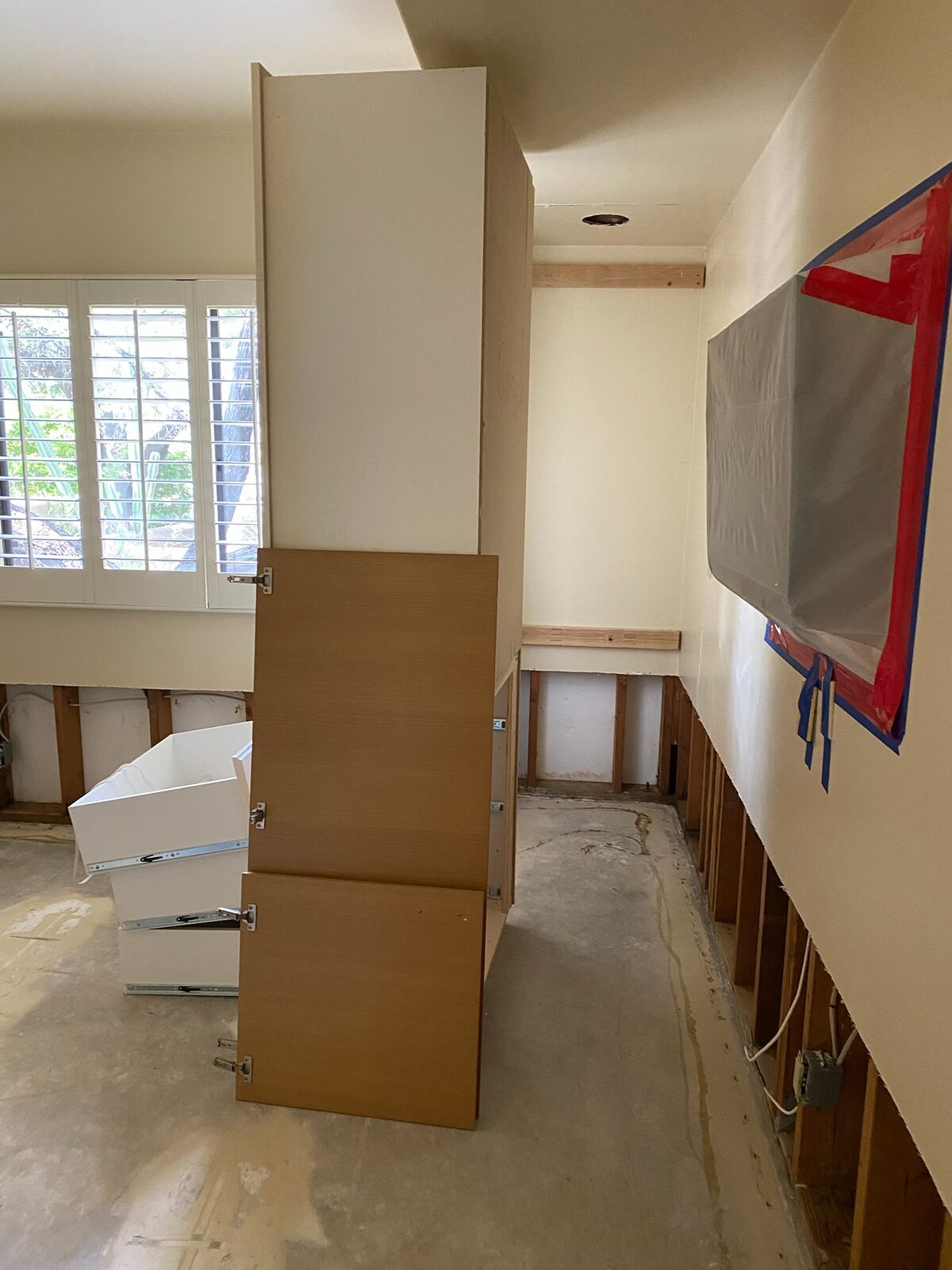
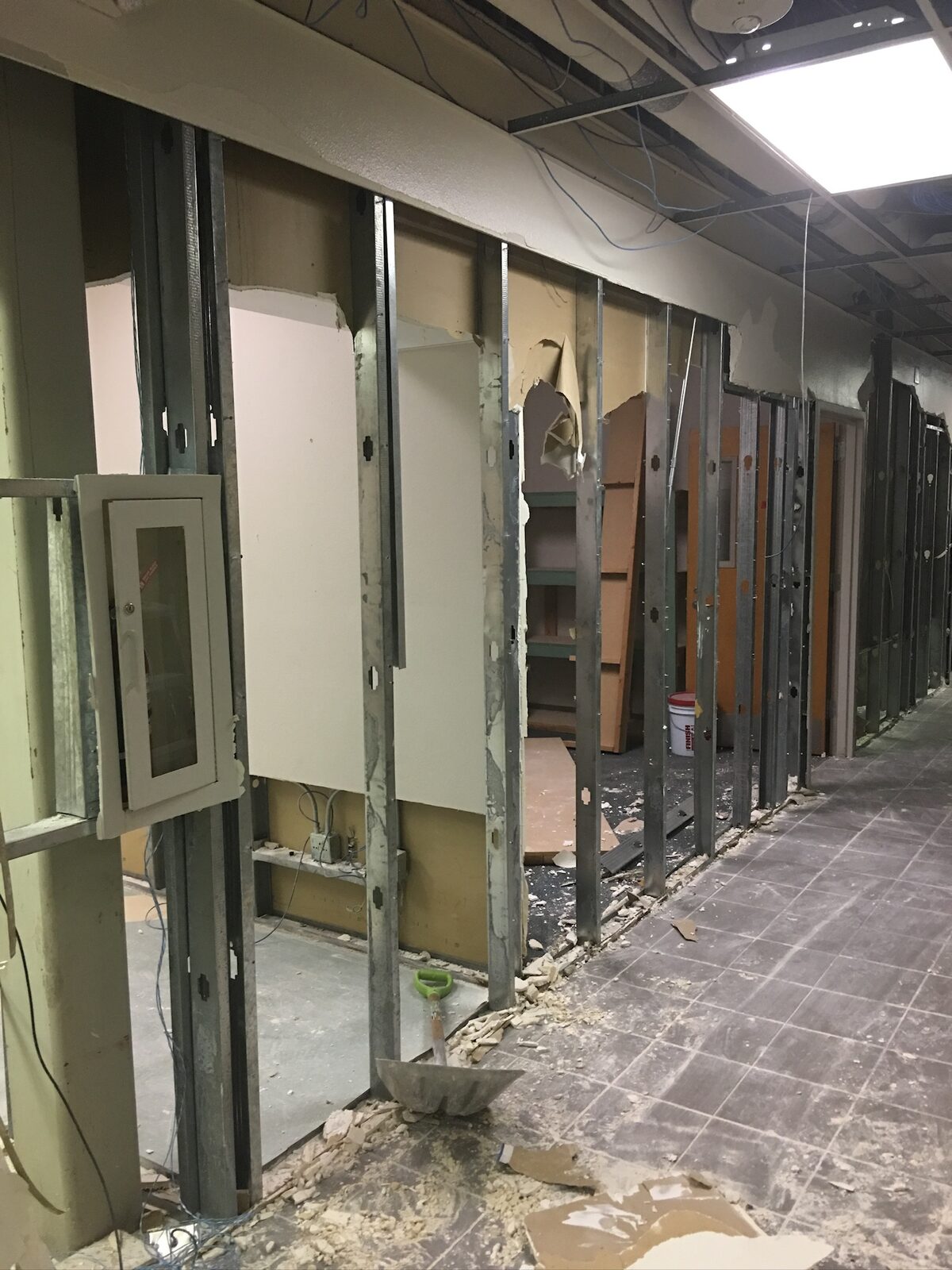
Residential reconstruction work by members of our team. See the full gallery →
More from Gold Water Fire
AC Condensate Line Clogs & the Water Damage They Cause in Phoenix Homes
Why Phoenix AC condensate lines clog every summer, what the water damage looks like, and how to find the source before the ceiling stain spreads again.
Actual Cash Value vs Replacement Cost: Why Your Check Might Not Match the Repair Bill
Confused why your insurance check seems short after fire or water damage? Learn the difference between actual cash value and replacement cost coverage.
What Additional Living Expenses Coverage Means When a Home Is Temporarily Uninhabitable
A plain explanation of additional living expenses coverage: what ALE pays for when a home is temporarily uninhabitable, what it does not, and how to document it.
Not sure if that framing or masonry can be saved?
If you're looking at soot damage in Phoenix, Mesa, Chandler, or anywhere across the Valley and aren't sure what's salvageable, Gold Water Fire can take a look and explain what you're dealing with. Call (480) 999-3339 or reach out through the <a href="/contact.html">contact page</a>.
Call (480) 999-3339Fire Damage Restoration services · Reconstruction & Rebuild · About Gold Water Fire · Contact Gold Water Fire