
The Sewer Backup Endorsement: Why Base Policies Often Exclude It
Finding out that a standard homeowners policy does not automatically cover sewer or drain backup, usually right after water has already come up through a floor drain or toilet, is a particular kind of frustrating. You paid for insurance. You assumed water damage was water damage. Now you're reading fine print you never knew existed, trying to figure out if this specific event falls inside or outside the lines someone else drew years ago. That confusion is fair. The way these policies are written does not make it easy to see the gap until you're standing in it.
The Sewer Backup Endorsement: Why Base Policies Often Exclude It
Why sewer backup sits outside standard coverage
Most homeowners insurance policies are built around the idea of sudden, accidental water damage from things like a burst pipe or a failed water heater. That is treated as a covered peril in a typical policy. Sewer and drain backup is handled differently. Insurers generally classify it closer to a maintenance issue or a groundwater/flood issue, both of which sit in categories that base policies routinely carve out. The reasoning insurers give is that backups are often tied to something on the property owner's side of the line, aging pipes, tree roots, a clog, or a municipal system that gets overwhelmed during heavy rain, and they treat that as a foreseeable risk rather than a sudden accident. Whether that reasoning feels fair when you're the one mopping up is a separate question, but it explains why the exclusion exists in the first place.
What the endorsement actually adds back
A sewer backup endorsement, sometimes called sewer and drain coverage or water backup coverage, is a separate add-on you attach to the base policy for an additional premium. It reinstates coverage for water or waste that backs up through sewers, drains, sump pumps, or septic systems and enters the home. Without it, that scenario falls back to the standard exclusion no matter how the water actually got there. With it, the backup itself becomes a named, covered event, subject to whatever sublimit the endorsement specifies. It's worth reading the endorsement language itself rather than assuming it mirrors your main dwelling coverage, because backup endorsements often carry their own separate coverage limit that's lower than the rest of the policy.
Reading your own policy for this gap
The clearest way to find out where you stand is to pull your declarations page and look for a line item labeled sewer backup, water backup, or sump pump overflow. If you see a dollar figure next to it, the endorsement is active and that figure is your sublimit. If you don't see it listed at all, it's worth calling your agent directly and asking the plain question: is sewer and drain backup currently excluded from this policy. Don't rely on a search of the word 'water' in the document, since backup exclusions are often written into a different section than the general water damage clauses, and the policy will use its own specific terms for it.
What this means once water is already in the house
Coverage questions matter for the claim, but they don't change what needs to happen to the structure itself. Water from a sewer or drain backup carries contamination risk that clean water intrusion does not, so it typically needs to be treated, and often removed and replaced, differently than a simple pipe leak. That distinction matters both for how the affected materials are handled and for how the event gets documented for a claim. If you're trying to sort out coverage and damage at the same time, our guides on water damage restoration and reconstruction and rebuild walk through what that process generally involves.
Questions people ask us
Is sewer backup the same thing as flood damage in an insurance policy?
No, and policies treat them separately. Flood damage from rising groundwater or overflowing waterways is typically excluded from homeowners policies entirely and requires separate flood insurance. Sewer backup is its own category with its own optional endorsement, distinct from flood coverage.
Does a sewer backup endorsement cover the cost to fix the pipe that caused the backup?
Generally, the endorsement covers damage to the home and belongings caused by the backup event, not the underlying plumbing or sewer line repair itself. That distinction is worth confirming directly with your insurer since policy language varies.
Why would an insurer treat a backup as preventable when a burst pipe isn't?
Insurers often view backups as connected to gradual issues like root intrusion, aging lines, or municipal system capacity, which they treat as a maintenance or foreseeable risk category rather than a sudden accidental event. That classification is the basis for the exclusion, whether or not it matches how the homeowner experienced it.
Can I add sewer backup coverage after the fact, or does it need to be there from the start?
Endorsements can typically be added to an existing policy at renewal or through a mid-term policy change, but coverage only applies going forward from the date it's added. It does not apply retroactively to an event that already happened.
The standard our team works to
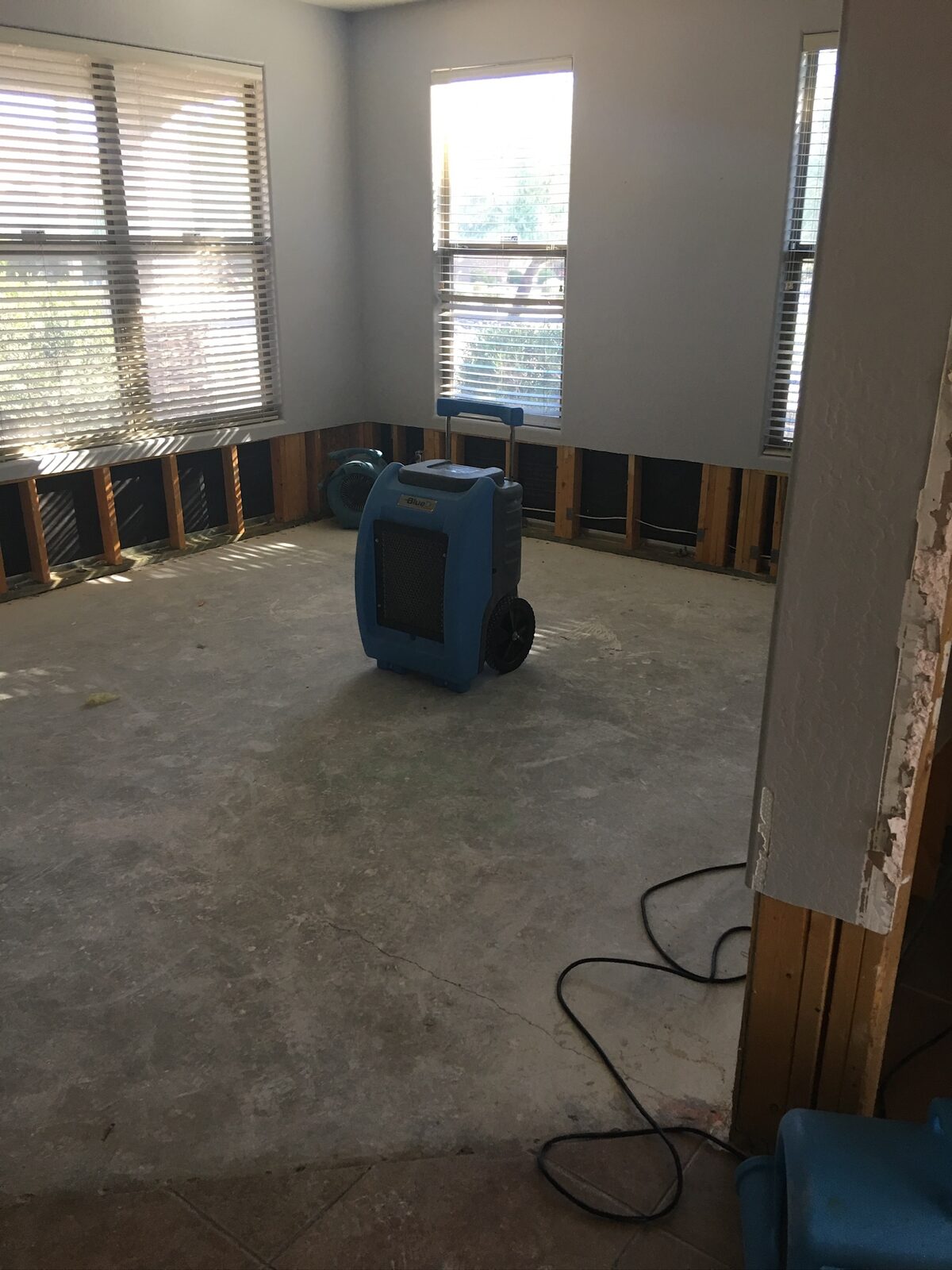
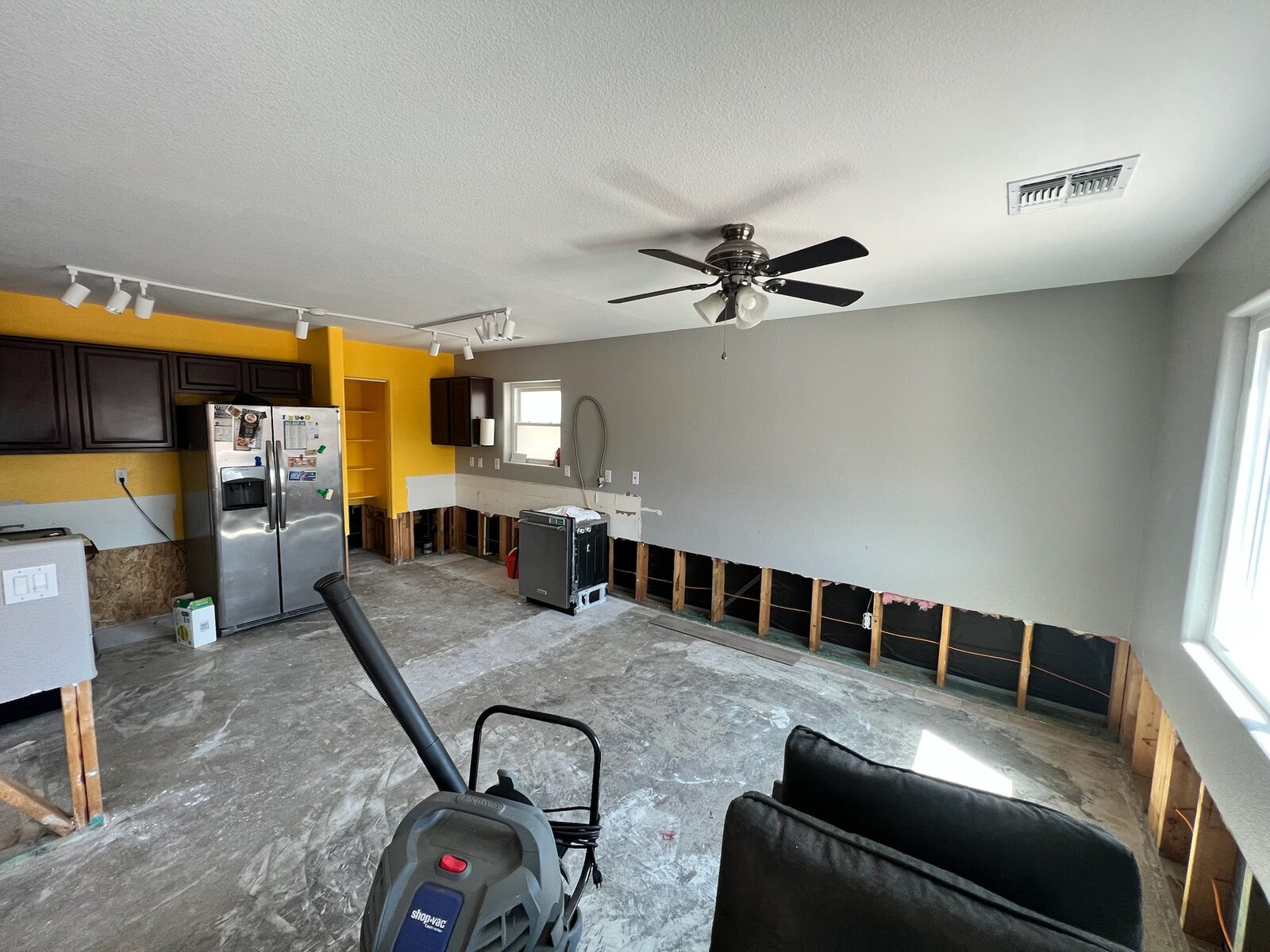
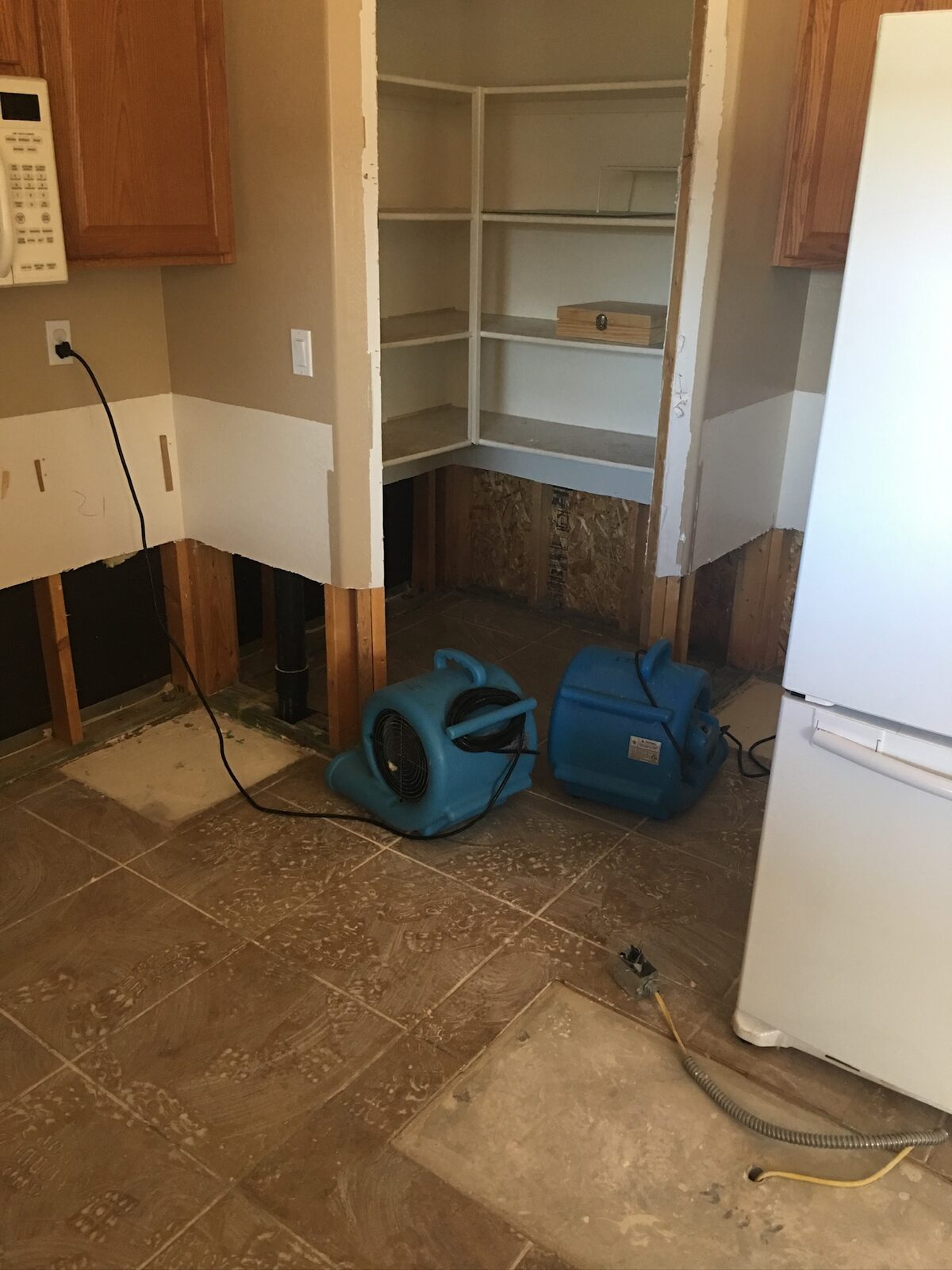
Residential reconstruction work by members of our team. See the full gallery →
More from Gold Water Fire
Abrasive Cleaning Methods for Soot on Framing and Masonry
A look at how abrasive cleaning methods remove soot from wood framing and masonry after a fire, and when each method fits the material.
AC Condensate Line Clogs & the Water Damage They Cause in Phoenix Homes
Why Phoenix AC condensate lines clog every summer, what the water damage looks like, and how to find the source before the ceiling stain spreads again.
Actual Cash Value vs Replacement Cost: Why Your Check Might Not Match the Repair Bill
Confused why your insurance check seems short after fire or water damage? Learn the difference between actual cash value and replacement cost coverage.
Dealing with a backup right now?
Sorting out coverage takes time, but contaminated water sitting in a home doesn't wait. Call Gold Water Fire at (480) 999-3339 or reach out through our contact page and we'll talk through what you're seeing.
Call (480) 999-3339Water Damage Restoration · Reconstruction & Rebuild · Contact Gold Water Fire