
Hard Water, Scale, and Plumbing Wear in Arizona Homes
If you've noticed white crust building up around your faucets, a water heater that seems to be working harder than it used to, or a strange feeling that your plumbing is aging faster than it should, you're not imagining it. Living with hard water is one of those things that quietly shapes daily life in the Phoenix area, and it can be hard to put your finger on exactly what's happening or how much it matters until something actually fails.
Hard Water, Scale, and Plumbing Wear in Arizona Homes
Arizona's water and what it does over time
Phoenix area tap water carries a high mineral content, mostly calcium and magnesium, which is what makes water "hard." On its own, hard water isn't a health concern. But as it moves through pipes, water heaters, and fixtures, those minerals don't just pass through. They come out of solution, especially when water is heated, and settle as scale: the chalky white or gray buildup you might already recognize on showerheads, faucet aerators, and around drains. Over months and years, that same process happens inside places you can't see, like the interior walls of pipes and the tank of a water heater.
Common signs of scale buildup
Scale tends to announce itself in small ways before it becomes a bigger problem. Reduced water pressure is often one of the earliest signs, since mineral deposits narrow the inside diameter of pipes and clog aerators and showerheads. A water heater that takes longer to produce hot water, makes popping or rumbling noises, or seems less efficient than before is often dealing with sediment settled at the bottom of the tank. Fixtures that develop a crusty white residue, dishwashers and washing machines that leave spots or film, and soap that doesn't lather well are all consistent with hard water rather than a defect in the appliance itself.
How scale accelerates plumbing wear
The concern with hard water isn't usually a sudden failure, it's the slow accumulation of stress on a system. Scale buildup inside pipes reduces flow and raises pressure on the plumbing upstream of the blockage, which can strain joints and fittings over time. Inside a water heater, sediment insulates the heating element from the water it's supposed to heat, forcing the unit to work longer and hotter to do the same job, which shortens its usable life. Valves and fixtures with moving parts, like shutoff valves, faucet cartridges, and toilet fill valves, are especially prone to seizing up or wearing out early when mineral deposits build up around the parts meant to move freely. None of this happens overnight, but it adds up, and it's part of why plumbing failures in this region often trace back to age combined with water hardness rather than one obvious cause.
When scale turns into a bigger problem
Most hard water issues are a maintenance and comfort concern for a long time before they become a water damage concern. The shift usually happens when scale buildup contributes to a fitting failure, a slow pinhole leak in a pipe wall, or a water heater tank that finally gives out after years of sediment stress. Warning signs worth taking seriously include a sudden drop in water pressure, discolored water, unexplained increases in your water bill, dampness or staining around a water heater or under sinks, and any visible corrosion on exposed pipe fittings. Catching these early, before they turn into standing water or structural damage, is almost always less disruptive and less costly than dealing with the aftermath.
Questions people ask us
Does hard water actually damage pipes, or is it just a cosmetic issue?
It can be both. The white residue on fixtures is cosmetic, but the same mineral deposits form inside pipes and water heaters where they aren't visible. Over time this can restrict flow, stress fittings and valves, and shorten the working life of water heaters and appliances.
How can I tell if my water heater has a lot of sediment buildup?
Common signs include popping, rumbling, or rattling sounds during heating cycles, longer wait times for hot water, reduced hot water volume, and a general drop in efficiency. These noises are typically caused by water boiling underneath a layer of settled sediment at the bottom of the tank.
Is hard water worse in some parts of the Phoenix area than others?
Water hardness can vary by municipal source and by neighborhood, but most of the Phoenix metro area, including Mesa, Chandler, Scottsdale, Gilbert, and surrounding cities, deals with hard water to some degree. If you're unsure about your specific area, your local water provider can typically share hardness data for your address.
What should I do if I notice a leak or water damage from a plumbing failure?
Address any active water source first if it's safe to do so, then assess the extent of the damage. If water has reached flooring, drywall, or has been present for more than a short period, it's worth having the situation evaluated so moisture doesn't sit unaddressed. You can read more about the process on our water damage restoration page.
The standard our team works to
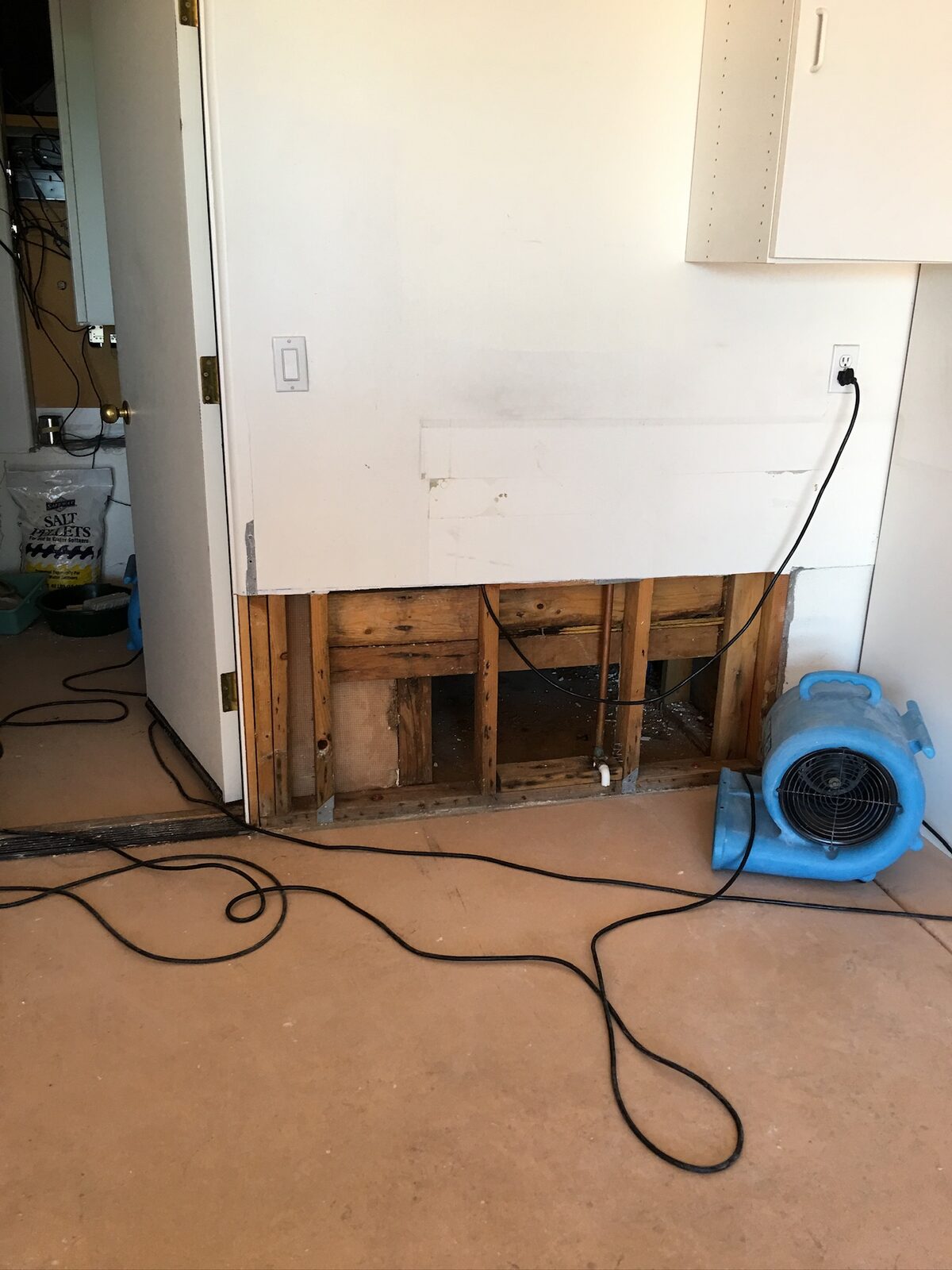
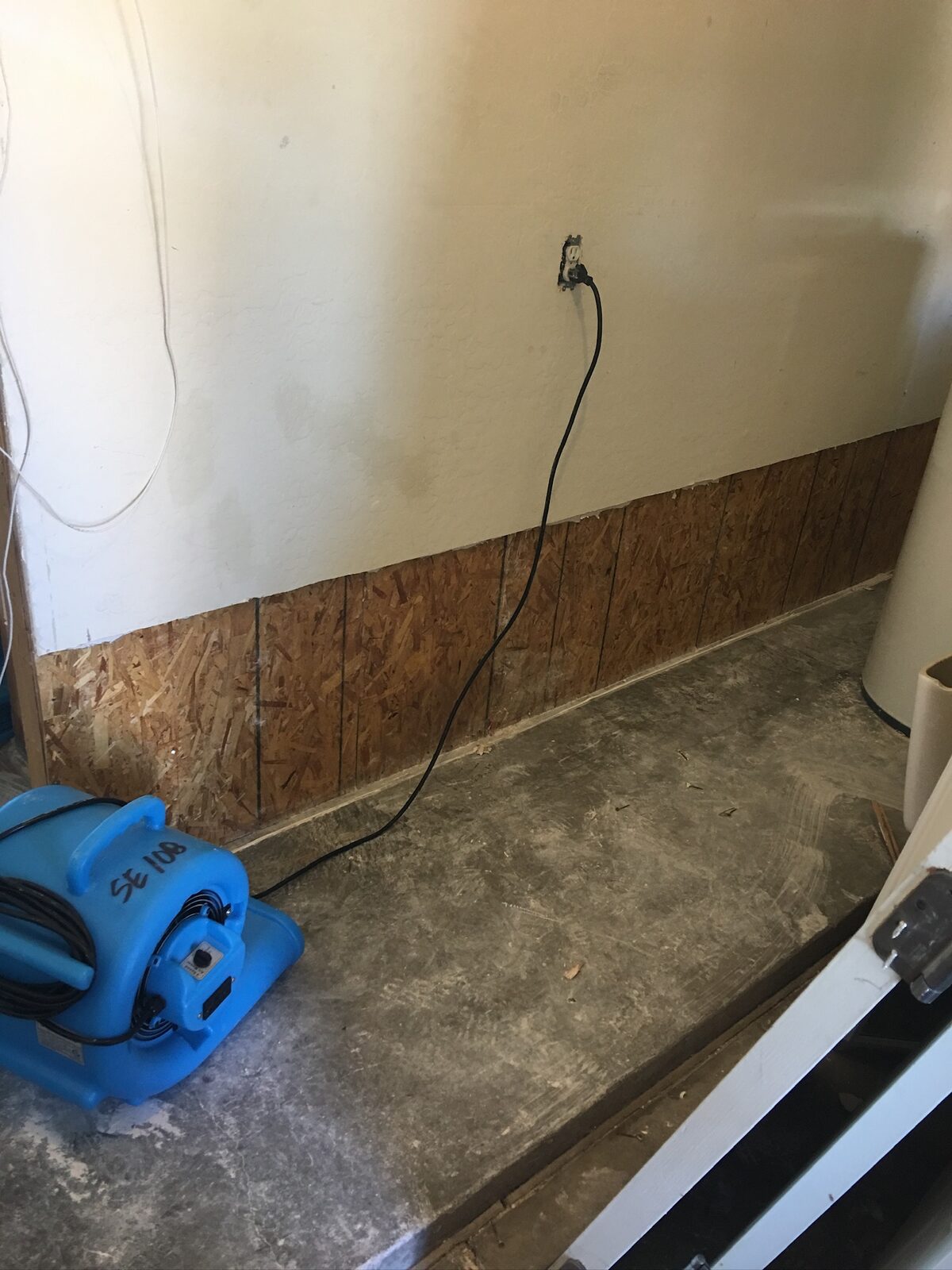
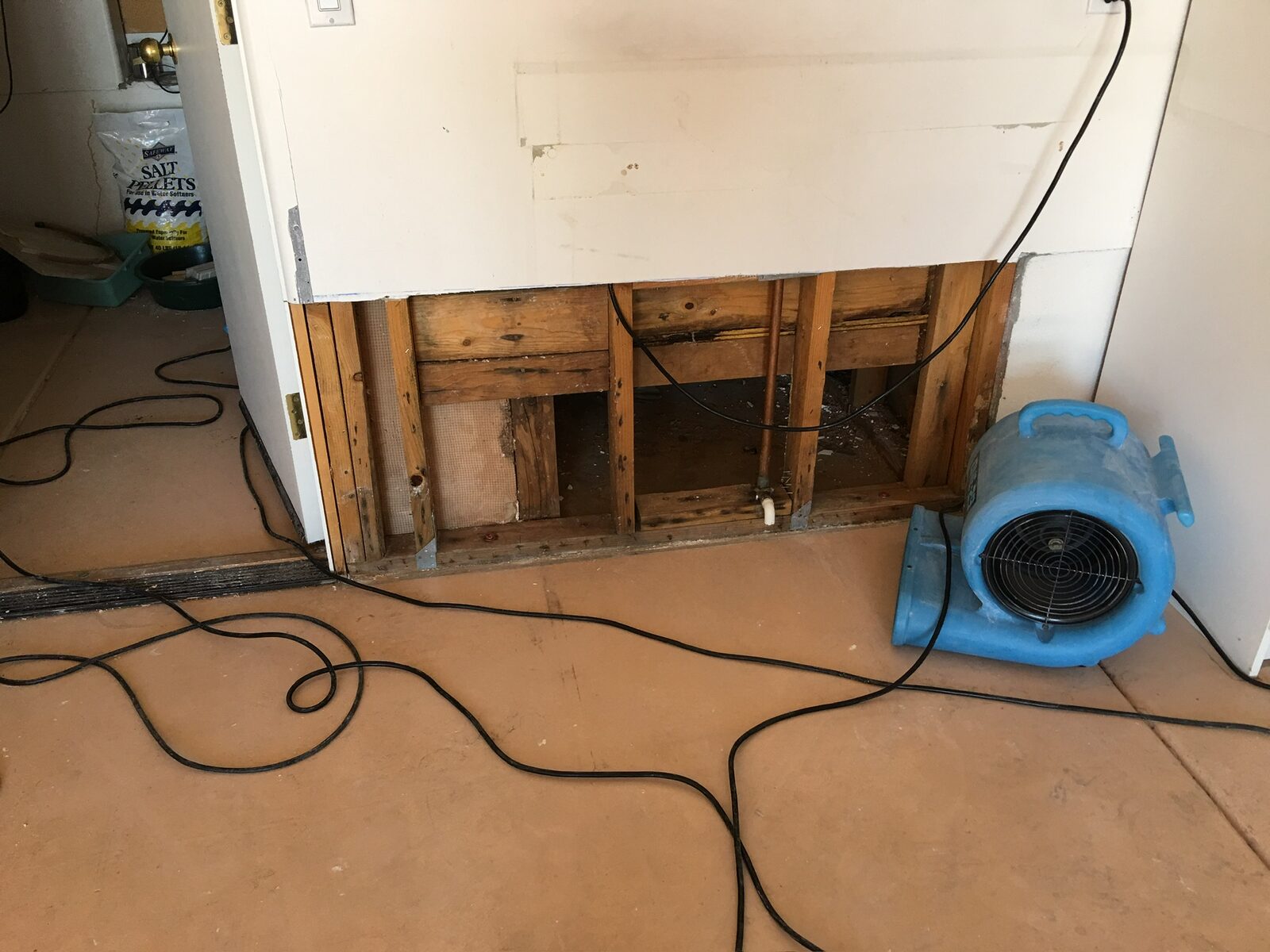
Residential reconstruction work by members of our team. See the full gallery →
More from Gold Water Fire
Abrasive Cleaning Methods for Soot on Framing and Masonry
A look at how abrasive cleaning methods remove soot from wood framing and masonry after a fire, and when each method fits the material.
AC Condensate Line Clogs & the Water Damage They Cause in Phoenix Homes
Why Phoenix AC condensate lines clog every summer, what the water damage looks like, and how to find the source before the ceiling stain spreads again.
Actual Cash Value vs Replacement Cost: Why Your Check Might Not Match the Repair Bill
Confused why your insurance check seems short after fire or water damage? Learn the difference between actual cash value and replacement cost coverage.
Already dealing with a leak or water damage from a plumbing failure?
If hard water wear has led to a leak, a burst pipe, or a failed water heater in your home, Gold Water Fire can assess the damage and walk you through what comes next. Call (480) 999-3339 or reach out through our <a href="/contact.html">contact page</a> to talk through what you're seeing.
Call (480) 999-3339Water Damage Restoration · About Gold Water Fire · Contact Us