
Repairing Water Damaged Flooring Versus Replacing It
You're standing in a room looking at a floor that doesn't look right anymore, maybe it's cupped, maybe it's just a stain that won't go away, and you're trying to figure out if this is a fix or a full tear-out. That question matters because the answer changes everything about cost, timeline, and how much of your life gets disrupted. It's frustrating not knowing which one you're dealing with, especially when the damage is hidden under the surface and every guess feels like it could be wrong.
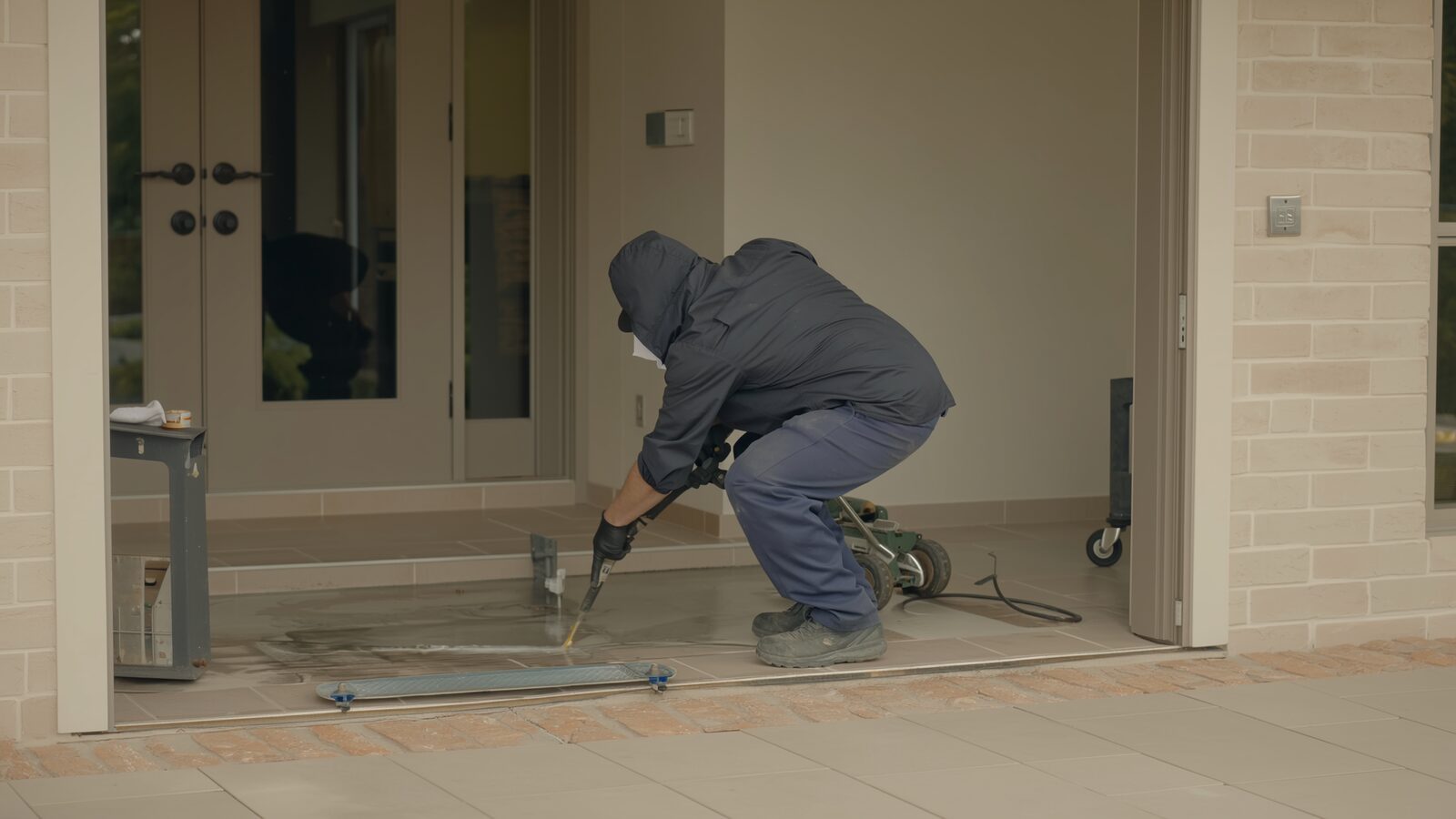
Repairing Water Damaged Flooring Versus Replacing It
Why this decision is harder than it looks
Water doesn't damage every flooring material the same way, and it doesn't always show itself right away. A floor can look fine on top for days or weeks while the subfloor underneath is already breaking down. That gap between what you can see and what's actually happening is why so many homeowners end up either replacing something that could have been saved, or patching something that needed to come out entirely. Understanding how your specific material behaves under moisture is the first real step toward making the right call.
How each flooring type responds to water
Solid hardwood tends to cup or crown when it absorbs moisture, the edges of each board pull up or push down relative to the center. If the water exposure was brief and the wood hasn't started to warp permanently, it can sometimes be dried in place and sanded flat again. Engineered wood is less forgiving because the plywood core underneath the veneer swells and delaminates, and once that layer separates, refinishing won't fix it. Laminate flooring almost always needs replacing after real water exposure since the fiberboard core swells permanently and won't return to its original shape even after drying. Tile itself usually survives water fine, but the subfloor, grout, and adhesive underneath can fail, so the real question with tile is what's happening below it, not the tile itself. Carpet depends heavily on what kind of water it absorbed and how long it sat wet, since padding holds moisture against the subfloor far longer than the carpet fibers do.
Signs that point toward repair
A floor is a stronger candidate for repair when the water exposure was caught early, when the affected area is small and contained, when there's no soft or spongy feeling underfoot, and when there's no musty smell developing. If moisture readings taken with a meter show the material is drying down toward normal levels within a few days rather than staying saturated, that's a good sign the structure underneath hasn't been compromised.
Signs that point toward replacement
Replacement becomes the safer path when boards or planks have visibly separated, cracked, or warped beyond what sanding can correct, when there's a persistent musty odor suggesting mold has taken hold in the material or subfloor, when the floor feels soft or gives underfoot, or when the water sat for an extended period before anyone noticed. Category 2 or 3 water, meaning water contaminated by sewage, appliance backups, or floodwater, generally means porous materials like carpet and carpet padding need to be removed rather than dried, because contamination can't simply be dried out of a fibrous material.
Questions people ask us
Does carpet always need to be replaced after water damage?
Not always. Carpet exposed briefly to clean water and dried quickly can sometimes be saved, but the padding underneath is a different story. Padding holds water against the subfloor and rarely dries fully in place, so it's often replaced even when the carpet itself is kept.
How long can water sit on a floor before it's too late to repair?
There's no single cutoff that applies to every material or every situation, since it depends on the type of flooring, the subfloor material, humidity, and airflow in the room. Generally, the longer water sits and the warmer and more humid the environment, the more likely permanent damage and mold growth become.
Can hardwood floors be saved after water damage?
Solid hardwood has a real chance if the exposure was limited and the wood hasn't warped past what refinishing can correct. Engineered hardwood has a much lower chance of being saved because the layered core underneath tends to delaminate once it's wet.
Is it possible to know the subfloor is damaged without pulling up the flooring?
Sometimes there are clues, a soft or bouncy feeling underfoot, a musty smell, or visible staining at the edges of the room, but confirming the true condition of a subfloor usually requires either removing some flooring or using moisture meters to check readings beneath the surface.
The standard our team works to
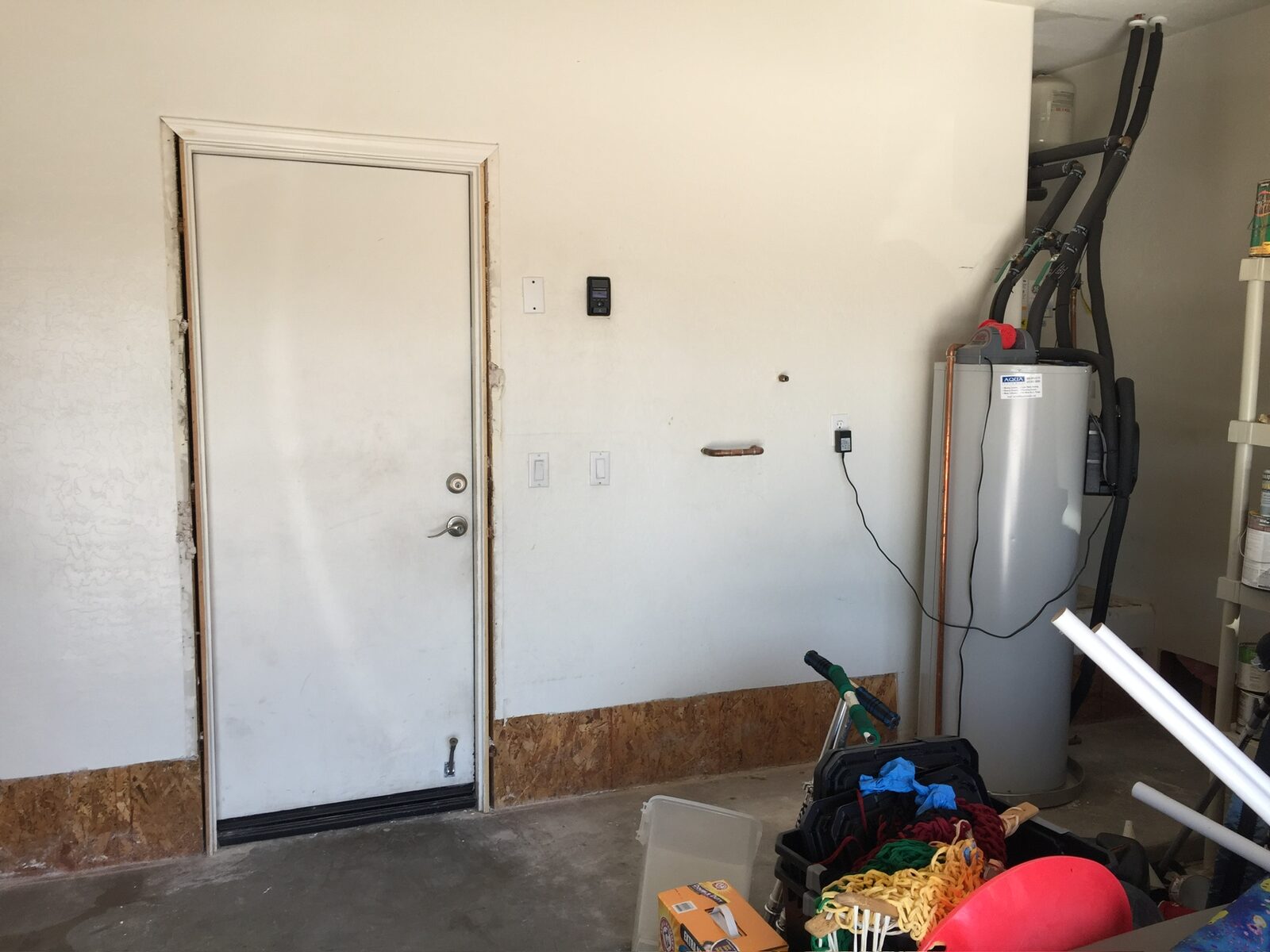
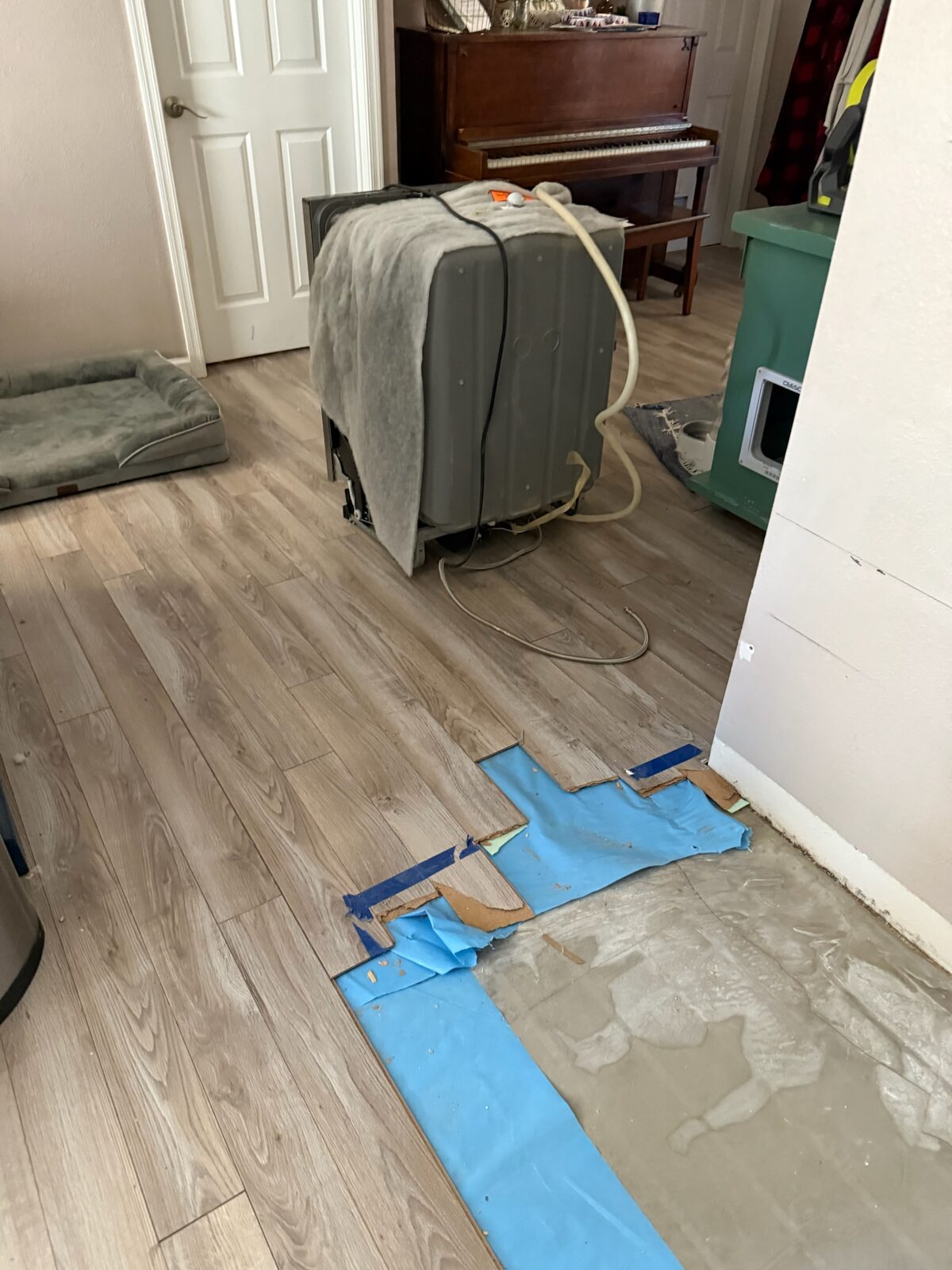
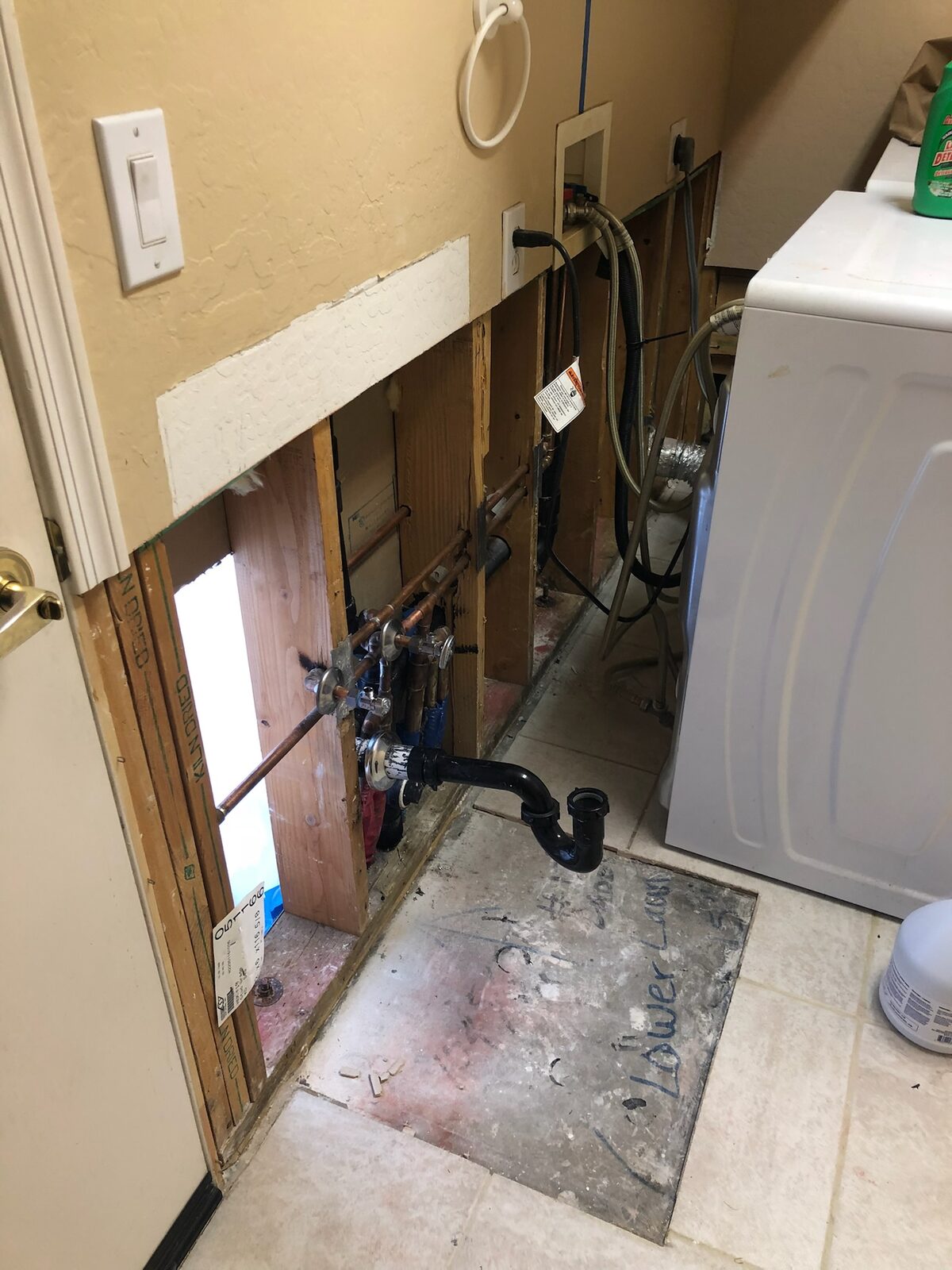
Residential reconstruction work by members of our team. See the full gallery →
More from Gold Water Fire
Abrasive Cleaning Methods for Soot on Framing and Masonry
A look at how abrasive cleaning methods remove soot from wood framing and masonry after a fire, and when each method fits the material.
AC Condensate Line Clogs & the Water Damage They Cause in Phoenix Homes
Why Phoenix AC condensate lines clog every summer, what the water damage looks like, and how to find the source before the ceiling stain spreads again.
Actual Cash Value vs Replacement Cost: Why Your Check Might Not Match the Repair Bill
Confused why your insurance check seems short after fire or water damage? Learn the difference between actual cash value and replacement cost coverage.
Not sure which category your floor falls into?
If you're still weighing repair against replacement, Gold Water Fire can look at the flooring and the subfloor underneath it and walk you through what's actually happening. Reach out at (480) 999-3339 or Help@goldwaterfire.com, or visit our <a href="/water-damage-restoration.html">water damage restoration</a> page to see how the assessment and drying process works.
Call (480) 999-3339Water Damage Restoration · Reconstruction & Rebuild · Contact Gold Water Fire · About Gold Water Fire