
Flash Flood Risk Across the Phoenix Metro and What It Means for a Home
If a monsoon storm rolled through and now you're noticing water where it shouldn't be, or you've just watched the wash near your house fill up faster than seems possible and you're wondering if your own property is next, that unease makes sense. Desert flooding doesn't look like flooding anywhere else, and that makes it harder to know what to trust when you're staring at a wet baseboard or a soaked patch of yard, trying to figure out if this is a one-time thing or the start of a pattern.
Flash Flood Risk Across the Phoenix Metro and What It Means for a Home
Why the desert floods differently
Phoenix metro soil is largely caliche, a hard, compacted layer that does not absorb water the way looser soil does. When a monsoon cell drops a large amount of rain in a short window, that water has almost nowhere to go. Instead of soaking in, it runs across the surface, picking up speed as it moves downhill toward washes, retention basins, and streets built to double as temporary channels. This is why a storm that lasts twenty minutes can produce standing water and moving currents that outlast the rain itself by hours.
The terrain most homeowners don't think about
The valley is not flat. Homes near the base of South Mountain, the McDowells, the White Tanks, or any of the smaller foothill areas sit downstream of a lot of undeveloped land that sheds water quickly during a storm. Even a home miles from a mountain can be in the path of a wash system that starts much higher up. Neighborhoods built in the last few decades often include engineered retention basins and stormwater channels specifically because the natural drainage could not handle new rooftops and pavement replacing open desert.
How flash flooding actually reaches a house
It rarely arrives as a dramatic wall of water. More often it shows up as water pooling against a foundation because grading slopes the wrong way, water backing up through a block wall gap, or a garage door that isn't a real seal against a few inches of street flow. Roof drainage matters too: scuppers and downspouts that dump water right next to the foundation instead of away from it can turn a normal roof draining into a slow foundation soak that shows up as damage days later.
Grading and slope
Water should move away from the foundation on all sides. Flat or reverse-sloped areas near the house are common entry points during heavy rain.
Wash proximity
Homes near a natural or engineered wash can see fast-rising water even when the storm itself has already passed through the area.
Block wall weep holes
Weep holes in perimeter walls are designed to let water pass through, but in a big enough event they can funnel more water toward a house than expected.
Signs a home has taken on more water than it looks like
Standing water in a yard usually gets noticed right away, but water that has actually reached a structure often shows up more quietly: a baseboard that feels soft, a slight musty smell in a closet on an exterior wall, carpet that stays damp longer than it should near a wall line, or a garage slab with a waterline stain a few inches up. None of these look urgent on their own, which is part of why they get missed until the smell or the staining spreads. Drywall wicks water upward from the bottom, so damage is often higher than the visible waterline suggests.
Why it's worth checking even after a small storm
A short, intense monsoon burst can push more water against a house in twenty minutes than a longer, gentler rain does over hours. Because the ground doesn't absorb it, the water has to go somewhere, and 'somewhere' is often the lowest point on or near a property. If your home sits at the base of a slope, near a wash, or in a neighborhood with retention basins that fill up during storms, it's worth walking the perimeter after any significant rain, not just the ones that made the news. Catching moisture early, before it sits inside wall cavities or under flooring, generally means a simpler path back to normal than waiting until it's visibly widespread.
If you're trying to figure out what you're looking at
Understanding water damage and mitigation in more detail can help you decide whether what you're seeing is a minor issue or something that needs a closer look. You can read more on water damage restoration for how professionals assess and dry out a structure, or visit contact if you want to talk through what you're seeing with someone local.
Questions people ask us
Does Phoenix really get flash flooding if it's a desert?
Yes. The hard, compacted soil across much of the valley does not absorb rain quickly, so intense monsoon storms produce fast surface runoff even though annual rainfall is low. Washes, streets, and retention basins are designed around this reality.
How do I know if my home is near a flood-prone wash?
Local floodplain maps maintained by county and city governments show mapped washes and flood zones. Homes built in the last few decades near foothill areas or established wash systems are the most likely to be near mapped flow paths.
Can flooding damage a home even if water never visibly entered it?
Yes. Water pooling against a foundation for an extended time can seep in slowly through small gaps, cracks, or block wall weep holes, sometimes showing up as a damp smell or soft baseboard well after the storm has passed.
What should I check after a heavy monsoon storm?
Walk the exterior perimeter for pooling or erosion near the foundation, check garage and exterior door thresholds, and look inside along exterior walls and closets for musty smells, discoloration, or soft flooring, especially at the lowest points of the home.
The standard our team works to
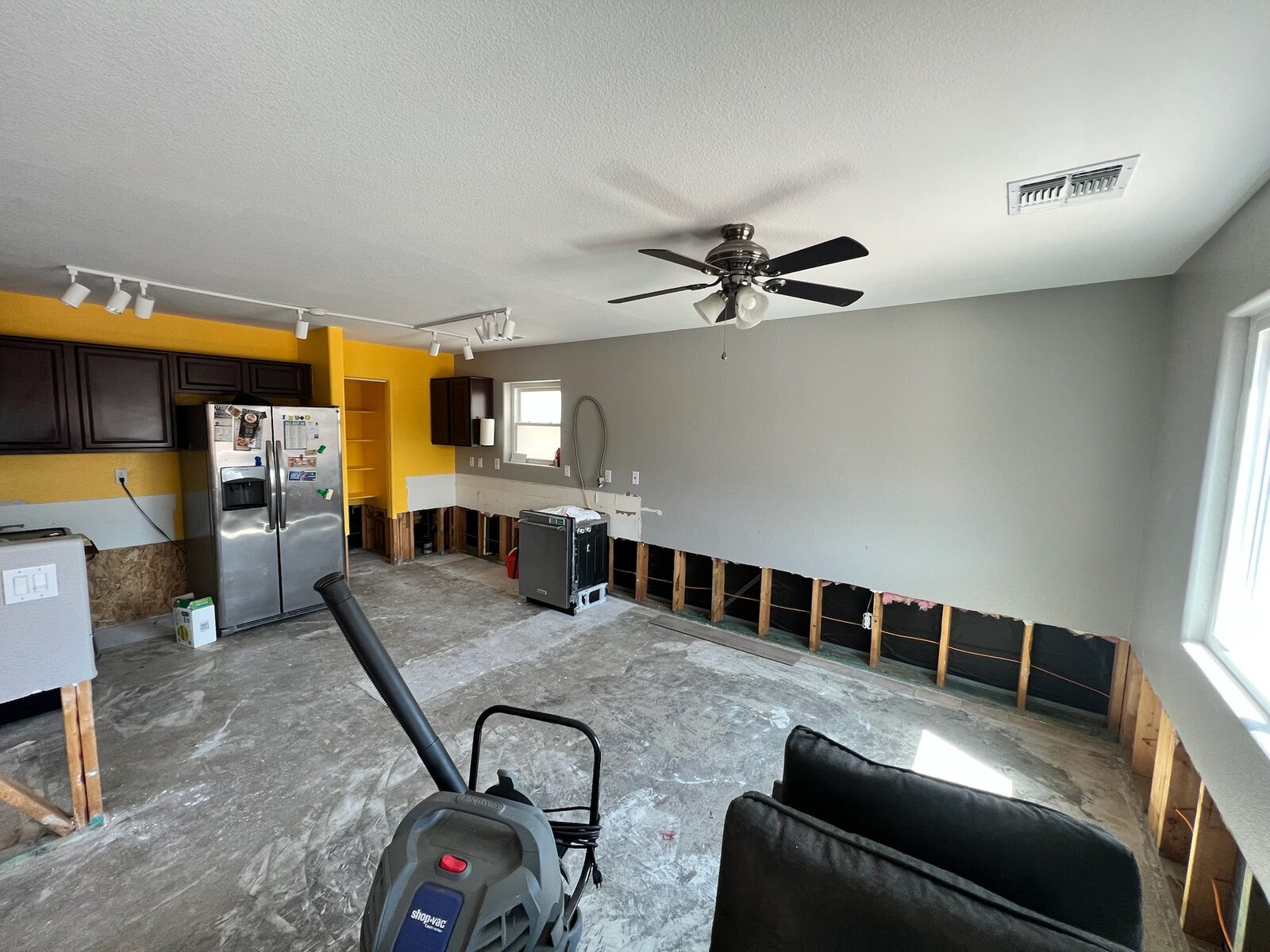
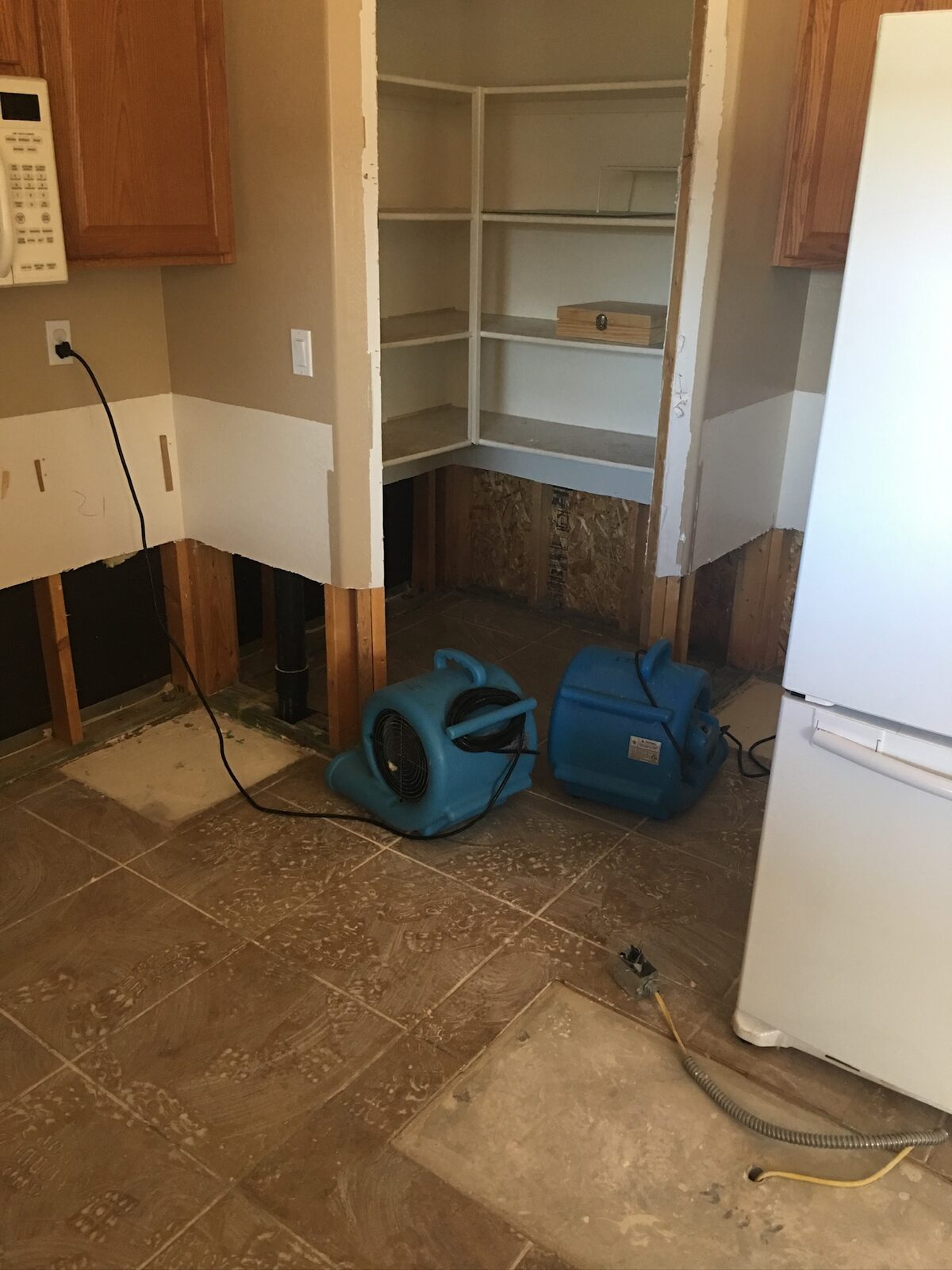
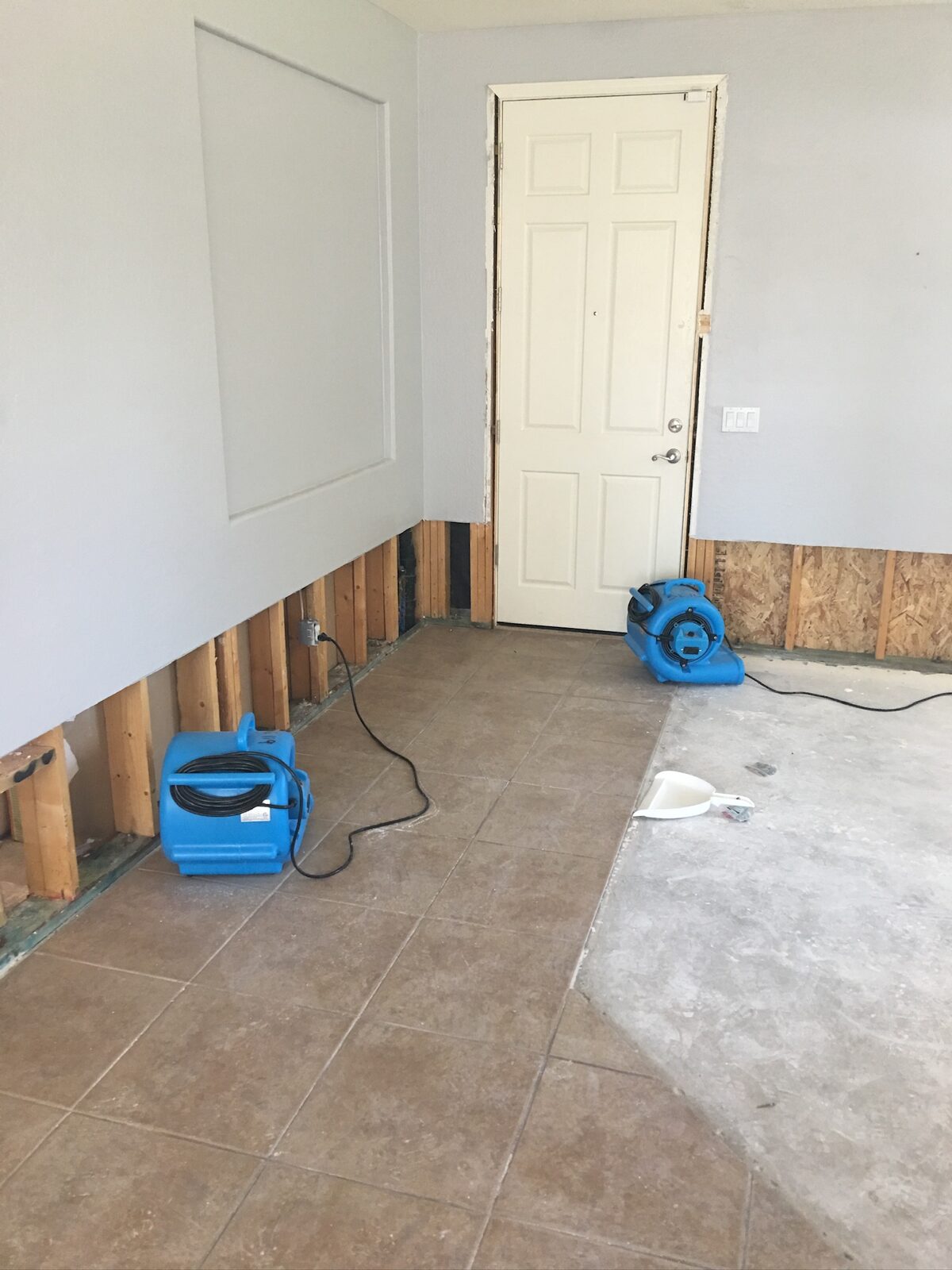
Residential reconstruction work by members of our team. See the full gallery →
More from Gold Water Fire
Abrasive Cleaning Methods for Soot on Framing and Masonry
A look at how abrasive cleaning methods remove soot from wood framing and masonry after a fire, and when each method fits the material.
AC Condensate Line Clogs & the Water Damage They Cause in Phoenix Homes
Why Phoenix AC condensate lines clog every summer, what the water damage looks like, and how to find the source before the ceiling stain spreads again.
Actual Cash Value vs Replacement Cost: Why Your Check Might Not Match the Repair Bill
Confused why your insurance check seems short after fire or water damage? Learn the difference between actual cash value and replacement cost coverage.
Noticing water where it shouldn't be?
If a recent storm has left you unsure whether your home took on more water than it looks like, reach out to Gold Water Fire at (480) 999-3339 or Help@goldwaterfire.com to talk through what you're seeing.
Call (480) 999-3339