
Fire Damage Restoration in Paradise Valley, Arizona
The fire is out, and now the house is quiet in a way it has never been. Somebody handed you a card, somebody else told you not to touch anything, and the smell has already worked its way into rooms the flames never reached. You have been making calls all day with a phone that keeps dying, trying to figure out what happens next and who is supposed to tell you. That is a lot to carry on the same day you lost part of your home.
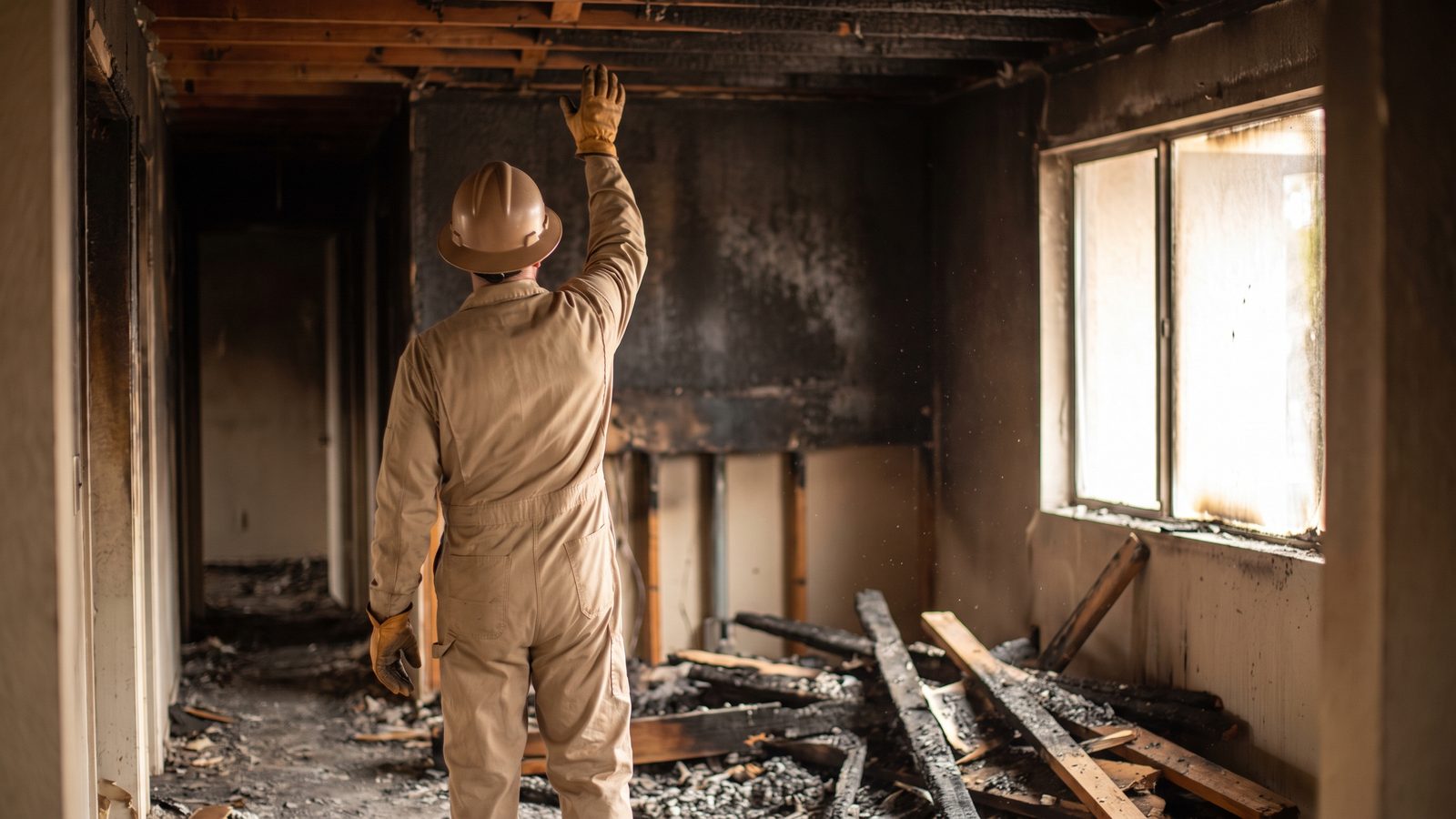
Fire Damage Restoration in Paradise Valley, Arizona
What fire damage looks like in a Paradise Valley home
Paradise Valley grew mostly in the 1950s through the 1970s, then filled in and rebuilt heavily from the 1990s on, so the town holds two very different kinds of houses side by side. The older ranch and territorial homes along the Camelback and Mummy Mountain foothills tend to have low-slope built-up roofs, exposed beam and tongue-and-groove ceilings, and original wood cabinetry, all of which absorb smoke instead of shedding it. Newer estate construction brings sprawling single-level footprints, open great rooms, and long returns in the HVAC system that carry soot from a kitchen or laundry fire into bedrooms at the far end of the house within minutes. A few things are common here specifically. Detached casitas, guest houses, and pool houses on larger lots mean fire crews may have run hose through a courtyard or breezeway, so water damage often shows up in a separate structure from the fire. Homes on the mountain slopes frequently have block or slump-block exterior walls with furred-out interior framing, which hides charring and moisture behind finished surfaces. And on properties with heavy desert landscaping, brush and palm fronds close to the house can carry flame to eaves and fascia before anyone sees smoke inside.
Seasonal risk in this part of the valley
Fire risk in Paradise Valley follows the desert calendar. Late spring through June is the dry, windy stretch when cured brush on the mountain preserves and along washes ignites easily, and embers travel toward roofs and eaves. Monsoon storms from July into September bring lightning and power surges, and the outages that follow send people to candles and generators. Rooftop and attic-mounted HVAC equipment runs hard from May through September, and failing capacitors, condensers, and dryer vents packed with lint are ordinary sources of attic and utility-room fires. Then the cooler months bring fireplaces and outdoor fire features back into use after months of sitting idle, along with holiday cooking, which is consistently the most common cause of house fires nationwide. The dry air here also changes how smoke behaves. Low humidity and high temperatures push soot deeper into porous materials, and acidic residue starts etching glass, mirrors, marble, chrome fixtures, and appliance finishes quickly. That is why the cleaning order matters as much as the cleaning itself.
How the work actually goes
General restoration practice follows a sequence, and knowing it helps you tell whether things are moving. First the structure is secured: board-up, roof tarping, and a check for hazards, because an open roof in monsoon season turns a fire loss into a water loss overnight. Next comes water extraction and drying, since suppression water is almost always part of a fire claim. Then demolition of unsalvageable materials, followed by soot and residue cleaning on everything that stays, using different methods for different surfaces (dry sponging for flat paint, wet cleaning for sealed surfaces, abrasive or media work for charred framing). Odor is its own phase. Smoke odor lives in insulation, carpet pad, ductwork, drywall paper, and the underside of subfloor, so it is treated by removing what holds it, sealing what stays, cleaning the HVAC system, and using air scrubbing and thermal or hydroxyl treatment where appropriate. Fragrance that covers odor is not the same as removing it. Only after the structure is dry, clean, and odor-free does rebuilding start. You can read more about how we handle each stage on our fire damage restoration page, and about the water side on our water damage restoration page.
Contents and personal property
Salvageable items are inventoried, cleaned, and stored while the structure is worked on. Non-salvageable items are documented for the claim rather than quietly thrown out.
Documentation for your insurer
Photos, moisture readings, and scope notes are recorded as work proceeds, which is what adjusters ask for later when a line item is questioned.
Rebuild under one roof
Drywall, paint, cabinetry, flooring, and trim are handled by our own construction side, so the job does not stall between the cleanup crew and a separate contractor. See reconstruction and rebuild.
Why handing this off is a reasonable thing to do
You already know your house. What you do not know, and would have no reason to know, is which of these materials can be cleaned and which have to come out, what the insurer needs written down on day two so it is not disputed in week six, or how far the smoke traveled through your return ducts. Those are the parts people lose money and months on when they try to manage a fire loss between work and family. Gold Water Fire is licensed in Arizona under AZ ROC #264344, KB-2, and works across the Phoenix metro area, from Peoria in the northwest to Avondale in the southeast and out to San Tan Valley and Apache Junction. Co-founders Jim Bennett and Jake Taylor run the company, Brandon Gurr manages the construction side and leads the rebuild work, Johnny leads the reconstruction crew, Brooke handles water and mitigation scheduling, and Kristine keeps the office and paperwork moving. When you call, you are talking to the people who will actually be on your job. You can meet the team on our about page, or reach us through contact.
Questions people ask us
Should I go back in to get things out of the house?
Wait until the fire department or an inspector clears the structure. Beyond structural risk, soot is acidic and irritating, and walking through it grinds residue into carpet and upholstery that could otherwise be cleaned. Tell us what matters most to you and where it is, and it gets prioritized in the contents work.
The fire was small. Why does the smell reach the whole house?
Smoke follows air pressure and airflow, not the flames. It moves through door gaps, wall cavities, and the HVAC return, and it settles on cooler surfaces far from the origin. That is why a contained kitchen or laundry fire can leave odor in closets and bedrooms across the house, and why duct cleaning and sealing are part of the work.
Do you handle the rebuild, or just the cleanup?
Both. After the structure is dry, cleaned, and deodorized, our construction side rebuilds it: framing, drywall, paint, cabinetry, flooring, and trim. Keeping mitigation and reconstruction with one company means the scope does not get re-argued when the rebuild starts.
Do you work in Paradise Valley and the surrounding towns?
Yes. We serve the full Phoenix metro area, including Paradise Valley, Scottsdale, Phoenix, Fountain Hills, Cave Creek, Tempe, Mesa, and Chandler, out as far as Peoria, Avondale, Queen Creek, San Tan Valley, and Apache Junction.
The standard our team works to
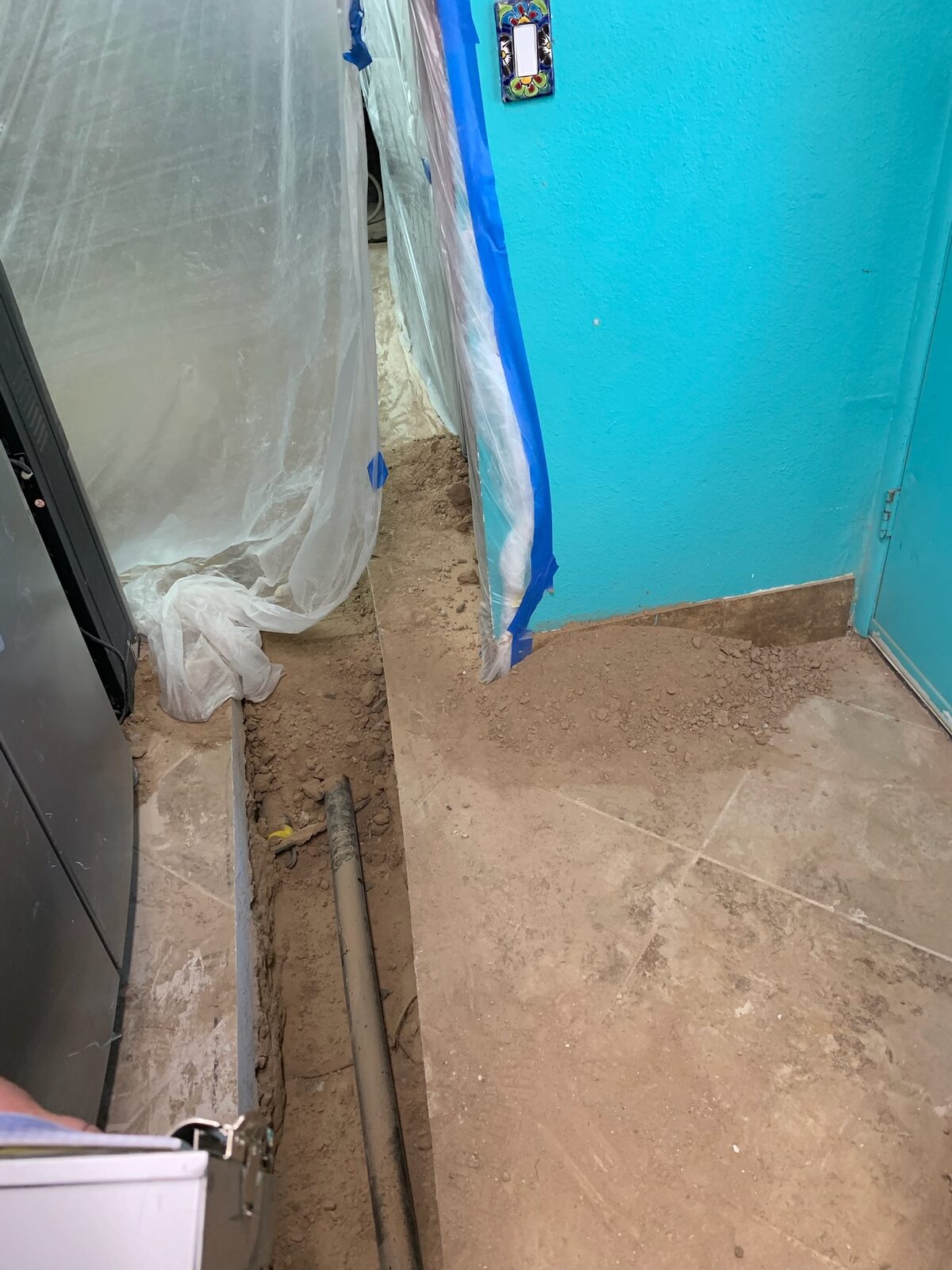
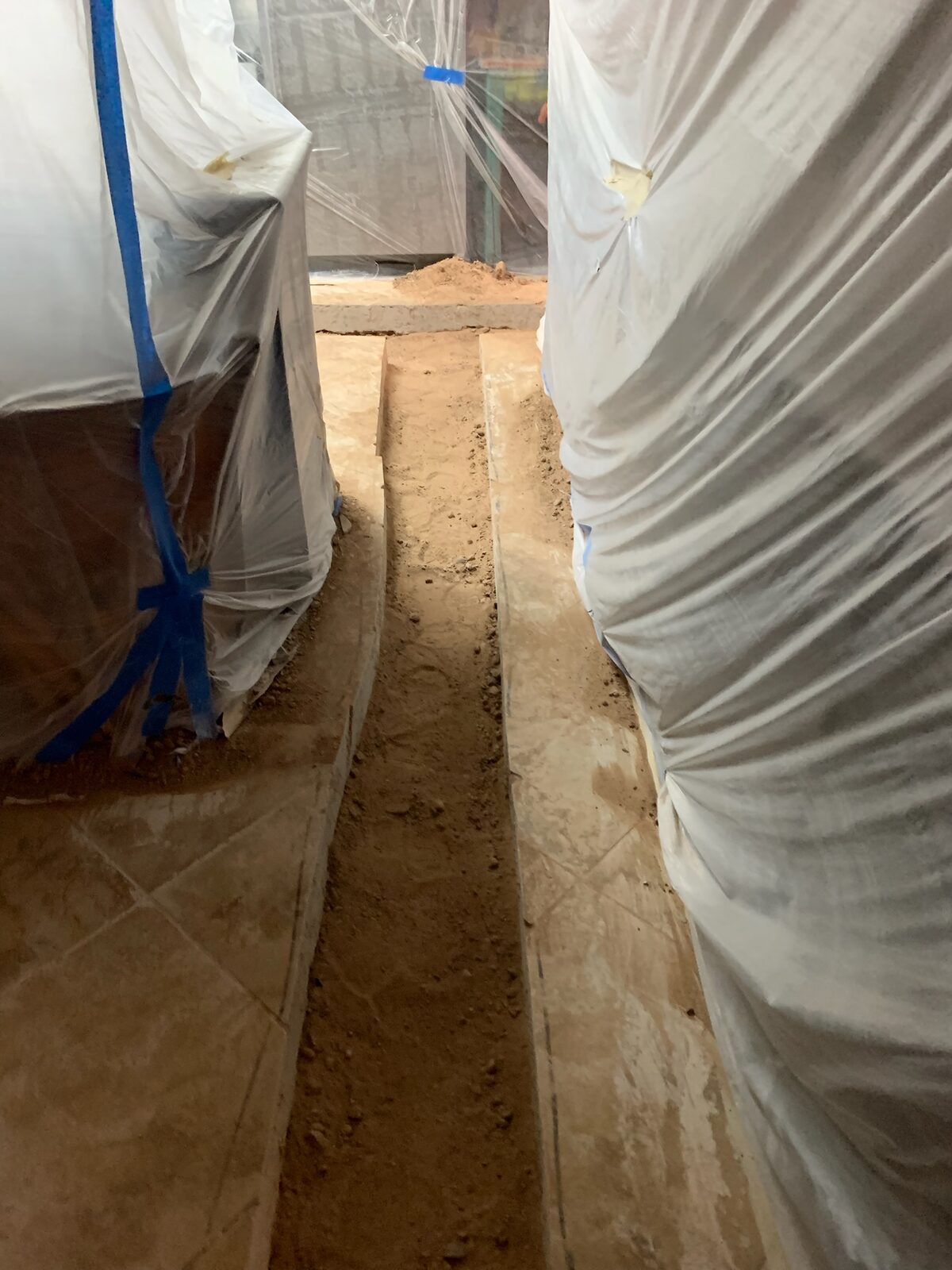
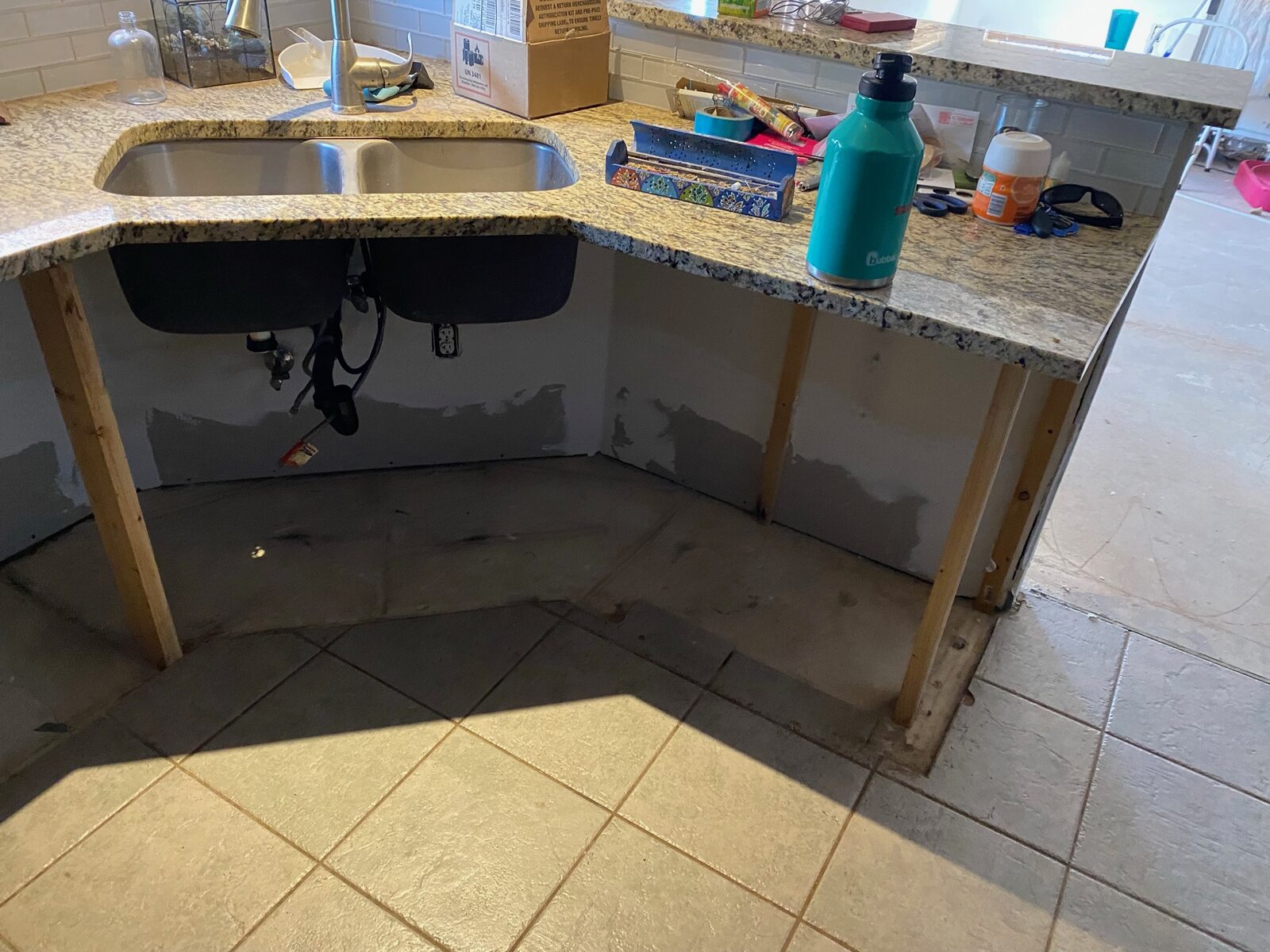
Residential reconstruction work by members of our team. See the full gallery →
More from Gold Water Fire
Fire Damage Restoration in Apache Junction, AZ
Fire and smoke damage restoration for Apache Junction homes, from board-up and soot cleanup through rebuild. Gold Water Fire, AZ ROC #264344. Call (480) 999-3339.
Reconstruction & Rebuild in Apache Junction, AZ
Rebuilding a damaged Apache Junction home after water or fire: framing, drywall, stucco, cabinets and flooring put back by Gold Water Fire. Call (480) 999-3339.
Water Damage Restoration in Apache Junction, AZ
Water damage restoration for Apache Junction homes, from slab leaks and monsoon flooding to failed water heaters. Call Gold Water Fire at (480) 999-3339.
Let someone else carry the next part
Call Gold Water Fire at (480) 999-3339 or email Help@goldwaterfire.com. Tell us the address and what happened, and we will walk you through what needs to happen first, what can wait, and what we can take off your hands today. Our office is at 221 E Willis Rd Ste 8, Chandler, AZ 85286.
Call (480) 999-3339