
Skylight Leaks: How to Tell the Flashing Failed Before the Ceiling Stains Spread
A faint discoloration near the skylight, gone in a week, back again after the next storm. It's easy to tell yourself it's nothing, or that it's already been dealt with. But when the same spot keeps showing up, or a new one appears a few feet away, it usually means something behind the drywall hasn't actually been fixed. That uncertainty, not knowing if it's a small thing or the start of a bigger problem, is often the hardest part.

Skylight Leaks: How to Tell the Flashing Failed Before the Ceiling Stains Spread
Why skylight flashing fails in the first place
Flashing is the metal or rubber barrier installed around the skylight frame to direct water away from the seam where the roof and the skylight meet. It's a good system when it's intact, but it's also the first thing to degrade. Arizona's heat cycles cause roofing materials to expand and contract every single day, and over years that movement works screws loose, cracks sealant, and warps thin metal edges. Dust and monsoon debris can also work into small gaps, holding moisture against the flashing longer than a dry, well-drained edge ever would. Once a gap opens, even a small one, wind-driven rain during a monsoon storm can push water sideways into it, past the flashing and into the roof deck.
Signs the flashing has failed, not just the skylight glass
Homeowners often assume a leak means the skylight itself is cracked or the seal around the glass gave out. That does happen, but flashing failure is more common and shows up differently. Look for a stain that starts at one corner of the skylight opening rather than spreading evenly around the whole frame. Water tracking from a specific corner usually means it's entering at a flashing seam, not through the glazing. Rust streaks on the interior frame, a slightly spongy feel in the drywall a foot or more away from the skylight, or a stain that appears only after wind-driven rain (rather than every time it rains) are also flashing tells. Straight-down leaks that show up in any rain, light or heavy, more often point to the seal around the glass itself.
What the ceiling is telling you before it stains
Staining is a late sign. Before drywall visibly discolors, water often travels along a joist or the top plate of a wall, so the first physical evidence can be a soft spot in texture, a faint musty smell in the room, or a slight bubble in paint that hasn't yet turned brown. If you can access the attic space near the skylight, a flashlight check for dark streaking on the wood, or a chalky white mineral trail on framing, can catch a leak weeks before it reaches a point where you'd notice it from inside the room. Catching it at this stage matters because water that travels along framing before it stains can spread much further than the visible mark suggests, meaning the repair area is often larger than the stain implies.
When it's more than a caulk fix
A small, fresh gap in sealant around visible flashing edges is sometimes a simple maintenance fix. But if water has already reached the drywall, insulation above the ceiling has likely absorbed moisture too, and insulation that's been wet doesn't fully dry out or return to its original performance once it's saturated. If the stain has come back more than once, if it's grown between rain events, or if you can see daylight or feel airflow around the skylight frame from inside, the flashing likely needs to be reinstalled rather than resealed. At that point it becomes a roofing and interior repair question at the same time, which is worth understanding clearly before deciding on a fix. For homes already showing interior water damage, our water damage restoration page walks through what a proper drying and repair process involves, and our reconstruction page covers what's involved when drywall, framing, or insulation need to be replaced rather than just dried.
Questions people ask us
Can a skylight leak just from one direction of wind?
Yes. A flashing gap that's small and located on the side away from prevailing wind may never leak in a light rain, but a monsoon storm pushing rain sideways from an unusual direction can force water into that same gap. This is why a leak that seems random or occasional often still traces back to a specific flashing weak point.
Why does the stain keep coming back after I've painted over it?
Paint covers a stain but doesn't stop water from entering. If the underlying flashing issue wasn't corrected, the same path lets water back in during the next rain, and the stain reappears, often slightly larger, because the drywall and insulation behind it hold on to some moisture between events.
Is it normal for skylight leaks to take years to show up as a stain?
It's common. A slow, small gap in flashing can let in a small amount of water only during specific storm conditions, and it may take a long time for enough moisture to accumulate and travel to a point where it's visible on the ceiling. That's part of why the first visible stain is often not the first leak.
Should I check the attic myself or call someone?
If you can safely access the attic space and see the area near the skylight, a visual check with a flashlight is reasonable and can tell you a lot before you call anyone. Once you're dealing with wet insulation, soft framing, or a leak that's already reached the ceiling, it's worth having it assessed properly rather than guessing at the extent of it.
The standard our team works to
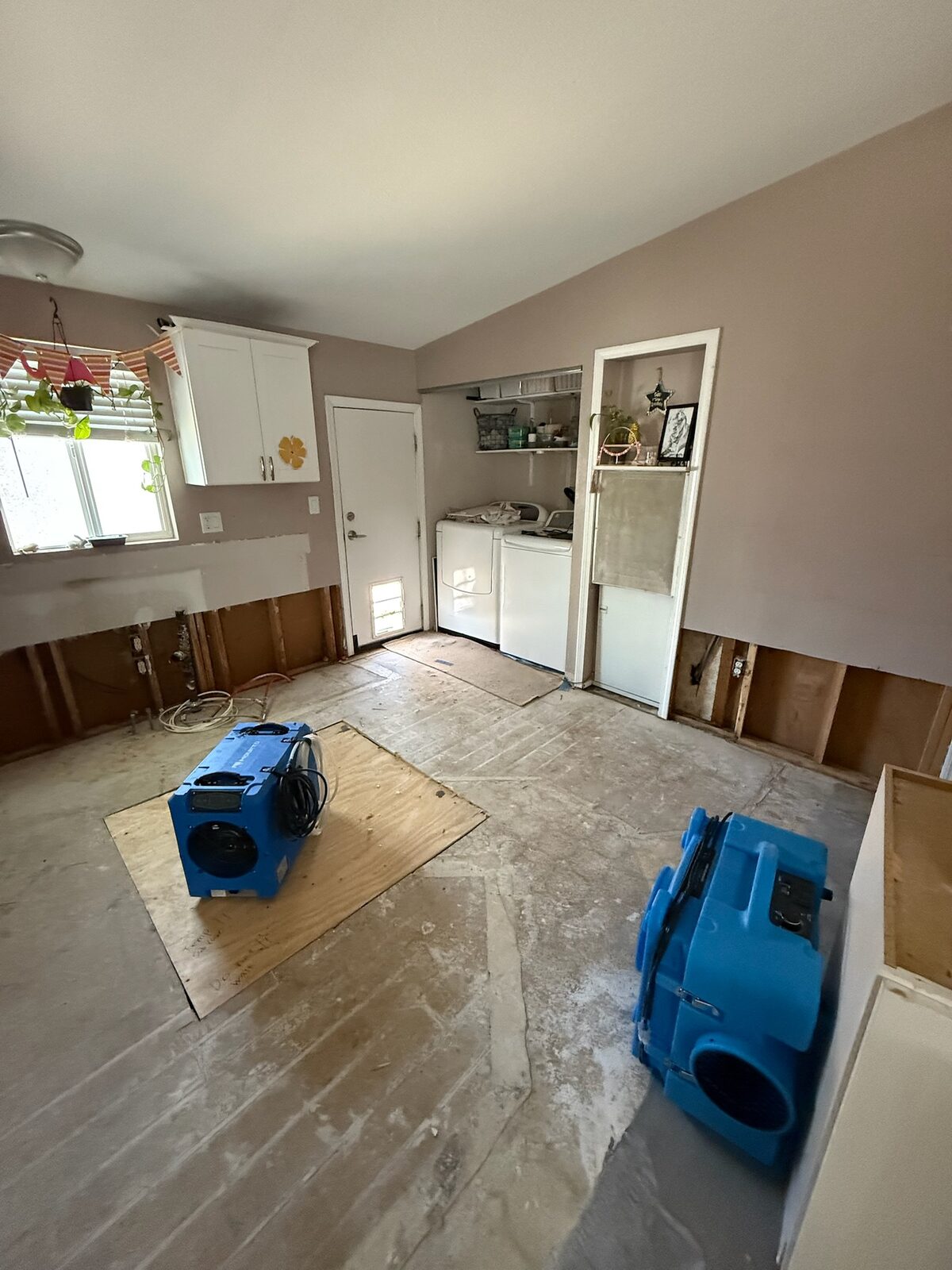
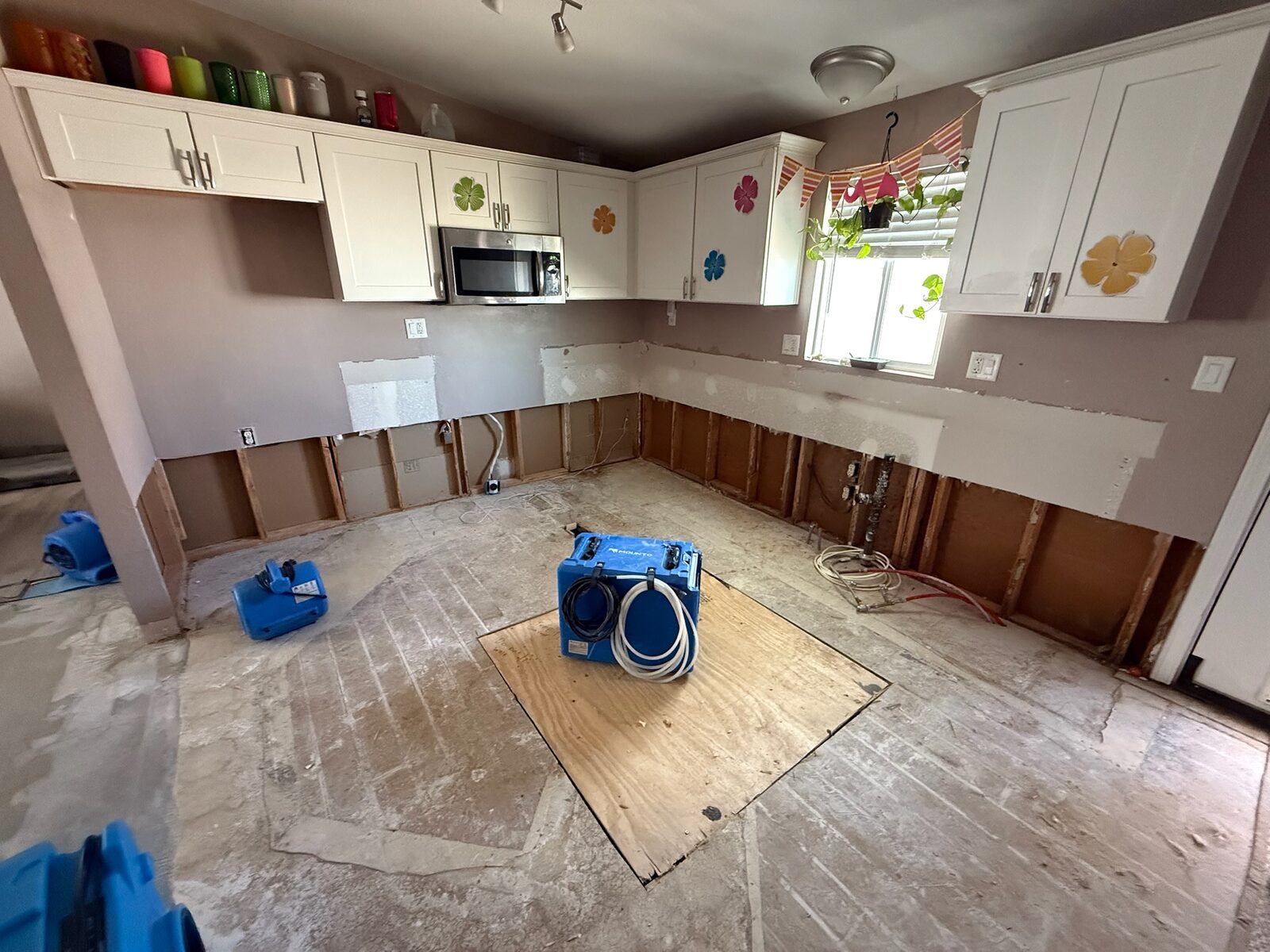
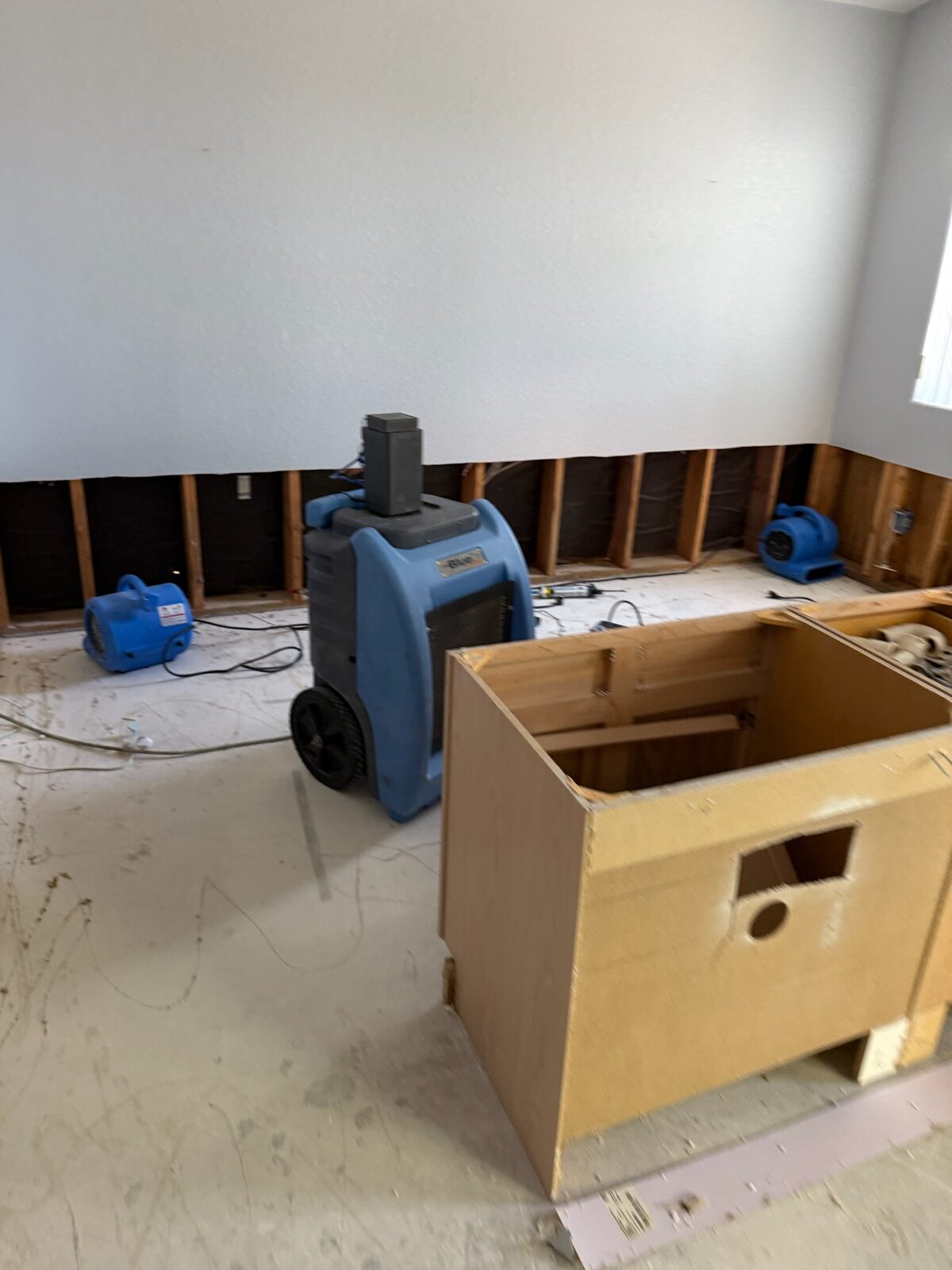
Residential reconstruction work by members of our team. See the full gallery →
More from Gold Water Fire
Abrasive Cleaning Methods for Soot on Framing and Masonry
A look at how abrasive cleaning methods remove soot from wood framing and masonry after a fire, and when each method fits the material.
AC Condensate Line Clogs & the Water Damage They Cause in Phoenix Homes
Why Phoenix AC condensate lines clog every summer, what the water damage looks like, and how to find the source before the ceiling stain spreads again.
Actual Cash Value vs Replacement Cost: Why Your Check Might Not Match the Repair Bill
Confused why your insurance check seems short after fire or water damage? Learn the difference between actual cash value and replacement cost coverage.
Seeing a stain that keeps coming back?
If a skylight leak has already reached your ceiling or insulation, it helps to have it looked at before deciding whether it's a repair or a bigger fix. Contact Gold Water Fire to talk through what you're seeing.
Call (480) 999-3339Water Damage Restoration · Reconstruction & Rebuild · Contact Gold Water Fire