
DIY Water Extraction and Where It Stops Being Enough
You're standing in it, literally, trying to figure out if this is a shop vac and towels situation or something bigger than that. Maybe a supply line burst overnight, or a water heater finally gave out, or a storm pushed water in under a door. You've already started pulling up what you can, and now you're trying to decide whether to keep going yourself or stop and call someone. That's not an easy call to make when you're tired, worried about cost, and not totally sure what's happening behind the walls or under the floor you're standing on.
DIY Water Extraction and Where It Stops Being Enough
What a wet-vac and a few fans can actually handle
Surface water on hard flooring, caught early, is the situation DIY tools are built for. A shop vac rated for wet pickup, a mop, and a couple of box fans can clear standing water off tile, sealed concrete, or laminate if you get to it within the first few hours and the volume is small, think a leaking dishwasher or an overflowed sink, not a burst pipe. Open windows and run fans across the wet area to speed evaporation, and pull up any area rugs immediately since fabric holds water and starts transferring it back into the floor underneath. If the water source was clean (a supply line, not a drain or outside flooding), and you dry the surface within a day, this kind of job often stays exactly what it looks like: a mess, not a disaster.
Where the math stops working in your favor
The problem is that water doesn't stay where you can see it. It wicks into baseboards, drops through subfloor seams, and settles into wall cavities within the first couple of hours, well before carpet even feels dry to the touch. A household wet-vac has no way to reach water that's already under vinyl plank flooring or soaked into drywall from the inside. Carpet padding is another blind spot: it can hold water long after the carpet surface feels dry, and if it's not extracted (not just surface-dried) it becomes a slow, hidden source of moisture for days. If the water sat for more than 24 to 48 hours before you started, or if it came from a source you wouldn't want touching your skin (a sewage backup, floodwater, or anything from outside), the job has moved past what home tools and effort can safely finish.
The signs that mean it's bigger than what you can see
A few specific things tell you the water has gotten ahead of you. Baseboards that feel soft or are separating from the wall. Flooring that has a give or bounce to it that wasn't there before. A musty smell that shows up 24 to 48 hours after the water event, which usually means moisture is sitting somewhere you can't reach with a fan. Discoloration on drywall a few inches above the floor line, which suggests water has wicked up inside the wall itself. Any of these mean the visible cleanup is done but the actual drying job hasn't started, because the moisture that matters now is inside materials, not on top of them.
Still likely DIY
Small, clean-water spill on hard flooring, caught within a few hours, fully dried within a day, no odor or softness afterward.
Time to get it checked
Water sat overnight or longer, carpet or padding was involved, or you notice smell, softness, or discoloration after your own drying attempt.
Why moisture readings matter more than how things look
The core issue with judging a water job by eye is that drywall, subfloor, and framing can look completely normal while holding enough moisture to grow mold within 24 to 72 hours. Professional water extraction relies on moisture meters and thermal imaging to find water inside walls and under flooring that no amount of looking or touching will reveal. That's the real dividing line between a DIY job and a professional one: it's not about who has a bigger vacuum, it's about being able to confirm that the materials are actually dry, not just dry-looking. Our water damage restoration process is built around that confirmation step, because guessing is how small water events turn into mold problems weeks later.
If the damage came with fire, or if walls need to come out
Sometimes water damage shows up alongside other problems, a fire suppression event that left both smoke and water damage, or a leak that's gone on long enough that soaked drywall and flooring need to be removed and replaced rather than just dried. If that's where you are, it helps to know those situations are handled differently from a standard extraction. See our pages on fire damage restoration and reconstruction and rebuild for what those processes involve.
Questions people ask us
How long can water sit before it's too late to dry it out myself?
Somewhere around 24 to 48 hours is the general point where surface drying stops being enough, because by then moisture has usually moved into subfloor, baseboards, or wall cavities where household tools can't reach it.
My carpet feels dry on top, is that enough?
Not necessarily. Carpet padding underneath can hold water long after the surface feels dry, and that trapped moisture is a common source of odor and mold days later if it isn't extracted rather than just surface-dried.
Does it matter what kind of water it was?
Yes. Clean water from a supply line is a very different situation from water that came from a drain, appliance backup, or outside flooding, which can carry contaminants that make DIY handling unsafe regardless of volume.
What's the actual difference between a shop vac and professional extraction equipment?
It's less about suction power and more about what the process confirms. Professional extraction pairs equipment with moisture meters and thermal imaging to verify that materials inside walls and under floors are actually dry, not just that the surface looks dry.
The standard our team works to
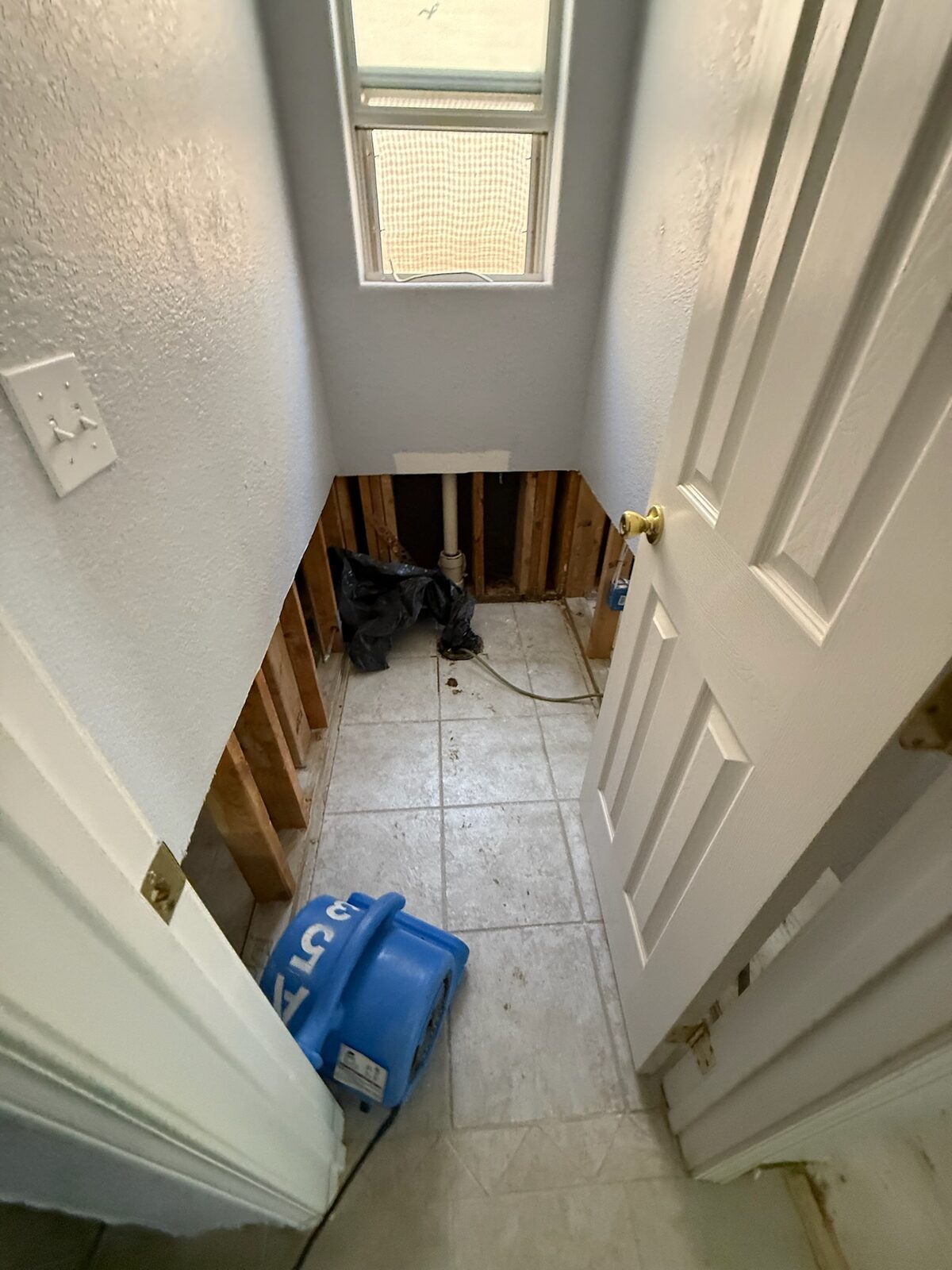
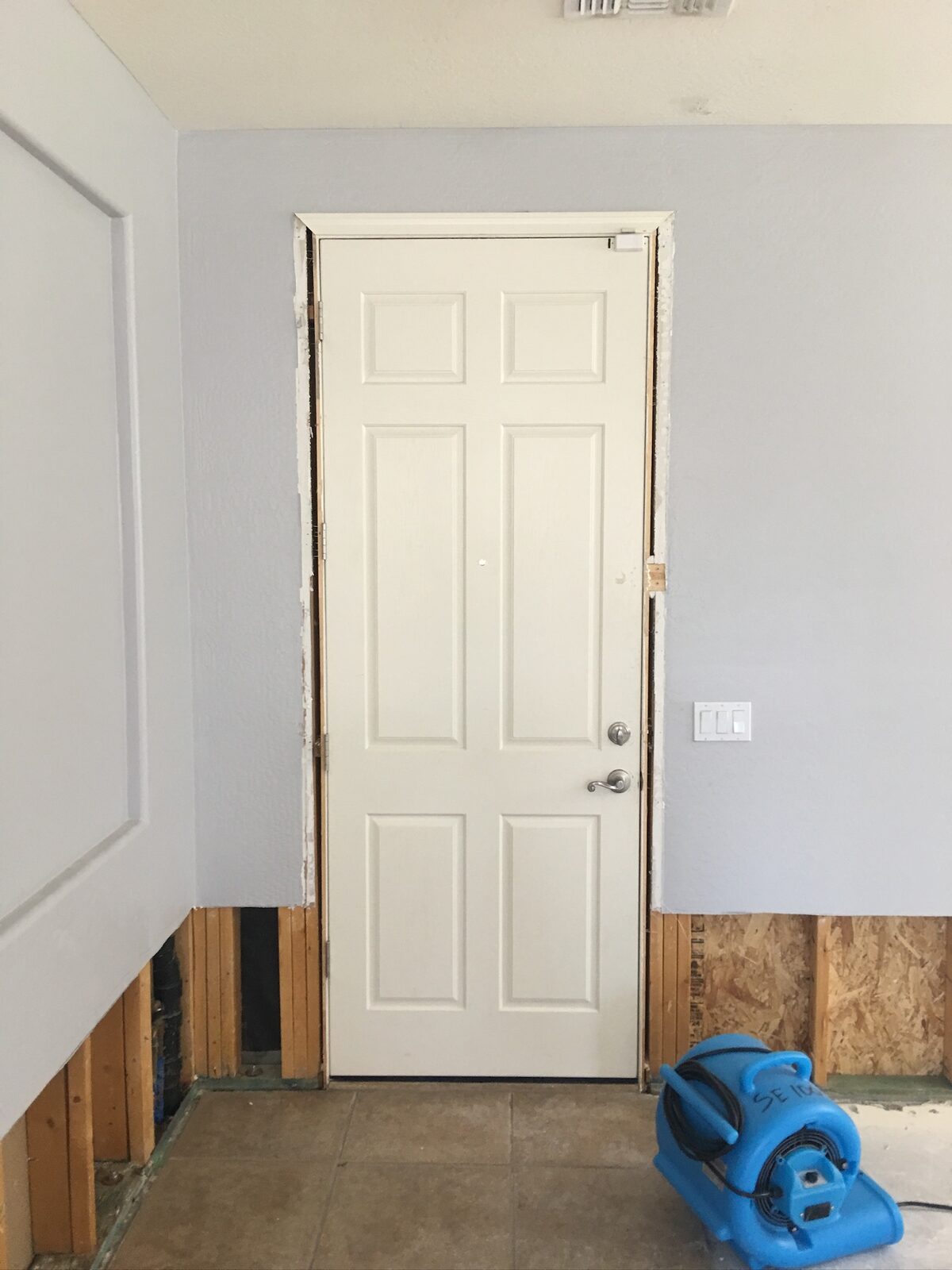
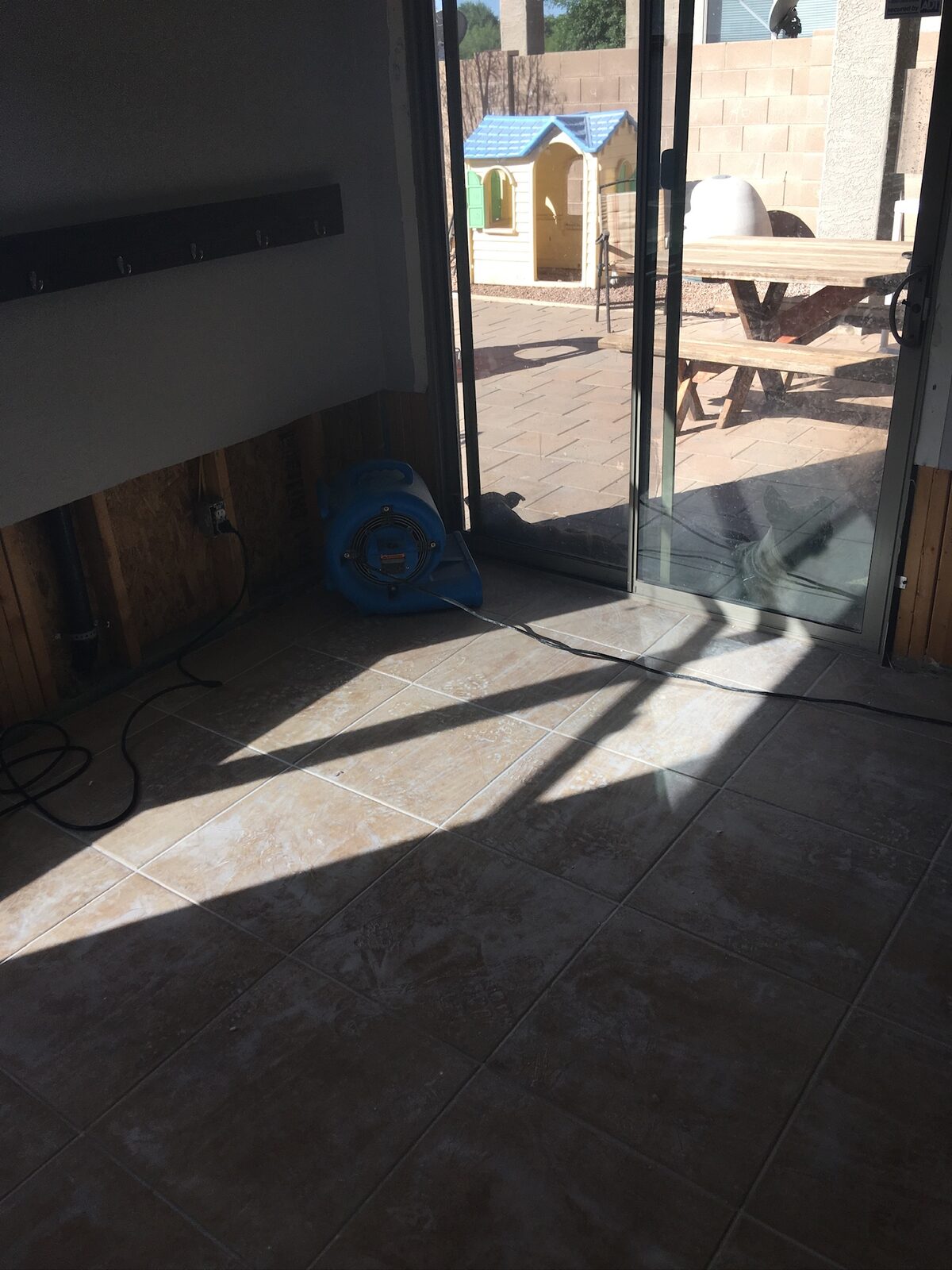
Residential reconstruction work by members of our team. See the full gallery →
More from Gold Water Fire
Abrasive Cleaning Methods for Soot on Framing and Masonry
A look at how abrasive cleaning methods remove soot from wood framing and masonry after a fire, and when each method fits the material.
AC Condensate Line Clogs & the Water Damage They Cause in Phoenix Homes
Why Phoenix AC condensate lines clog every summer, what the water damage looks like, and how to find the source before the ceiling stain spreads again.
Actual Cash Value vs Replacement Cost: Why Your Check Might Not Match the Repair Bill
Confused why your insurance check seems short after fire or water damage? Learn the difference between actual cash value and replacement cost coverage.
Not sure which side of the line you're on?
If you're dealing with water that's already sat for a while, came from a questionable source, or left a smell behind, call Gold Water Fire at (480) 999-3339 or reach us through our contact page. We serve the Phoenix metro area and can help you figure out what's actually going on before it turns into a bigger problem.
Call (480) 999-3339