
Patio Misting Systems and Water Intrusion at the Roofline
You noticed a stain on the ceiling near the patio, or a soft spot in the drywall by the fascia, and you're not sure where it's coming from. The misting system has been running fine for years. Nothing looks obviously broken. That gap between "everything seems normal" and "there's clearly water somewhere it shouldn't be" is an uncomfortable place to sit, especially in a Phoenix summer when the misters are the one thing keeping the patio usable and you don't want to shut them off to find out.
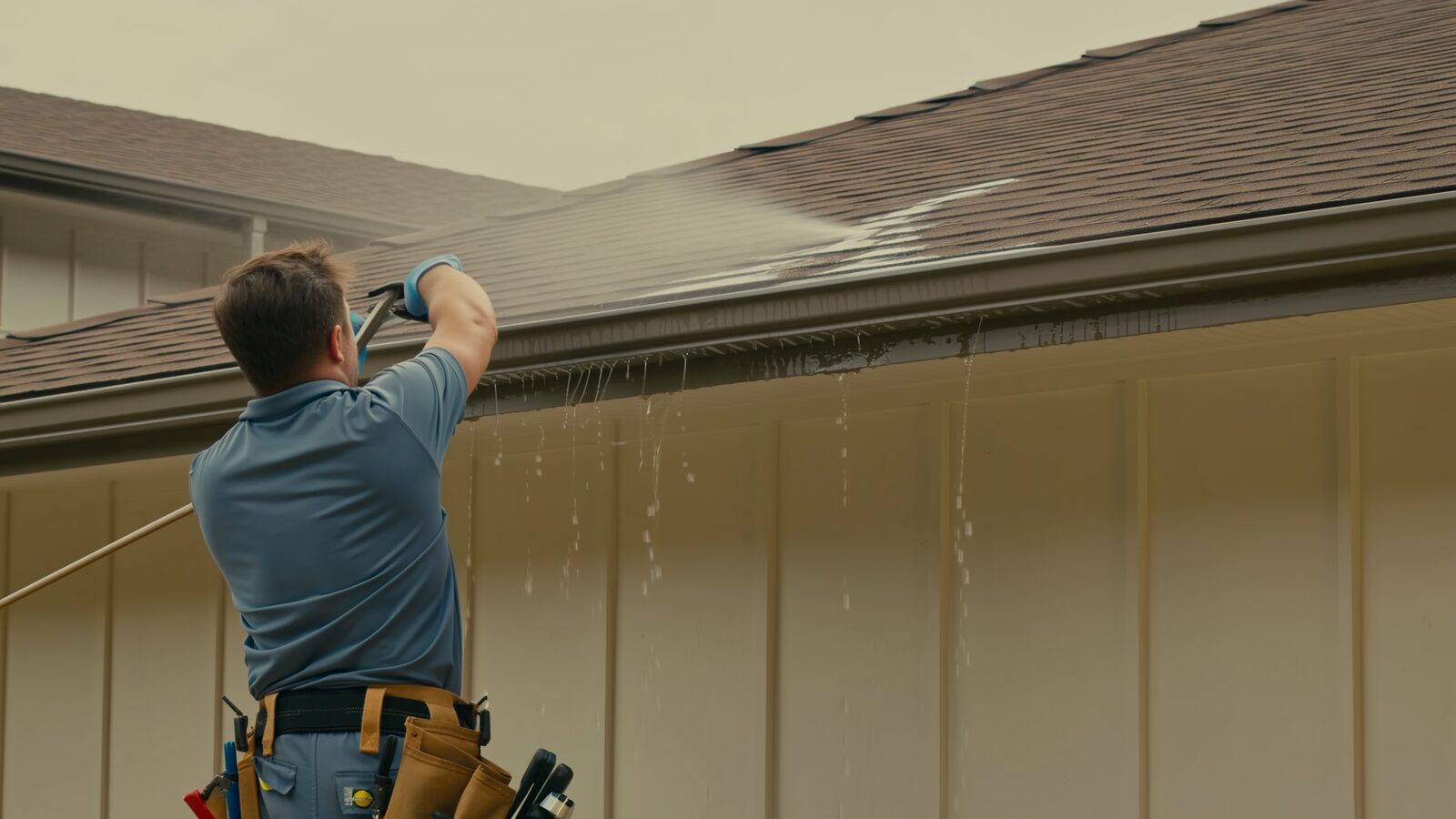
Patio Misting Systems and Water Intrusion at the Roofline
Why misting systems and roofline damage go together so often
Patio misting systems are usually mounted along the eave or fascia board because that's the most convenient run for the tubing and nozzles. That same eave and fascia line is also one of the most common places for a roof to leak, since it's where roofing material, gutters, and the wall framing all meet. Once a misting line is fastened into or near that area, every mounting bracket, screw hole, or drilled penetration is a potential entry point for water, even if the system itself never leaks a drop. Mist drift, wind-blown moisture, and small drips from fittings can also sit against wood fascia and stucco for hours at a time during peak summer use, which is a very different exposure than normal rainfall.
How the water actually gets in
A few patterns show up again and again. Mounting screws drilled through fascia or soffit without proper sealant create a direct path along the screw shaft into the wall cavity. High pressure or misaligned nozzles can spray directly onto stucco or eave wood rather than into open air, saturating the surface every time the system runs. Tubing that sags or rubs against a roof edge can wear through a shingle or roofing membrane over time. And where a bracket has pulled slightly loose from years of thermal expansion and contraction, the original seal (if there was one) is often long gone, leaving an open gap that only gets exposed when it's wet.
What this often looks like before anyone realizes it's serious
Because the water source is a misting system running in short daily bursts rather than a storm, damage from this pattern tends to be slow and cumulative rather than sudden. Common early signs include a discolored or bowed section of fascia board, small brown or yellow stains on the ceiling directly under a patio eave, peeling paint on an exterior wall near the mounting hardware, or a musty smell in a nearby closet or attic space that doesn't have an obvious cause. Because misting season overlaps with the hottest months, homeowners often assume ceiling stains are condensation from an AC unit rather than roofline intrusion, and the water intrusion keeps happening for one or more summers before anyone traces it back to the misting line.
Why this kind of leak is easy to underestimate
A misting system leak rarely announces itself with a sudden flood. It's a small amount of water, in the same spot, over and over, for months at a time. That pattern is exactly what allows wood rot, mold growth, and insulation damage to take hold inside a wall or attic cavity long before it becomes visible from either side. By the time a stain shows up on the ceiling, the water has often already been traveling along a rafter or wall stud for a while, which means the visible damage is usually smaller than what's actually happened behind it. This is also why patching the visible stain or recaulking the bracket, without opening up the area to check framing and insulation, so often turns into the same stain reappearing a season later.
What to check before assuming it's fixed
If you've found a leak point and sealed it, or had a misting company come out to re-tighten a bracket, it's worth checking a few things before considering it resolved: whether the fascia or soffit wood feels soft or spongy anywhere along the run, whether there's any give in the drywall or ceiling texture near the affected area, whether an attic inspection (if accessible) shows staining on the underside of the roof decking or insulation, and whether a musty smell persists after the area has had time to dry. None of these are things a homeowner needs specialized equipment to notice, they just require actually looking rather than assuming the visible fix solved the underlying path the water was taking.
When it's more than a caulk job
Sealing a mounting bracket or replacing a section of tubing addresses the future path of water, not the water damage that may have already occurred. If framing, insulation, or drywall has been wet repeatedly over time, drying it out and assessing what needs to be replaced is a separate step from stopping the leak itself. Water Damage Restoration covers that assessment and drying process, and where wood framing, fascia, or roof structure needs to be rebuilt rather than repaired, that falls under Reconstruction & Rebuild. If you're not sure which category your situation falls into, reaching out to talk through what you're seeing is a reasonable first step before deciding what kind of work is needed.
Questions people ask us
Can a misting system cause damage even if it never visibly leaks?
Yes. Mounting hardware drilled into fascia or roofing material can create an entry point for water even when the misting tubing and nozzles themselves are working correctly. The damage often comes from the installation method, not a malfunction in the system.
Why does the stain seem to show up every summer in the same spot?
Misting systems typically run heavily during the hottest months, so if there's a compromised seal or fitting along the roofline, that's also when the exposure is highest. A recurring seasonal stain in the same location is a strong sign the underlying path was never fully addressed.
Is it enough to just reseal the bracket where the leak is coming from?
Resealing stops new water from getting in, but it doesn't address any wood, drywall, or insulation that has already absorbed water over time. Those materials need to be checked and dried or replaced separately from fixing the leak point itself.
How can I tell if the water has traveled further than the visible stain?
A soft or spongy feel to the fascia or drywall beyond the stained area, a persistent musty smell, or discoloration visible from an attic space are all signs the water moved further than what shows on the surface. A closer inspection is usually needed to confirm the full extent.
The standard our team works to
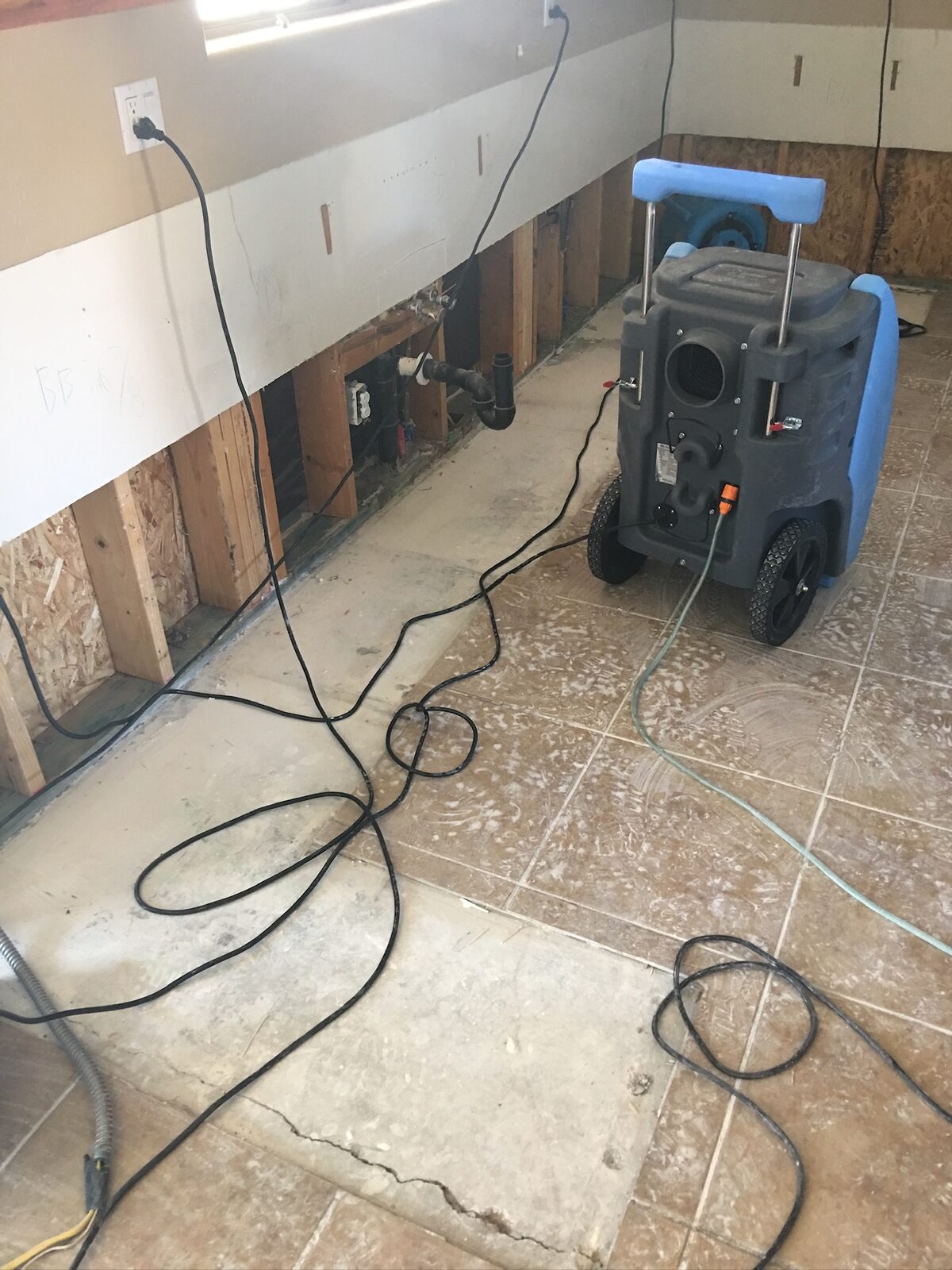
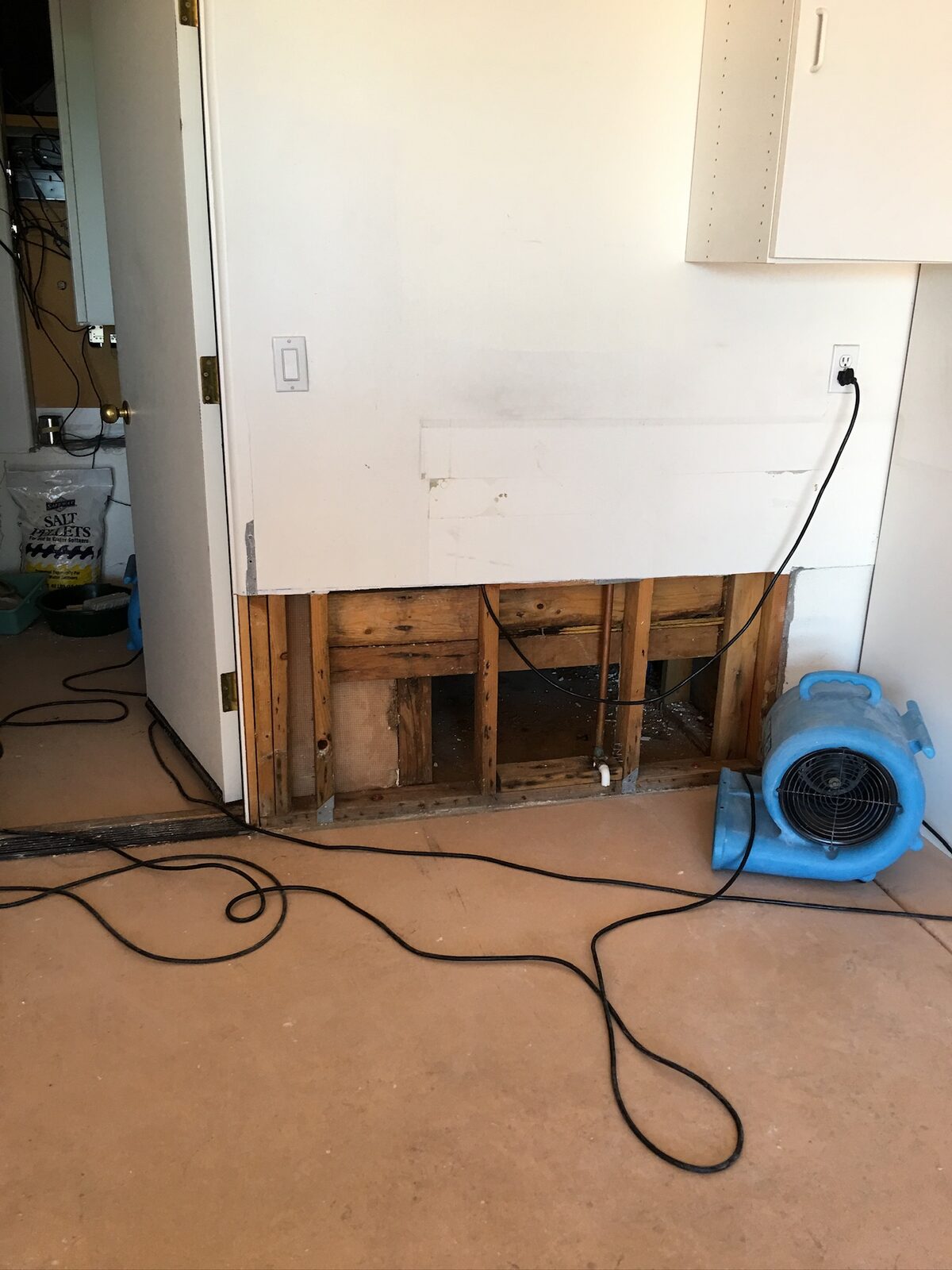
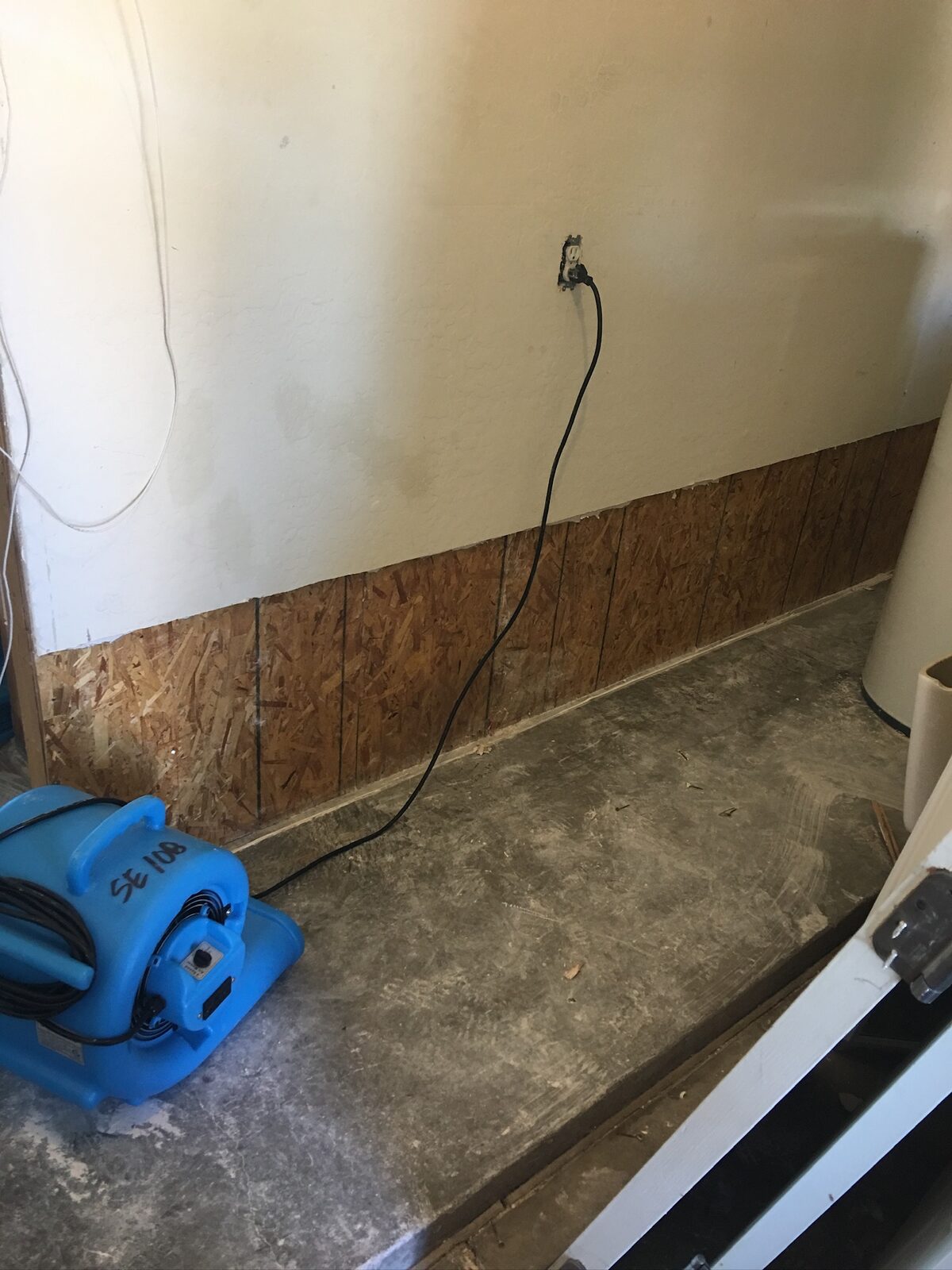
Residential reconstruction work by members of our team. See the full gallery →
More from Gold Water Fire
Abrasive Cleaning Methods for Soot on Framing and Masonry
A look at how abrasive cleaning methods remove soot from wood framing and masonry after a fire, and when each method fits the material.
AC Condensate Line Clogs & the Water Damage They Cause in Phoenix Homes
Why Phoenix AC condensate lines clog every summer, what the water damage looks like, and how to find the source before the ceiling stain spreads again.
Actual Cash Value vs Replacement Cost: Why Your Check Might Not Match the Repair Bill
Confused why your insurance check seems short after fire or water damage? Learn the difference between actual cash value and replacement cost coverage.
Not sure if it's just the misting line or something deeper?
If you're seeing staining, soft fascia, or a smell that won't go away near a patio misting system, Gold Water Fire can help you figure out what's actually happening behind the wall. Call (480) 999-3339 or reach out through the contact page to talk through it.
Call (480) 999-3339