
Antimicrobial Treatments in Water Cleanup: What They Do and Do Not Do
If a crew sprayed something on your walls after a leak or flood and you're still not sure your home is actually safe, that uncertainty makes sense. Water damage cleanup involves steps that aren't visible once they're done, and antimicrobial treatment is one of the most misunderstood ones. You want to know whether that spray solved the problem or just covered it, and that's a fair question to sit with before anyone hands you an invoice.
Antimicrobial Treatments in Water Cleanup: What They Do and Do Not Do
What an antimicrobial treatment actually is
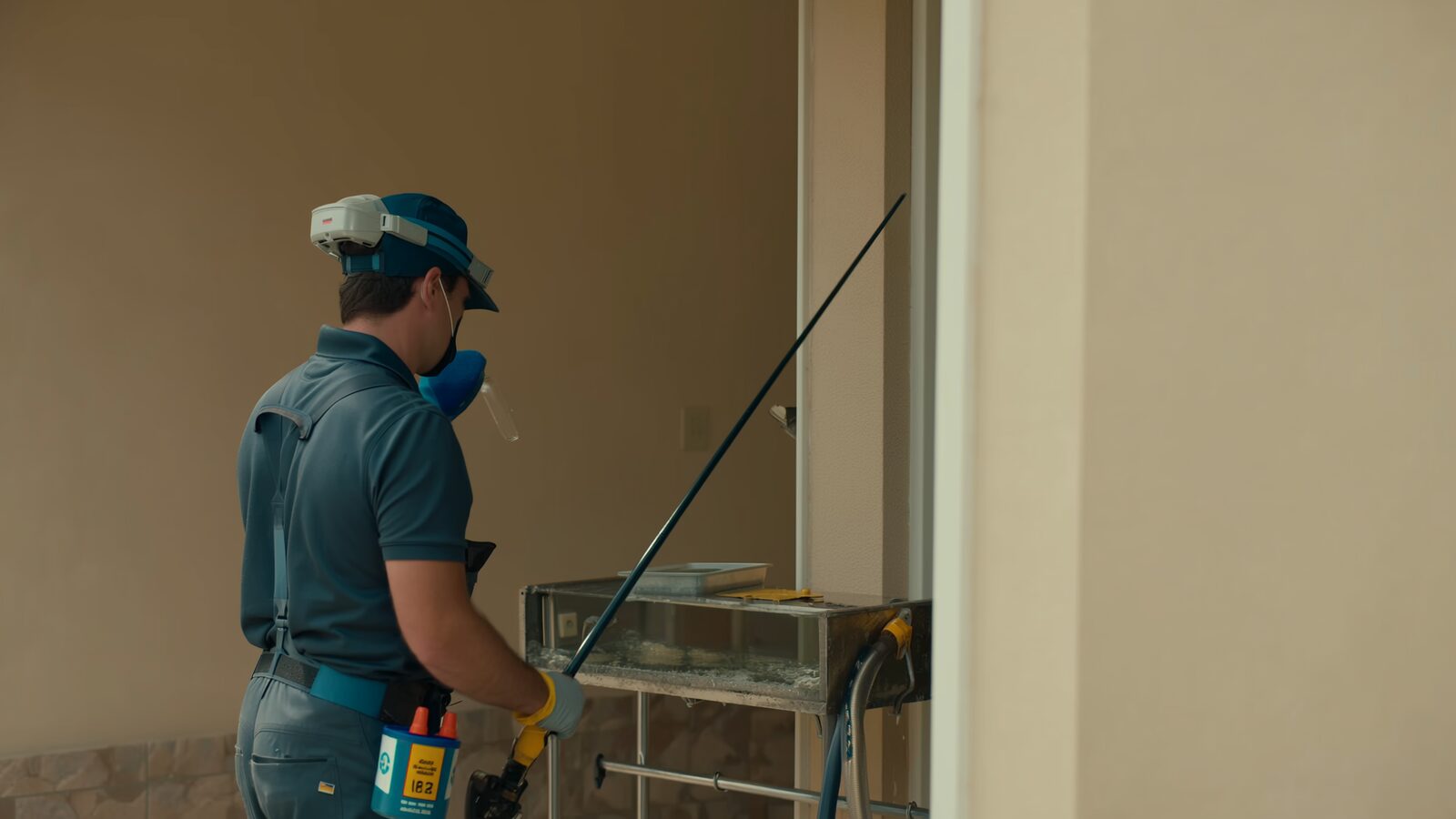
An antimicrobial (sometimes called an antifungal or biocide in restoration paperwork) is a liquid applied to surfaces after water damage to inhibit the growth of mold, bacteria, and other microorganisms. It's typically sprayed, wiped, or fogged onto studs, subfloor, drywall, and other materials after the standing water is gone but before those materials are fully dried or rebuilt. The goal is to slow or stop microbial growth on the surface it touches, during the window of time before drying equipment finishes its job.
What it does not do
An antimicrobial does not dry a wet wall cavity. It does not replace insulation that has wicked water and lost its function. It does not kill mold that has already colonized deep into porous material like drywall paper or particleboard, it can treat a surface but it cannot reverse structural saturation. And it is not a stand-in for removing materials that are too damaged to save. If a company's plan is 'spray and leave,' that is treating a symptom, not the underlying moisture problem. The spray is one step inside a drying and inspection plan, not a replacement for one.
Why timing and drying matter more than the spray itself
Mold and bacteria need moisture to establish and spread. Industry guidance for water damage response generally treats the first couple of days as the window where mold growth risk sharply increases in wet, unaddressed materials. An antimicrobial applied to a surface that stays wet underneath is fighting a losing battle, the moisture will keep feeding growth faster than a single surface treatment can suppress it. That's why antimicrobial application is almost always paired with dehumidification, air movement, and moisture monitoring, not used on its own.
Reading it on your paperwork
If your invoice or scope of work lists an antimicrobial application, it's worth asking what surfaces it was applied to, whether moisture readings were taken before and after, and whether any materials were flagged for removal rather than treatment. Those questions tell you whether the treatment was one part of a real drying process or a quick step taken to make a job look finished. You can read more about how a full response typically fits together on our water damage restoration page.
Questions people ask us
Does an antimicrobial spray mean my mold problem is solved?
Not by itself. It can slow growth on treated surfaces, but if the material underneath is still wet or already colonized deep inside, drying and possibly removal are still needed.
Is antimicrobial treatment always necessary after a water leak?
It depends on how long materials were wet, what got wet, and the water source. A fast, clean water cleanup with quick drying may not need it, while water sitting for days often does.
Can I apply an antimicrobial myself with a store-bought product?
You can treat visible surface mold on hard, non-porous materials, but store-bought sprays won't address moisture trapped in wall cavities, insulation, or subfloor, which is where regrowth usually starts.
How do I know if a material should be treated or removed?
Porous materials that stayed wet for an extended period, or that already show mold growth, are generally harder to fully treat and are often removed instead. Moisture readings and a visual inspection help make that call.
The standard our team works to
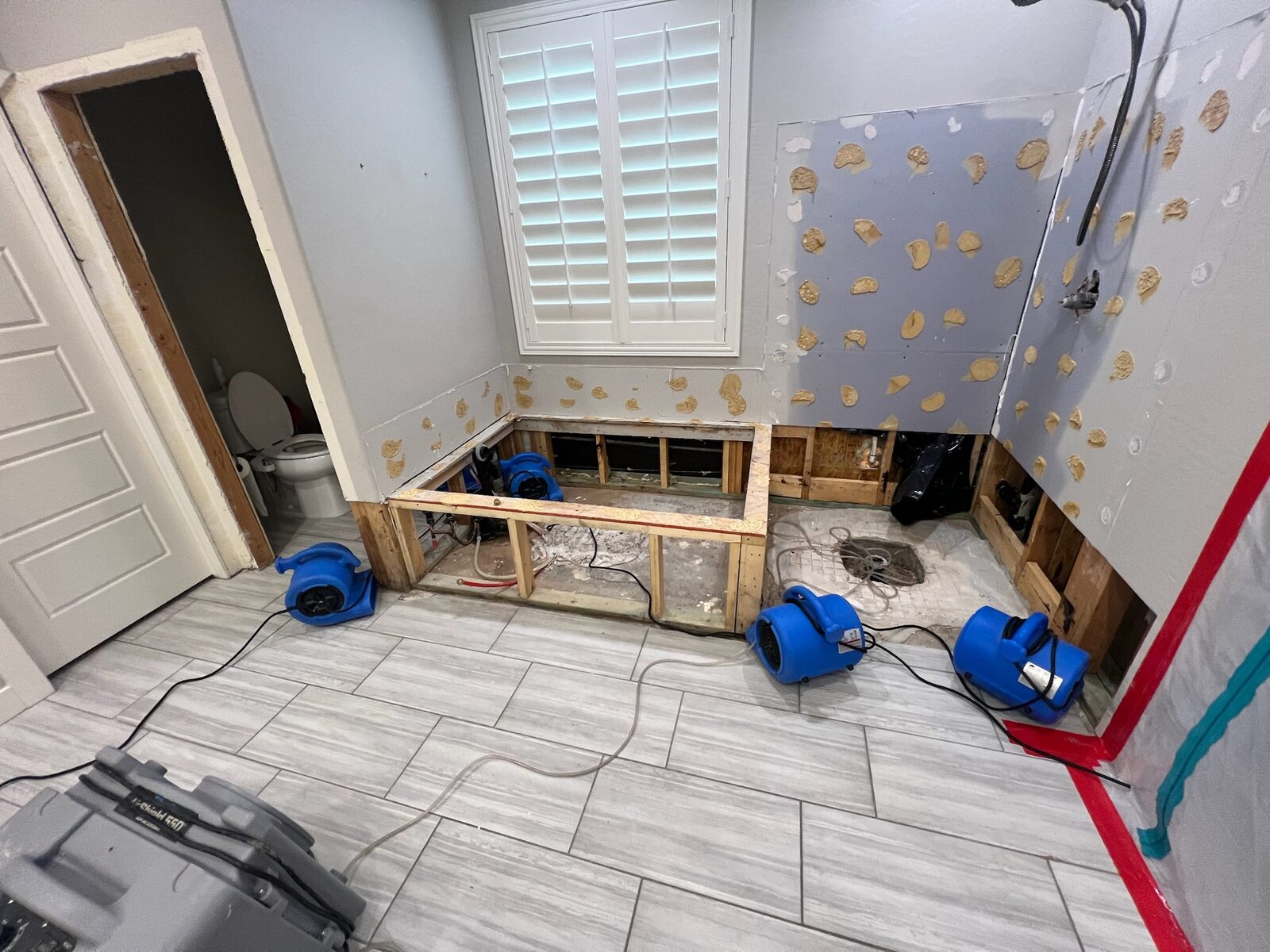
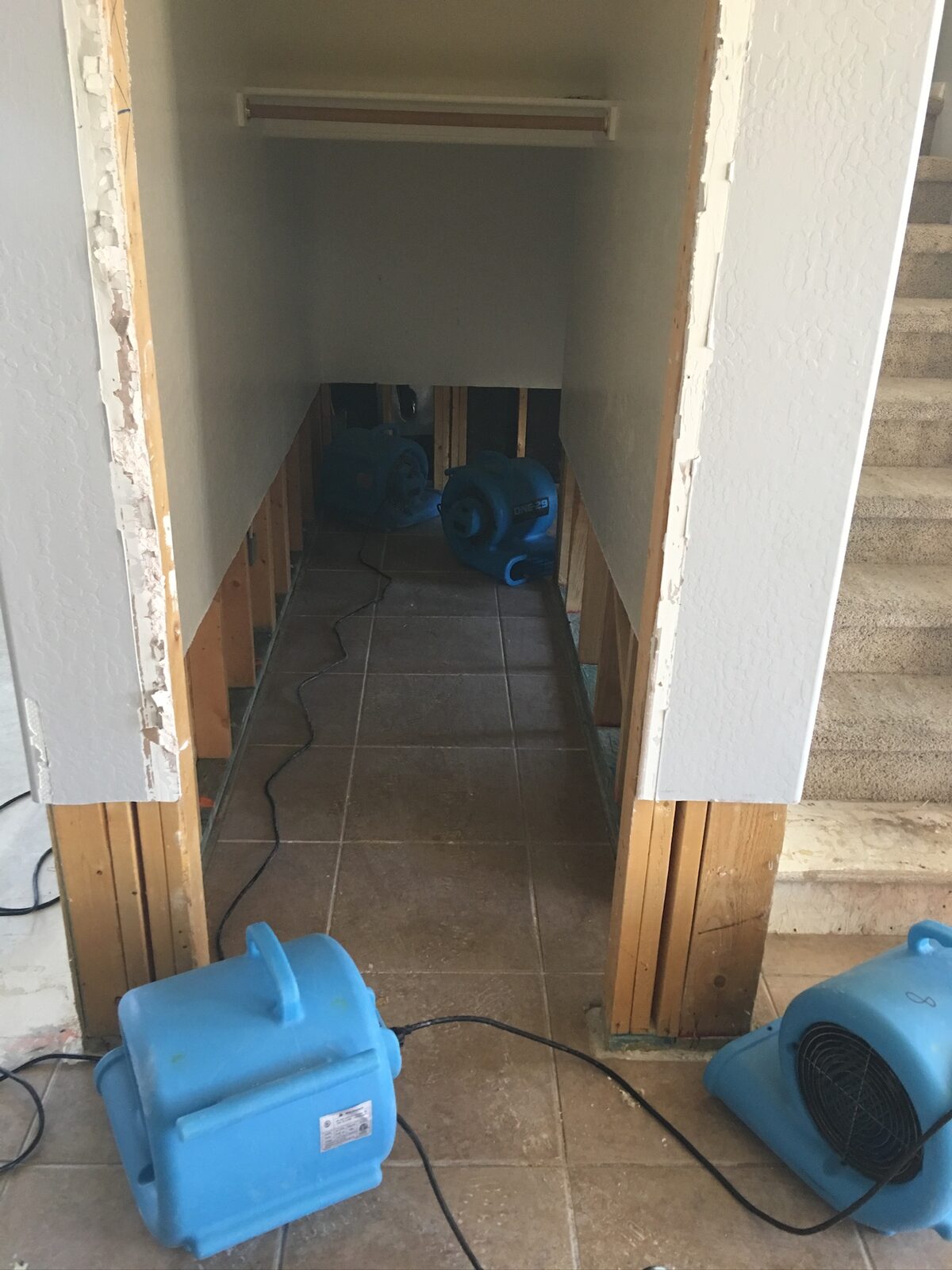
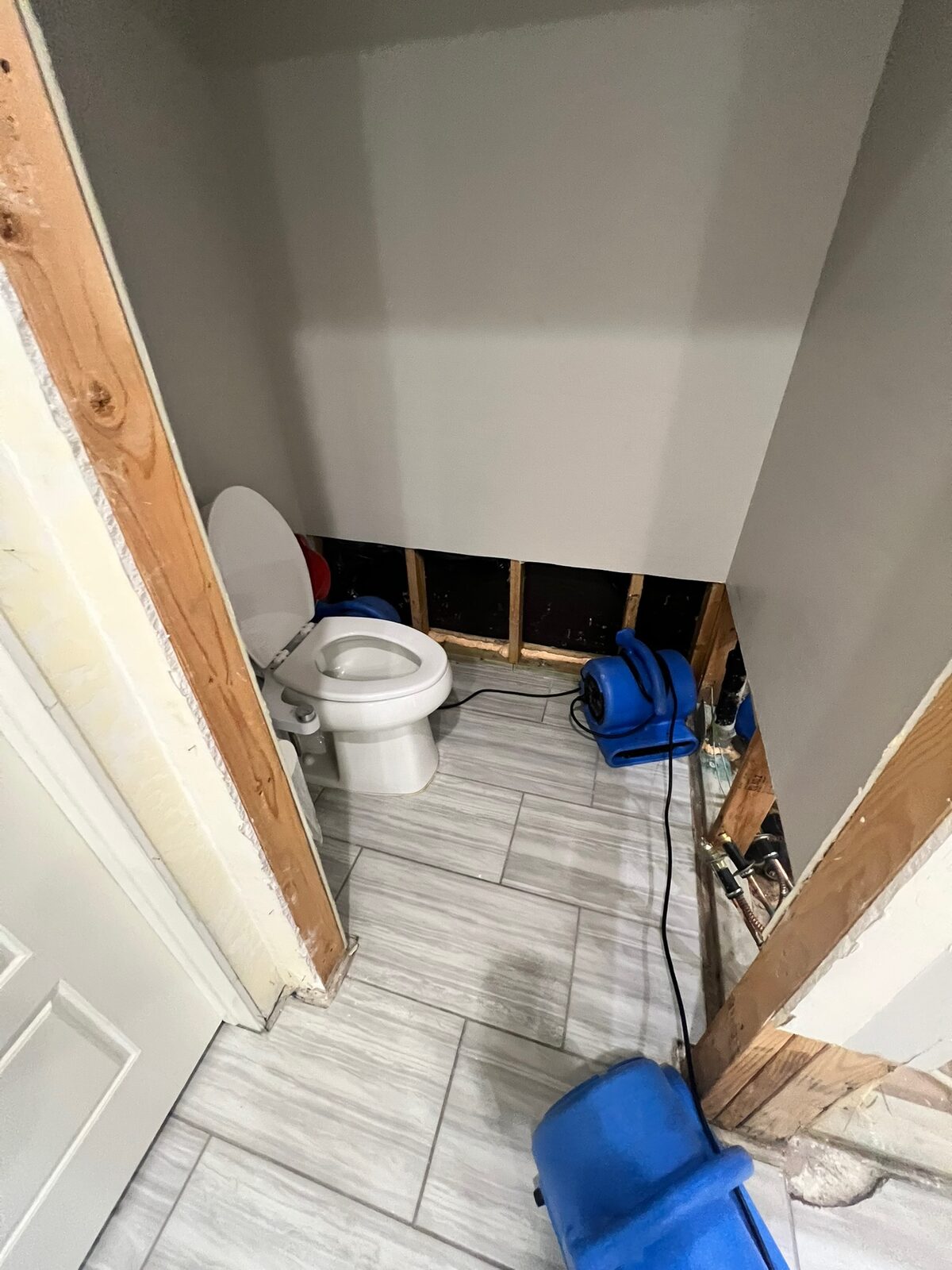
Residential reconstruction work by members of our team. See the full gallery →
More from Gold Water Fire
Abrasive Cleaning Methods for Soot on Framing and Masonry
A look at how abrasive cleaning methods remove soot from wood framing and masonry after a fire, and when each method fits the material.
AC Condensate Line Clogs & the Water Damage They Cause in Phoenix Homes
Why Phoenix AC condensate lines clog every summer, what the water damage looks like, and how to find the source before the ceiling stain spreads again.
Actual Cash Value vs Replacement Cost: Why Your Check Might Not Match the Repair Bill
Confused why your insurance check seems short after fire or water damage? Learn the difference between actual cash value and replacement cost coverage.
Not sure what your water damage actually needs?
If you're looking at a spray bottle, a moisture meter, or a contractor's estimate and none of it is adding up, talk it through with Gold Water Fire. Reach us at (480) 999-3339 or Help@goldwaterfire.com, or visit our <a href="/contact.html">contact page</a> to ask questions before you decide anything.
Call (480) 999-3339