
Pool Overflow During a Monsoon Storm and Where the Water Goes
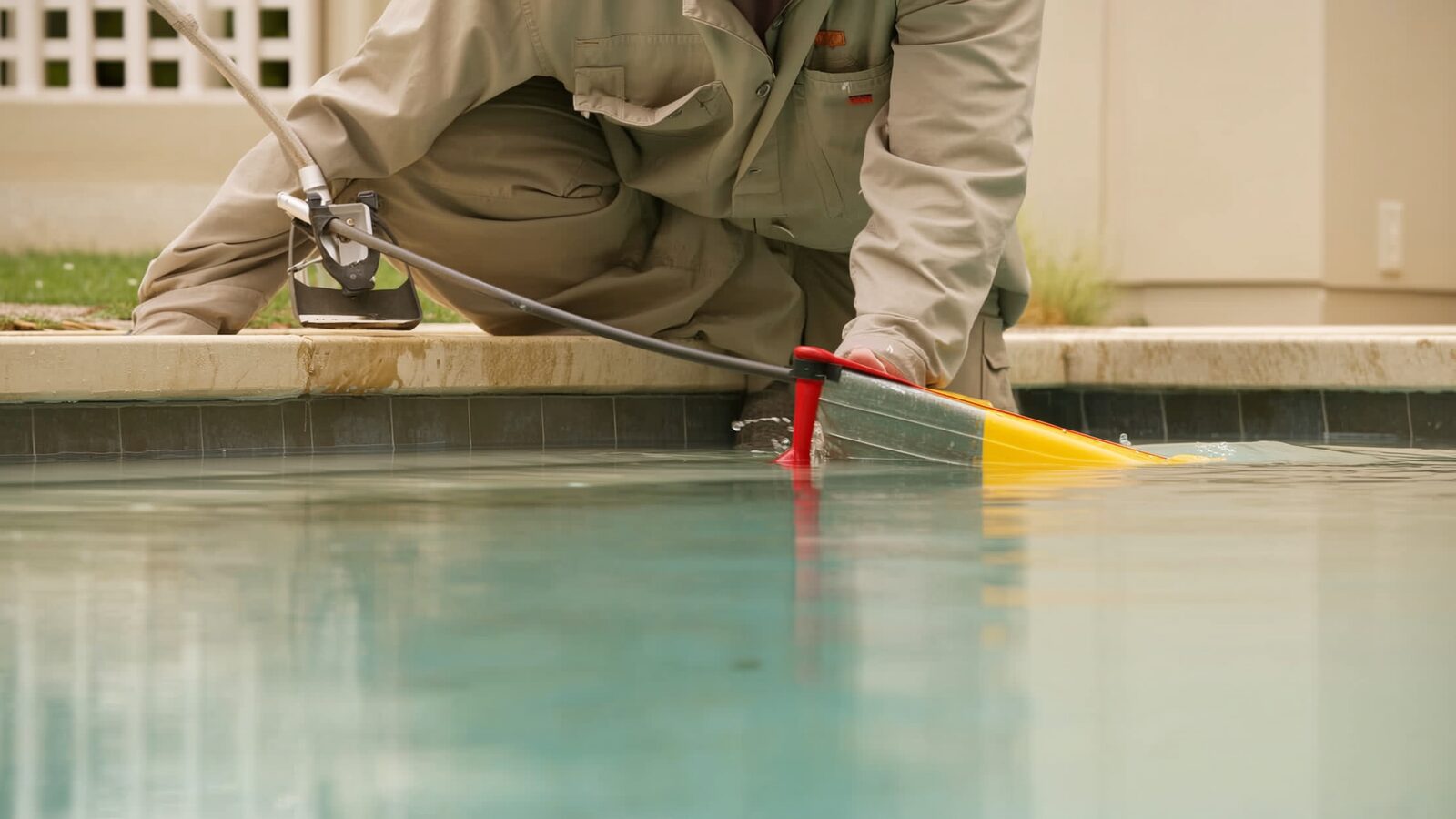
You watched the rain come down harder than you expected, and by the time it let up, the pool had climbed over the coping and the water didn't stop where the patio ends. It's a strange thing to stand there afterward, looking at a wet baseboard or a soaked stretch of carpet, and try to work out how pool water traveled that far from a backyard feature that's supposed to hold it. If you're trying to figure out why this keeps happening every time a storm rolls through, or where exactly the water is getting in, you're not imagining it and you're not alone in not having a clear answer yet.
Pool Overflow During a Monsoon Storm and Where the Water Goes
Why monsoon rain overwhelms a pool so quickly
Arizona monsoon storms don't behave like steady, gentle rain. They tend to dump a large volume of water in a short burst, sometimes in under an hour. A pool that normally sits a few inches below the coping can fill to the brim and go over the edge well before the storm even finishes, especially if the yard around it is already sloped toward the pool or if patio drains are slow to keep up. Add wind-driven rain hitting the water at an angle, and splash-out alone can push volume beyond what the pool's own overflow or skimmer system was designed to handle.
The path the water actually takes
Once pool water crosses the coping, it follows gravity and grade, not property lines or good intentions. On many Phoenix-area lots, the backyard is graded to move water away from the home, but heavy overflow combined with saturated soil can reverse that intention. Water pools against exterior walls, finds gaps at door thresholds, weep screed, or expansion joints in the slab, and migrates under baseboards long before anyone notices standing water indoors. In homes with a sunken patio, a block wall with a weak footing, or a slab that has settled slightly toward the house, the water has an even more direct route inside.
Signs the overflow reached further than you think
A wet patio is obvious. What's less obvious is water that has already traveled under flooring or into a wall cavity. Watch for baseboards that feel soft or have started to separate from the wall, a faint musty smell near an exterior wall a day or two after the storm, discoloration creeping up drywall, or flooring that feels slightly springy underfoot. These signs often show up hours or even a day after the rain stops, which is part of why the connection to the storm isn't always obvious at first.
What to check once the storm passes
Walk the perimeter of the pool and the home while it's still fresh. Look at how far the waterline reached on exterior walls, whether soil near the foundation is still saturated, and whether any interior flooring near an exterior wall feels damp when you press on it. If water did get inside, moisture can sit inside wall cavities or under flooring without drying on its own, which is where water damage restoration work usually starts: confirming how far moisture actually traveled, not just what's visible on the surface.
Questions people ask us
Can pool overflow really cause damage inside a house?
Yes. Once water crosses the coping and reaches the base of exterior walls, it can find its way in through door thresholds, expansion joints, or areas where the slab has settled. From there it can travel under flooring or up into a wall cavity well before it's visible from inside the room.
Why does this seem to happen every time it storms?
It's usually a combination of grading, pool coping height, and how quickly nearby drains can clear water. If the yard already slopes even slightly toward the house, or a patio drain is partially blocked, the same storm pattern will produce the same overflow path each time.
How long after the storm can damage still show up?
Moisture that has gotten under flooring or inside a wall can take a day or more to show visible signs like discoloration, a musty smell, or soft baseboards. That delay is normal and doesn't mean the water traveled any less far.
Does a pool overflowing count as flood damage or water damage?
In general restoration terms, this is treated as water damage from an external source rather than plumbing failure inside the home. The category matters less than tracing exactly how far the water reached, which determines what needs to be checked and dried out.
The standard our team works to
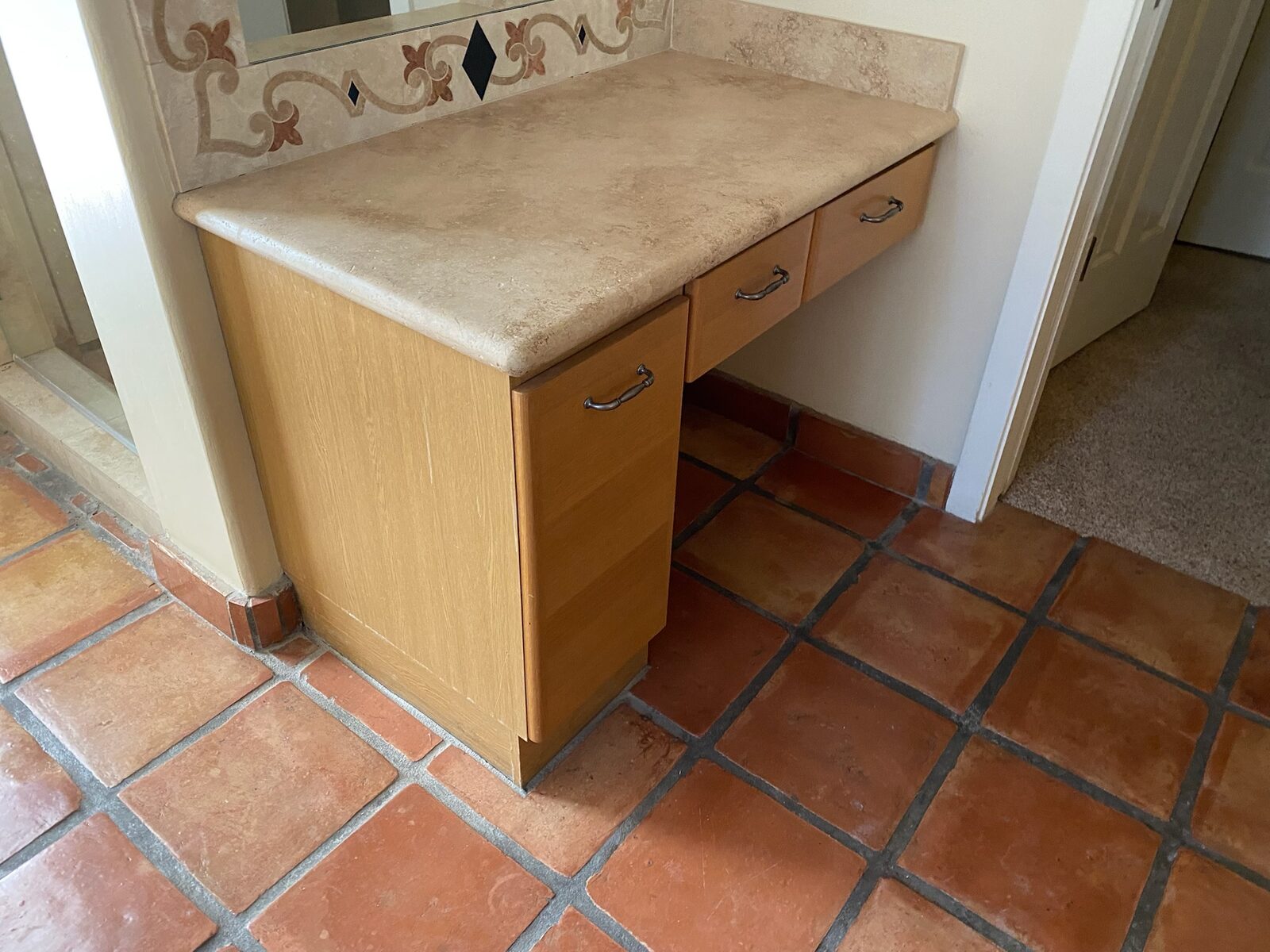
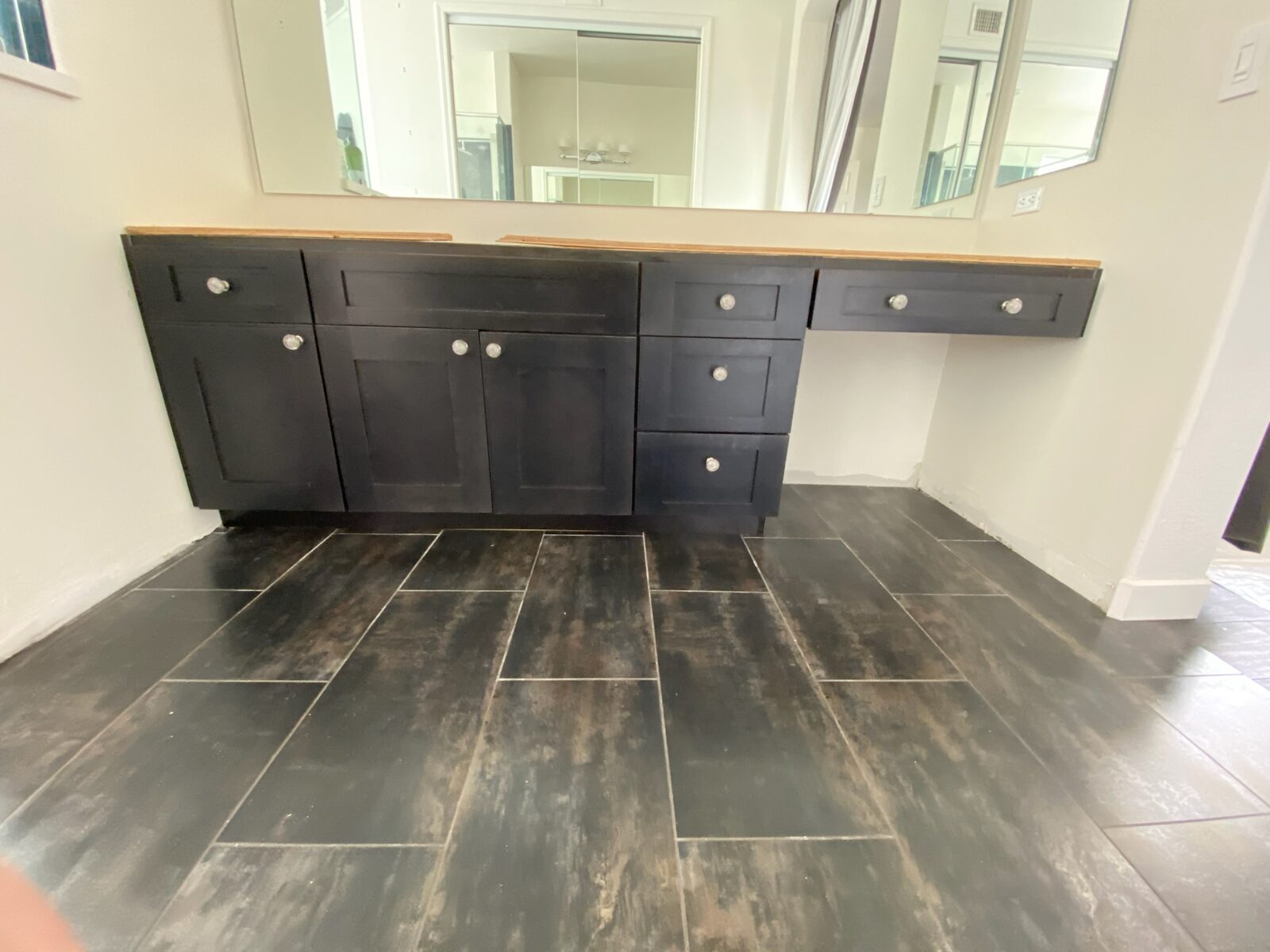
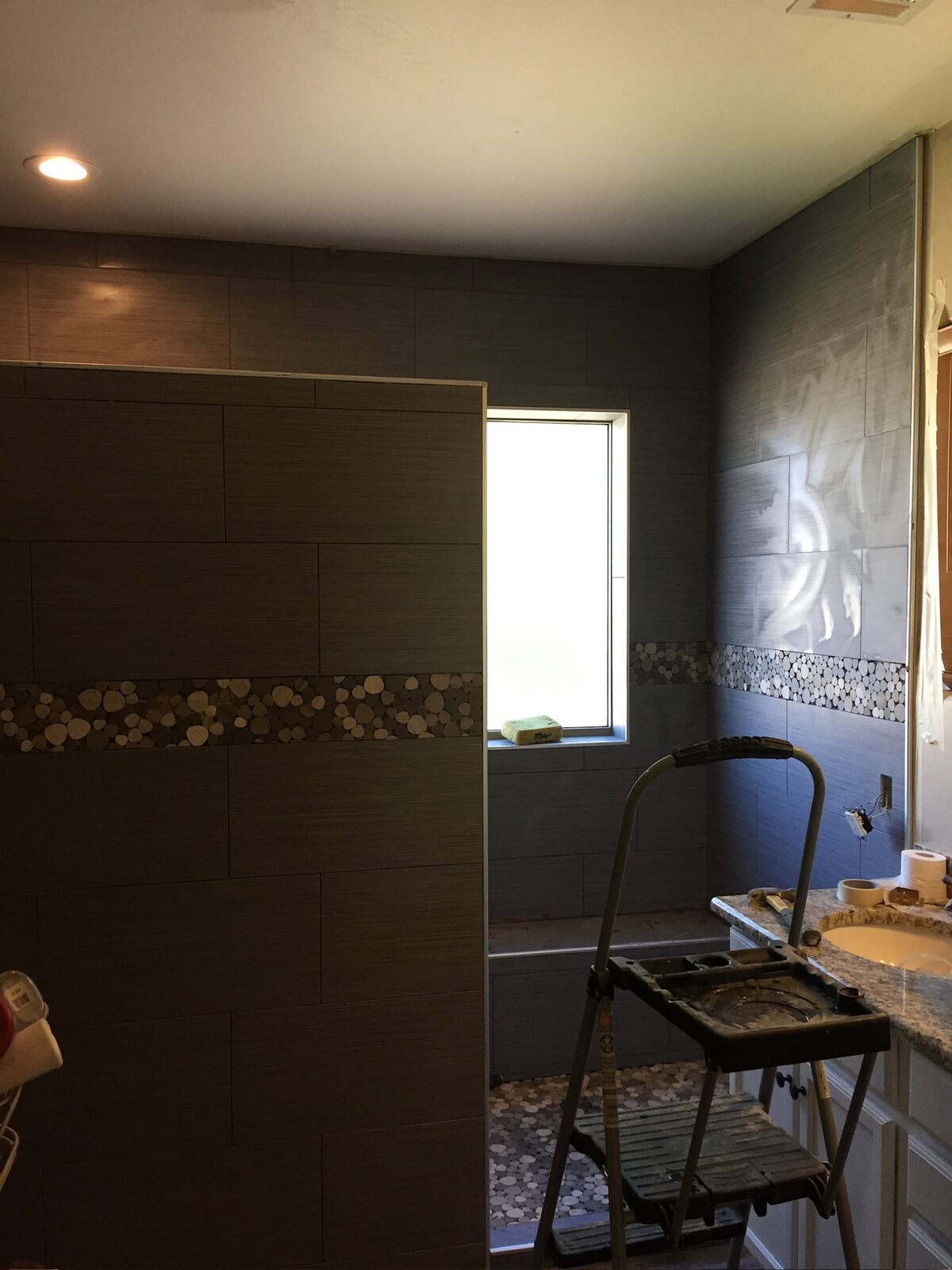
Residential reconstruction work by members of our team. See the full gallery →
More from Gold Water Fire
Abrasive Cleaning Methods for Soot on Framing and Masonry
A look at how abrasive cleaning methods remove soot from wood framing and masonry after a fire, and when each method fits the material.
AC Condensate Line Clogs & the Water Damage They Cause in Phoenix Homes
Why Phoenix AC condensate lines clog every summer, what the water damage looks like, and how to find the source before the ceiling stain spreads again.
Actual Cash Value vs Replacement Cost: Why Your Check Might Not Match the Repair Bill
Confused why your insurance check seems short after fire or water damage? Learn the difference between actual cash value and replacement cost coverage.
Not sure how far the water actually traveled?
If a recent storm pushed your pool over its edge and you're seeing signs it reached the house, Gold Water Fire can walk the property with you and check what's happening beyond what's visible on the surface. Call (480) 999-3339 or reach out through the <a href="/contact.html">contact page</a>.
Call (480) 999-3339Water Damage Restoration · Contact Gold Water Fire · About Gold Water Fire