
Hot Water Recirculating Pumps and the Leaks They Can Develop
You noticed the water heater closet smells a little musty, or there's a faint ring on the ceiling below the bathroom, or the utility bill crept up and you can't say why. Nothing looks dramatic. There's no puddle, no obvious drip, just a nagging sense that something isn't right and you can't quite trace it back to a cause. If you have a hot water recirculating pump in the house, that quiet unease is worth paying attention to, because these pumps are one of the more common sources of slow, hidden leaks that go unnoticed for months.
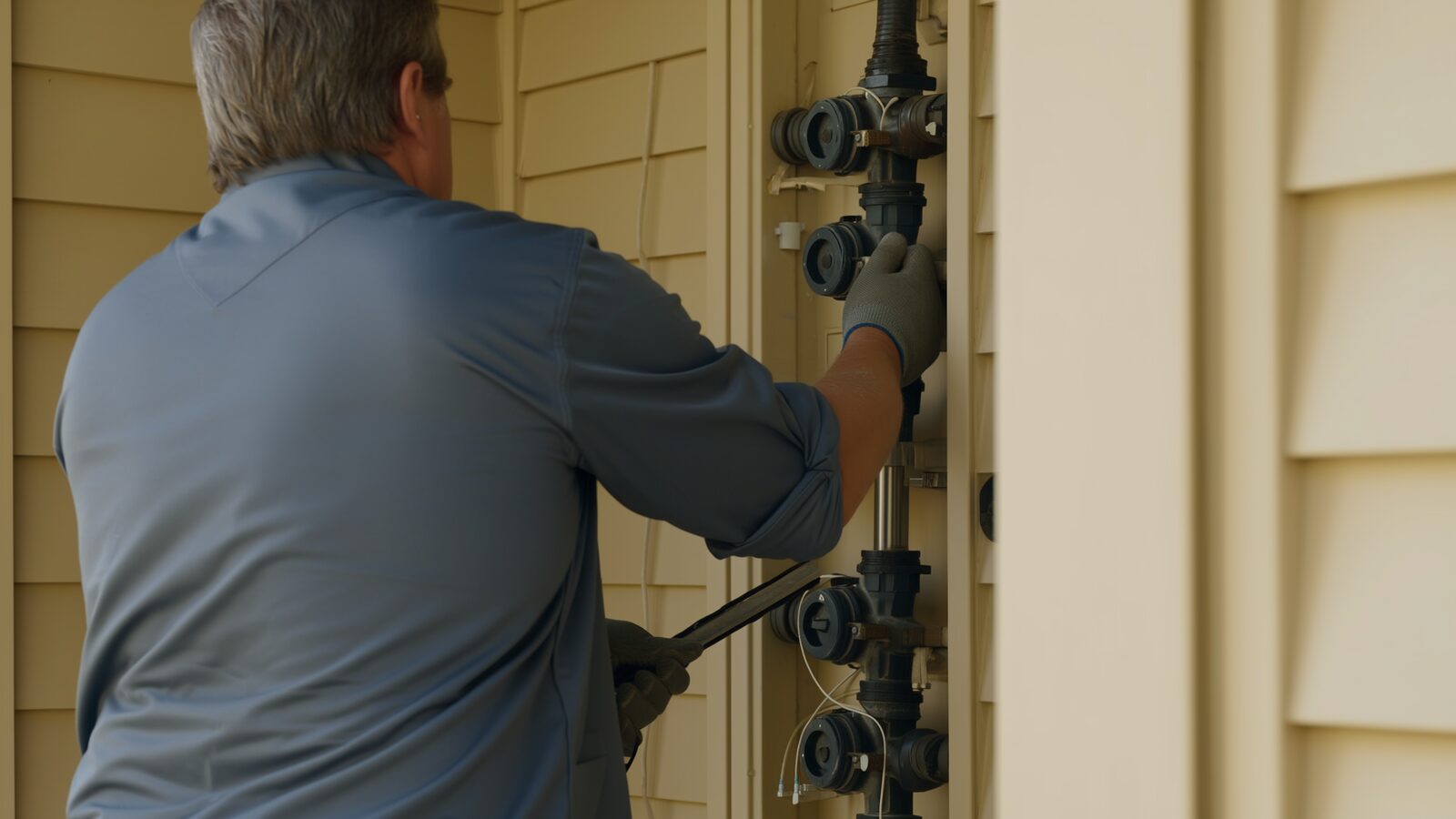
Hot Water Recirculating Pumps and the Leaks They Can Develop
Why homes have them, and where they tend to fail
A recirculating pump keeps hot water moving through the pipes so it arrives at the faucet faster instead of you running the tap and waiting. Some are built into the water heater, others sit at the water heater and tie into a dedicated return line, and some are installed under the farthest sink with a small pump and check valve. Every version has the same weak points: the pump housing itself, the unions or fittings that connect it to the pipe, the check valve that keeps water flowing one direction, and the gasket or seal inside the pump body. Any of these can degrade with age, heat cycling, or mineral buildup, and once one starts to seep, it rarely announces itself right away.
Where the leak usually starts
Most recirculating pump leaks trace back to one of a few spots. The pump's internal seal wears out from constant operation, especially in units that run on a timer or continuously, and a worn seal lets water seep out around the motor housing rather than spray. The check valve can stick or crack, letting water back up and pressurize a fitting that was never meant to hold it. Threaded unions where the pump connects to copper or PEX can loosen slightly from vibration over years of use. And in hard water areas, mineral scale builds up inside the pump and valve, which can crack housings or keep valves from seating properly, creating a slow weep instead of a clean shutoff.
Pump housing and seals
Constant heat cycling breaks down gaskets over time, and a failing seal often shows as dampness or corrosion at the base of the pump rather than a visible spray.
Check valve wear
A check valve that no longer seals fully can let pressure build somewhere it shouldn't, stressing a nearby fitting until it starts to weep.
Fittings and unions
Threaded connections can loosen from years of vibration and thermal expansion, especially near the water heater where temperatures cycle most.
Mineral scale buildup
Hard water leaves deposits inside the pump body and valve seats, which can crack housings or prevent a proper seal, leading to a slow, ongoing drip.
Signs a recirculating pump is already leaking
Because these pumps are often tucked in a closet, garage, or under a cabinet, the leak itself may be hard to see even when it's been going on for a while. Watch for a persistent musty smell near the water heater, a small pool or mineral crust at the base of the pump, corrosion or rust staining on nearby pipe fittings, a warm or damp spot on the floor, or unexplained increases in water usage on a utility bill. If the pump is inside a wall cavity or under a sink, a soft or discolored patch of drywall, warped cabinet flooring, or a faint sagging ceiling below the fixture can be the first visible clue, and by that point water has usually been present for some time.
What happens when a slow leak goes unaddressed
A recirculating pump runs on a timer or sensor, which means even a small leak isn't a one-time event, it's water finding the same path over and over, day after day. That steady, low-volume moisture is exactly the kind that soaks into subfloor, wicks up drywall, and sits behind cabinetry long enough to support mold growth, all without ever producing the kind of obvious flood that gets noticed immediately. If you're already seeing water damage from a leak like this, our water damage restoration page walks through what the drying and repair process typically involves, and if the area needs rebuilding afterward, reconstruction covers that side of it.
Questions people ask us
Can a recirculating pump leak without any water heater problems?
Yes. The pump, its check valve, and its fittings are separate points of failure from the water heater tank itself, so a pump can leak or fail while the tank and heating element are completely fine.
Is a recirculating pump leak usually a slow drip or a sudden burst?
It's almost always slow. These leaks tend to come from worn seals, loose fittings, or scale buildup rather than a sudden pipe rupture, which is why they can go unnoticed for weeks or months before any damage becomes visible.
Where should I check first if I suspect a leak?
Start at the pump housing itself and the fittings directly above and below it, since that's where seals and unions are most likely to fail. Also check the floor or cabinet base beneath the water heater closet for staining, warping, or a musty smell.
Does hard water make these leaks more likely?
Mineral scale from hard water can build up inside the pump and check valve, which can crack housings or keep valves from sealing fully, so homes with harder water tend to see this type of wear develop over time.
The standard our team works to
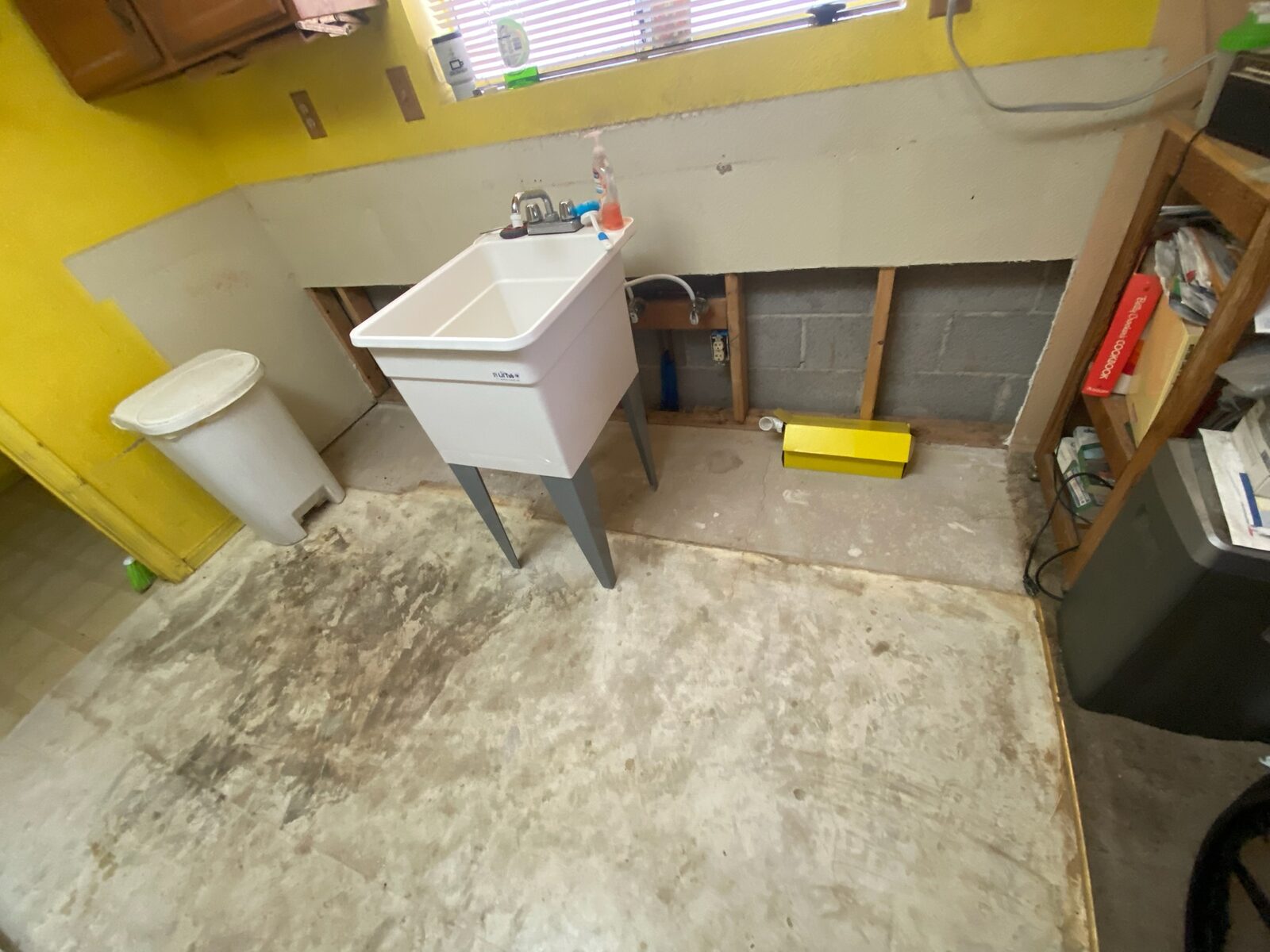
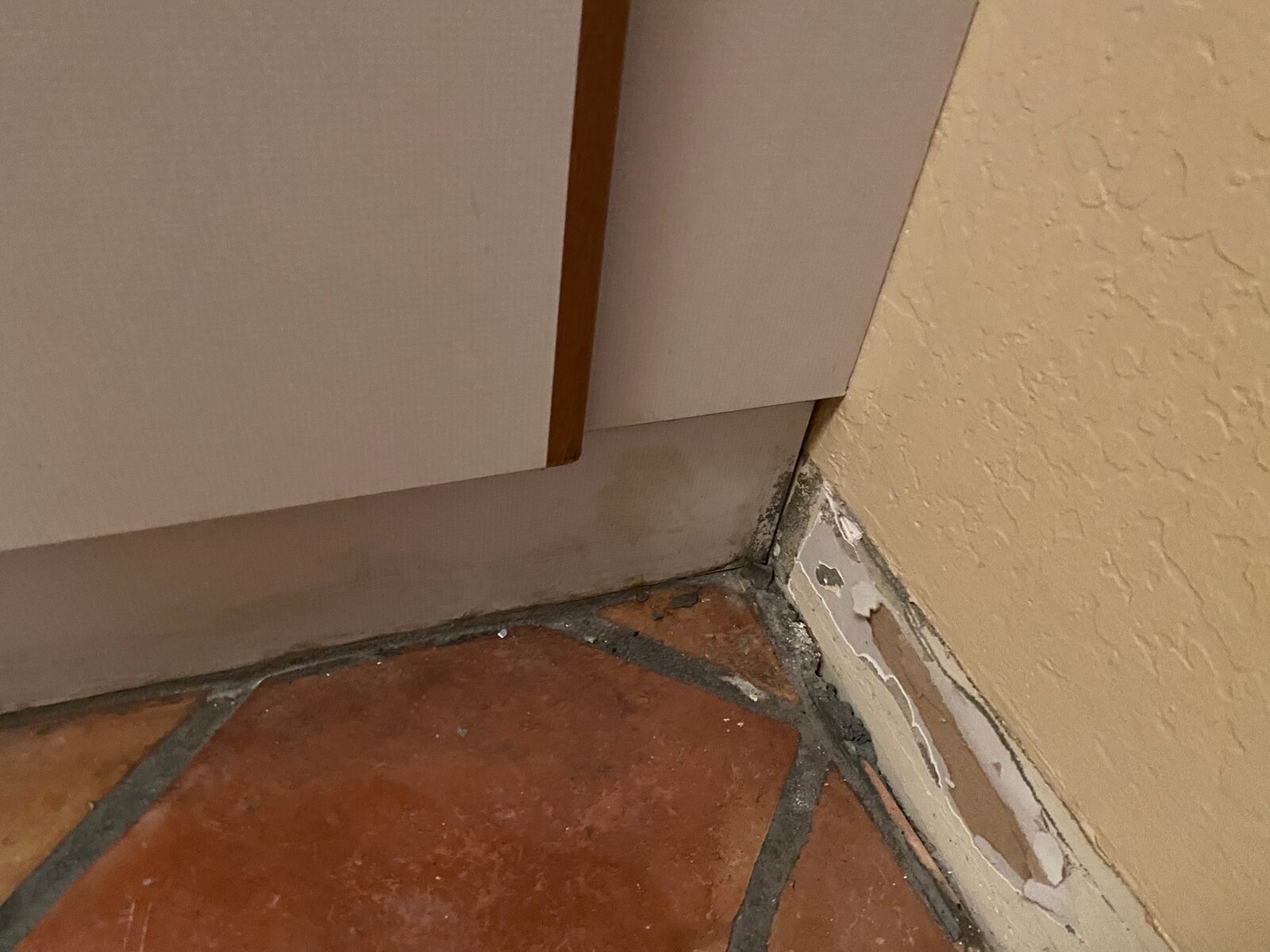
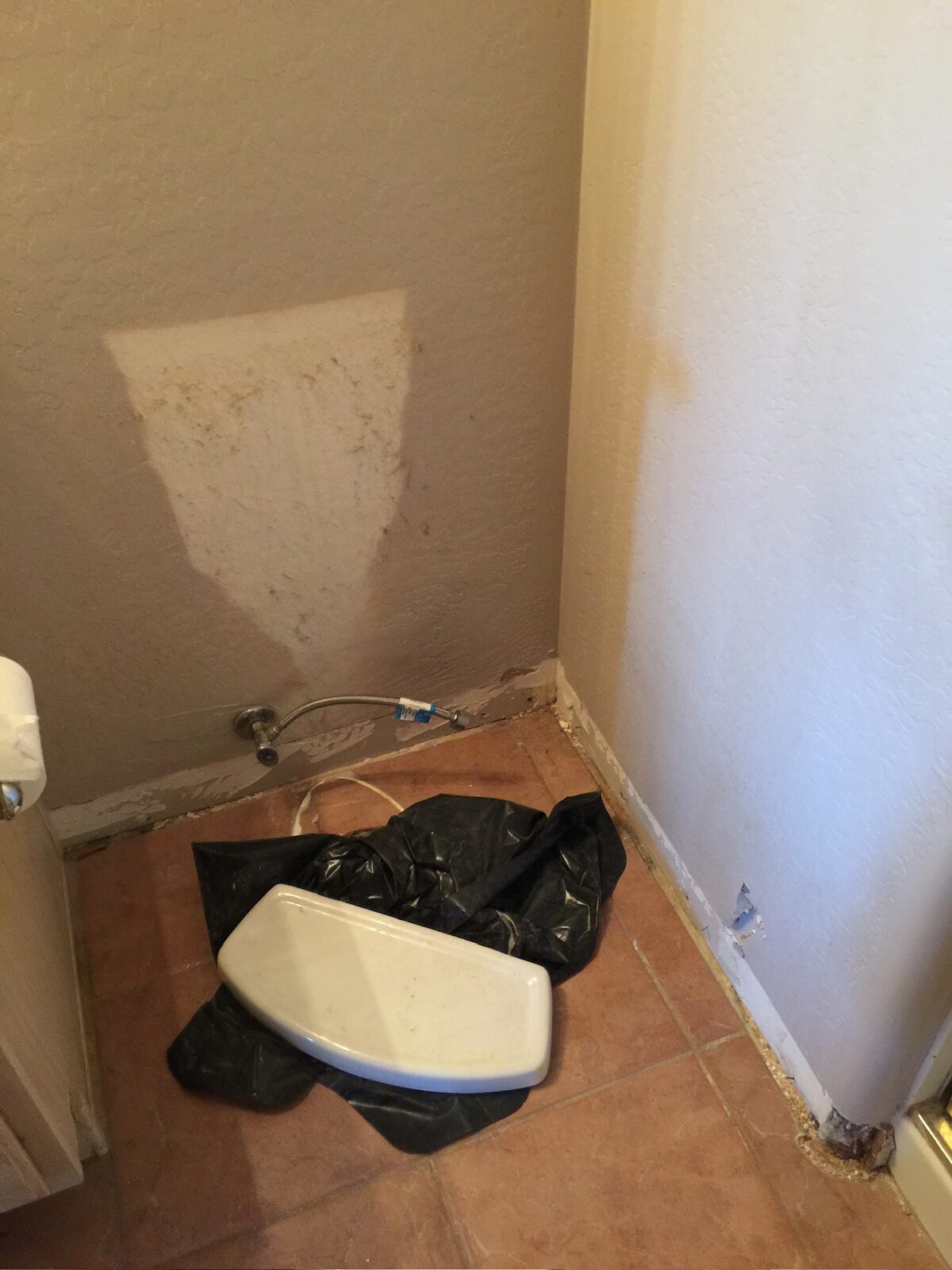
Residential reconstruction work by members of our team. See the full gallery →
More from Gold Water Fire
Abrasive Cleaning Methods for Soot on Framing and Masonry
A look at how abrasive cleaning methods remove soot from wood framing and masonry after a fire, and when each method fits the material.
AC Condensate Line Clogs & the Water Damage They Cause in Phoenix Homes
Why Phoenix AC condensate lines clog every summer, what the water damage looks like, and how to find the source before the ceiling stain spreads again.
Actual Cash Value vs Replacement Cost: Why Your Check Might Not Match the Repair Bill
Confused why your insurance check seems short after fire or water damage? Learn the difference between actual cash value and replacement cost coverage.
Not sure what you're looking at, or how far it's spread?
If you're seeing signs of a hidden leak and want it looked at properly, contact Gold Water Fire and we'll help you understand what's going on before it gets worse.
Call (480) 999-3339Water Damage Restoration · Reconstruction & Rebuild · Contact Gold Water Fire