
Fire Damage Recovery in a Restaurant Kitchen
A fire in a commercial kitchen is not like a fire anywhere else. The grease, the exhaust hoods, the walk-in cooler that suddenly stopped running, the line cooks who watched it happen and now can't stop replaying it. Underneath the immediate scramble to figure out insurance and payroll and whether the walk-in freezer stock is even salvageable, there's a quieter question that doesn't get much airtime: why does this feel so much harder to come back from than it should, and why does everyone keep giving you different answers about what's actually safe to use again.
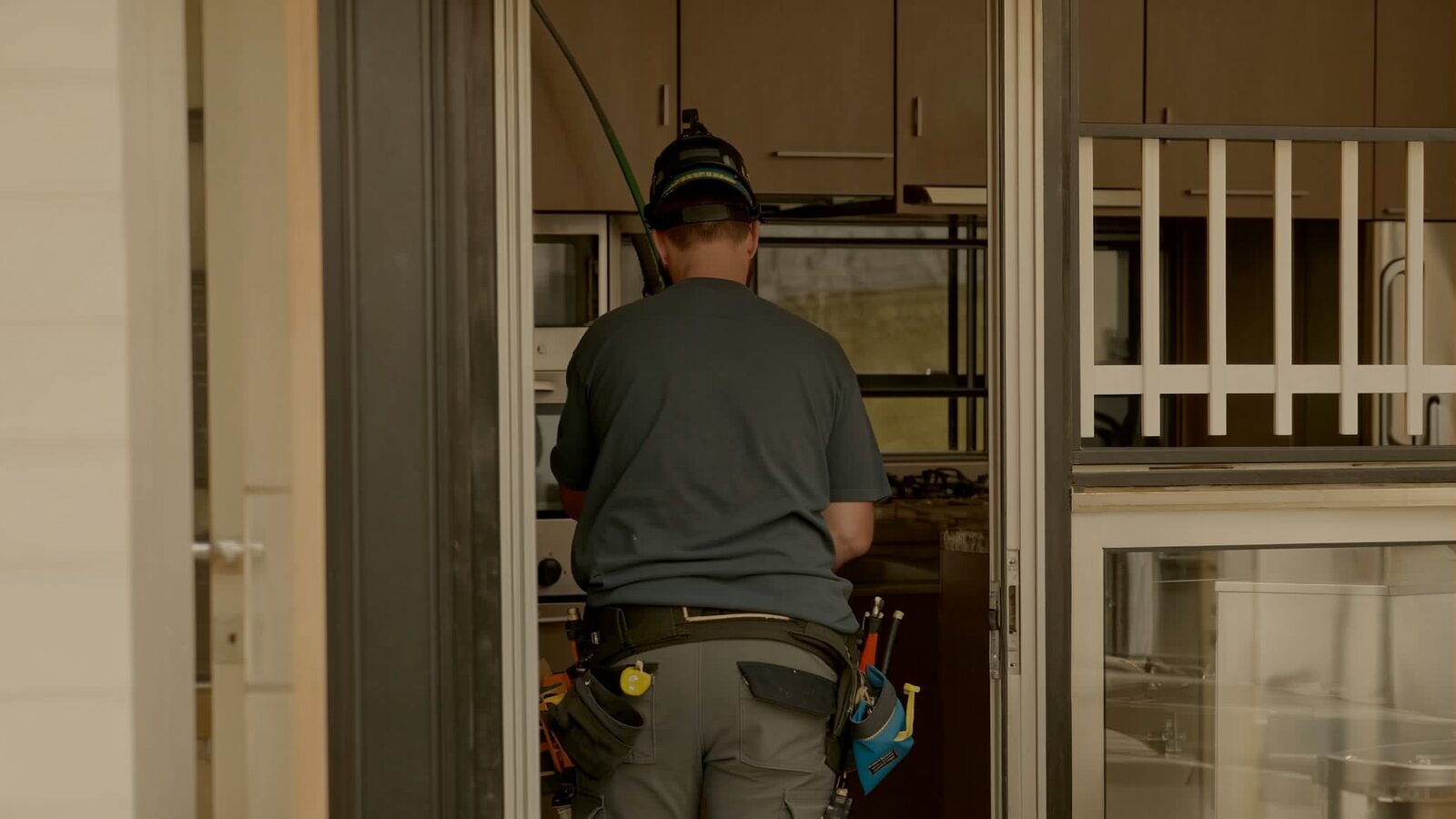
Fire Damage Recovery in a Restaurant Kitchen
Why kitchen fires leave more behind than they look like they did
A stovetop flare-up or hood fire often looks contained by the time it's out, a scorched wall panel, a melted control knob, maybe a blackened section of ceiling tile. But commercial kitchens run on grease-laden air, and that grease absorbs smoke residue and settles on every surface within reach of the exhaust system, not just the burned spot. Stainless steel prep tables, walk-in cooler gaskets, ventilation ductwork, even sealed dry storage can carry a smoke odor that won't go away with a wipe-down. Heat from a kitchen fire can also warp equipment housings and damage wiring inside walls that never show visible char, which is part of why an insurance adjuster or a contractor walking the space will often check well past the obvious burn area before calling anything cleared.
Fire damage and food safety don't separate cleanly
Unlike a fire in a home, a restaurant kitchen fire triggers a second set of concerns: everything that touched smoke, soot, or firefighting water in a food prep environment has to be evaluated for contamination, not just cosmetic damage. That includes anything porous, cutting boards, wood-handled utensils, and often anything stored uncovered nearby. Health inspectors and most insurance policies expect documentation of what was discarded and why before a kitchen reopens. This is also where reopening timelines get contentious. A dining room might look ready long before the kitchen has cleared both fire damage assessment and a health inspection, and pushing to open before both are done can mean a second shutdown later.
The general order of operations after a kitchen fire
Most kitchen fire recovery follows a rough sequence, though the length of each step depends heavily on the extent of the fire and how quickly insurance moves. First comes securing the space (boarding windows, shutting off gas or power to damaged lines) and a documented damage assessment. Next is removal of anything unsalvageable, damaged equipment, ruined stock, contaminated porous materials. Then comes the less visible work: soot and odor removal from surfaces, ductwork, and hard-to-reach spots in the exhaust hood system, since lingering odor is one of the most common reasons a kitchen fails a follow-up walkthrough. Only after that does rebuilding start, which can mean anything from replacing a section of wall and one fryer station to a full kitchen gut, depending on how far the fire and heat traveled.
Assess and secure
Documenting damage, shutting off compromised utilities, and boarding or securing the space against weather and further loss.
Remove and discard
Clearing damaged equipment, contaminated food stock, and any porous materials that can't be safely cleaned per food safety standards.
Clean and deodorize
Addressing soot on hard surfaces, inside ductwork and hood systems, and anywhere smoke odor has settled into the building materials.
Rebuild and restore
Repairing or reconstructing damaged areas, from a single wall section to full equipment lines, before final health and fire inspections.
How the pieces fit together
Kitchen fire recovery usually touches more than one kind of restoration work at once. If firefighting efforts left standing water in the kitchen or basement storage, that's a separate but overlapping problem from the fire itself, and it needs attention before mold becomes a second issue on top of the first. You can read more about how that side of recovery works in our guide to water damage restoration. For the fire and smoke side specifically, our fire damage restoration page walks through what that process looks like. And when the damage requires rebuilding walls, equipment stations, or larger structural sections, that falls under reconstruction and rebuild work rather than cleanup alone.
Questions people ask us
Can a restaurant kitchen usually reopen after a fire without a full remodel?
It depends on how contained the fire was. A small, localized fire, like a contained hood or stovetop flare-up, might only require cleaning smoke residue and replacing one piece of equipment. A fire that spread into ceiling voids, ductwork, or structural framing usually requires more extensive rebuilding before it's safe and code-compliant to reopen.
How do you know if smoke odor is actually gone or just masked?
Odor that's only masked tends to return, especially once heat or humidity rises again, because it's still embedded in porous materials or ductwork rather than removed. True odor removal usually involves cleaning or treating the surfaces and air systems that are actually holding the smoke residue, not just the room air.
Does a kitchen fire always mean throwing out all the food stock?
Not necessarily, but anything exposed to smoke, soot, heat, or firefighting water in an open or porous state is generally treated as compromised for food safety reasons. Sealed, undamaged stock away from the fire's path may be salvageable, but that determination is usually made carefully given health code requirements.
What's the biggest reason kitchen fire recovery takes longer than expected?
Often it's not the visible damage, it's discovering hidden damage once walls or ceiling panels come down, or realizing the exhaust and ductwork system needs more extensive cleaning than first assumed. Coordinating insurance review with the physical work can also add time that isn't obvious at the start.
The standard our team works to
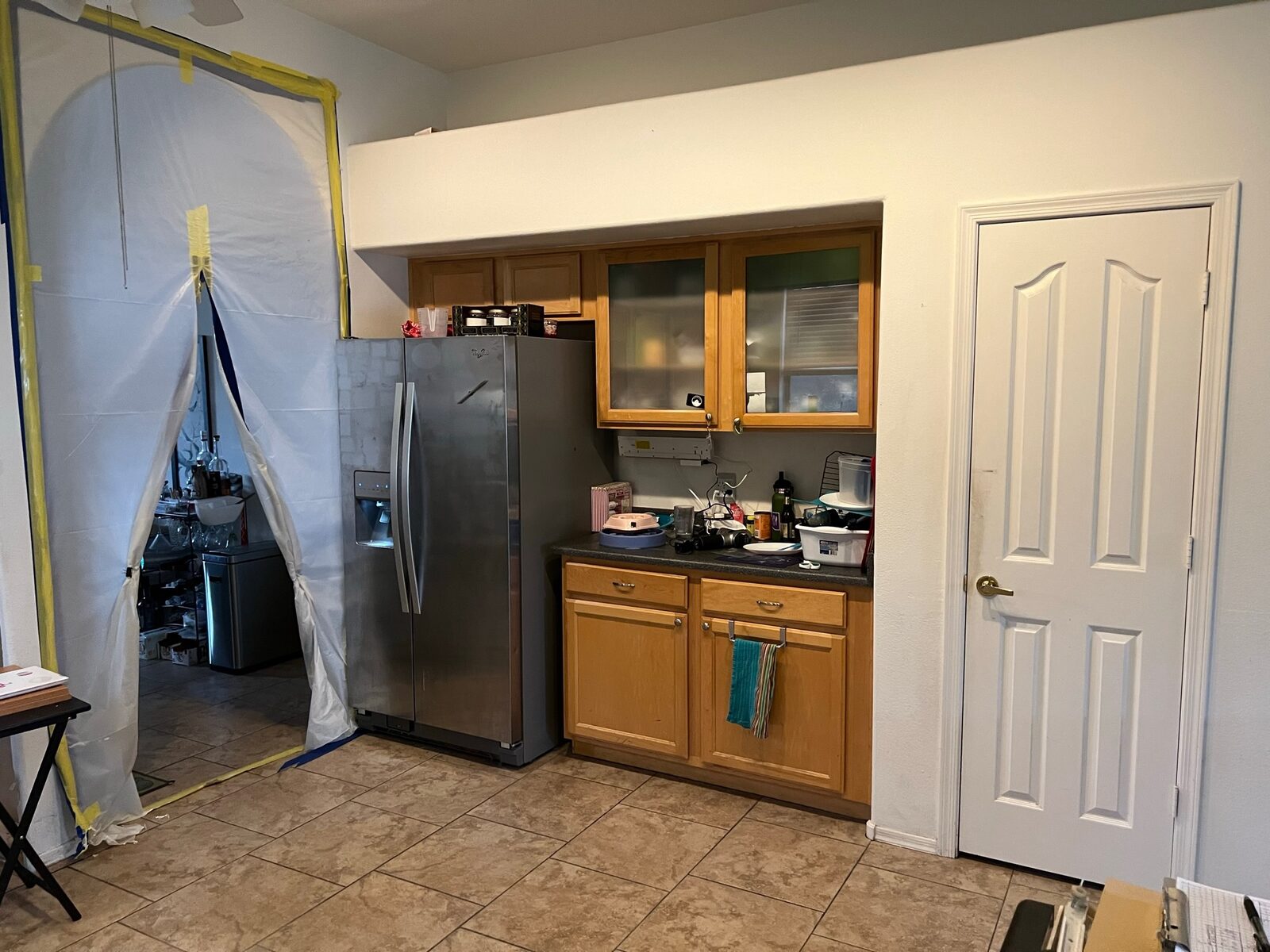
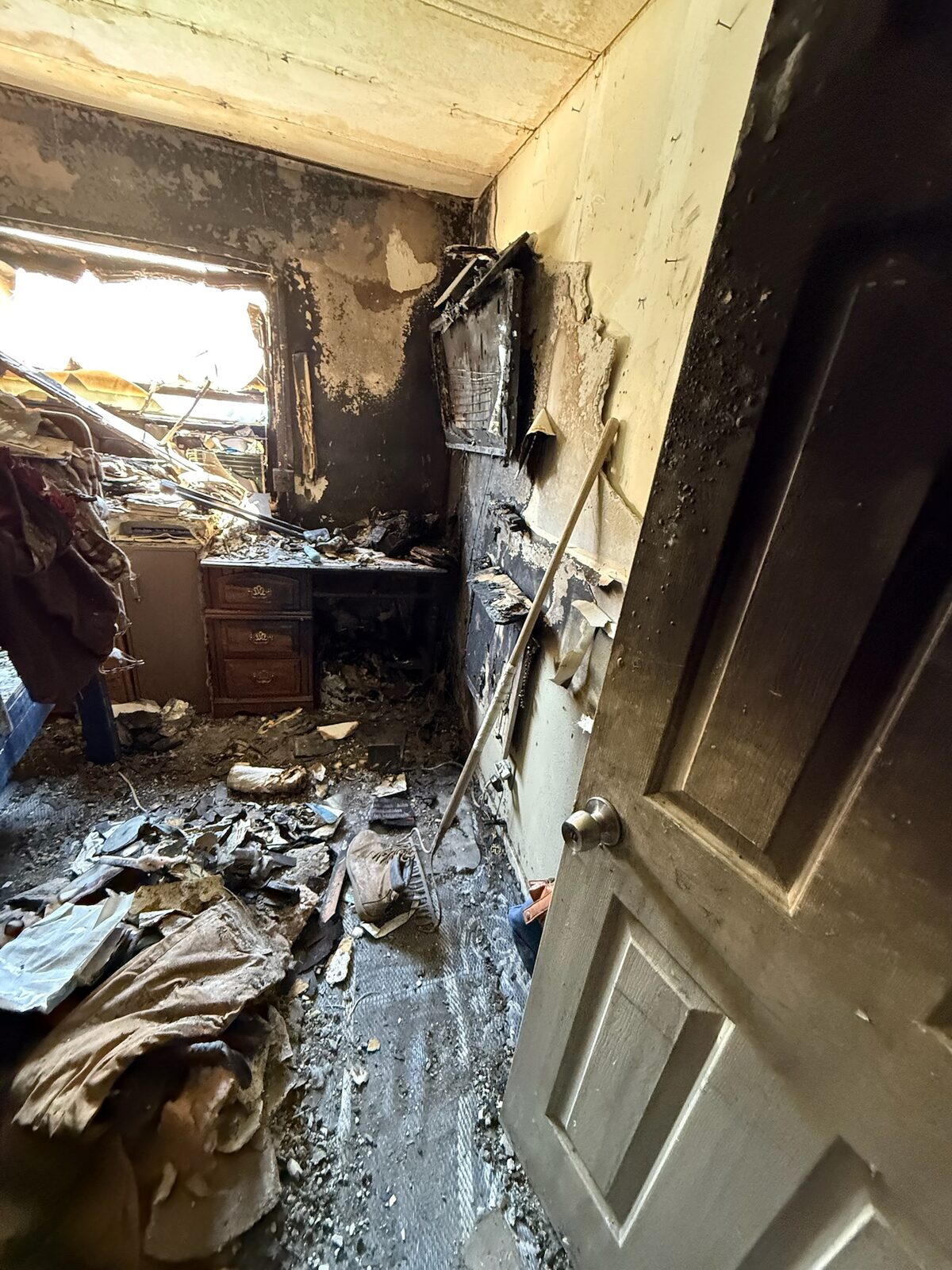
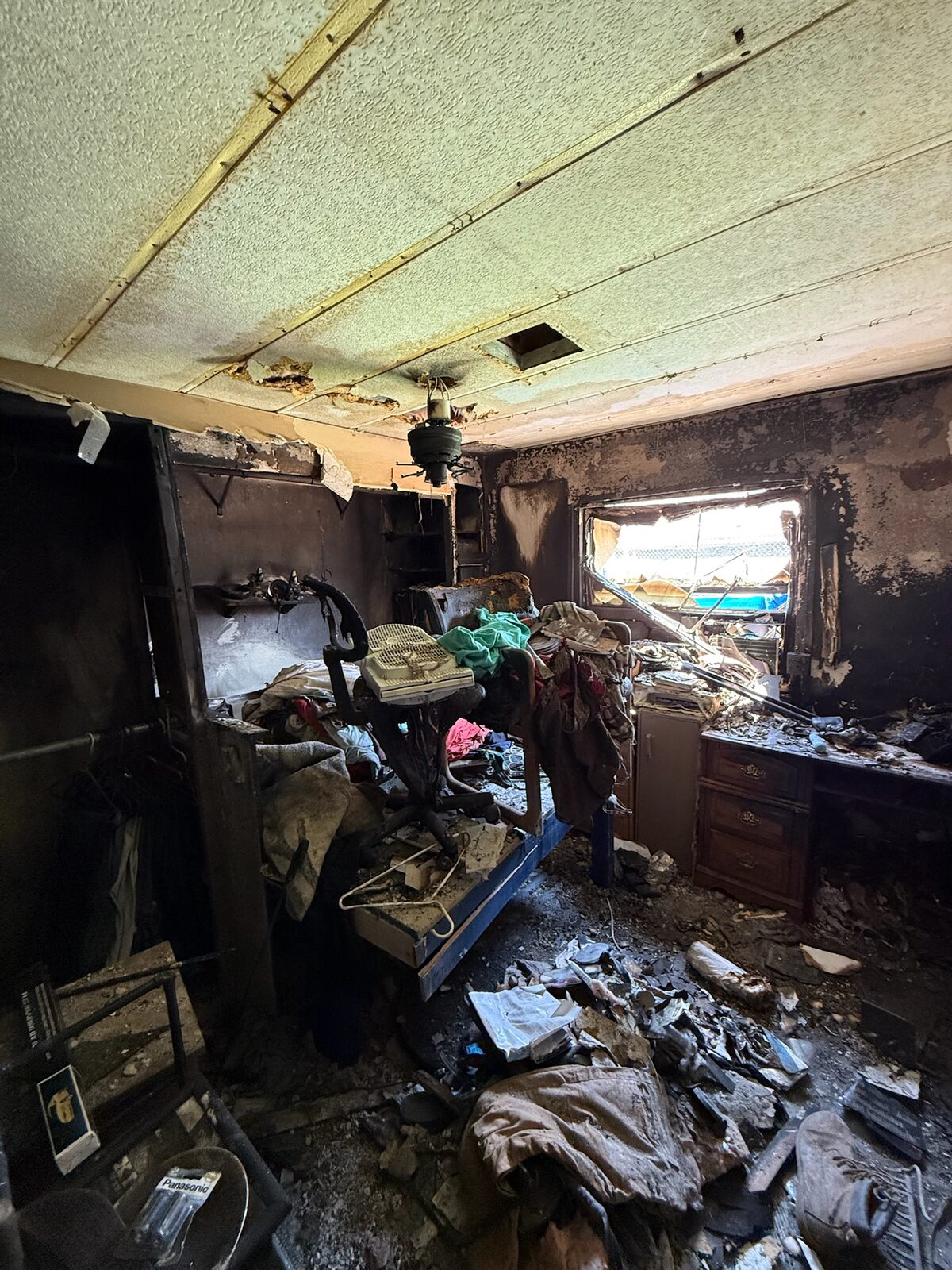
Residential reconstruction work by members of our team. See the full gallery →
More from Gold Water Fire
Abrasive Cleaning Methods for Soot on Framing and Masonry
A look at how abrasive cleaning methods remove soot from wood framing and masonry after a fire, and when each method fits the material.
AC Condensate Line Clogs & the Water Damage They Cause in Phoenix Homes
Why Phoenix AC condensate lines clog every summer, what the water damage looks like, and how to find the source before the ceiling stain spreads again.
Actual Cash Value vs Replacement Cost: Why Your Check Might Not Match the Repair Bill
Confused why your insurance check seems short after fire or water damage? Learn the difference between actual cash value and replacement cost coverage.
If your kitchen is dealing with fire damage right now
Gold Water Fire works with property owners across the Phoenix metro area, from Chandler to Scottsdale to Peoria and beyond, on fire damage restoration and reconstruction. Reach out at (480) 999-3339 or Help@goldwaterfire.com to talk through what you're facing.
Call (480) 999-3339Water Damage Restoration · Fire Damage Restoration · Reconstruction & Rebuild · Contact Gold Water Fire