
Partial Loss vs Total Loss After a Fire: What the Difference Means for Rebuilding
Standing in a house after a fire, the damage rarely announces itself in simple terms. One room might look untouched while the one next to it is gutted. Smoke can travel further than flame ever did, settling into places that look fine but smell wrong, or feel different under your hand. Somewhere in the middle of all that, someone, an adjuster, a contractor, maybe even a family member, uses the words "partial loss" or "total loss," and it can feel like a label being slapped on something that still feels too complicated to sum up in two words. Understanding what those terms actually mean, and don't mean, is often the first solid ground in a situation that otherwise feels like it's shifting under you.
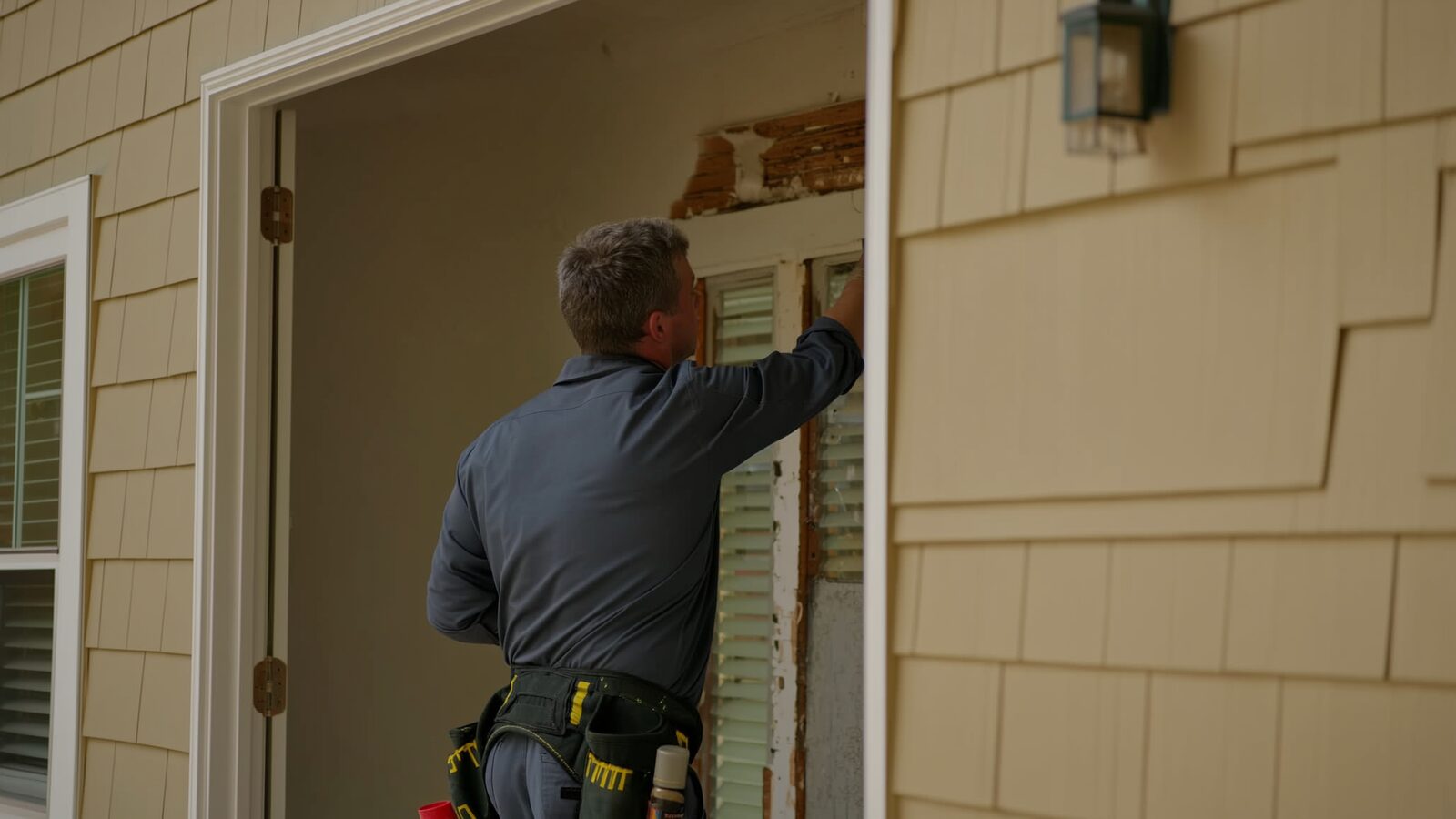
Partial Loss vs Total Loss After a Fire: What the Difference Means for Rebuilding
What "partial loss" actually means
A partial loss means the structure is damaged but repairable. Some portion of the home, framing, roof, walls, is still structurally sound enough to build back around. That doesn't mean the damage is minor. A partial loss can still mean an entire wing of a house is stripped to the studs, or that every surface needs to be cleaned or replaced because of smoke penetration, even where flames never reached. The distinction isn't about how bad it looks. It's about whether the remaining structure can safely support repair and rebuilding, rather than needing to come down entirely.
What "total loss" actually means
A total loss usually means the cost to repair the structure exceeds, or comes close to exceeding, what it would cost to rebuild it from the ground up, or that the structure itself is no longer safe to build around. This determination often involves an insurance carrier's own valuation as much as it does the physical condition of the house. Two homes with similar-looking damage can end up classified differently depending on their pre-fire value, local rebuilding costs, and the specifics of the policy. That's part of why the term can feel disorienting: it is as much a financial and structural calculation as it is a description of what you're looking at.
Why the distinction changes everything about the rebuild
The classification affects the entire path forward. A partial loss often moves through phases: mitigation and cleanup, structural drying or soot remediation, then targeted reconstruction of the damaged areas, all while some parts of the home may remain usable or salvageable. A total loss typically means demolition of what remains, permitting for new construction, and a rebuild that starts closer to a blank slate. The permitting, the timeline, the way contractors scope the work, and the way insurance pays out claims all follow different tracks depending on which category applies. Knowing which one you're dealing with helps set realistic expectations for how long the process might take and what it will involve.
Smoke, soot, and hidden damage that complicate the label
One of the hardest parts of assessing fire damage is that visible burn damage is only part of the picture. Smoke residue is acidic and can continue to corrode metal, discolor surfaces, and degrade materials for a period after the fire itself is out. HVAC systems can spread soot particles throughout a house, contaminating rooms far from the fire's origin. Water used to fight the fire adds another layer, saturating drywall, insulation, and subflooring in ways that aren't obvious right away. All of this can shift a structure's classification as inspection continues, which is why an initial impression at the scene isn't always the final word.
Questions worth asking during the assessment
It helps to ask directly: is this classification based on structural safety, cost thresholds, or both? What specific areas are considered salvageable, and what does that mean for the rooms that look fine right now? Is the classification final, or could it change as remediation begins and more damage is uncovered? Getting clear answers to these questions early can prevent confusion later, when decisions about demolition, rebuilding scope, and insurance settlement start to move quickly. To learn more about how these categories connect to the physical rebuilding process, see Reconstruction & Rebuild and Fire Damage Restoration.
Questions people ask us
Who decides whether a fire is a partial loss or a total loss?
It's typically a combination of a structural assessment (is the remaining frame safe to build around) and an insurance carrier's cost evaluation (does repair cost approach or exceed rebuild cost). Both structural professionals and insurance adjusters are usually involved.
Can a partial loss turn into a total loss later?
Yes. As remediation begins and contractors open up walls, ceilings, or flooring, hidden smoke, heat, or water damage can be found that changes the scope and cost significantly, sometimes shifting the classification.
Does a partial loss mean less disruption to daily life?
Not necessarily. A partial loss can still require a family to be out of the home for an extended period, especially if smoke remediation, structural drying, or rebuilding affects shared systems like HVAC, electrical, or plumbing throughout the house.
What happens to undamaged belongings in a total loss?
Belongings in areas untouched by fire may still suffer smoke or water damage. Assessing which items can be cleaned and restored versus which need to be replaced is usually a separate process from the structural classification of the home itself.
The standard our team works to
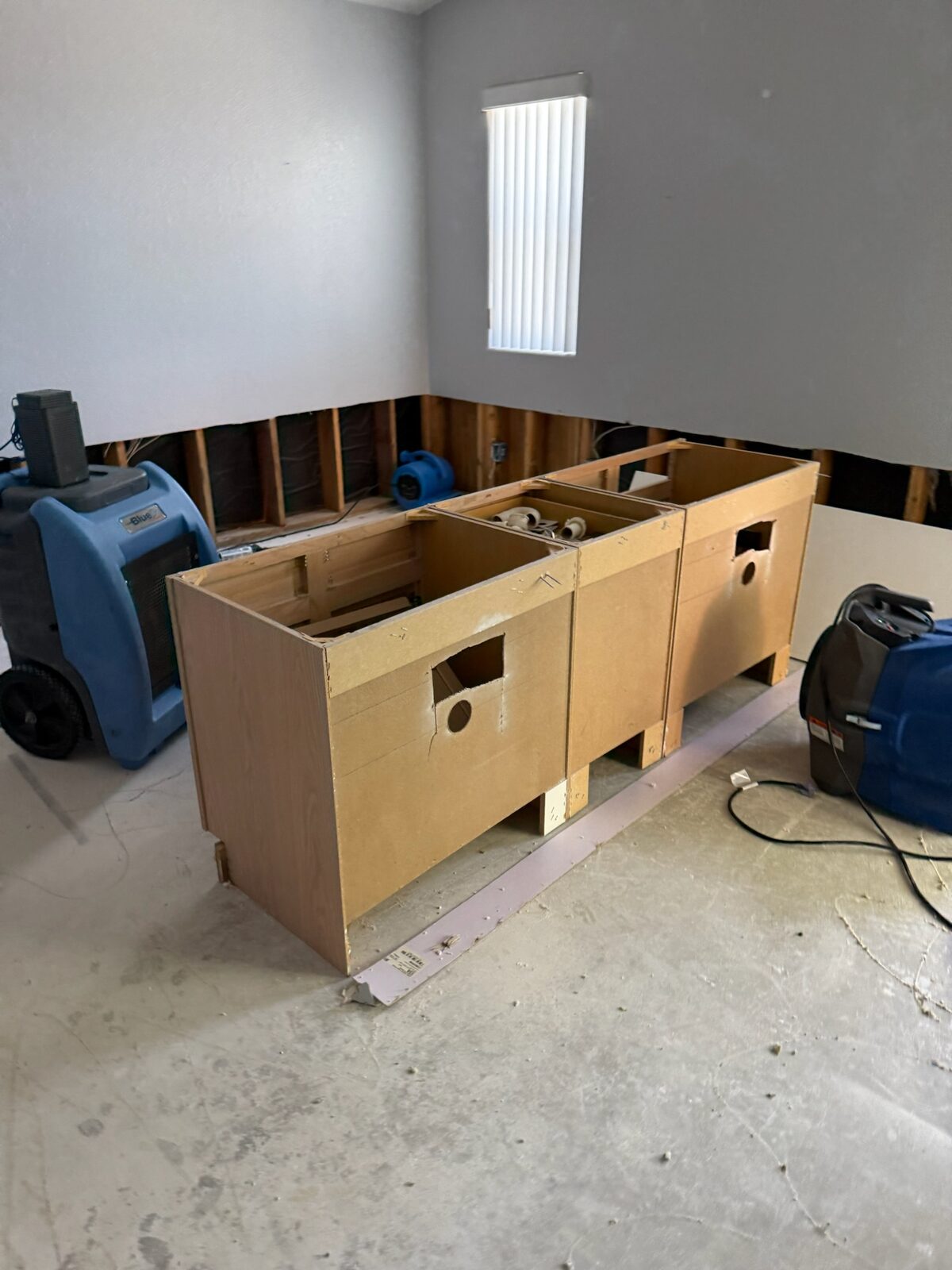
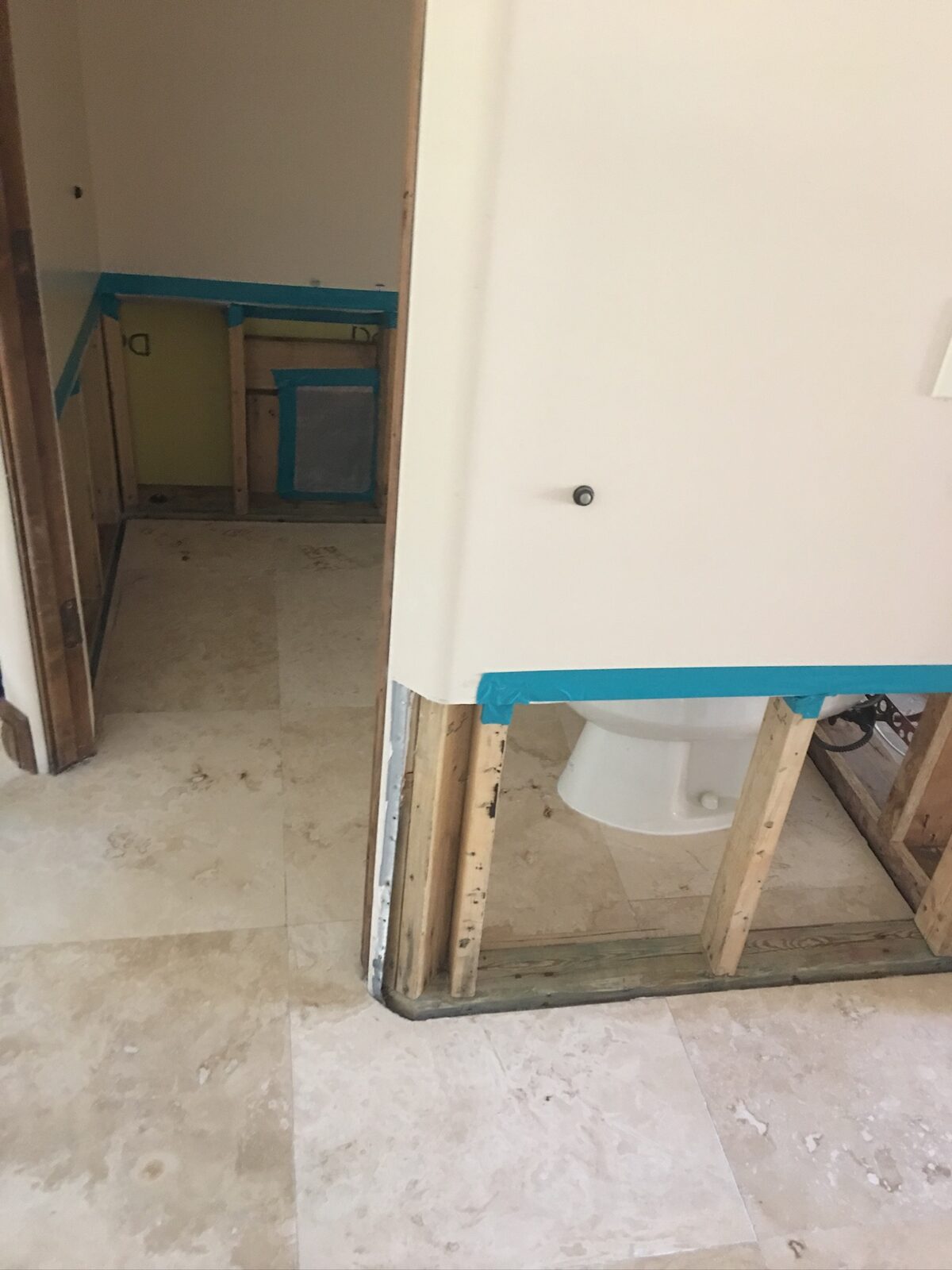
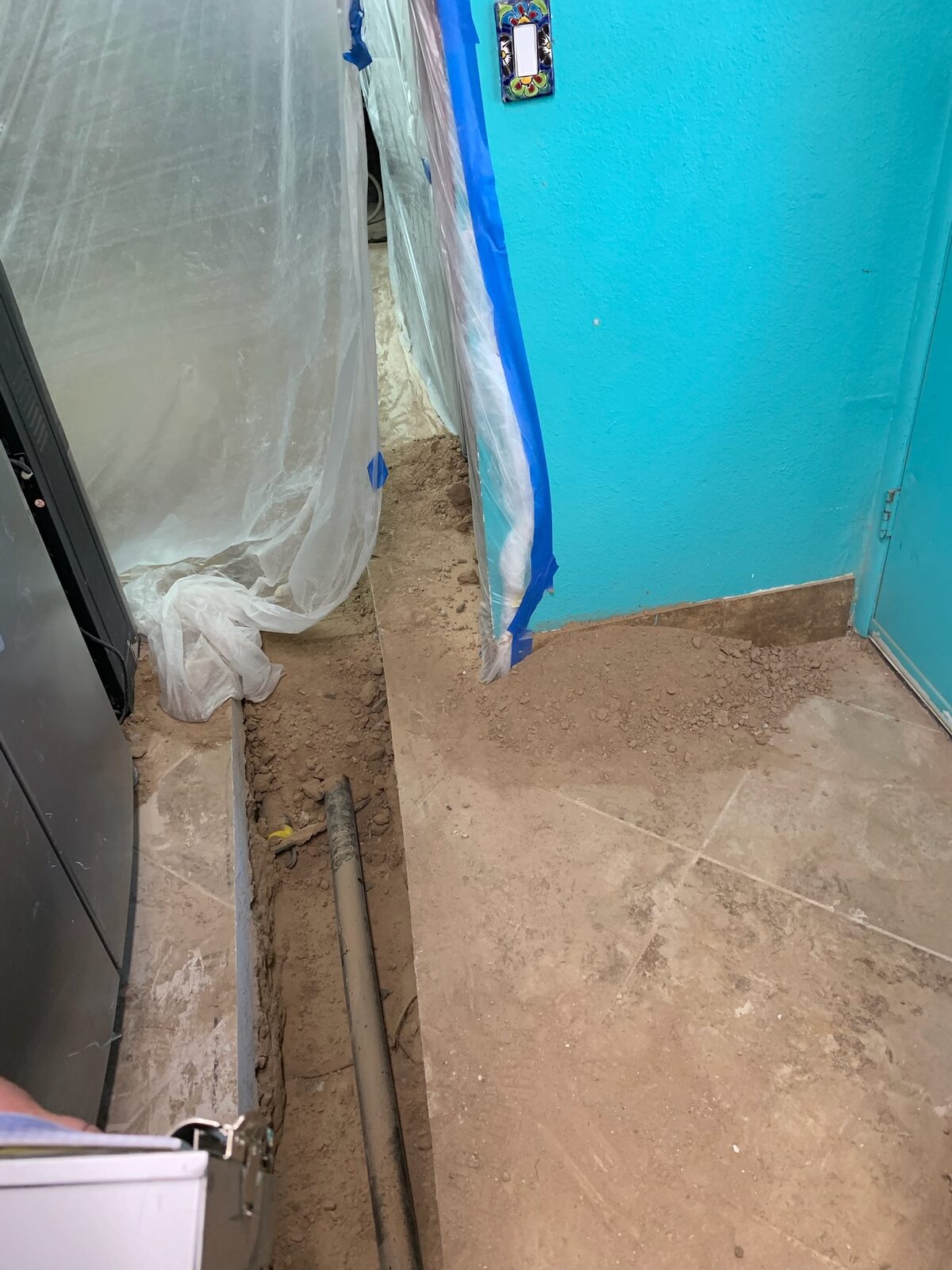
Residential reconstruction work by members of our team. See the full gallery →
More from Gold Water Fire
Abrasive Cleaning Methods for Soot on Framing and Masonry
A look at how abrasive cleaning methods remove soot from wood framing and masonry after a fire, and when each method fits the material.
AC Condensate Line Clogs & the Water Damage They Cause in Phoenix Homes
Why Phoenix AC condensate lines clog every summer, what the water damage looks like, and how to find the source before the ceiling stain spreads again.
Actual Cash Value vs Replacement Cost: Why Your Check Might Not Match the Repair Bill
Confused why your insurance check seems short after fire or water damage? Learn the difference between actual cash value and replacement cost coverage.
Not sure which category your home falls into?
Gold Water Fire can walk your property with you and explain what we're seeing in plain terms. Reach us at (480) 999-3339 or Help@goldwaterfire.com.
Call (480) 999-3339Reconstruction & Rebuild · Fire Damage Restoration · Contact Gold Water Fire