
Why Electrical Systems Need a Safety Check After a Fire Before Power Is Restored
The fire is out, and the house is still standing, and somewhere in the back of your mind a question keeps circling that you have not quite said out loud yet: why can nobody just turn the lights back on. You have been told to wait, maybe more than once, by more than one person, and nobody has fully explained it in a way that settles. It feels like one more delay stacked on a day that already took too much. That frustration is fair. Sitting in a dark house you own, with a utility meter you pay for, waiting on a permission you did not ask to need, is its own quiet kind of loss, separate from the fire itself.
Why Electrical Systems Need a Safety Check After a Fire Before Power Is Restored
A fire does damage to wiring you cannot see from the outside
Most home wiring is copper with a plastic insulation jacket, usually thermoplastic. That jacket is the only thing keeping the current inside the wire and off the wood framing around it. Heat degrades it long before it looks burned. Insulation can soften, shrink back from the conductor, crack, or become brittle enough that it flakes off when the wire is moved. A cable pulled out of a wall three rooms from the fire can look perfectly normal and still have lost the flexibility that kept it sealed. That is the core reason a visual glance is not enough: the damage that matters most is a change in a material property, not a scorch mark. Heat also travels along the metal itself. Copper conducts heat well, so a run of cable that passes near the fire carries that heat outward into areas that never saw flame. The same is true inside a wall cavity, where hot smoke and gases move upward through stud bays and around top plates, cooking wiring on floors above the origin point.
Insulation breakdown
Softened or cracked insulation lets conductors touch each other or touch metal boxes, framing nails and ductwork. That is a short circuit or a ground fault waiting for the moment power returns.
Heat carried down the wire
Copper moves heat away from the fire area. Damage can show up in cable runs, junction boxes and devices well outside the room that burned.
Corrosive smoke residue
Smoke from burning plastics and household goods carries chlorides and other corrosive compounds. Those settle inside panels, breakers, outlets and switches and keep attacking metal contacts after the fire is over.
Water from suppression
Whatever put the fire out went somewhere. Water and firefighting foam get into panels, boxes and light fixtures, and moisture plus corrosive residue is a worse combination than either alone.
Why turning the power back on too soon is the dangerous part
An electrical system with compromised insulation is mostly harmless while it is dead. The hazard is created at the moment it is energized. Current finds the new path that heat or corrosion opened up, and that path may run through a wall cavity full of dry, charred framing, or through a wet ceiling, or through a metal box someone can touch. Breakers are not a complete answer here. A breaker is designed to trip on a large overcurrent or a dead short. It is not designed to catch a high resistance fault, which is the kind that arcs quietly at a loose or corroded connection and produces a lot of heat in a very small spot. High resistance faults are a well documented cause of fires that start days or weeks after the event that damaged the wiring. That delay is exactly what makes them frightening: the house passes the first night fine, and the family moves back in, and the failure comes later. Corrosion works on the same delay. Chloride residue on a breaker contact or an outlet terminal does not stop the circuit from working. It slowly increases resistance at that point until the connection runs hot. This is why smoke damage inside an electrical panel is treated as a reason to replace components rather than clean them, and why panels that took water are generally not returned to service as is.
Who checks what, and in what order
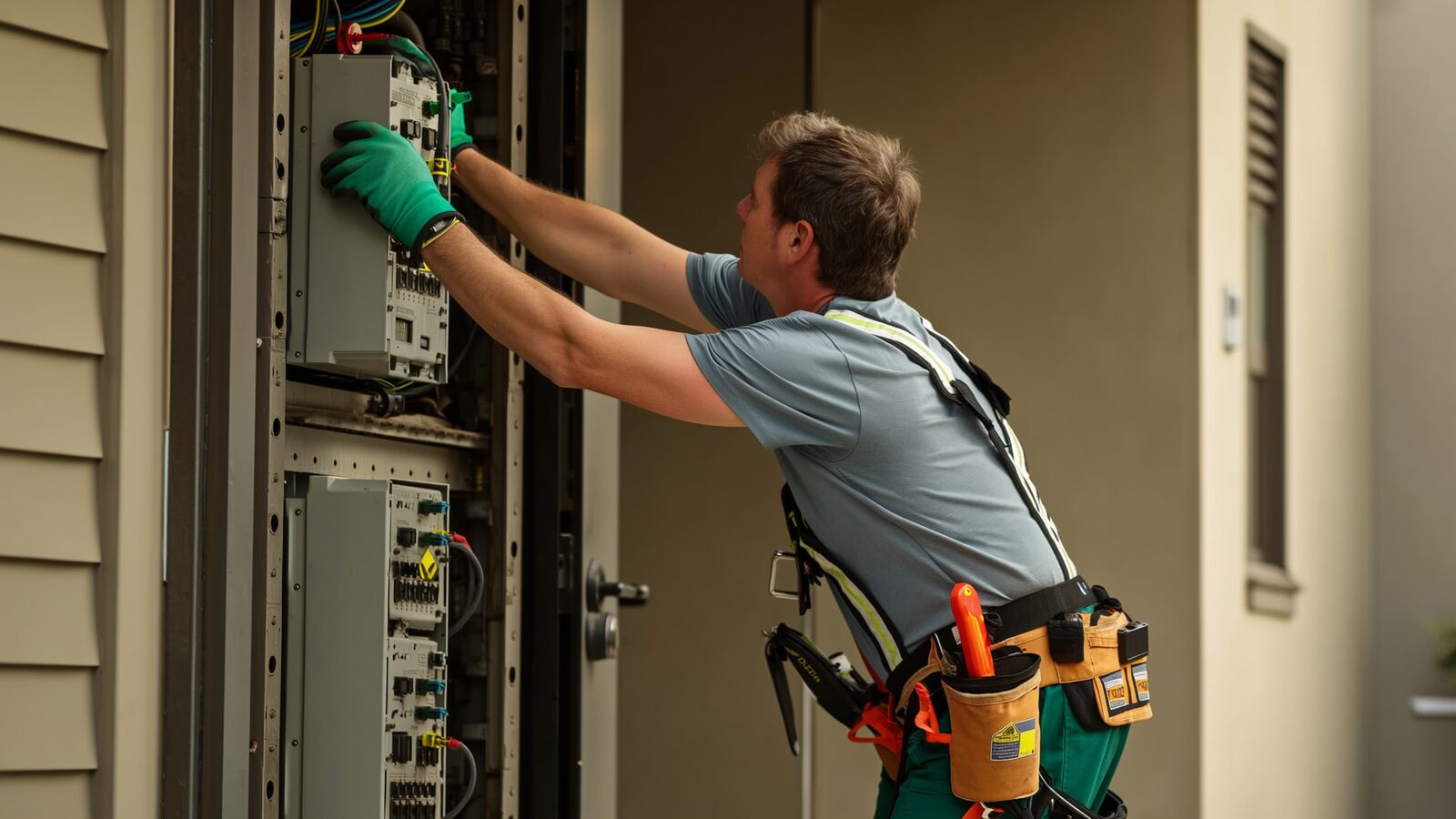
There is usually more than one authority involved, and understanding who does what removes some of the sense of being stuck in an unexplained delay. The fire department controls the scene first and typically has the utility disconnect power at the meter or the pole. The utility will not reconnect on a homeowner's request alone once the service has been pulled for fire. A licensed electrician assesses the system: the service entrance, the meter base, the panel, branch circuits, devices and fixtures. Wiring that ran through heat, took water, or sits in smoke residue is tested or replaced rather than assumed good. Where the damage is significant, the electrician is often re-wiring sections rather than repairing them, because replacing a cable run is faster and more defensible than proving an old one is still sound. Then the local building department inspects the work and signs off. Only after that release does the utility restore service. In some situations the electrician can create a limited temporary setup so a small number of circuits can run for drying equipment and lighting, isolated from the damaged portions. That is a common way to keep restoration work moving while the full system is still out. Documentation matters through all of this, because your insurer is deciding what gets paid for. Photos of the panel interior, notes on which circuits fed which areas, and the electrician's written findings all become part of that record. Read more about how the rebuild phase fits together on our reconstruction and rebuild page, and about the cleanup that comes first on our fire damage restoration page.
What to do and what not to do while the power is off
Do not reset a breaker or pull the main back on yourself, even if it looks untouched. Do not run an extension cord from a neighbor or a working circuit into the fire area to power fans or lights, because you are energizing the exact environment that needs to stay dead. Keep generators outside and well away from windows and doors, and never connect one to house wiring without a transfer switch installed by an electrician. Treat every outlet, switch and fixture in the affected area as suspect until an electrician says otherwise, including ones that look clean. Assume smoke got into places you cannot see, because it did. If firefighting water soaked through ceilings, the fixtures below are wet inside whether or not they are dripping now. Also worth knowing: hardwired smoke alarms lose their primary power with the rest of the house. Battery units in unaffected rooms should be checked, because you will likely be in and out of the property, and drying equipment and temporary power both introduce their own risk. If water from suppression spread beyond the fire area, drying needs to start regardless of the electrical timeline, which is covered on our water damage restoration page.
Questions people ask us
Can an electrician just clean the panel instead of replacing it?
Generally no, when smoke or water reached the inside of it. Smoke residue from household fires is corrosive and settles on breaker contacts and bus bars where it cannot be reliably removed. Manufacturers do not rate breakers for reconditioning after contamination, and a cleaned breaker that later fails to trip is a serious liability. Panels exposed to fire smoke or suppression water are usually replaced along with the breakers in them.
Why can the utility not just turn my power back on?
Once service has been disconnected because of a fire, the utility typically requires a release from the local building or electrical inspector before reconnecting. That inspector wants to see that a licensed electrician has evaluated and repaired the system. It is a sequence, not a single phone call, which is why it takes longer than homeowners expect.
The fire was in the garage. Why is the wiring upstairs a concern?
Heat travels along copper conductors and hot smoke moves upward through wall cavities and around framing. A circuit that originates near the fire can carry damage into rooms that never saw flame, and smoke pushed into stud bays deposits corrosive residue in boxes and fixtures far from the origin. This is why the evaluation covers the whole system rather than only the burned room.
Can we get temporary power so drying equipment can run?
Often yes. An electrician can sometimes set up a limited temporary arrangement that feeds a small number of circuits or a temporary panel, isolated from the damaged wiring, so fans, dehumidifiers and work lights can operate. Whether that is possible depends on the condition of the service entrance and on local inspection requirements.
The standard our team works to
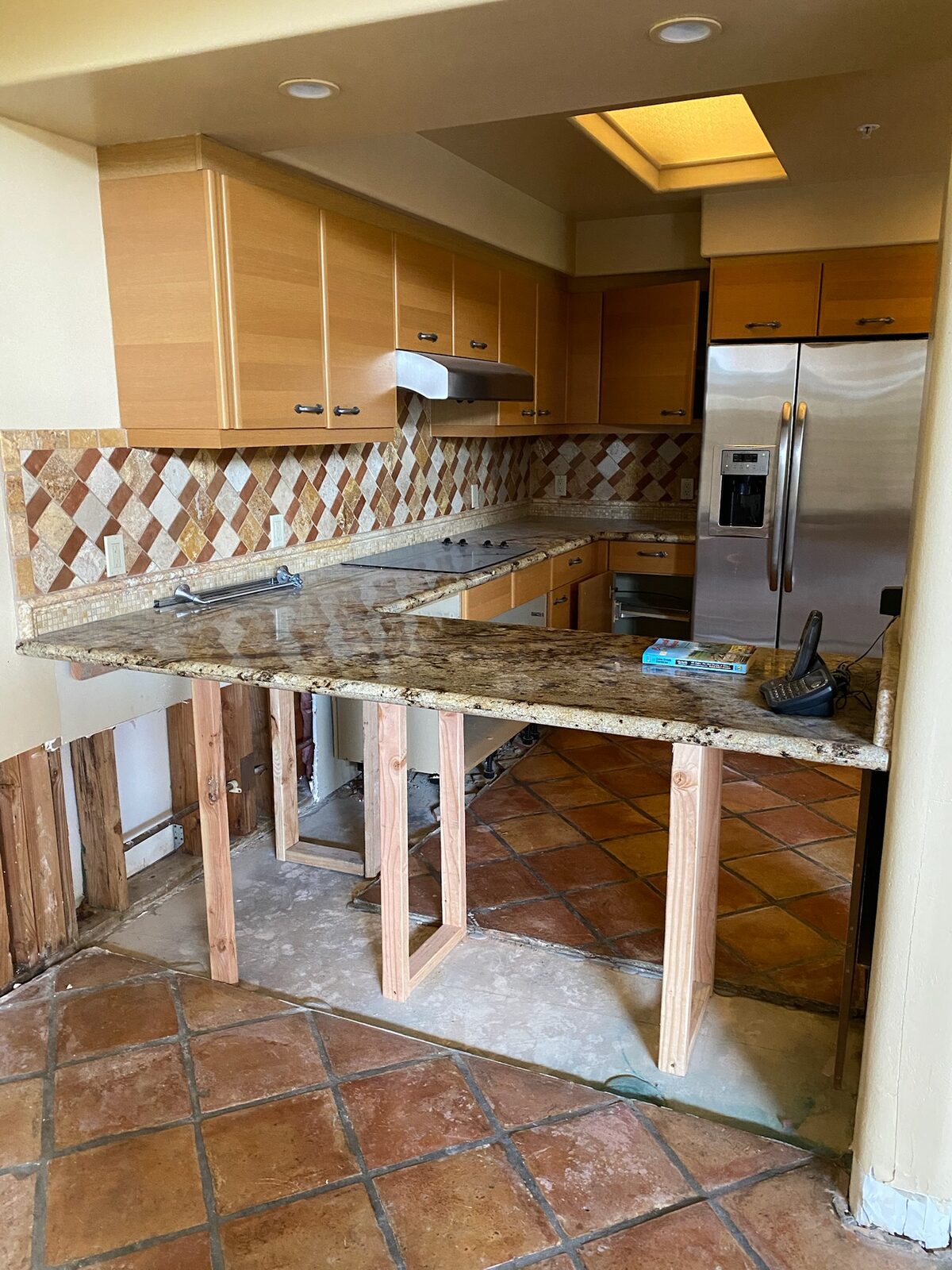
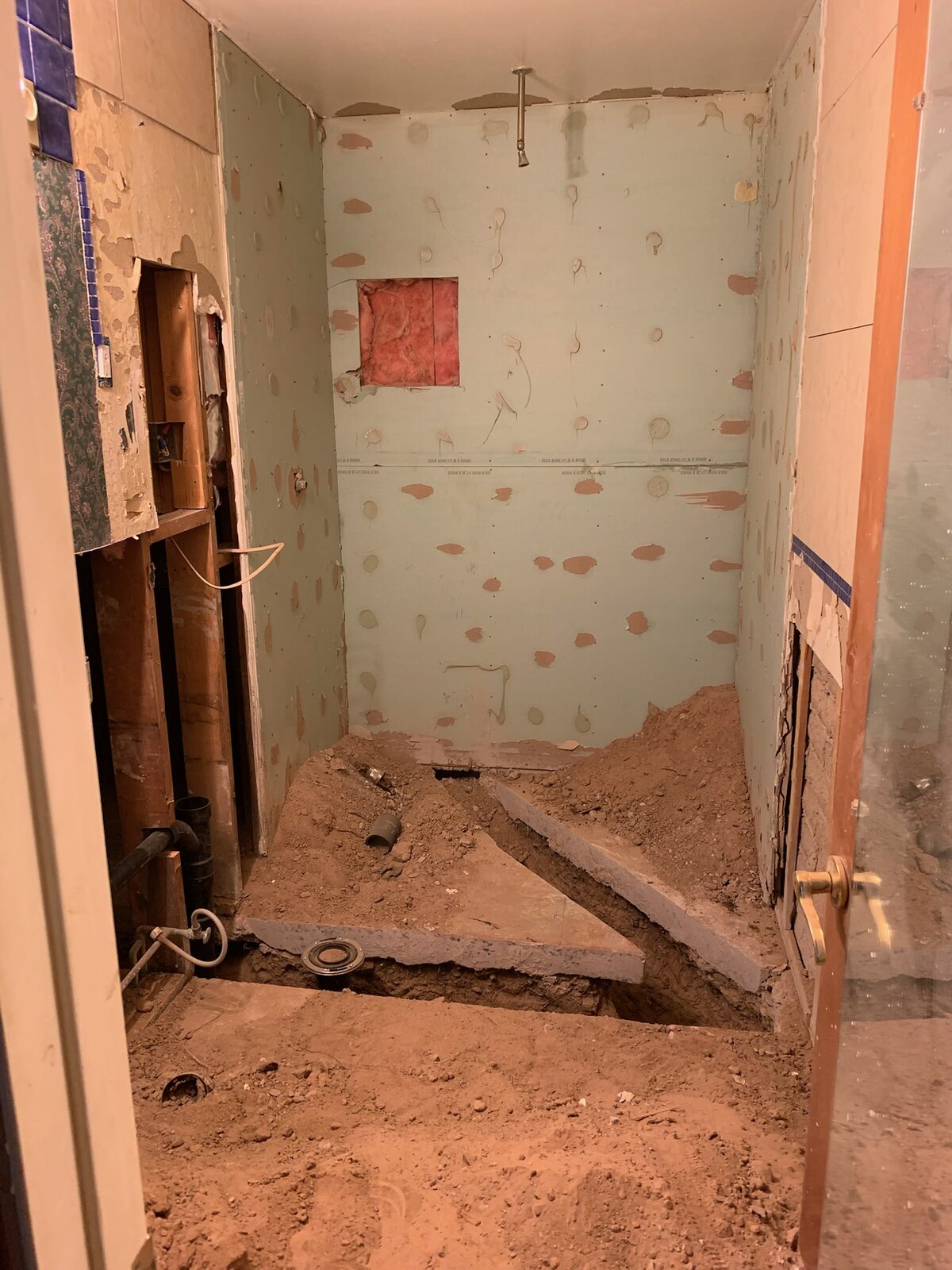
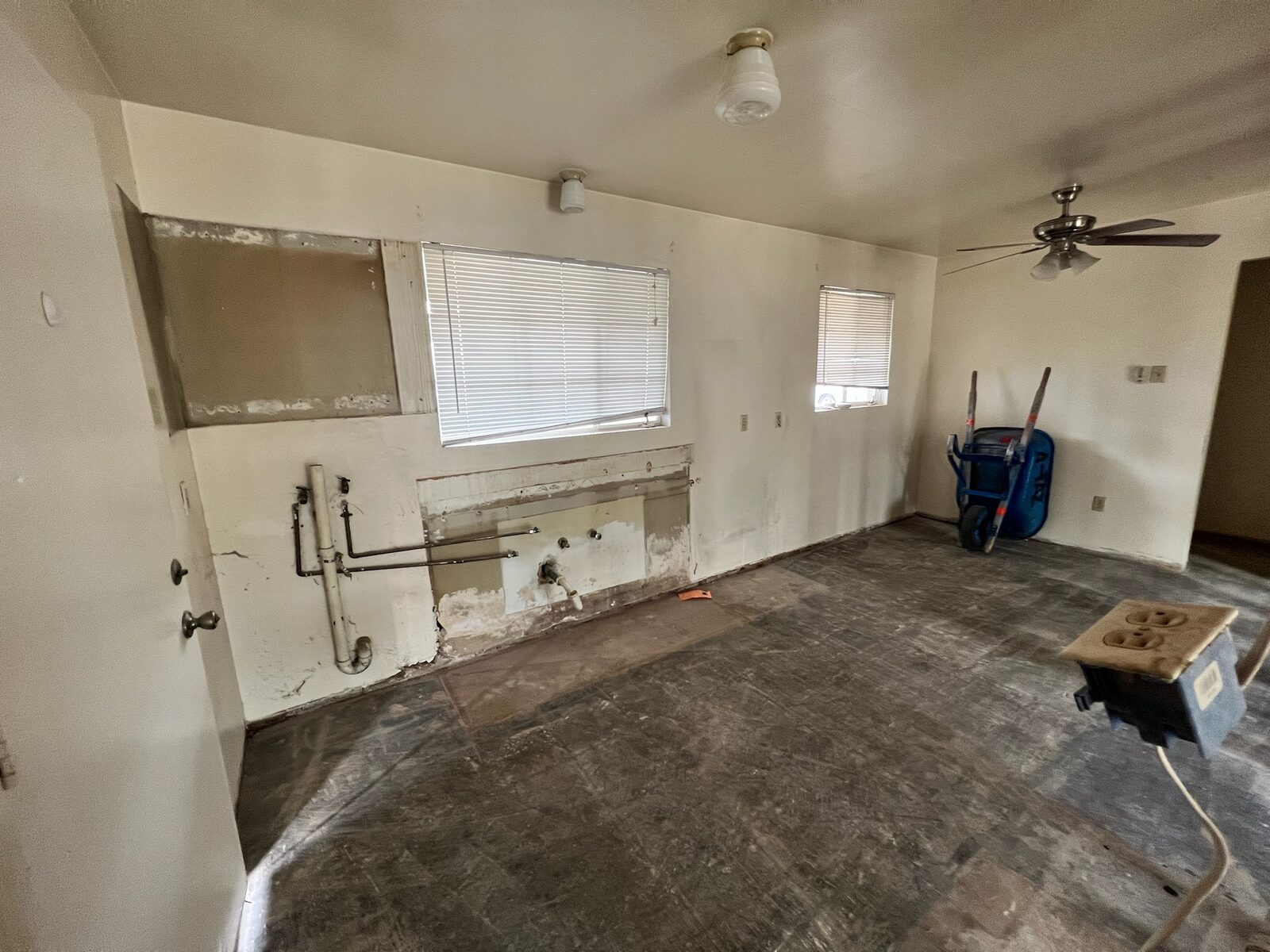
Residential reconstruction work by members of our team. See the full gallery →
More from Gold Water Fire
Abrasive Cleaning Methods for Soot on Framing and Masonry
A look at how abrasive cleaning methods remove soot from wood framing and masonry after a fire, and when each method fits the material.
AC Condensate Line Clogs & the Water Damage They Cause in Phoenix Homes
Why Phoenix AC condensate lines clog every summer, what the water damage looks like, and how to find the source before the ceiling stain spreads again.
Actual Cash Value vs Replacement Cost: Why Your Check Might Not Match the Repair Bill
Confused why your insurance check seems short after fire or water damage? Learn the difference between actual cash value and replacement cost coverage.
If you are stuck waiting and nobody has explained why
You can call Gold Water Fire at (480) 999-3339 or email Help@goldwaterfire.com and ask questions about your situation, including where you are in the sequence and what usually comes next. We handle fire and water damage work and the reconstruction that follows it across the Phoenix metro area, from Peoria and Avondale out to San Tan Valley, Apache Junction and beyond. AZ ROC #264344 KB-2.
Call (480) 999-3339Fire Damage Restoration · Water Damage Restoration · Reconstruction & Rebuild · Contact Us · About Gold Water Fire