
Why Kitchen & Cooking Fires Are the Most Common House Fire, and How to Prevent One
Maybe it has happened more than once. A pan got away from you, the smoke alarm went off while you were carrying laundry down the hall, oil crept up past the point where it should have and started to smell sharp. Nothing burned down. You opened a window, waved a towel at the ceiling, and told yourself you would be more careful. But it keeps happening, in small ways, and you have not quite put your finger on why. It is easy to read that as carelessness, as a personal failing you should have outgrown. It usually is not. The kitchen is the one room in a house where open heat, grease, cloth, paper, plastic, and a distracted person all occupy the same four feet of counter, several times a day, for years. The near misses are not random. They are the shape of the room itself, and they are worth sitting with before you try to fix anything.
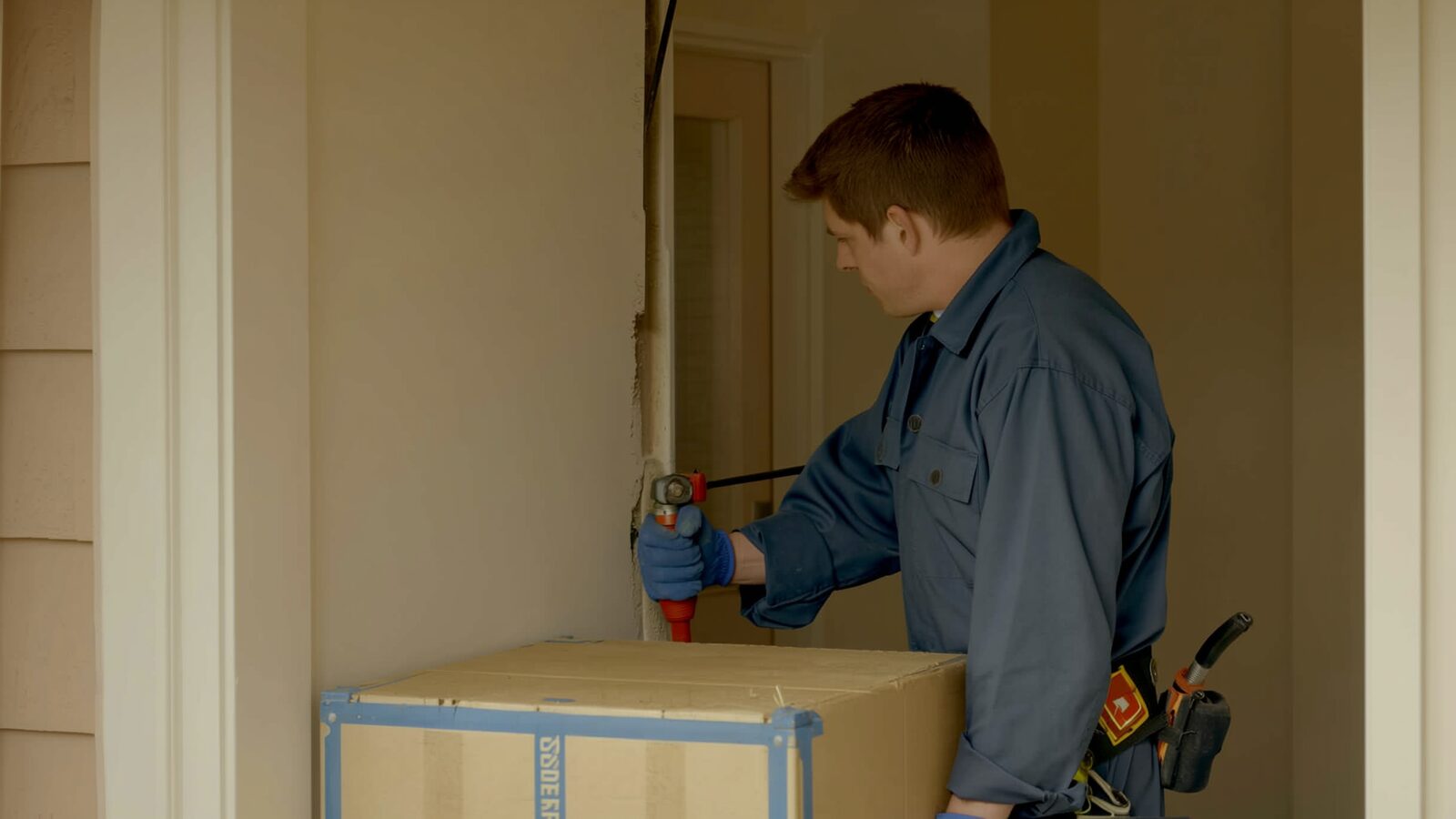
Why Kitchen & Cooking Fires Are the Most Common House Fire, and How to Prevent One
Cooking causes more home fires than any other activity, and the reason is boring
Fire needs three things at once: fuel, heat, and oxygen. Almost nowhere in a house do all three sit together on purpose except a stove. A burner or an oven element is a deliberate, sustained ignition source you turn on by hand, often more than once a day. Around it sits everything that burns well: cooking oil, butter, a paper towel roll, a bag of bread, a plastic cutting board, a dish towel folded over the oven handle, the sleeve of whatever you are wearing. The second reason is attention. Fires are almost never started by the moment you are watching the pan. They start in the ninety seconds you stepped away to answer the door, check on a kid, or find the colander. Unattended cooking is the single largest cause of cooking fires, and it is a cause with no villain in it. Nobody sets out to leave a pan. It just takes one interruption arriving at the wrong minute. The third reason is heat you cannot see. Oil does not announce itself. It gets hot, thins out, starts to shimmer, then wisps of smoke come off it, and then it reaches its ignition point and lights on its own with no flame ever touching it. There is no bright warning between fine and on fire. That gap is where most kitchen fires live.
The four ways a kitchen fire usually starts
If your near misses keep repeating, it helps to know which of these you are actually running into. They have different fixes.
Grease and oil going past their smoke point
Frying oil that keeps heating will smoke first, then self ignite. Most common with deep frying, shallow frying in a lot of oil, or a pan of bacon fat left on a burner that was never turned all the way off. Once it is burning, water makes it worse: water sinks under the oil, flashes to steam, and throws burning grease upward and outward. This is the mechanism behind almost every dramatic kitchen fire video you have seen.
Something combustible too close to the burner
Dish towels, oven mitts, paper towels, cardboard packaging, wooden utensils resting in a pan, and plastic bag handles. A rear burner left on low under a towel on the backsplash rail will smolder for a long time before it flames. Clothing is part of this too, loose sleeves and open robes reaching over a front burner.
Buildup in the range hood, filter, and oven
Grease vapor condenses on the hood filter and inside the duct. Over months that becomes a sticky, flammable film sitting directly above an open flame. Same story with spilled sugar, cheese, and grease baked onto an oven floor or broiler pan, which will smoke heavily and can flame during a high heat or self clean cycle.
Appliances and wiring
Toaster ovens run against a wall or under a cabinet, air fryers vented into a cupboard, a microwave with metal in it, coffee makers and toasters on a shared circuit with heavy draw, cracked or heat damaged cords, and extension cords carrying a heat producing appliance. A toaster crumb tray that has never been emptied is a tray of dry fuel under a heating element.
The habits that actually move the number, not the ones that sound good
Stay in the kitchen when you are frying, grilling, broiling, or using any burner on high. If you have to leave, turn the burner off. Cold food is a smaller problem than a fire. Set a timer when you simmer, bake, or roast, and carry it with you. Long, low cooking is safer per minute but far easier to forget entirely. Keep a clear zone. Nothing that burns within about arm's reach of a burner: no towels on the oven handle while a burner is on, no paper towel roll on the counter beside the stove, no packaging set down on a warm cooktop. Turn pot handles inward so a passing sleeve or child cannot catch one. Heat oil slowly and watch it. If it smokes, it is already past where you want it. Turn the heat down and let it cool before you add food. Dry food before it goes in hot oil, because water in oil throws spatter. Keep a lid within reach of the pan you are using. A metal lid slid over a burning pan, followed by turning off the heat, smothers a grease fire better than anything else in the room. Never water, never flour, never moving a burning pan to the sink or outside. Keep a working fire extinguisher rated for grease and electrical fires (Class K or a multipurpose ABC) mounted near the kitchen exit, not behind the stove where a fire would block it. Know how to pull the pin before you need to. Clean the grease. Wash or replace the hood filter on a schedule, wipe the backsplash and cooktop, empty the toaster crumb tray, and clear spills off the oven floor before you run high heat. Check your smoke alarms. Test them monthly, and if yours goes off every time you sear a steak, do not remove the battery. Move the alarm farther from the stove or switch that location to a photoelectric unit, which is less prone to nuisance alarms from cooking smoke. A disabled alarm is the most common thing found in houses where a cooking fire got large. Be honest about the higher risk moments: cooking late at night, cooking after drinking, cooking while managing a toddler, cooking in an unfamiliar kitchen during a holiday with six other people in the room. Those are not moral failures, they are the conditions where attention is spread thin, and the fix is usually to cook something that does not need watching.
When the fire is out and the house is not the same
Even a fire that stayed inside a single pan leaves work behind. Cooking fires produce heavy, greasy soot that carries on air currents into rooms far from the kitchen, settles on walls and ceilings, and works into cabinet interiors, upholstery, and clothing. Smoke odor binds to porous materials and comes back with heat and humidity if the surfaces were only wiped, not properly cleaned and sealed. If an extinguisher was used, the residue is corrosive on appliances and electronics and needs prompt attention. And if the fire department came, there is usually water to deal with too, which is why smoke and water damage so often show up as one job rather than two. If that is where you are, our fire damage restoration page walks through what cleanup and deodorization involve, and water damage restoration covers the drying side. When cabinets, drywall, or flooring have to come out and go back in, that is reconstruction and rebuild work. You do not have to sort out which one you need. Describing what happened is enough to start.
Questions people ask us
What should I do the moment a pan of oil catches fire?
Do not move the pan and do not use water. Slide a metal lid or a baking sheet over the pan from the side, keeping your hand and face back, then turn off the heat and leave it covered until it is completely cool. If the flames are above the pan, already touching the cabinets or hood, or you are not confident, get everyone out and call 911 from outside. Closing the kitchen door behind you slows the fire down.
Is baking soda safe to put on a grease fire?
A large amount of baking soda can smother a small, contained grease flame, and it is better than water. But it takes far more than most people expect, and reaching over a burning pan to pour it is risky. A lid is the more reliable first move. Never use flour, sugar, or baking powder, which can ignite or explode into a dust flash.
My smoke alarm goes off every time I cook. What is the right fix?
Do not disable it. Try clearing dust from the alarm, improving ventilation with the range hood or a window, and moving the alarm at least ten feet from the stove where placement allows. Photoelectric alarms tend to false alarm less on cooking smoke than ionization units. If the alarm is more than about ten years old, it is at the end of its service life and should be replaced regardless.
There was only a little smoke. Do I really need anything cleaned?
Sometimes not. But smoke odor and soot travel further than the visible mark suggests, and grease soot in particular clings to walls, cabinet interiors, and fabric. A useful test is time: if the smell keeps returning after a few days of airing out, or comes back when the house warms up, the residue is still in the materials and surface wiping will not resolve it.
The standard our team works to
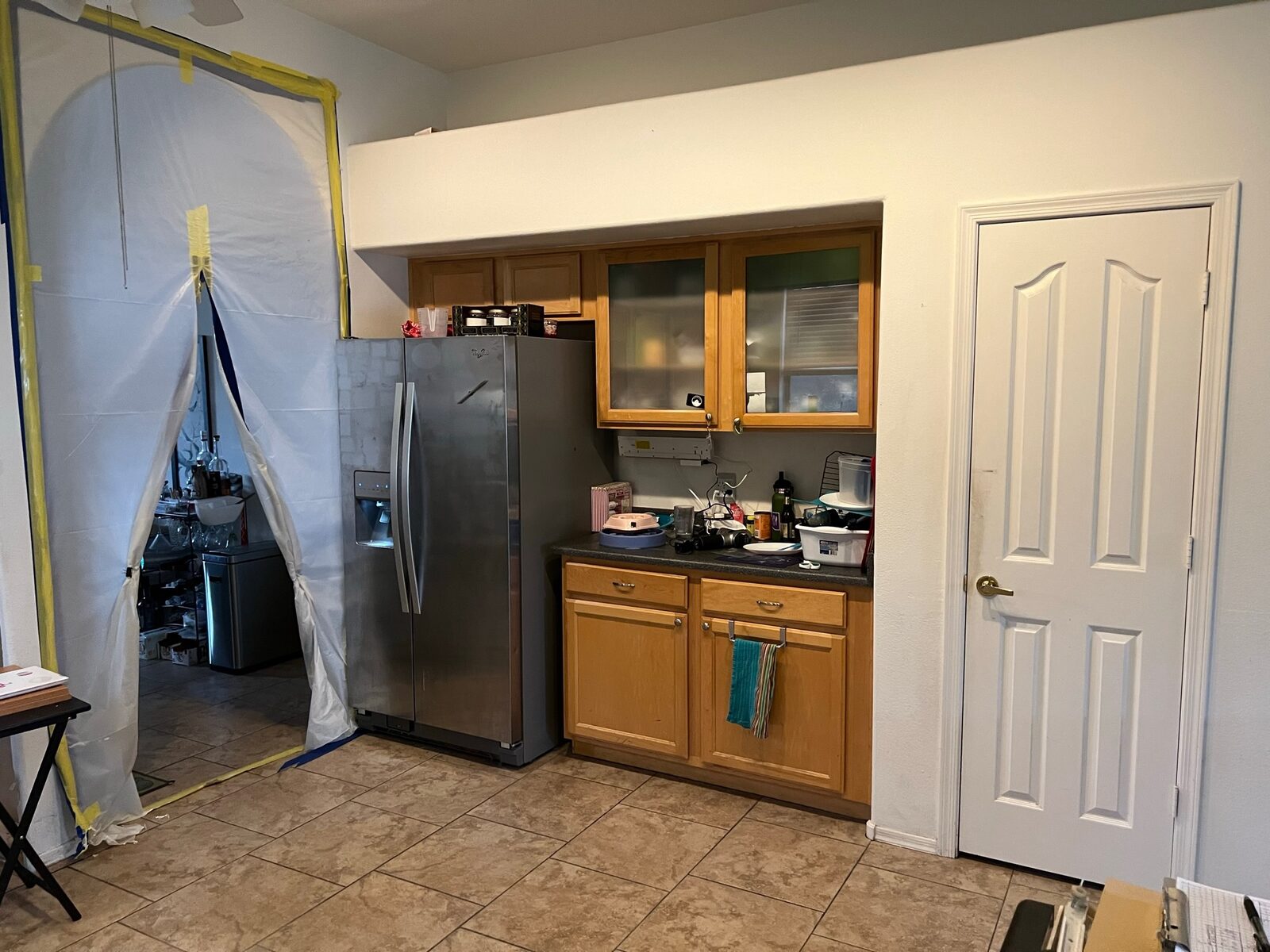
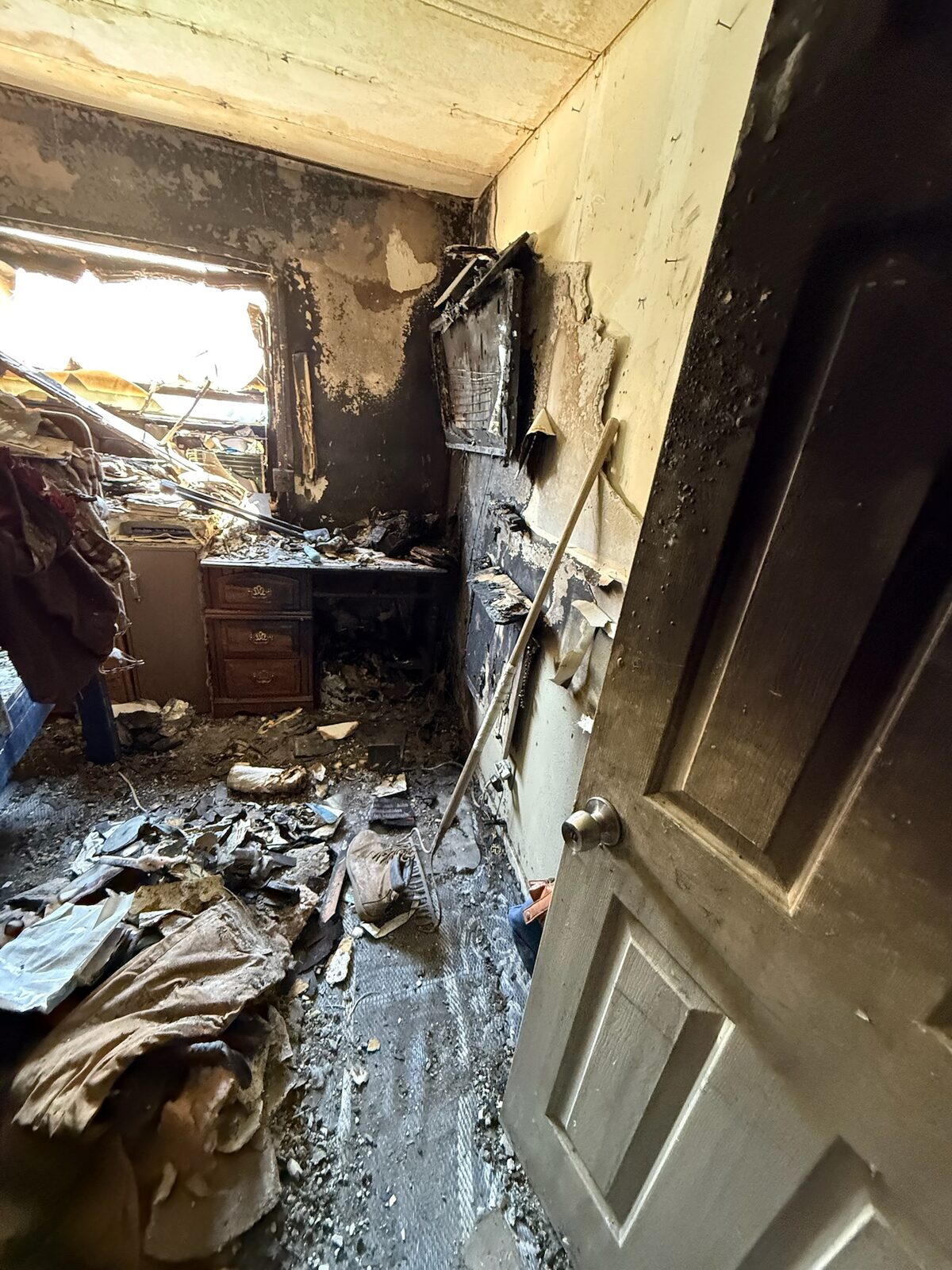
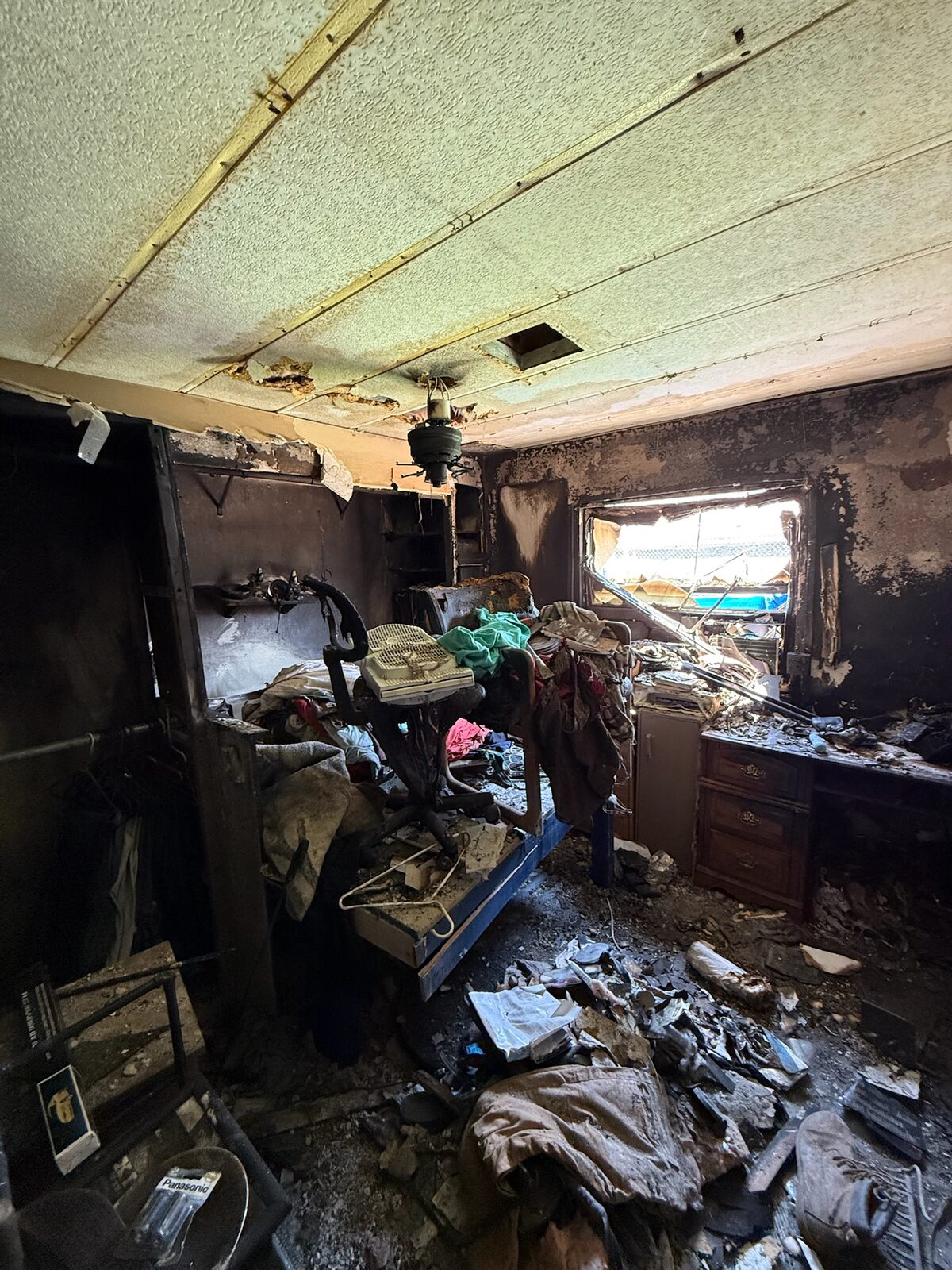
Residential reconstruction work by members of our team. See the full gallery →
More from Gold Water Fire
Abrasive Cleaning Methods for Soot on Framing and Masonry
A look at how abrasive cleaning methods remove soot from wood framing and masonry after a fire, and when each method fits the material.
AC Condensate Line Clogs & the Water Damage They Cause in Phoenix Homes
Why Phoenix AC condensate lines clog every summer, what the water damage looks like, and how to find the source before the ceiling stain spreads again.
Actual Cash Value vs Replacement Cost: Why Your Check Might Not Match the Repair Bill
Confused why your insurance check seems short after fire or water damage? Learn the difference between actual cash value and replacement cost coverage.
If a cooking fire already happened, you can just describe it
Gold Water Fire handles fire and smoke cleanup, water damage, and the rebuild work that follows, across the Phoenix metro area from Peoria and Avondale to Queen Creek, San Tan Valley, and Apache Junction. Call (480) 999-3339 or email Help@goldwaterfire.com and tell us what happened. AZ ROC #264344, KB-2.
Call (480) 999-3339Fire Damage Restoration · Water Damage Restoration · Reconstruction & Rebuild · About Gold Water Fire · Contact Us