
Protein Smoke from Kitchen Fires, and Why It Is So Hard to Get Rid Of
If a pan of food caught fire on the stove and the flames were out in a minute or two, you might have expected the whole thing to be over almost as fast. Instead, days later, the smell is still there. It gets into your clothes after you've washed them. It's stronger in the morning when the house has been closed up overnight. You've opened every window, run fans, burned candles, and it keeps coming back, and it's hard not to wonder if something is actually wrong with the house now, or if you're just imagining it's worse than it is. You're not imagining it.
Protein Smoke from Kitchen Fires, and Why It Is So Hard to Get Rid Of
Why protein fires behave so differently from other house fires
Most people picture fire damage as charred wood, blackened walls, thick visible soot. That is what happens with a wood or paper fire, sometimes called a Class A fire, and it leaves behind a smell that is unpleasant but fairly straightforward: it is smoke, and it acts the way you would expect smoke to act. A kitchen fire involving meat, fish, oil, butter, or other food fat is a different chemical event entirely. When protein and fat burn or scorch, especially at lower heat over a longer stretch of time (a pot left on too long, a pan that smoked but never fully flamed), it releases an aerosol of extremely fine particles rather than the thicker soot of a wood fire. There is often very little visible char. A homeowner can walk into the kitchen after a scorched-pan incident, see almost no damage, and still be dealing with an odor that is worse than a fire that did real structural harm.
Why you can smell it everywhere except where the fire was
Protein smoke particles are small enough, and light enough, to travel on air currents throughout a house well beyond the room where the fire happened. They settle on cool surfaces: countertops, cabinet faces, the insides of drawers, glass, tile grout, HVAC ductwork, and fabric. Because the particles are largely invisible, they don't announce themselves the way soot does on a wall. Instead they sit there as an oily, almost varnish-like film that off-gasses odor slowly over time. That is why the smell can seem to move around a house, get worse when the AC kicks on and recirculates air past a coated duct or vent, or seem to fade and then return once humidity or temperature changes let the residue release more odor molecules.
Why cleaning it doesn't work the way you'd expect
Standard cleaning tools work on dirt, not on an odor-bearing film bonded to a surface. Wiping with soap and water, or spraying an air freshener, addresses what you can see and smell in the moment but does not break down the residue itself, which is why the smell returns within hours. Painting over a wall without first sealing and neutralizing the residue underneath is one of the most common mistakes: the odor molecules keep migrating through most standard paints, especially with heat or humidity. Odor from a protein fire generally requires a combination of source removal (cleaning affected surfaces with solvents made for combustion residue), thermal fogging or ozone treatment to reach air and porous materials that can't be wiped, and in some cases sealing surfaces with an odor-blocking primer before repainting. HVAC systems usually need to be inspected and often cleaned, since ductwork can recirculate the smell through the whole house for months if it's skipped.
How to tell if what you're dealing with is protein residue
A few signs point specifically to protein smoke rather than ordinary smoke odor. The smell is often described as sweet, greasy, or like rancid cooking oil rather than the campfire smell of burned wood. There may be very little visible soot or scorching even though the smell is strong. Surfaces near the kitchen, cabinets, appliance fronts, even items in nearby rooms, can feel slightly tacky or filmy to the touch. And the odor tends to intensify with heat: a closed house on a warm afternoon, a hot shower running nearby, or the oven being used again can all bring the smell back stronger.
Questions people ask us
Will the smell eventually just go away on its own?
Protein residue does not break down and disappear the way a food odor in the air does. The film stays on surfaces and continues to off-gas until it is physically cleaned, sealed, or removed. Ventilation can dilute the smell temporarily, but it tends to return once the house is closed up again.
Why does the smell get worse when I run the AC or heat?
Warm air causes odor-bearing residue to release more strongly, and if any residue reached the ductwork, the HVAC system can be actively circulating it through every room it serves, not just the kitchen.
Can I just repaint over the smell?
Paint alone usually does not stop protein smoke odor. The residue underneath needs to be cleaned and often sealed with an odor-blocking primer first, or the smell tends to work its way back through the new paint over time.
Does a small, low-flame kitchen fire really need professional cleaning?
Fire size and odor severity don't always match. A small, smoldering pan fire with little visible damage can release enough fine protein particulate to coat a wide area of the home, which is often why the smell feels disproportionate to what actually burned.
The standard our team works to
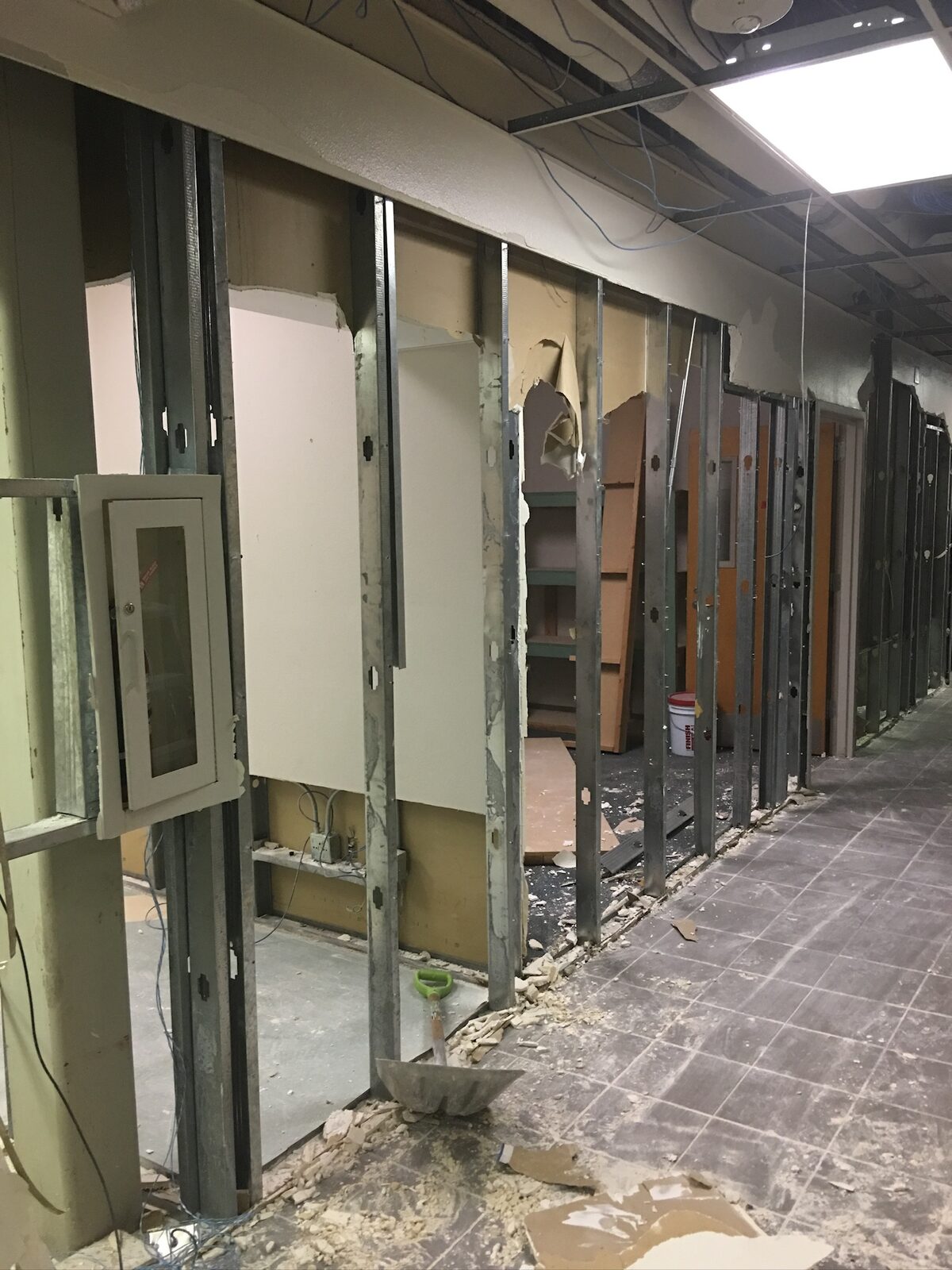
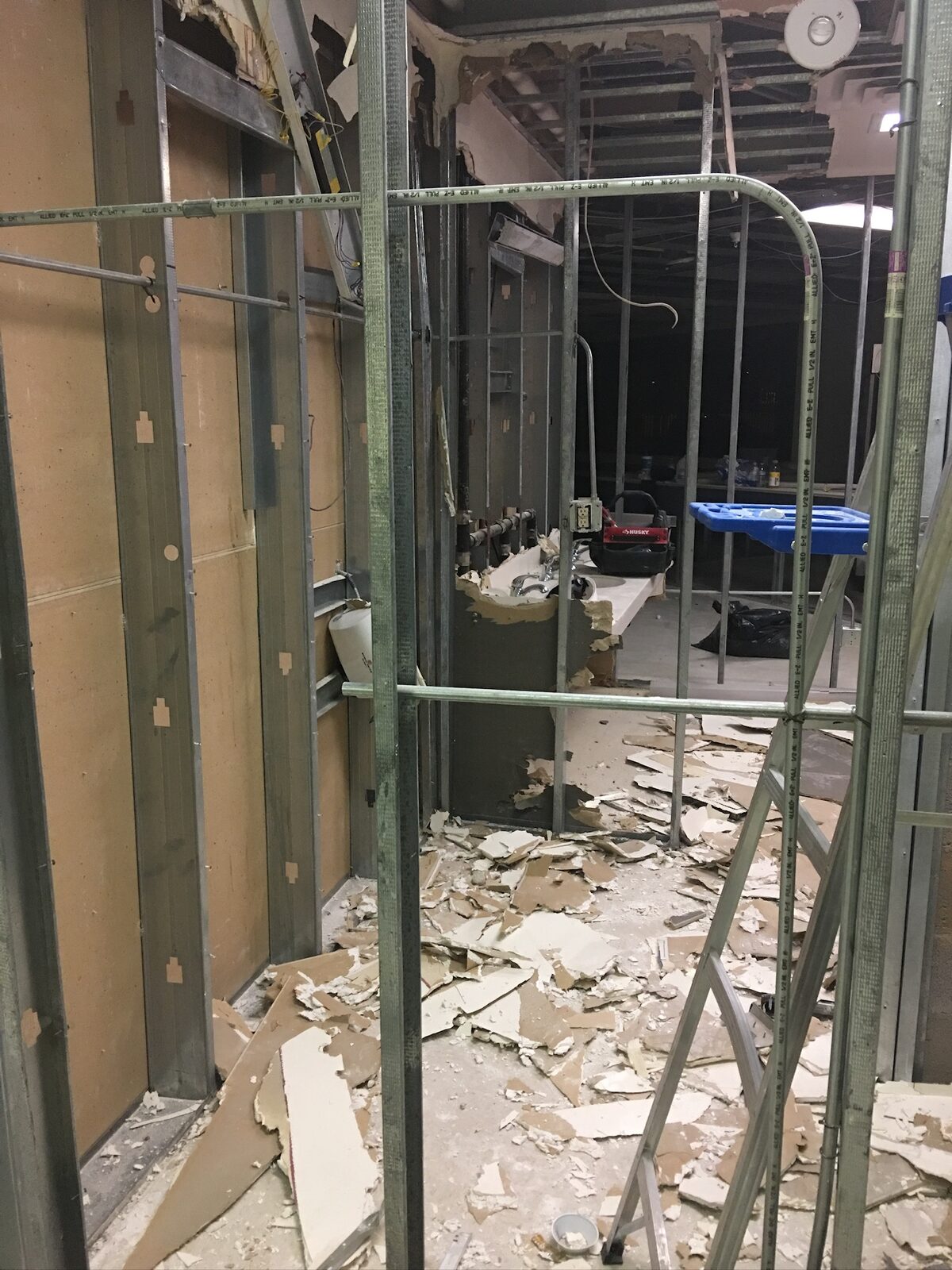
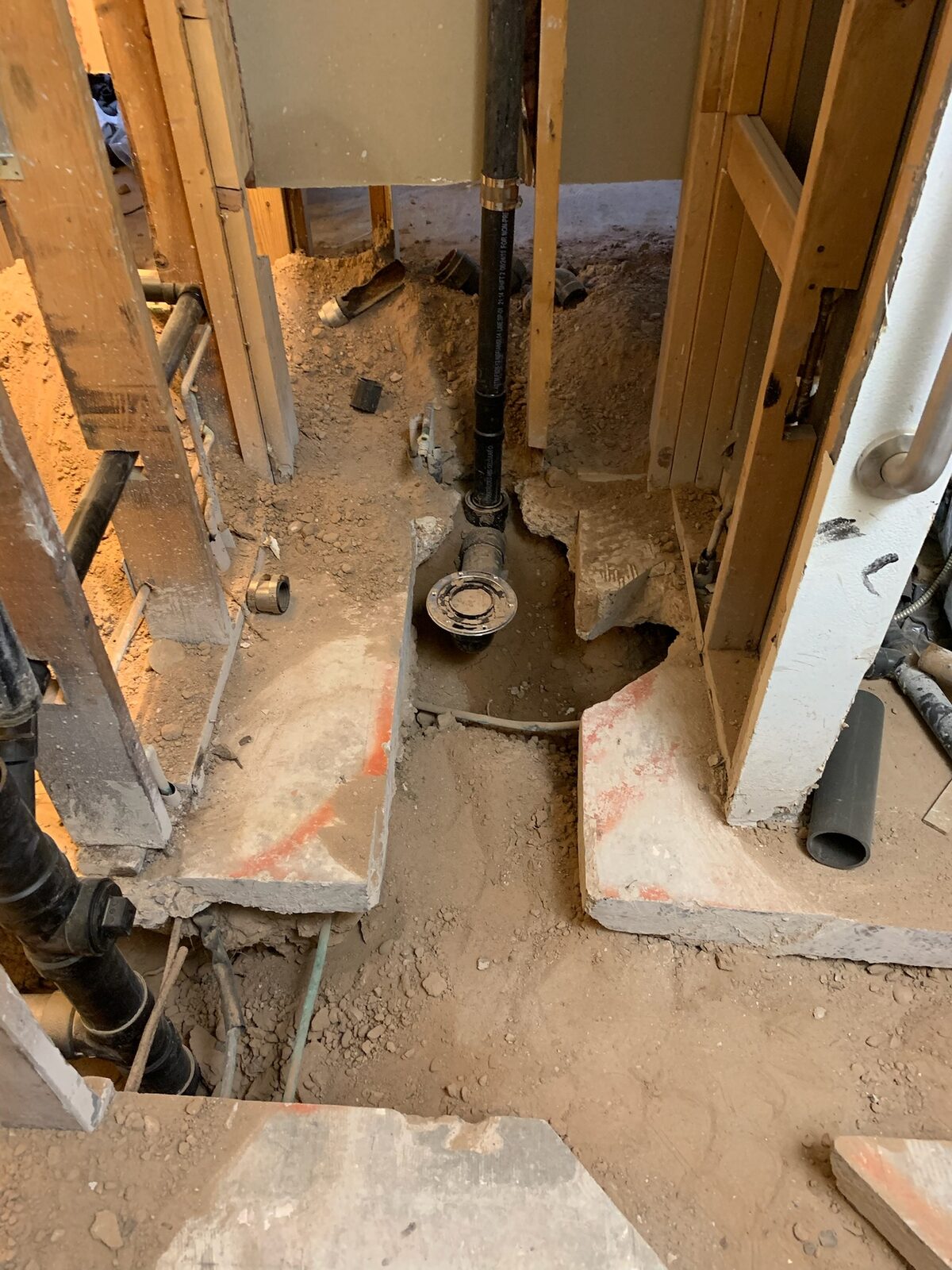
Residential reconstruction work by members of our team. See the full gallery →
More from Gold Water Fire
Abrasive Cleaning Methods for Soot on Framing and Masonry
A look at how abrasive cleaning methods remove soot from wood framing and masonry after a fire, and when each method fits the material.
AC Condensate Line Clogs & the Water Damage They Cause in Phoenix Homes
Why Phoenix AC condensate lines clog every summer, what the water damage looks like, and how to find the source before the ceiling stain spreads again.
Actual Cash Value vs Replacement Cost: Why Your Check Might Not Match the Repair Bill
Confused why your insurance check seems short after fire or water damage? Learn the difference between actual cash value and replacement cost coverage.
Still smelling smoke after a kitchen fire?
If the odor keeps coming back no matter how much you clean, it may be residue that needs more than soap and water to remove. Gold Water Fire serves the Phoenix metro area, including Mesa, Chandler, Scottsdale, Glendale, Gilbert, Tempe, and surrounding communities. Reach out at (480) 999-3339 or Help@goldwaterfire.com to talk through what you're dealing with.
Call (480) 999-3339Fire Damage Restoration · Reconstruction & Rebuild · Contact Gold Water Fire · About Gold Water Fire