
Smoking Material Fires: How They Smolder for Hours Before Igniting
If you've ever found a scorch mark on a couch cushion or a burn hole in a mattress and thought, "how did that even happen," you're not alone in wondering. A cigarette that seemed to go out hours earlier can still leave a mark like that, and it's unsettling to realize a fire could have been building somewhere in your home without a single flame showing. That gap between when the danger started and when you'd actually notice it is the hardest part to sit with.
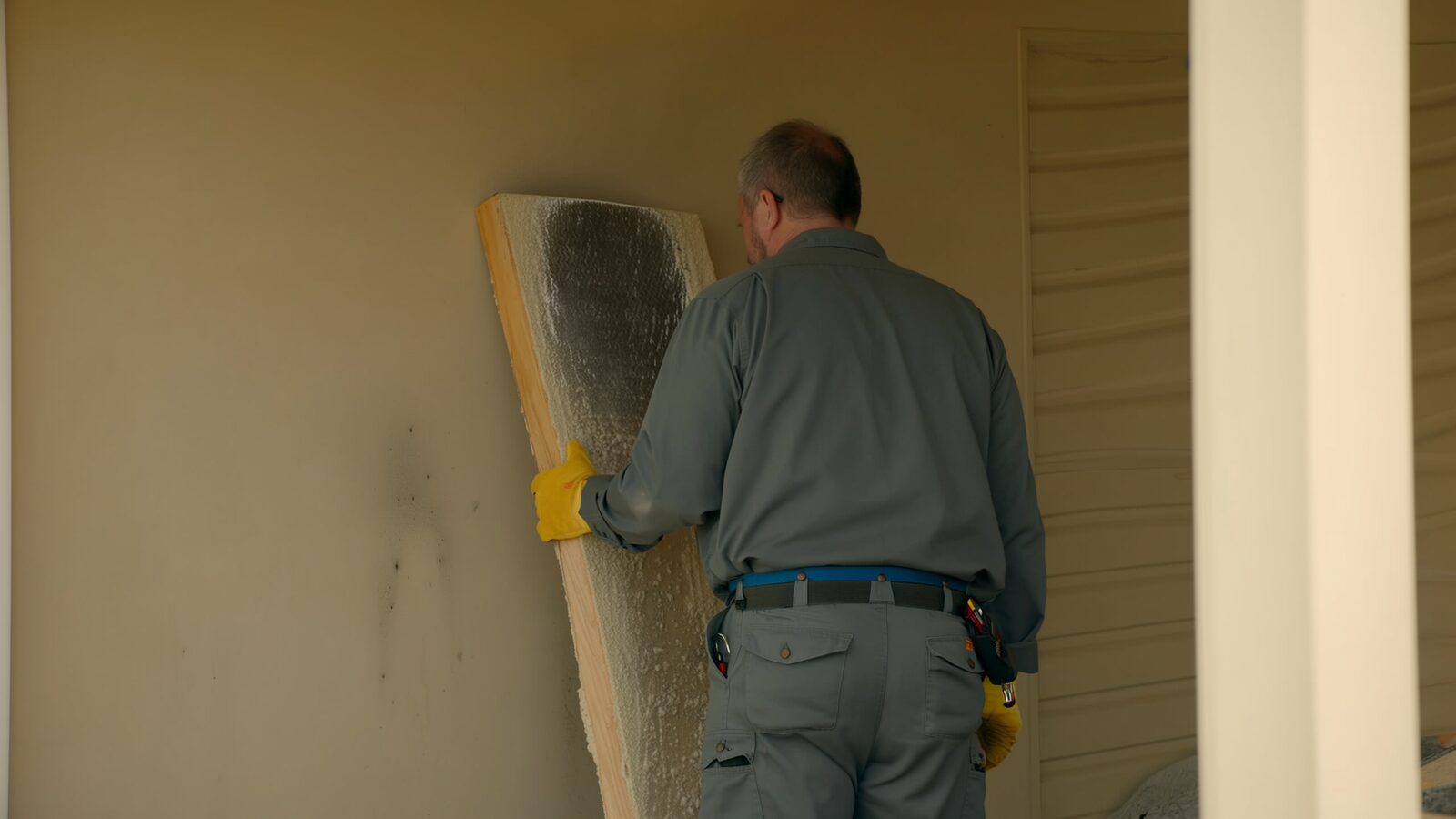
Smoking Material Fires: How They Smolder for Hours Before Igniting
Why smoldering fires are so hard to catch early
A smoldering fire doesn't behave like the fires people picture. There's no flame, no smoke alarm trigger in many cases, and often no smell strong enough to notice if you're asleep or in another room. Instead, a lit cigarette or cigar dropped into upholstery, bedding, or a trash can filled with paper can sit at a low, steady burn for a long stretch of time, sometimes hours, before enough heat builds up to break into open flame. During that window, the fire is consuming material from the inside out, which is part of why it can go undetected for so long.
What makes certain materials smolder instead of flare up
Smoldering happens most easily in materials that are dense, loosely packed, and full of trapped air pockets, think foam cushions, mattresses, upholstered furniture, and piles of paper or fabric. These materials don't need a lot of oxygen to keep a slow burn going, but they also don't have enough surface area exposed to air to burst into flame right away. The fire creeps through the material at a smoldering pace, generating heat and toxic smoke long before it produces visible fire. Cotton, foam, and synthetic fill materials are especially known for sustaining this kind of slow combustion.
Warning signs that are easy to miss
A smoldering fire often gives off very subtle clues before it becomes obvious: a faint, persistent smell of burning fabric or plastic, a small discolored or darkened patch on furniture or bedding, or a slight warmth to a cushion or mattress that shouldn't be warm. Because these signs are quiet, they're often dismissed or simply not noticed until the fire progresses to the point of visible smoke or flame, sometimes well after everyone in the home has gone to sleep or left for the day.
Where to check after any smoking-related incident
If a cigarette, cigar, or pipe ash has come into contact with furniture, bedding, carpet, or trash, it's worth checking that area again later, not just once. Smoldering can restart or continue well after the initial contact seems resolved. Pay attention to upholstered furniture seams, mattress edges, areas under cushions, and anywhere loose fabric or paper could have caught an ember. If you find soot, scorching, or heat damage, the surrounding material and structure should be evaluated even if there was never an open flame, because smoke and heat exposure can affect more than what's visibly burned.
When it's time to bring in help
Once a smoldering fire is discovered, whether it was caught early or already reached open flame, the damage often extends beyond the burn itself. Smoke residue, soot, and the water or chemicals used to extinguish it can spread into walls, flooring, and air systems. If you're dealing with this kind of damage in your home, fire damage restoration addresses both the visible burn and the smoke and soot that travels beyond it. In cases where structural materials were affected, reconstruction and rebuild work may also be part of getting the space back to normal.
Questions people ask us
Can a cigarette really start a fire hours after it's put out?
Yes. If an ember or lit end makes contact with dense, loosely packed material like upholstery foam or bedding, it can smolder at a low burn for an extended period before generating enough heat to ignite into open flame. The fire is active the entire time, even though it isn't visible.
Will a smoke alarm detect a smoldering fire before it flames up?
Not always, and not right away. Smoldering fires produce less airborne smoke in the early stages compared to a flaming fire, so alarms may not trigger until the fire progresses further or breaks into flame. This is part of why physical warning signs like warmth or discoloration matter.
What should I do if I find a scorched or burned spot with no memory of a fire?
Treat it seriously even if it looks minor. Check the surrounding material for soot, heat damage, or a lingering smoke smell, and have the area assessed. Smoldering damage can extend further into a cushion, mattress, or wall cavity than what's visible on the surface.
Does a smoldering fire cause the same kind of damage as a flaming fire?
It causes a different but still serious kind of damage. Smoldering tends to produce heavy soot and toxic smoke with more limited direct flame exposure, but it can burn through material completely if left long enough, and the smoke residue can spread well beyond the original spot.
The standard our team works to
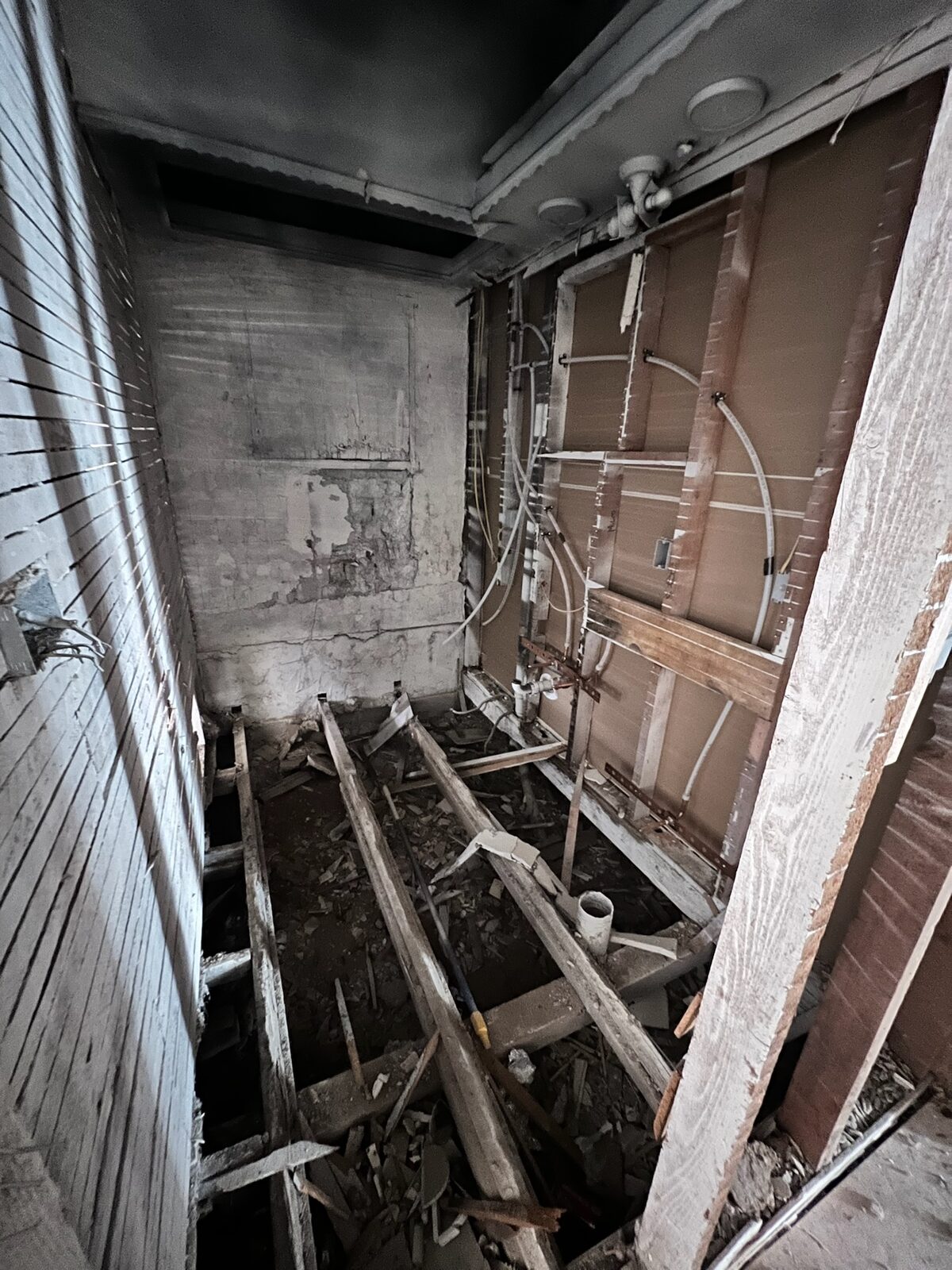
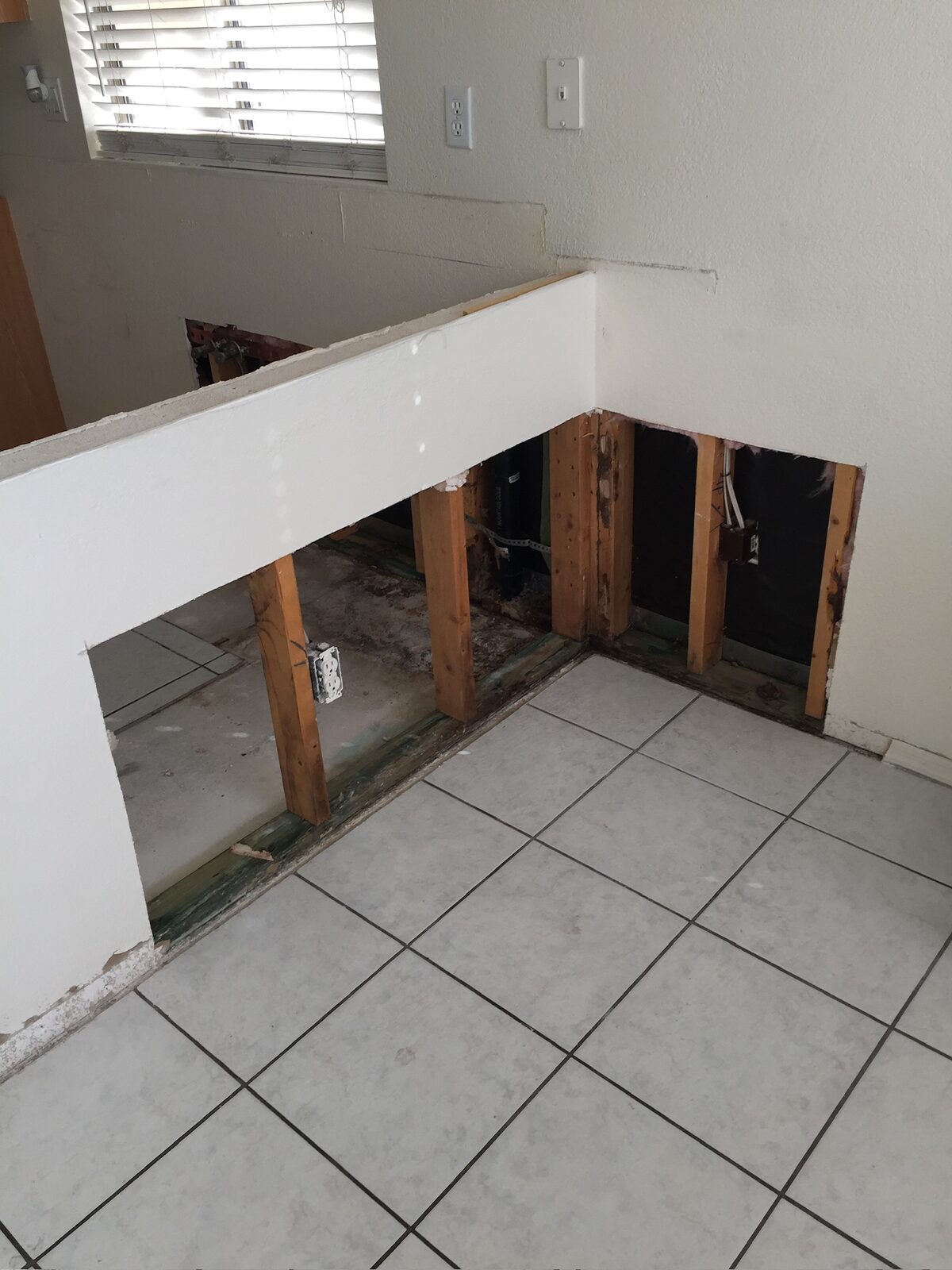
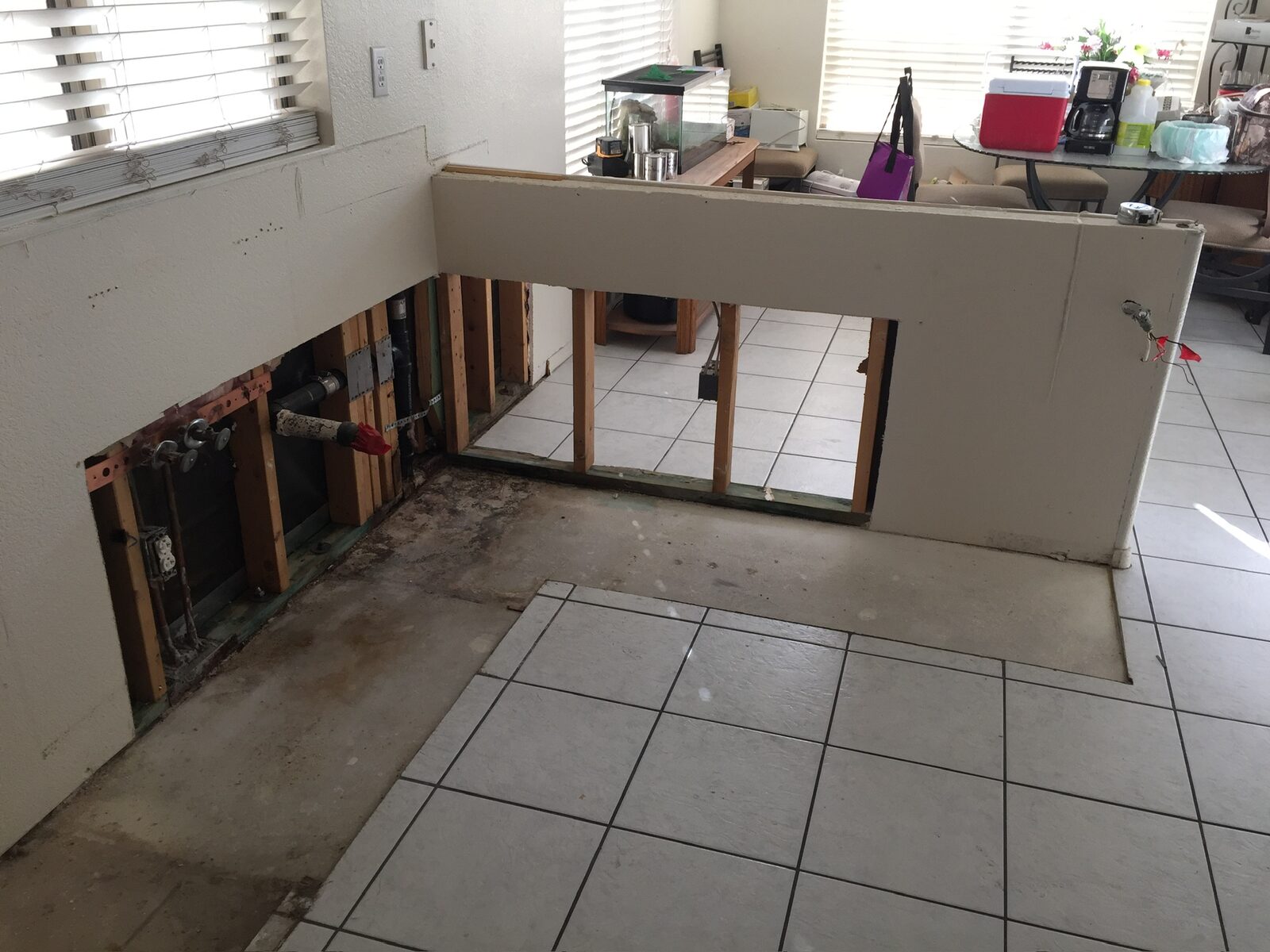
Residential reconstruction work by members of our team. See the full gallery →
More from Gold Water Fire
Abrasive Cleaning Methods for Soot on Framing and Masonry
A look at how abrasive cleaning methods remove soot from wood framing and masonry after a fire, and when each method fits the material.
AC Condensate Line Clogs & the Water Damage They Cause in Phoenix Homes
Why Phoenix AC condensate lines clog every summer, what the water damage looks like, and how to find the source before the ceiling stain spreads again.
Actual Cash Value vs Replacement Cost: Why Your Check Might Not Match the Repair Bill
Confused why your insurance check seems short after fire or water damage? Learn the difference between actual cash value and replacement cost coverage.
Found smoke or fire damage in your home?
Whether the damage is fresh or something you just discovered, Gold Water Fire can walk through it with you and explain what needs to happen next. Call (480) 999-3339 or reach out through the contact page.
Call (480) 999-3339Fire Damage Restoration · Reconstruction & Rebuild · Contact Gold Water Fire