
Why Board Up and Tarping Happen First, Before Anything Else
Standing in a home that just had a fire, the damage in front of you is only part of the problem. A hole in the roof or a blown-out window doesn't close itself back up, and every hour it stays open, the house is exposed to whatever comes next: rain, wind, dust, animals, or someone walking in who shouldn't. If you're wondering why a restoration crew talks about plywood and tarps before they talk about rebuilding anything, you're asking the right question.
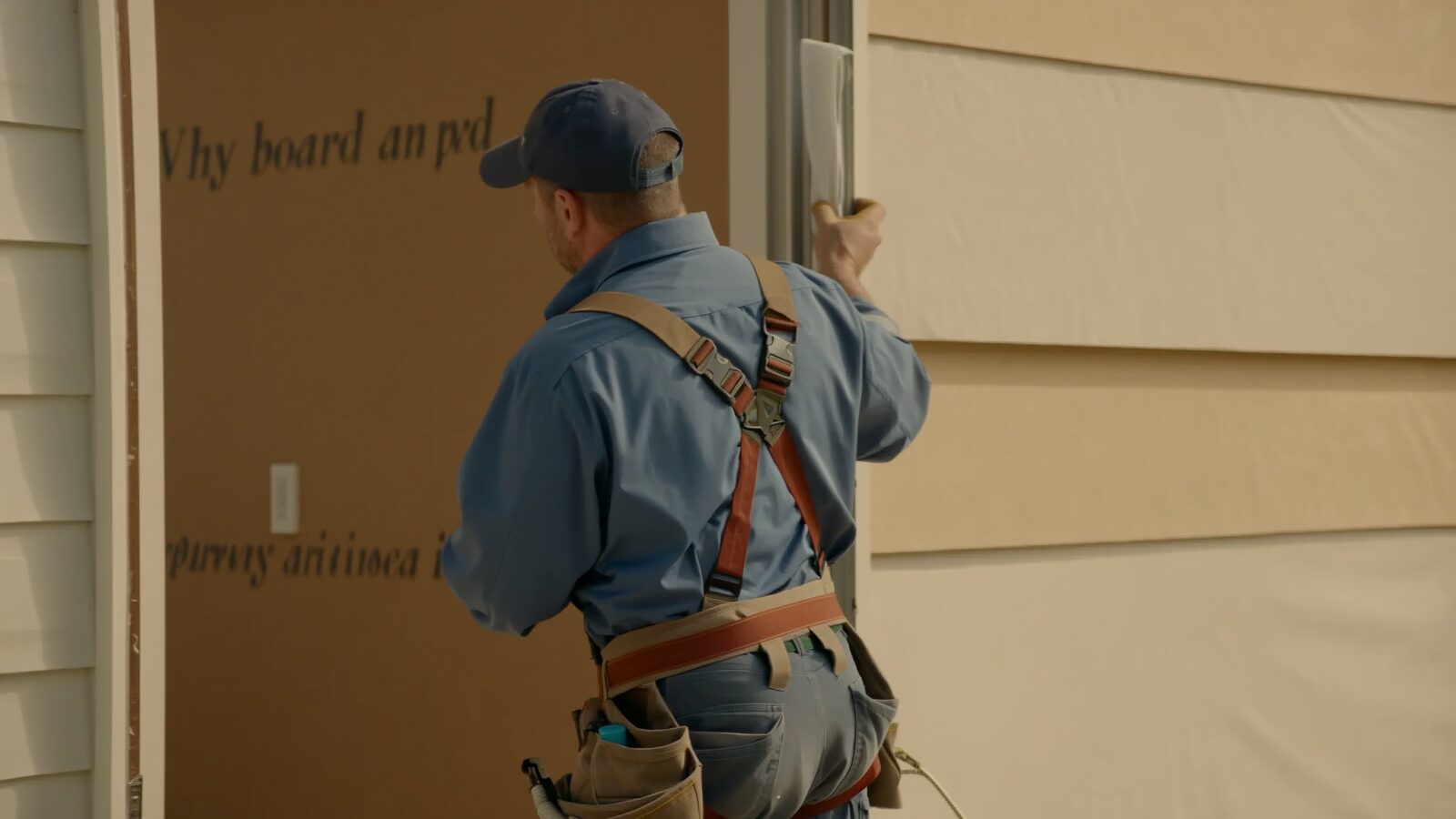
Why Board Up and Tarping Happen First, Before Anything Else
The building envelope is the first thing to protect
A house works as a sealed system. Roofing, siding, and windows keep water and outside air where they belong, outside. Once fire burns through a section of roof or shatters glass, that seal is broken. Board up and tarping exist to rebuild a temporary version of that seal, fast, so the rest of the structure isn't taking on new damage while everyone figures out repair plans. It's not a repair. It's a pause button on further loss.
What happens if it's skipped
An open roof after a fire is an invitation to a second disaster. Arizona doesn't get constant rain, but when a monsoon storm rolls through, even a few inches of standing water inside a home can soak insulation, drywall, and framing that the fire never touched. Add in dust storms, which push fine debris into every open gap, and pests, which move into an unsecured structure within days. Insurance policies also generally expect a homeowner to take reasonable steps to prevent further damage after a loss, which is another reason this step doesn't wait.
Board up: securing the openings
Boarding up means covering broken windows, damaged doors, and any exterior openings with plywood, cut to fit and fastened securely. This does two things at once: it keeps weather and animals out, and it keeps the property from looking like an open invitation for anyone passing by. In a fire-damaged home, glass is often gone entirely or too unstable to leave in place, so board up is usually one of the first physical tasks on site.
Tarping: covering roof and structural gaps
Tarping does the same job as boarding up, but for the roof. Heavy-duty tarps get stretched over burned-through sections, torn shingles, or holes left by fire crews who had to open the roof to fight the fire from above. It's usually secured with wood strips or fasteners along the edges so wind doesn't get underneath and rip it loose. On a sloped roof, the overlap and direction of the tarp matter, water needs somewhere to run off, not pool in a low spot.
Then, and only then, the real assessment begins
Once the structure is sealed against the weather, the slower work can start: figuring out what's salvageable, what needs to come out, and what the rebuild actually looks like. Trying to assess smoke damage or start cleanup in a home that's still open to the elements means redoing work later, because new water or debris keeps changing the starting point. Sealing first means everything that follows is measured against a stable baseline instead of a moving target. If you're at this stage, the fire damage restoration process and the reconstruction and rebuild process both depend on this first step being done right.
Questions people ask us
How soon after a fire should board up and tarping happen?
As soon as it's safe to be on the property. Fire crews need to clear the structure first, but once that happens, every hour the building sits open adds risk from weather, animals, or trespassing. This is typically one of the very first steps taken, ahead of cleaning or assessment.
Is board up and tarping a permanent fix?
No. It's a temporary measure meant to stop further damage while the bigger picture gets sorted out, insurance claims, contractor estimates, and a real repair plan. Plywood and tarps are meant to hold for weeks, not stand in for actual roofing or window replacement.
Will my insurance cover board up and tarping costs?
Most policies expect homeowners to take reasonable steps to prevent further damage after a loss, and many cover emergency mitigation costs like this. Every policy is different, so it's worth checking your specific coverage or asking your adjuster directly.
Can I board up or tarp my own house after a fire?
For minor damage, some homeowners do handle this themselves. For larger structural openings, especially on a roof, it involves working at height around a structure that may have compromised framing, which is a real safety concern. If there's any doubt about stability, it's worth having someone experienced take a look first.
The standard our team works to
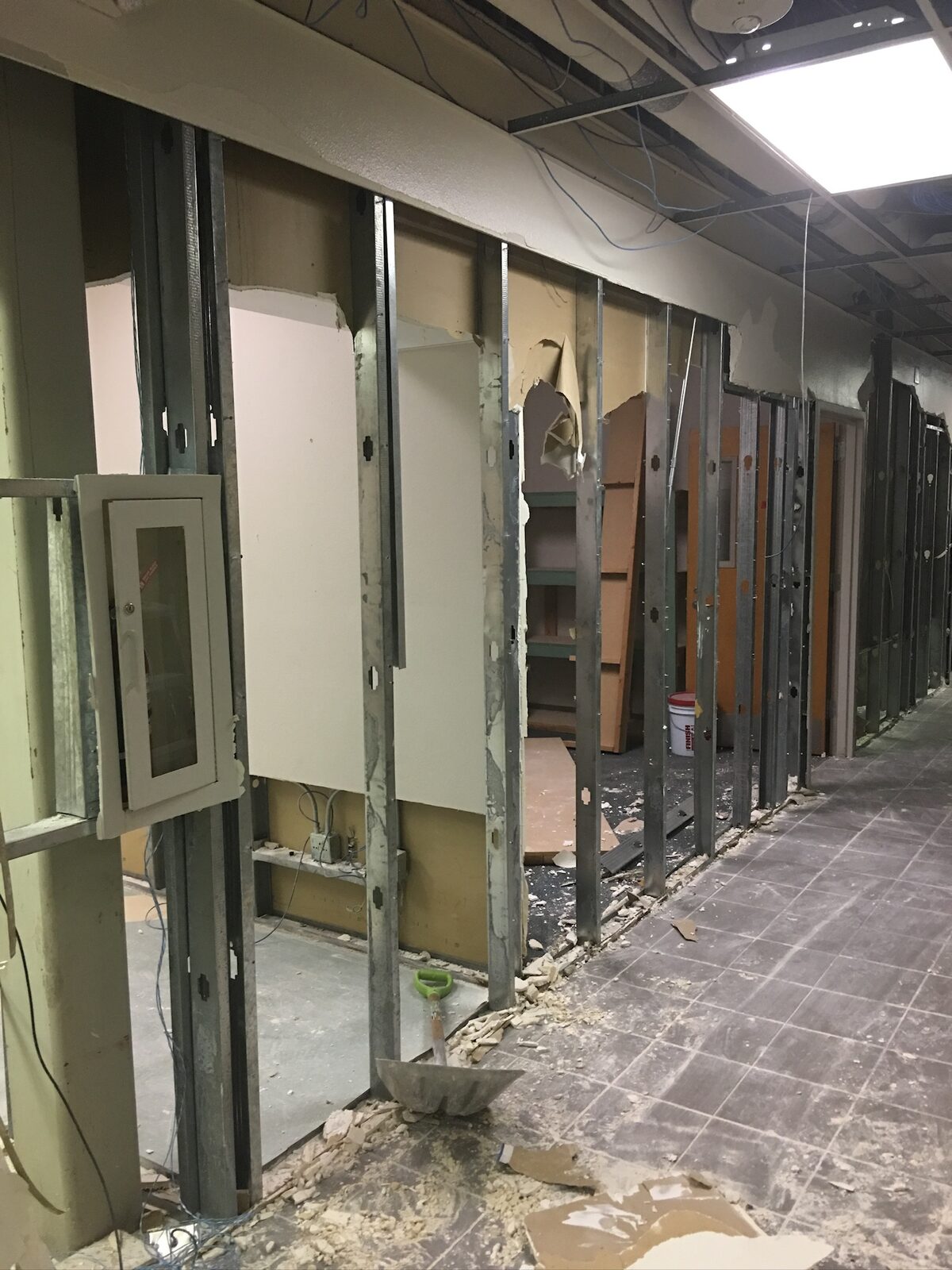
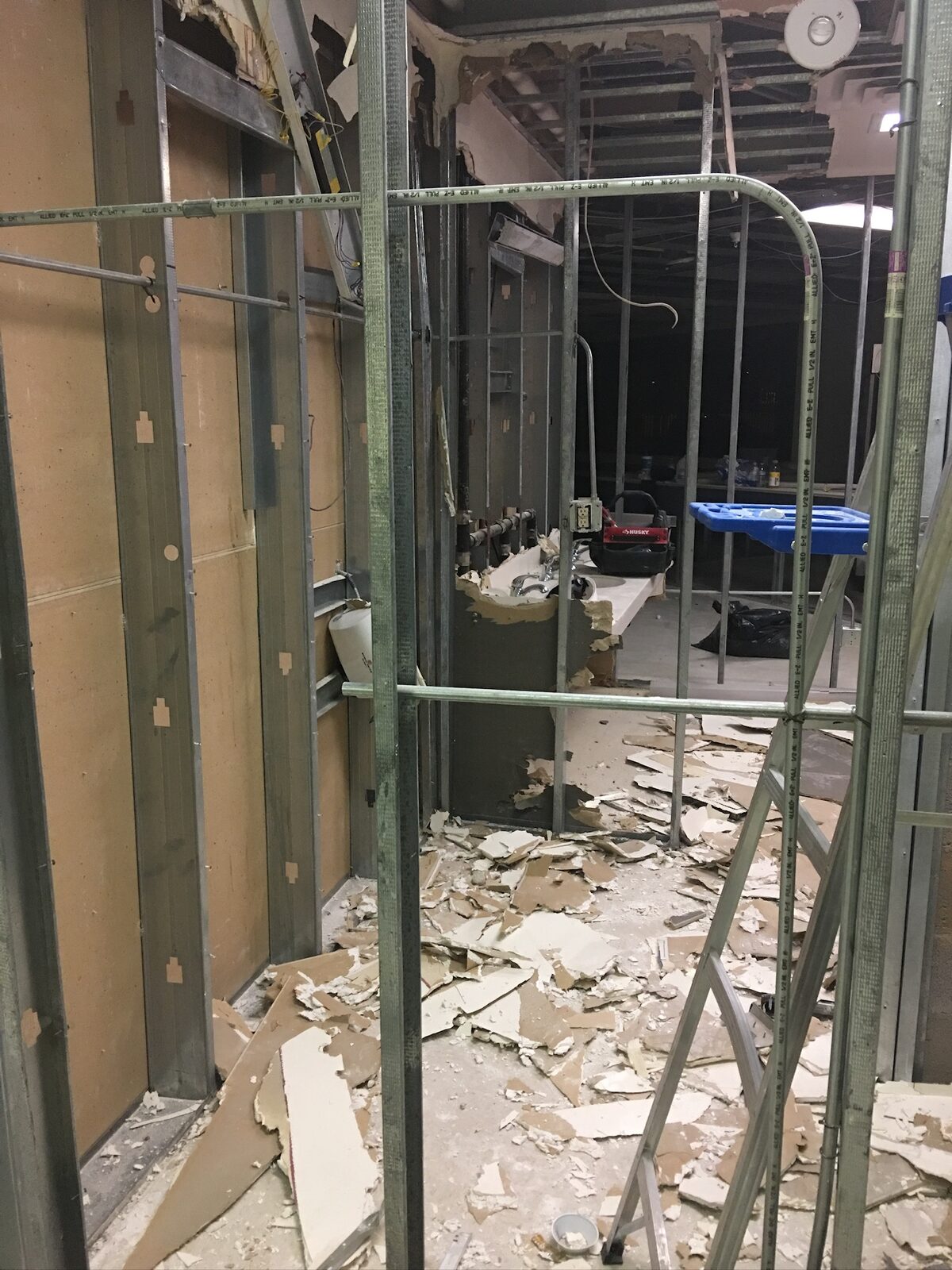
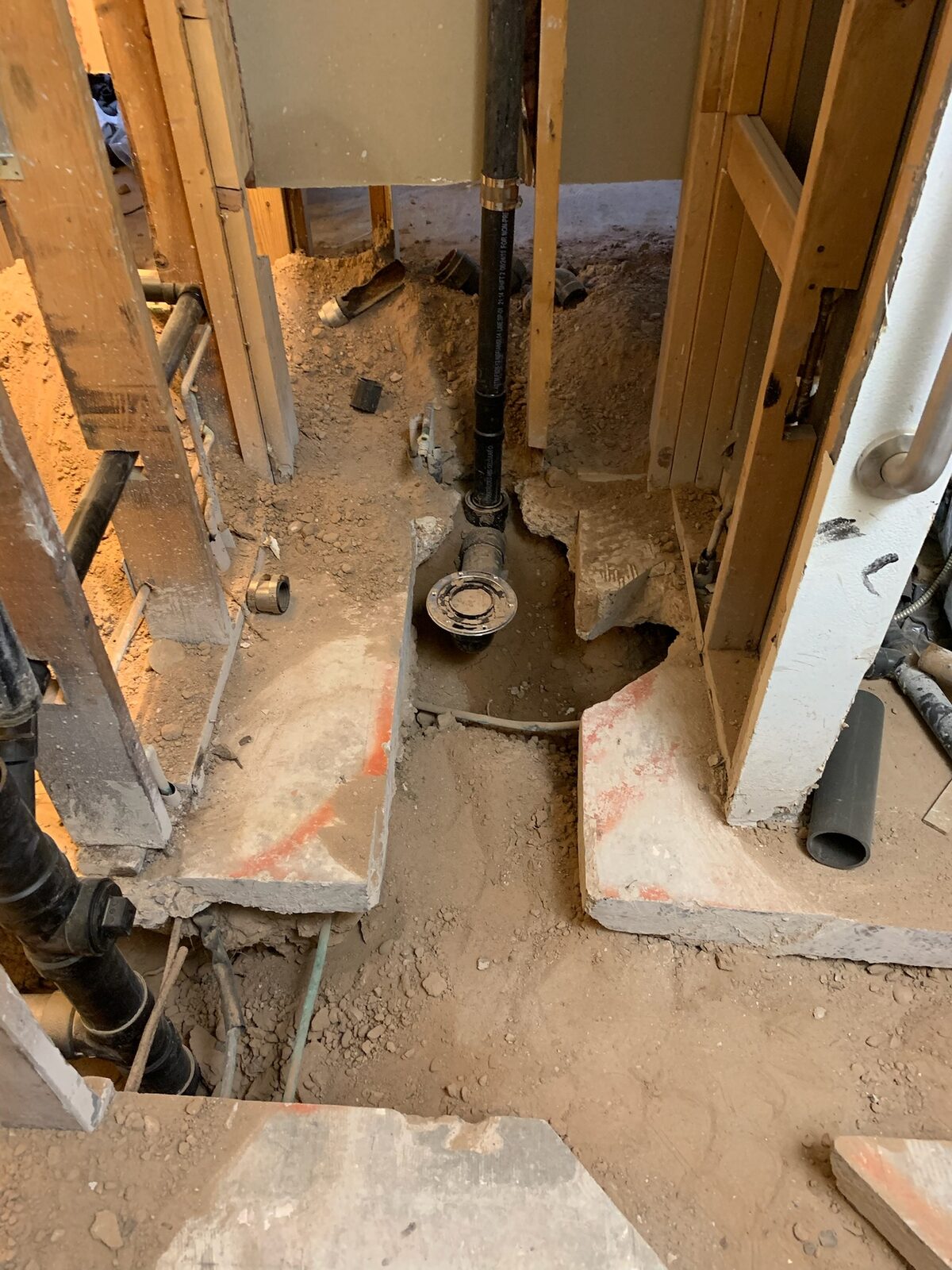
Residential reconstruction work by members of our team. See the full gallery →
More from Gold Water Fire
Abrasive Cleaning Methods for Soot on Framing and Masonry
A look at how abrasive cleaning methods remove soot from wood framing and masonry after a fire, and when each method fits the material.
AC Condensate Line Clogs & the Water Damage They Cause in Phoenix Homes
Why Phoenix AC condensate lines clog every summer, what the water damage looks like, and how to find the source before the ceiling stain spreads again.
Actual Cash Value vs Replacement Cost: Why Your Check Might Not Match the Repair Bill
Confused why your insurance check seems short after fire or water damage? Learn the difference between actual cash value and replacement cost coverage.
Not sure what stage your property is at?
If you're staring at a damaged roof or a boarded-up window and wondering what comes next, you don't have to map out the whole process today. A conversation with Gold Water Fire can help you see what the next step actually looks like. Call (480) 999-3339 or reach out through the <a href="/contact.html">contact page</a> whenever you're ready.
Call (480) 999-3339Fire Damage Restoration · Reconstruction & Rebuild · Contact Gold Water Fire