
How a Structure Fire Spreads (and Why the Damage Looks the Way It Does)
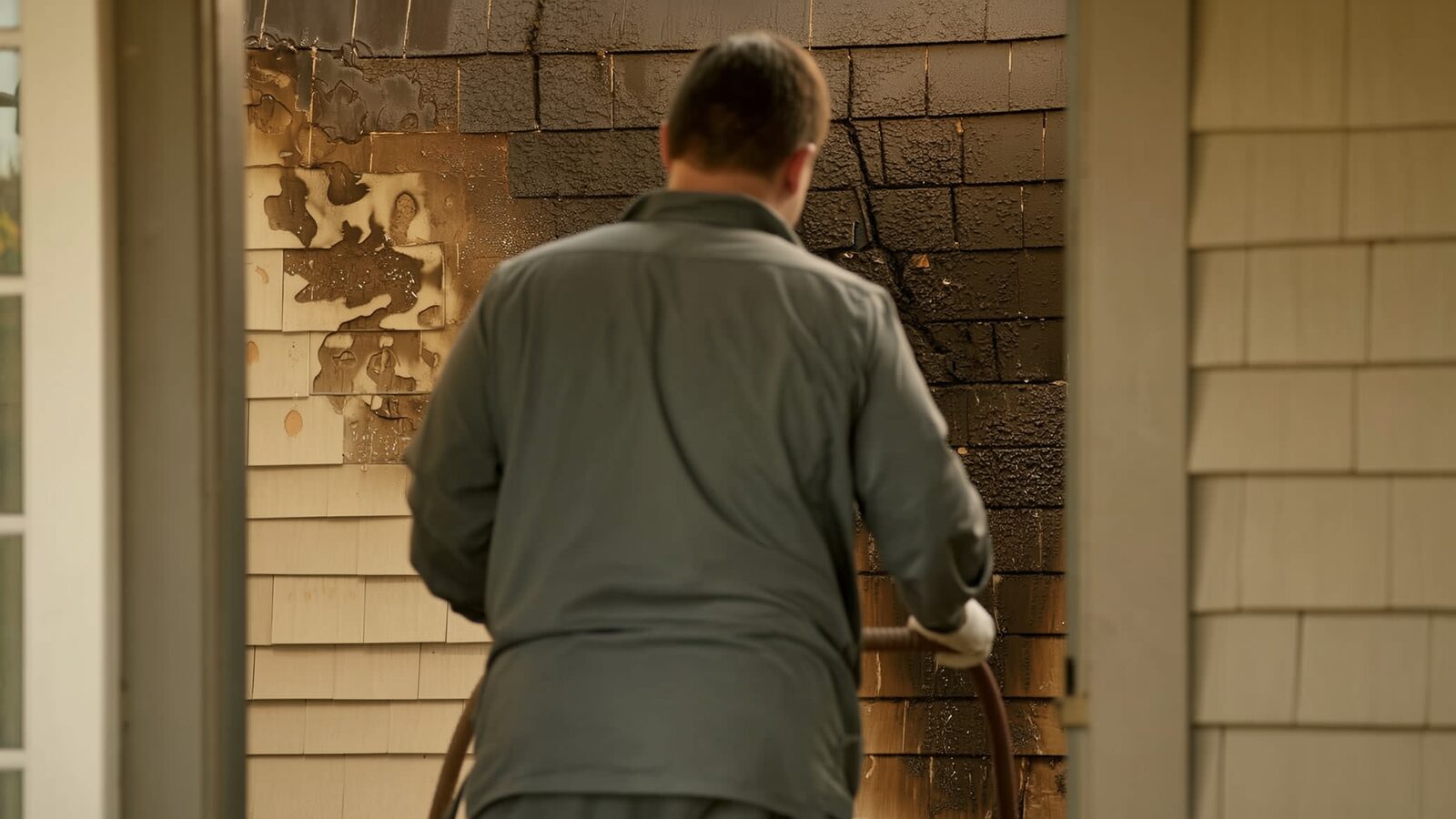
Standing in a room after a fire, it's hard to make sense of what you're looking at. One wall is scorched black and the one next to it looks almost untouched. A cabinet is melted but the counter below it is fine. Smoke reached rooms the fire itself never touched. If you're trying to understand why your house burned the way it did, or why the damage seems so uneven and strange, that confusion is completely normal. Fire doesn't move the way most people picture it moving, and the patterns it leaves behind follow rules that aren't obvious unless you know what to look for.
How a Structure Fire Spreads (and Why the Damage Looks the Way It Does)
Fire spreads in stages, not all at once
A structure fire usually starts small: a pan on a stove, a faulty outlet, a candle too close to a curtain. In its early stage, it grows fairly predictably, feeding on whatever fuel is nearest and pulling in oxygen from the surrounding air. This is called the growth stage, and it's the point where a fire is most survivable and most containable. As it burns, it heats the air and everything in the room, including items that haven't caught fire yet. That heat builds in a layer near the ceiling and slowly pushes downward. This is the part that surprises people: a fire can be actively growing in a room for several minutes while still looking, from a doorway, like a contained and manageable problem.
What flashover actually is
Flashover is the point where that heat layer becomes so intense that everything in the room, not just the original fuel, reaches its ignition temperature at nearly the same moment. Furniture, wall coverings, curtains, even the off-gassing from plastics and synthetic fabrics ignite almost simultaneously. It isn't the fire jumping from object to object. It's the entire room's contents crossing a heat threshold together. Temperatures at ceiling level before flashover can already be extreme, and the transition itself can happen in a matter of seconds. This is also why fire investigators and firefighters treat flashover as one of the most dangerous moments in any fire: the room goes from survivable to unsurvivable almost instantly. For a homeowner trying to understand damage after the fact, flashover is often the line between a room with scorch marks and contents damage, and a room that's structurally compromised down to the studs.
Why ventilation changes everything
Fire needs oxygen to keep burning, and in a closed-up house, it can actually start to starve itself, producing heavy smoke and heat but slower flame growth. The moment a window breaks from heat, a door is opened, or a roof is vented (by firefighters, or by the fire burning through it on its own), fresh oxygen rushes in. This is called ventilation-driven fire behavior, and it can cause a fire that was smoldering and contained to suddenly intensify and travel toward that new air source. It's a major reason fire patterns often point toward windows, doors, and hallways: the fire was literally being pulled that direction by the air feeding it. It's also why a fire's path doesn't always match where the most flammable materials were. Airflow, not fuel alone, often decides where flames travel next.
Reading the damage patterns after the fact
Once a fire is out, the burn patterns left behind are essentially a record of how the fire moved, and they follow physics more than they follow randomness. Heat and smoke rise, so ceilings and upper walls typically show the deepest charring, with damage tapering as you move toward the floor, a shape sometimes called a V-pattern that points back toward where the fire was most intense at that location. Areas near windows and doors often show heavier damage because of the ventilation effect described above. Rooms far from the fire's origin can still have significant smoke, soot, and heat damage even with no visible flame damage at all, because smoke travels through hallways, HVAC systems, and gaps around doors long before or after the flames themselves reach that far. This is why a home can look, at first glance, like the damage doesn't make sense: it's actually following a very consistent logic, just one that isn't visible without understanding how the fire behaved room to room.
Why smoke and soot damage often outlasts the visible burn
Smoke is made up of unburned particles, gases, and moisture, and it settles into porous materials, drywall, insulation, fabric, wood, in ways that aren't always visible right away. It can also be acidic, which means it continues to corrode metal fixtures, electronics, and hardware for hours or days after the fire is extinguished if it isn't addressed. That's part of why the smell and residue from a fire often reach much further into a home than the flames ever did, and why a room with no fire damage at all can still need real cleaning and assessment after a fire elsewhere in the house.
Questions people ask us
Why does one room look completely burned while the room next to it looks almost untouched?
It usually comes down to airflow and fuel, not distance. A closed door can starve a fire of oxygen and stop its spread almost completely, while an open doorway or window can pull heat and flame directly toward it. Two rooms next to each other can have very different outcomes depending on what was open, closed, or venting during the fire.
Does a house need to have visible flame damage everywhere for it to need full restoration?
No. Smoke and soot travel through hallways, HVAC systems, and small gaps well beyond where the flames actually reached, and soot is often acidic, so it can continue affecting materials and metal fixtures after the fire is out even in rooms that never burned.
What is a V-pattern and why do investigators look for it?
It's the V-shaped char pattern left on a wall where a fire burned intensely at a lower point and spread outward and upward as it rose. Because heat rises, this shape often points back toward where a fire was most concentrated at that location.
Why did the fire seem to suddenly get much worse after a window broke or a door was opened?
That's ventilation-driven fire behavior. A fire in a closed space can be oxygen-starved and burning slower than it would otherwise, and a sudden new air source can cause a rapid intensification as fresh oxygen reaches it.
The standard our team works to
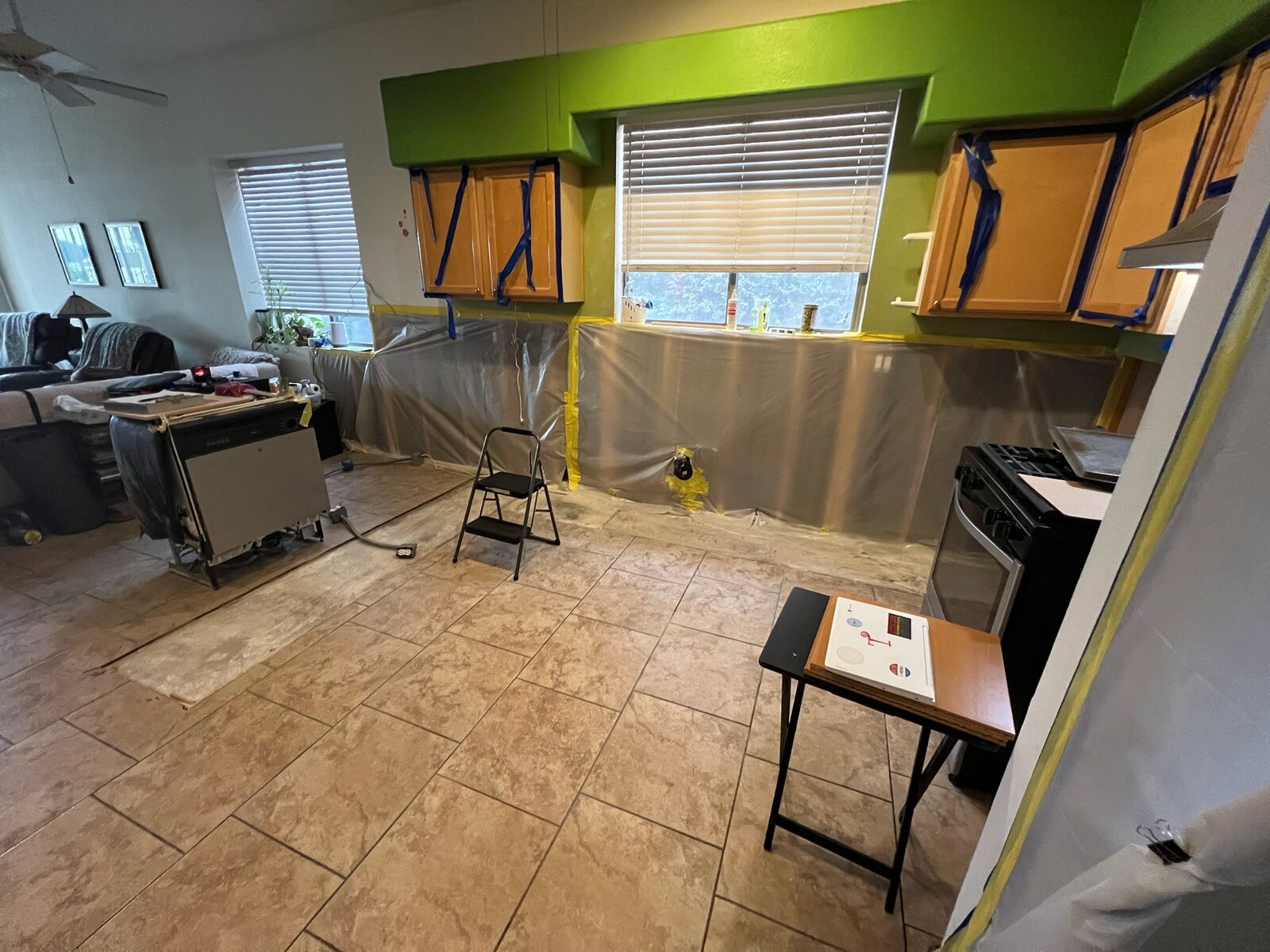
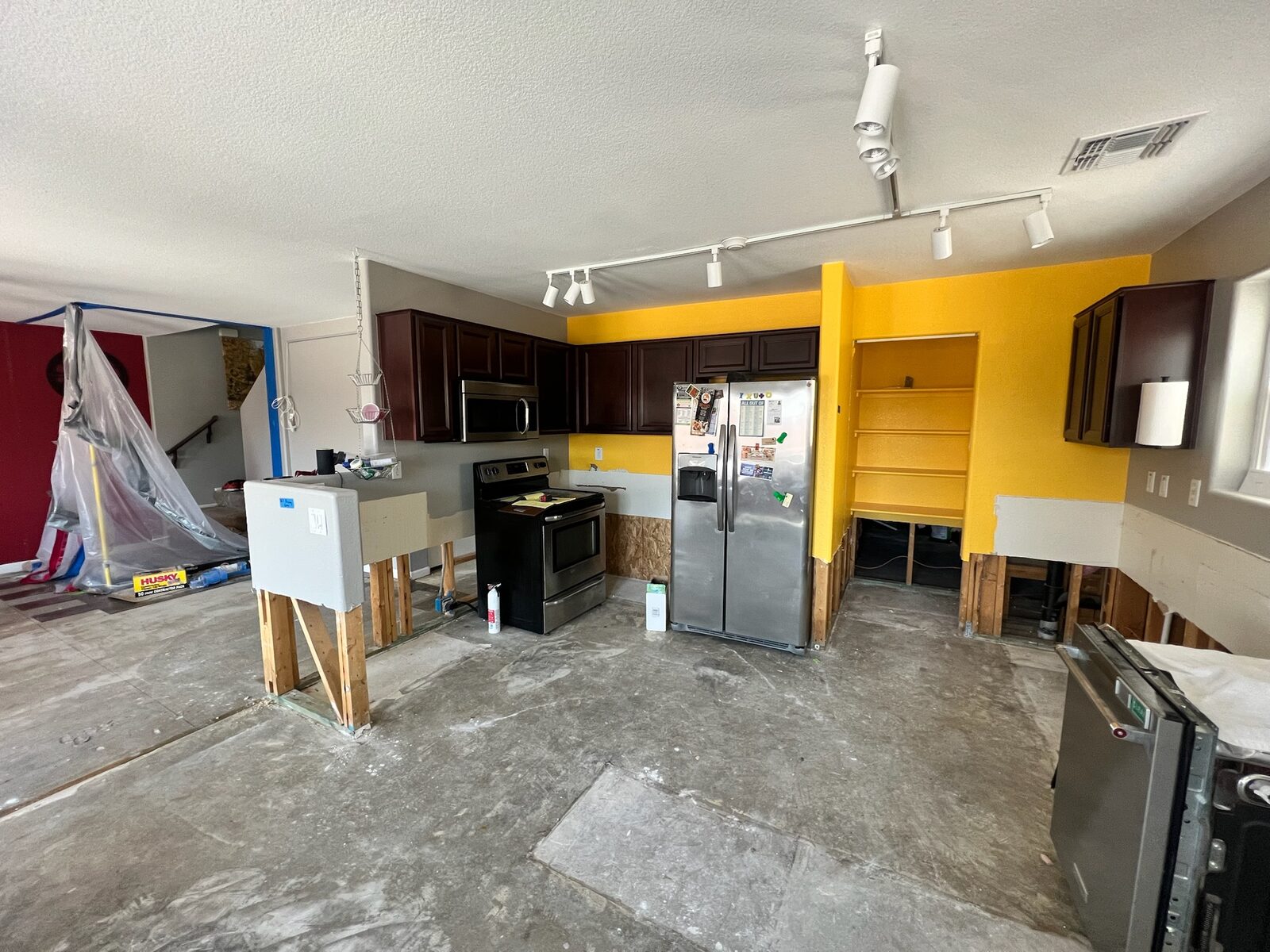
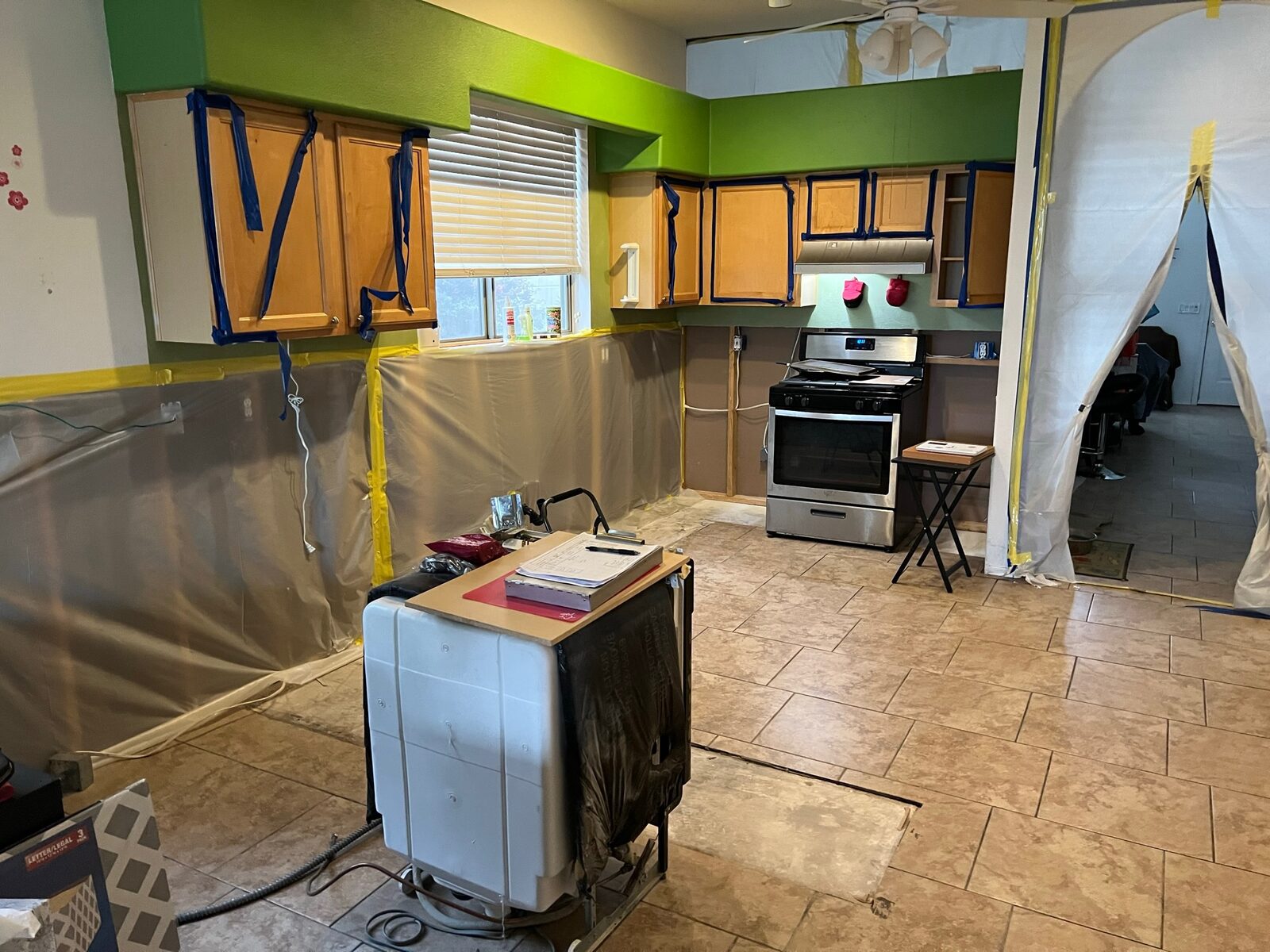
Residential reconstruction work by members of our team. See the full gallery →
More from Gold Water Fire
Abrasive Cleaning Methods for Soot on Framing and Masonry
A look at how abrasive cleaning methods remove soot from wood framing and masonry after a fire, and when each method fits the material.
AC Condensate Line Clogs & the Water Damage They Cause in Phoenix Homes
Why Phoenix AC condensate lines clog every summer, what the water damage looks like, and how to find the source before the ceiling stain spreads again.
Actual Cash Value vs Replacement Cost: Why Your Check Might Not Match the Repair Bill
Confused why your insurance check seems short after fire or water damage? Learn the difference between actual cash value and replacement cost coverage.
Trying to make sense of fire damage in your own home?
If you're looking at damage that doesn't seem to add up, Gold Water Fire can walk through it with you and explain what you're seeing. Call (480) 999-3339 or reach out through our contact page to talk through next steps.
Call (480) 999-3339Fire Damage Restoration · Reconstruction & Rebuild · About Gold Water Fire · Contact Us