
Outdoor Grill and Patio Fire Safety Around a Home
Maybe it's a scorch mark on the stucco you didn't notice until it was already there, or a patio cushion that caught a spark and you're now wondering what else near the house is closer to a fire than you thought. Backyard cooking and gathering spaces feel low-risk because they're outside, away from the kitchen, away from wiring. But a grill, fire pit, or patio heater sits close to siding, eaves, wood furniture, and dry landscaping more often than people realize, and the damage from an outdoor flare-up can travel into the structure itself before anyone catches it.
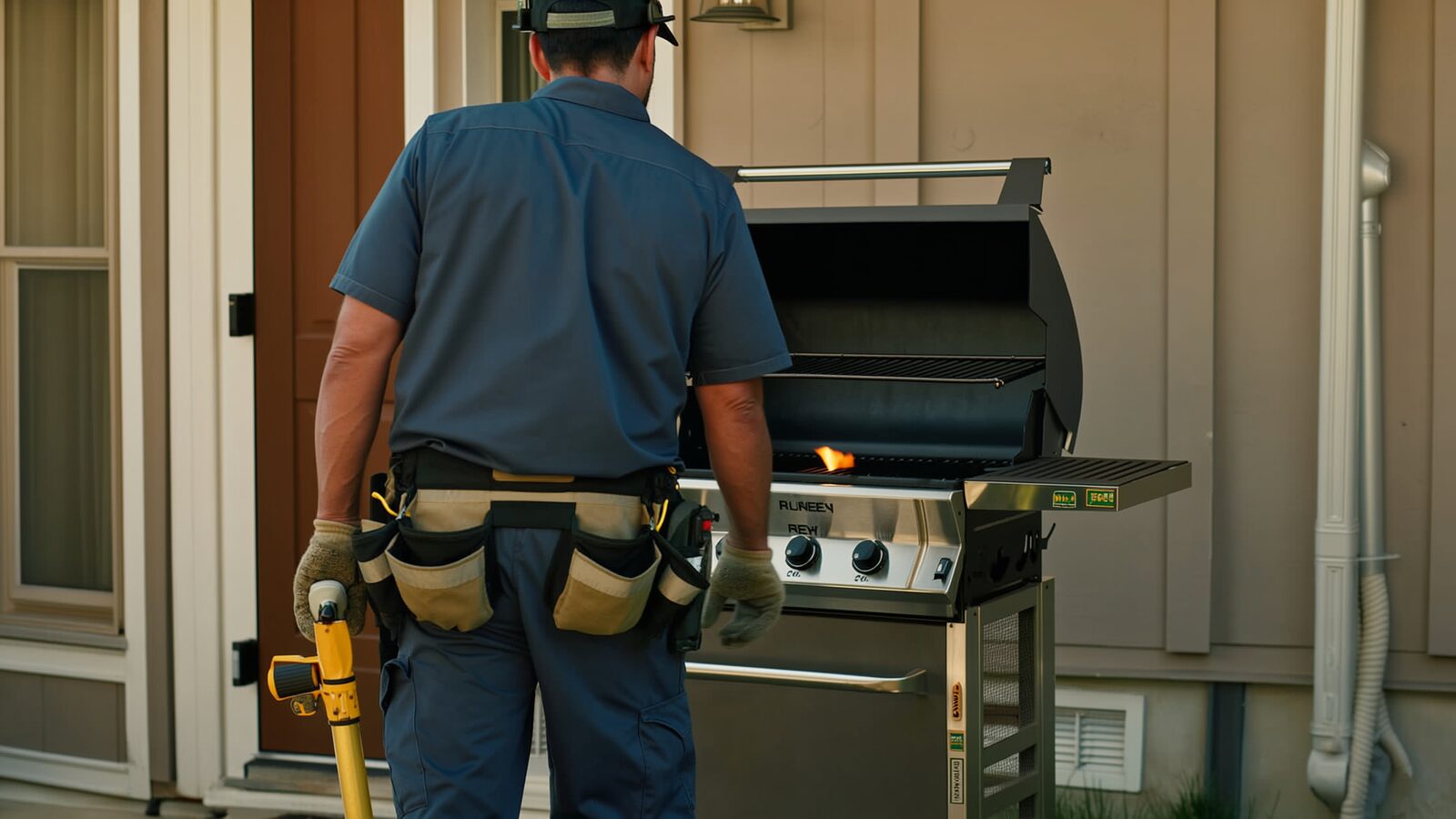
Outdoor Grill and Patio Fire Safety Around a Home
Outdoor fire risk is close-range risk
A grill flare-up, a wind-tossed ember from a fire pit, or a patio heater tipped by a gust doesn't need long to reach something flammable. Vinyl and wood siding, painted eaves, dry potted plants, cushions, umbrellas, and stored propane tanks are often within a few feet of where people actually cook and sit. In much of the Phoenix area, low humidity and seasonal wind make embers travel further and dry material ignite faster than it would in a wetter climate. The distance that feels safe on a calm evening isn't always safe once the wind picks up.
Grill placement and clearance
Gas and charcoal grills throw heat outward and upward, not just from the flame itself but from the metal body and vents during and after use. Keep grills well clear of exterior walls, wood fencing, eaves, and anything that overhangs, like a pergola or shade cloth. Check the space underneath too. Grease drippings and ash can build up on a wood deck or under a grill mat over a season and become their own fuel source. Never run a grill in a garage or fully enclosed patio, even with the door open. Carbon monoxide and fire risk both go up fast in a space without real airflow.
Fire pits, chimineas, and open flame
Fire pits look contained, but sparks pop and wind carries them further than they look like they're going. Keep a fire pit away from wood fencing, dry landscaping, and overhanging trees, and check the ground underneath for cracked pavers or gaps where embers could work their way under a deck. A chiminea or fire bowl on a wood deck should sit on a fire-rated pad, not directly on the boards. Always have a way to fully extinguish the fire before walking away, not just letting it burn down. A bed of coals can hold heat and reignite hours later if wind stirs it.
Propane tanks and gas lines
Propane tanks should be stored upright, outdoors, and away from direct heat sources, including the grill they're connected to when it's not in use. A cracked or brittle hose, a loose connection, or a valve that doesn't turn smoothly is worth replacing before it's worth using. If you smell gas near a connection, don't test it with a lighter or a match, use a soapy water solution on the fitting and look for bubbles, or call the tank supplier. Natural gas patio lines run into a home's fuel supply, so a leak there is a household issue, not just a patio one.
Patio furniture, heaters, and decor
Cushions, umbrellas, string lights, and dried floral decor are all fuel once something ignites near them. Patio heaters, whether propane or electric, need real clearance from anything fabric or overhanging, and they need a stable, level surface so a gust or a bumped table doesn't tip them. Extension cords run outdoors for lighting or heaters should be rated for exterior use and checked for cracked insulation, especially after they've sat in direct sun for a season. Sun-baked plastic and rubber degrade faster than most people expect.
If a patio fire reaches the house
Even a small fire that touches siding, an eave, a window screen, or a covered patio roof can do more damage than the visible burn suggests. Heat travels into wall cavities, smoke residue settles into stucco texture and painted surfaces, and melted vinyl or warped wood trim often needs more than a wipe-down. If a fire has touched any part of the structure, not just freestanding patio items, it's worth having it looked at before assuming it's cosmetic. You can read more about how structural fire damage is evaluated and repaired on our fire damage restoration page, and if reconstruction of siding, eaves, or a patio structure is needed, our reconstruction and rebuild page covers that process.
Questions people ask us
How far should a grill be from the house?
There isn't one universal number that fits every grill and wall material, but the goal is real clearance from siding, eaves, wood fencing, and anything overhanging, with nothing flammable stored or growing in that gap. Check your grill's manufacturer guidance for its specific clearance recommendation.
Can a fire pit damage a house even if it never touches it?
Yes. Wind-carried embers can land on a roof, in a gutter full of dry debris, or on dry landscaping right up against the house, starting a fire away from the pit itself. This is one reason clearance and wind awareness matter as much as the pit's own containment.
What should I do if my patio caught fire but the house looks okay?
Smoke and heat can move into wall cavities, attic space, and painted or textured surfaces without an obvious burn mark, so it's worth having the affected area evaluated rather than assuming no visible damage means no damage.
Is it safe to keep a propane tank on the patio year-round?
Upright storage away from direct heat and out of enclosed spaces is the general guidance, but check your tank and grill manufacturer instructions, since some recommend disconnecting or moving tanks in extreme heat or during long periods of non-use.
The standard our team works to
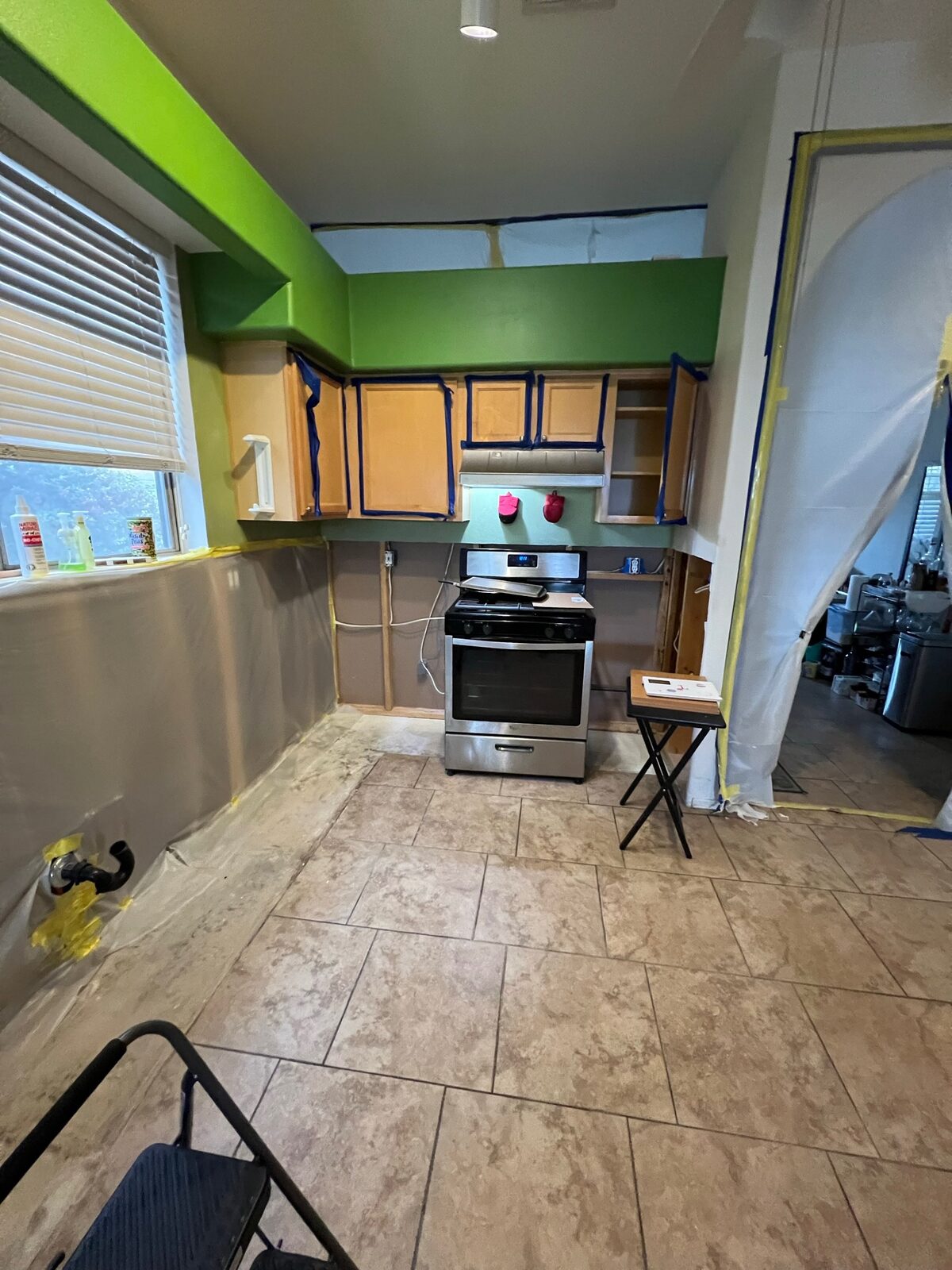
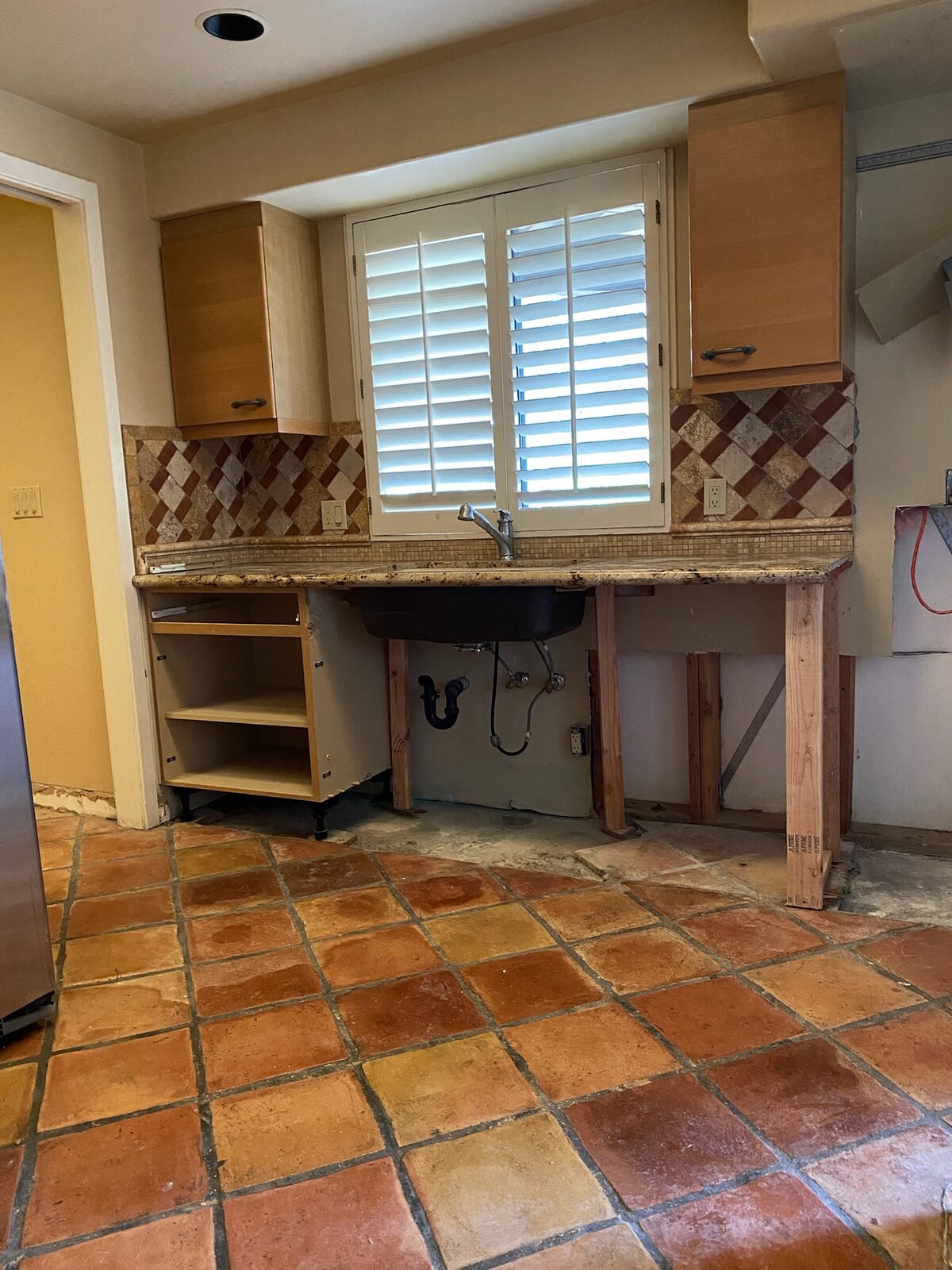
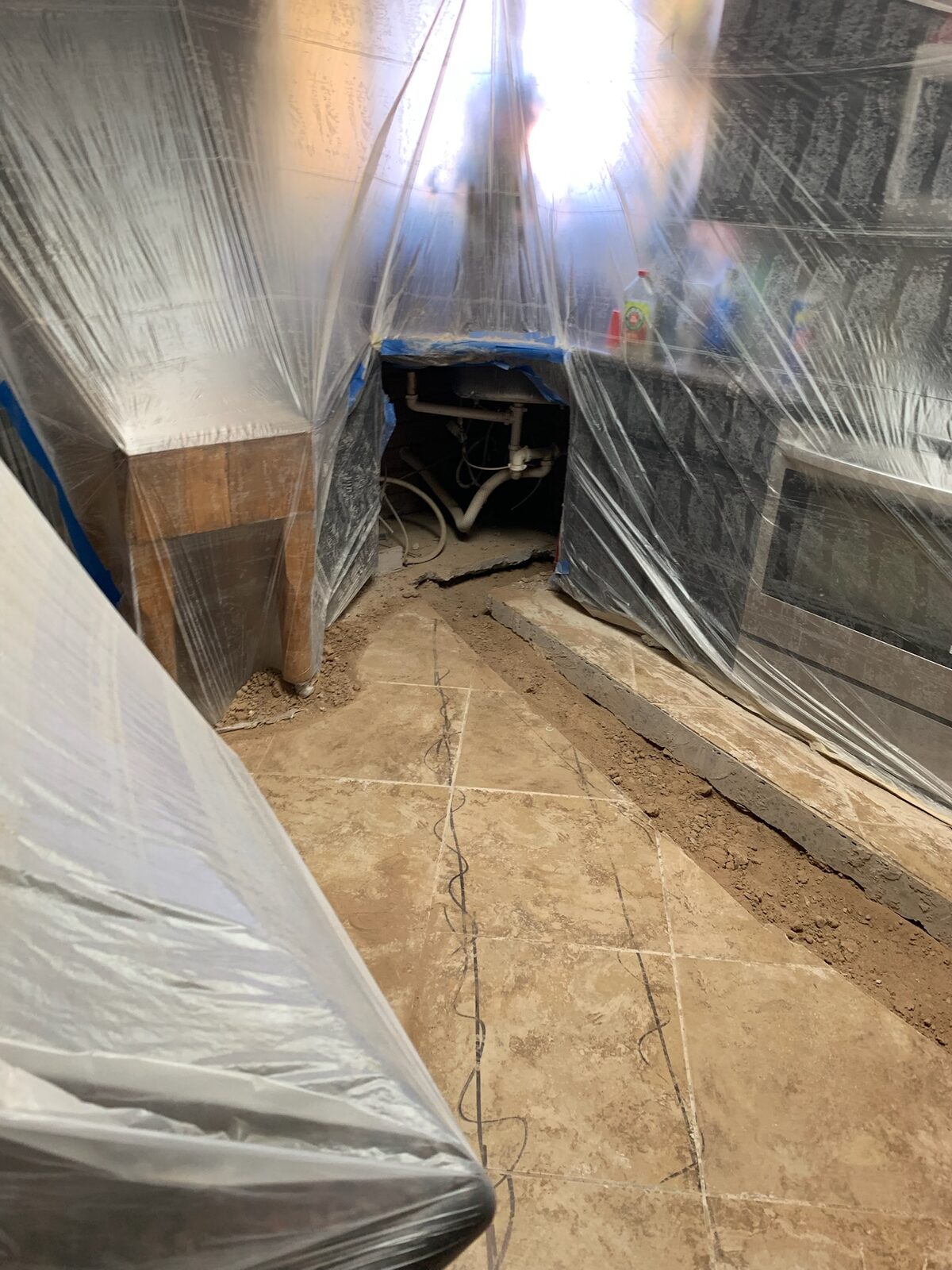
Residential reconstruction work by members of our team. See the full gallery →
More from Gold Water Fire
Abrasive Cleaning Methods for Soot on Framing and Masonry
A look at how abrasive cleaning methods remove soot from wood framing and masonry after a fire, and when each method fits the material.
AC Condensate Line Clogs & the Water Damage They Cause in Phoenix Homes
Why Phoenix AC condensate lines clog every summer, what the water damage looks like, and how to find the source before the ceiling stain spreads again.
Actual Cash Value vs Replacement Cost: Why Your Check Might Not Match the Repair Bill
Confused why your insurance check seems short after fire or water damage? Learn the difference between actual cash value and replacement cost coverage.
If a patio or grill fire touched your home
If flames, heat, or smoke from an outdoor fire reached your siding, eaves, or patio structure, Gold Water Fire can take a look and explain what's actually involved in repairing it. Call (480) 999-3339 or reach out through our contact page.
Call (480) 999-3339Fire damage restoration · Reconstruction and rebuild · Contact Gold Water Fire