
Why Attic Fire Damage Is Easy to Miss During an Initial Assessment
The fire was put out. Somebody walked the house, wrote things down, and the rooms got cleaned. And yet weeks later the smell is back on a hot afternoon, or there is a stain on the hallway ceiling that was not there before, or the upstairs never quite cools the way it used to. You keep asking yourself whether you are imagining it, because on paper this was handled. That gap between what the paperwork says and what your house is telling you is exhausting in a specific way, because you cannot point at it. Most people in that spot are not being unreasonable or overly worried. They are noticing something real that happens to live above the ceiling, where the first look almost never goes deep enough.
Why Attic Fire Damage Is Easy to Miss During an Initial Assessment
Fire moves up, but assessments move sideways
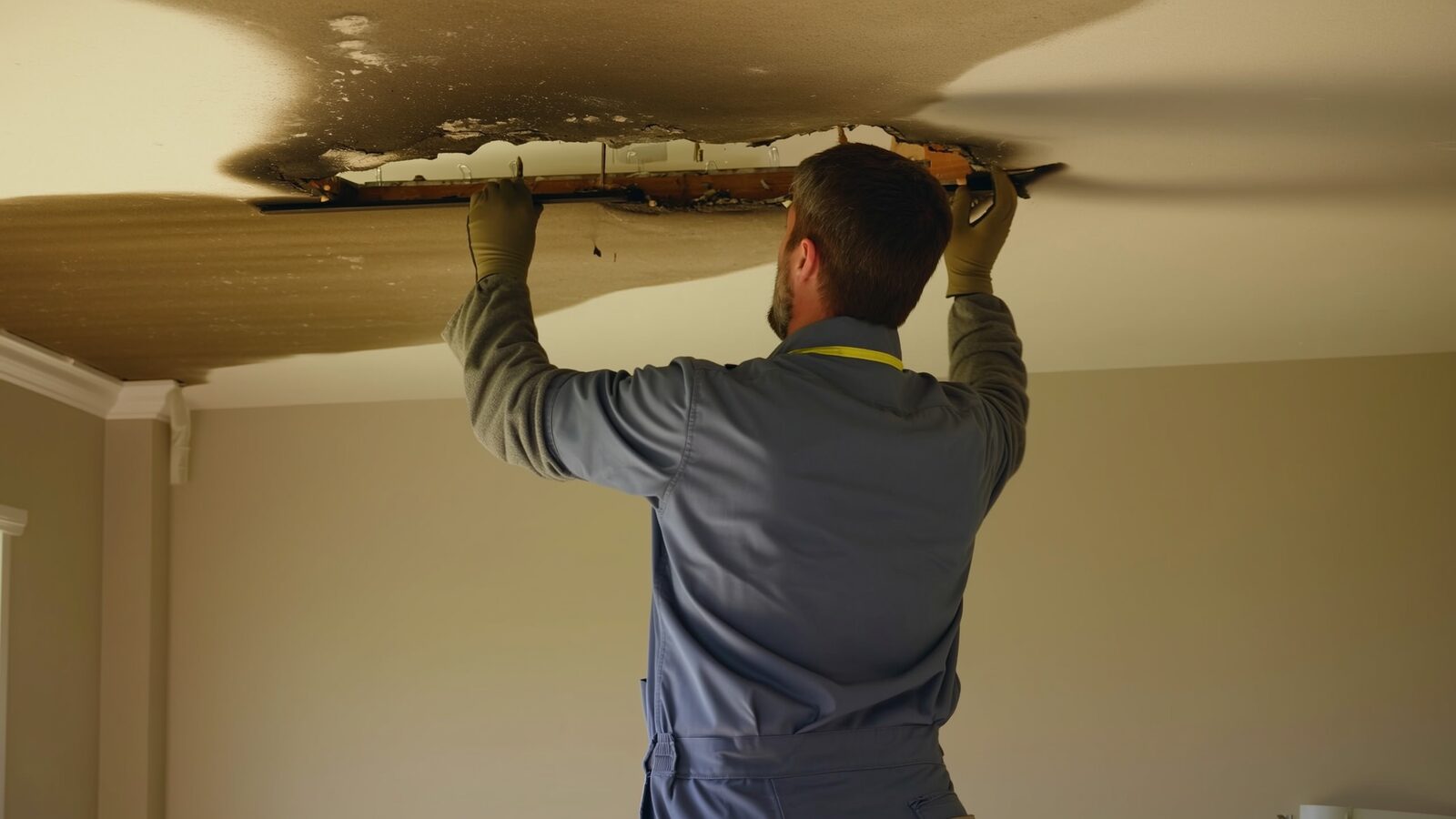
An initial damage assessment is usually a walkthrough. Someone moves room to room at eye level, notes charring, soot lines, water staining, and burned contents, then works out a scope from what is visible standing on the floor. That method works well for the living space. It works poorly for an attic, because heat and smoke do not stay in the room where they started. Superheated air rises and pressurizes. It finds gaps: the cut-out around a recessed can light, the drywall penetration where the bath fan duct passes through, the top plate of an interior wall, an attic access hatch, the chase around a flue. Smoke pushes through those openings under pressure, hits the underside of the roof deck, and spreads laterally across a space nobody is standing in. The fire itself can also travel that way. A kitchen or wall fire that looked contained downstairs can leave scorched sheathing and blackened truss webs directly overhead while the ceiling below shows nothing more than a faint discoloration. So the assessment is not careless. It is just being done from the wrong elevation for the way fire actually behaves.
Five things that hide attic damage on day one
None of these are exotic. They are ordinary conditions in ordinary houses, and together they explain most of the cases where a home is called clean and then is not.
Insulation absorbs the evidence
Blown-in cellulose and fiberglass batts take on smoke odor and soot particulate and then hold it. From the hatch, the surface can look gray-normal rather than damaged, and the charring on the framing underneath it is not visible until the insulation is pulled back. Insulation is also the single most common reason odor returns after everything else has been cleaned.
The attic hatch is the only vantage point
Many attics get assessed by opening the scuttle, putting a head and a flashlight through, and looking. In a truss attic the sightlines end a few feet in. Low heel heights at the eaves, ductwork, and stacked storage block the rest. Damage twelve feet away in a corner over a bedroom simply is not in the frame.
Soot on wood does not always read as soot
Roof sheathing is often dark to begin with, and older framing is dark with age. Light smoke deposits and early scorching can blend into that background under a flashlight beam. The tell is usually texture and pattern, alligatored char, a clean line where a stud shadowed the deck, or soot that wipes off on a cloth, none of which you catch from thirty feet away.
Suppression water goes up before it comes down
Water sprayed at a ceiling or attacked from a roof cut lands in the attic first. It soaks insulation, sits on the top side of the drywall, and drains slowly. On day one the ceiling below can look dry. Days later the drywall sags, nail heads pop, or a stain blooms, and in a Phoenix summer that wet insulation in a hot attic becomes a microbial problem before anyone looks again.
Odor is temperature dependent
Smoke residue off-gasses more when it is hot and humid. An attic checked at seven in the morning in a mild week can smell like nothing. The same attic at 150 degrees in July pushes odor down through every ceiling penetration into the house. Homeowners who report the smell coming back are usually reporting a real chemical process, not a memory.
Signs that the attic was part of the fire
If you are trying to figure out whether something was left behind, these are the things worth paying attention to, and worth writing down with dates and photos: Odor that comes and goes with the heat of the day, or that is strongest in a closet, hallway, or bathroom directly under the attic. Odor that gets stronger when the HVAC runs, which suggests residue in ducts or on the air handler if the equipment is in the attic. Ceiling stains that appear or grow after the fire is out. Nail pops, hairline cracks, or a ceiling plane that is no longer flat. Any of these can mean water sat above the drywall. Gray or black streaking at recessed light trims, ceiling registers, smoke detectors, or the edges of the attic hatch. Those are the openings smoke traveled through, and residue collects at the margins. Soot on the top surfaces of stored attic items, on the top face of ductwork, or on the top edges of framing rather than the sides. Deposition patterns tell you which direction the smoke came from. Insulation that is matted, discolored in patches, or lower in one area than the rest, which can mean it got wet and compressed. And on the exterior, discolored or blistered paint at soffit and gable vents, since those are where attic smoke exits. A proper look means going into the attic on the framing with light, pulling insulation back in the suspect areas, checking the roof deck and truss members overhead for char depth, and checking the top side of the ceiling drywall for staining. That is uncomfortable work in an Arizona attic, and it is the part that gets skipped.
Why the second look changes the scope of the work
Once an attic is actually opened up, the job usually stops being a cleaning job. Charred sheathing and framing have to be evaluated for whether they can be cleaned and sealed or need to be cut out and replaced. Contaminated insulation generally comes out rather than gets treated, because it cannot be cleaned in place. Wiring that ran through the heat zone needs to be looked at. Ductwork that carried smoke needs attention before the system is run again. And when framing or decking is removed, the drywall below it usually comes with it, which pulls the work into rebuild territory: ceilings, insulation, paint, sometimes roofing. That is why the attic finding matters so much to the overall scope, and why finding it late is expensive and demoralizing. It is also why it is worth pushing for the ceiling and attic to be inspected before a claim is closed rather than after. Gold Water Fire handles both halves of that, the fire damage restoration side including smoke residue and odor, the water damage restoration side for suppression water that soaked insulation and drywall, and the reconstruction and rebuild work when framing, decking, or ceilings have to be replaced. If you are not sure which of those you are dealing with, that is a normal place to be, and it is a reasonable thing to ask about before you decide anything.
Questions people ask us
Why does the smoke smell come back weeks after the fire was cleaned up?
Smoke residue releases odor more strongly as temperature and humidity rise. If residue is sitting in attic insulation, on the roof deck, or in ductwork, a cool day can mask it and a hot day can push it back down into the house through recessed lights, registers, and the attic hatch. The odor returning is usually a sign that a reservoir of residue was never removed, not a sign that the cleaning below was done badly.
Can there be fire damage in the attic if the ceiling below looks fine?
Yes. Heat and smoke travel upward through small penetrations and then spread sideways across the underside of the roof deck. It is common to find scorched sheathing and sooted framing above a ceiling that shows only light discoloration or nothing at all. The reverse also happens with water, where suppression water sits on top of the drywall for days before a stain shows.
What should a thorough attic inspection actually include?
Entering the attic rather than looking in from the hatch, moving along the framing with adequate light, pulling insulation back in areas near the fire and near ceiling penetrations, examining the roof deck and truss members for char and soot patterns, checking the top side of the ceiling drywall for water staining, and inspecting ductwork and any HVAC equipment in the space. Photographs of what is found matter for documentation.
Does contaminated attic insulation have to be removed?
Insulation that has absorbed smoke residue or gotten wet generally cannot be cleaned in place, so removal and replacement is the usual approach. Leaving it means the odor source stays in the building, and wet insulation in a hot attic can support microbial growth. Removal also gives access to inspect the framing and decking underneath, which is often where the real extent of the damage becomes clear.
The standard our team works to
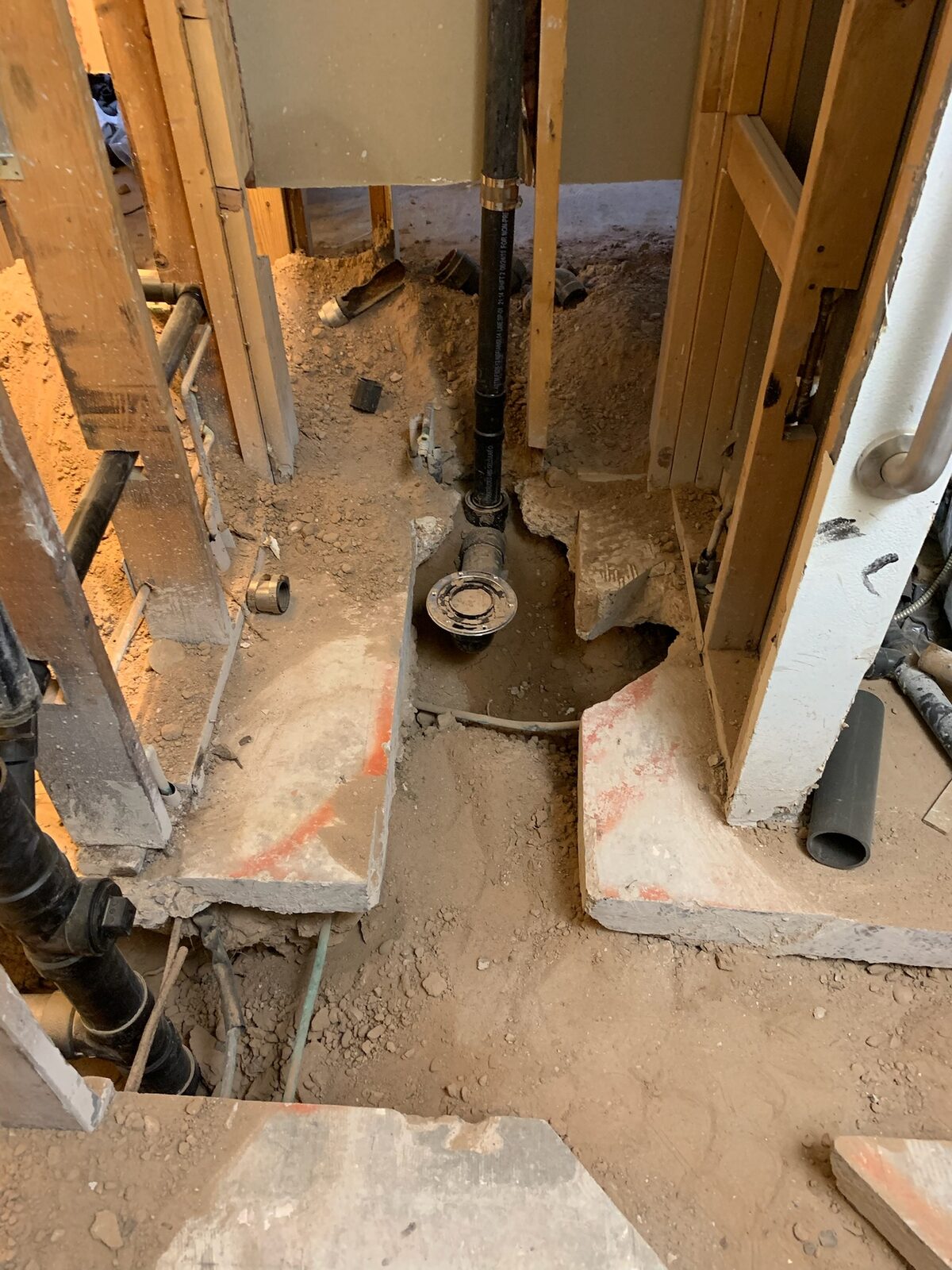
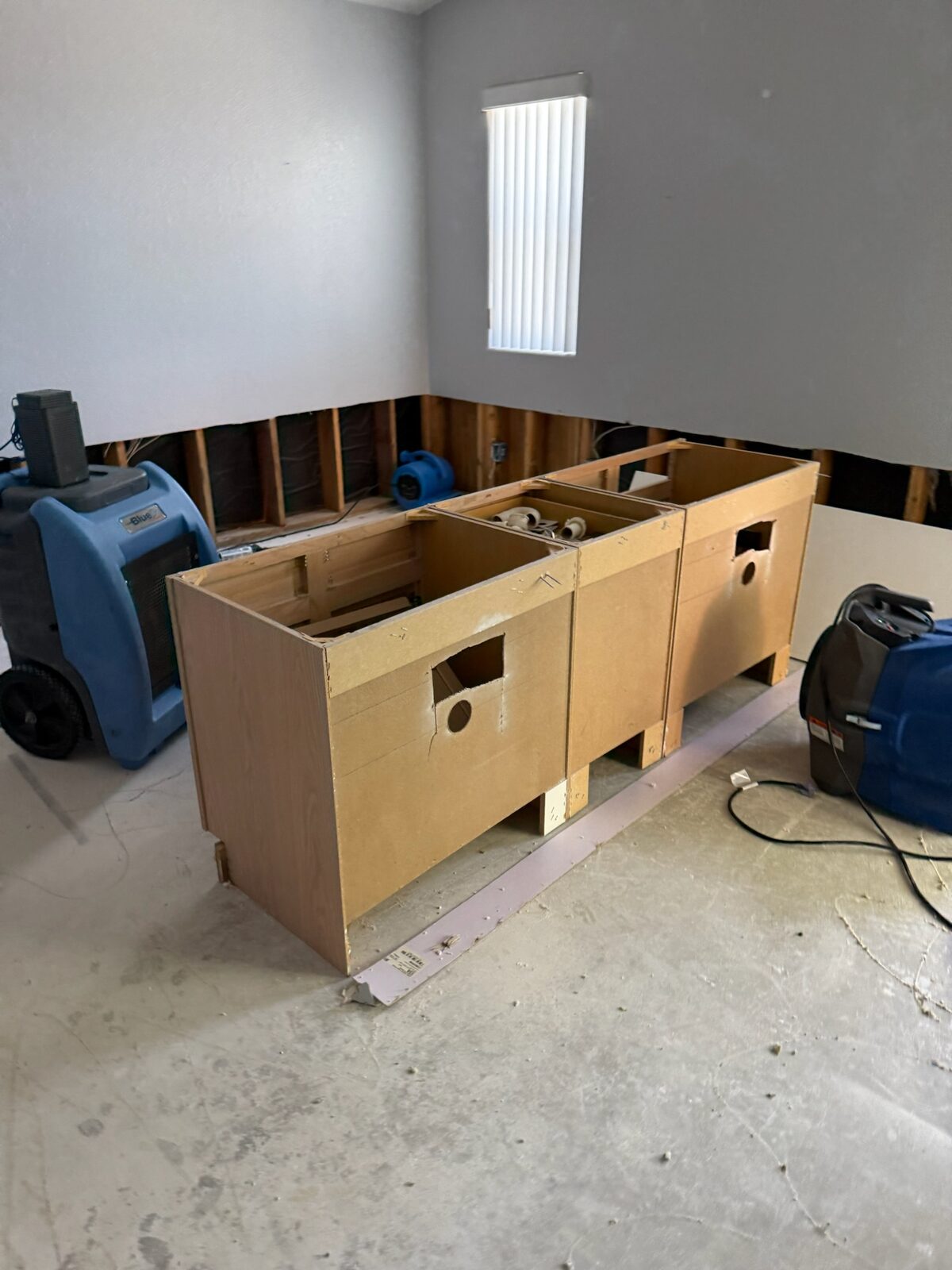
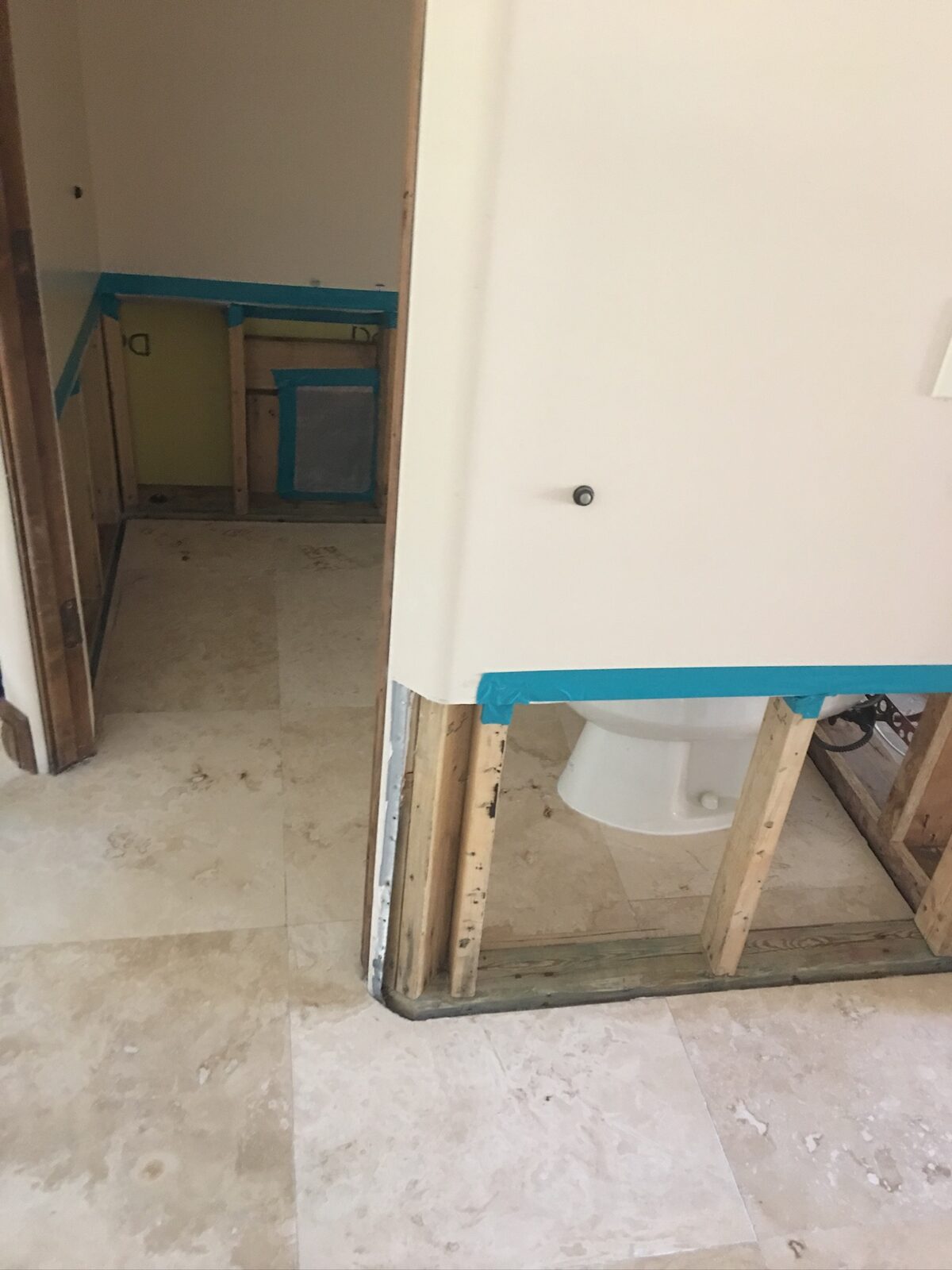
Residential reconstruction work by members of our team. See the full gallery →
More from Gold Water Fire
Abrasive Cleaning Methods for Soot on Framing and Masonry
A look at how abrasive cleaning methods remove soot from wood framing and masonry after a fire, and when each method fits the material.
AC Condensate Line Clogs & the Water Damage They Cause in Phoenix Homes
Why Phoenix AC condensate lines clog every summer, what the water damage looks like, and how to find the source before the ceiling stain spreads again.
Actual Cash Value vs Replacement Cost: Why Your Check Might Not Match the Repair Bill
Confused why your insurance check seems short after fire or water damage? Learn the difference between actual cash value and replacement cost coverage.
If your house is still telling you something is wrong
You do not have to have it figured out before you call. Describe what you are noticing, the smell that comes back in the heat, the stain that keeps growing, the room that feels off, and we will talk through what is likely happening above the ceiling and what a real attic inspection would involve. Gold Water Fire serves the full Phoenix metro area, from Peoria and Avondale out to Queen Creek, San Tan Valley, and Apache Junction. Call (480) 999-3339 or email Help@goldwaterfire.com.
Call (480) 999-3339Fire Damage Restoration · Water Damage Restoration · Reconstruction & Rebuild · Contact Gold Water Fire