
Common Garage Fire Causes in a Typical Home
If you've ever walked into your garage and paused, noticing a smell you can't place, an outlet that feels warm, a cord that's been overloaded for months, you're not being paranoid. Garages collect exactly the kind of hazards that cause house fires, and most people don't find out how risky their setup was until something goes wrong. It's hard to know what's actually dangerous versus what's just clutter, and that uncertainty is its own kind of stress.
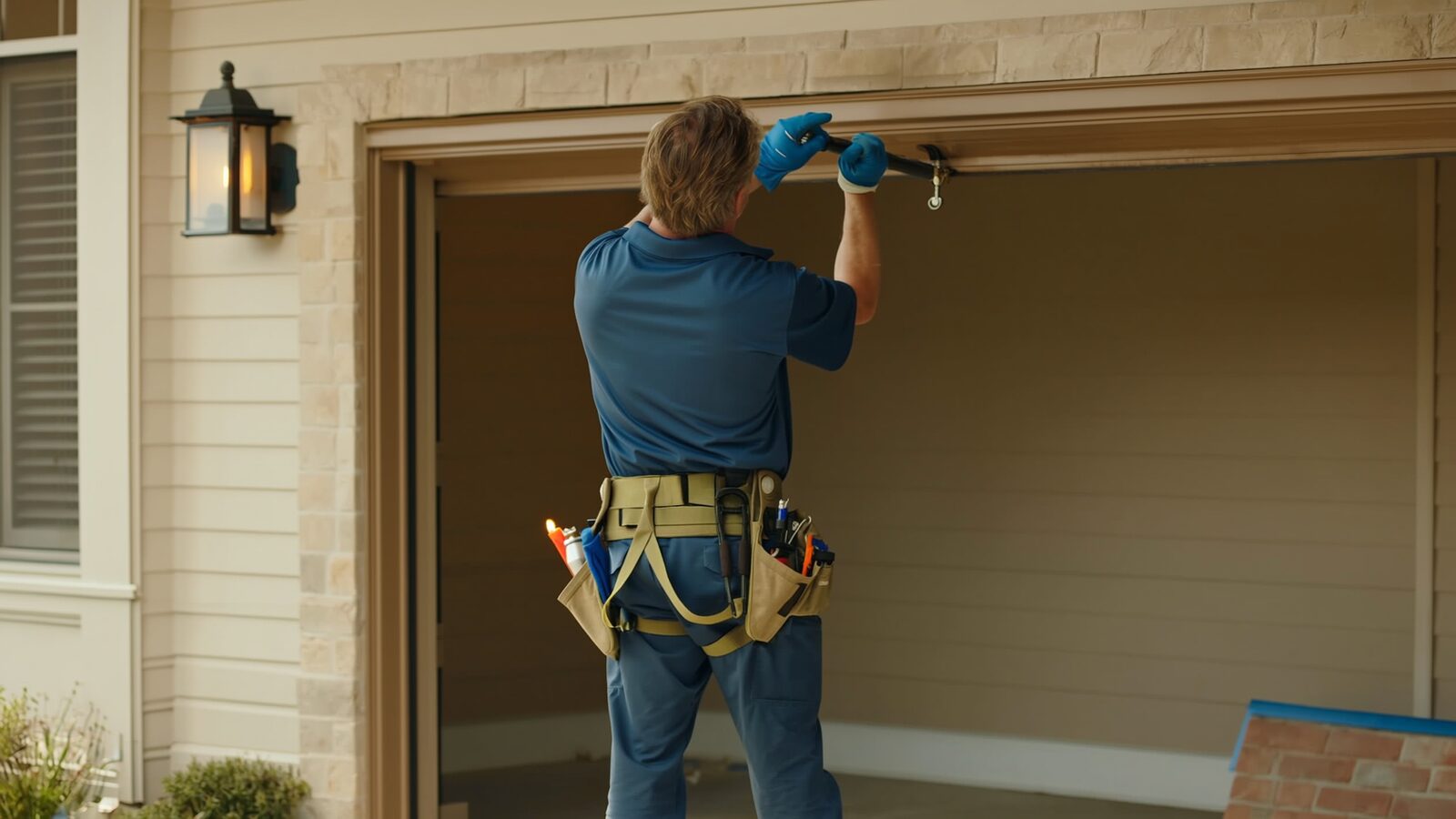
Common Garage Fire Causes in a Typical Home
Why garages are a common starting point for house fires
Garages tend to hold the things a home doesn't have room for elsewhere: extra refrigerators, workbenches, power tools, leftover paint, propane tanks, gasoline for the mower. Add in a car that's just been driven, an electrical panel, and often the water heater or furnace, and you have a room with more ignition sources and more fuel than almost anywhere else in the house. Garages are also less monitored day to day. A smoldering issue can build for hours before anyone notices, especially overnight or while a home is empty during the day.
The most frequent causes, and why they happen
Electrical problems are one of the most common causes of garage fires. Overloaded outlets, extension cords used as permanent wiring, damaged cord insulation, and older panels that weren't built for today's power tools and chargers all create heat in places that aren't designed to dissipate it. Stored flammable liquids are another major factor: gasoline, paint thinner, and aerosol cans give off vapors that can ignite from a spark, a pilot light, or even static electricity if they're stored near a heat source. Vehicles themselves are a source too, whether from a mechanical issue, a fluid leak dripping onto a hot surface, or a battery charger left connected too long. Lithium-ion batteries in power tools, e-bikes, and scooters have become a more frequent cause as well, particularly when they're charged unattended or with a damaged charger. Finally, appliances stored or used in the garage, like an older freezer, space heater, or dryer, can fail in ways that go unnoticed because no one is in the room to smell smoke early.
Warning signs worth taking seriously
A breaker that trips repeatedly is telling you something, even if it seems like a minor annoyance. Discolored or warm outlet covers, a persistent burning smell with no obvious source, flickering lights, or a cord that feels hot to the touch are all signs of electrical stress that can lead to fire. Pooling fluid under a vehicle, swollen or hot batteries, and rodent damage to wiring (a surprisingly common and overlooked cause) are also worth investigating rather than ignoring.
Reducing the risk without overhauling everything
Small habits make a real difference: storing flammable liquids in approved, sealed containers away from any heat source, not running space heaters unattended, keeping charging equipment on a hard surface away from paper or cardboard, and having an electrician look at a panel that feels underpowered for what's plugged into it. None of this guarantees a fire won't happen, but it removes a lot of the everyday risk that builds up quietly in a space most people only think about when they're parking the car.
Questions people ask us
Can a garage fire spread to the rest of the house quickly?
Garages are often separated from living spaces by a fire-rated door, but that barrier only slows a fire, it doesn't stop it indefinitely. Attached garages with shared attic space, ductwork, or a poorly sealed connecting door can allow smoke and fire to spread faster than expected.
Are lithium-ion batteries really a significant fire risk in garages?
Yes. Damaged, defective, or improperly charged lithium-ion batteries in tools, e-bikes, and scooters can overheat and ignite with little warning, and these fires can be intense and fast-moving. Charging them on a non-flammable surface and not leaving them unattended for long periods reduces the risk.
What should I do if I smell something burning in my garage but can't find the source?
Treat it seriously. Turn off the breaker to that area if you can do so safely, unplug anything nearby, and don't run vehicles or appliances until the source is identified. If the smell persists or you see any smoke, leave the garage and call your local fire department rather than continuing to investigate on your own.
Does homeowners insurance typically cover garage fire damage?
Coverage depends on your specific policy, so it's worth reviewing your documents or calling your insurer directly to understand what's included and what documentation they'll need.
The standard our team works to
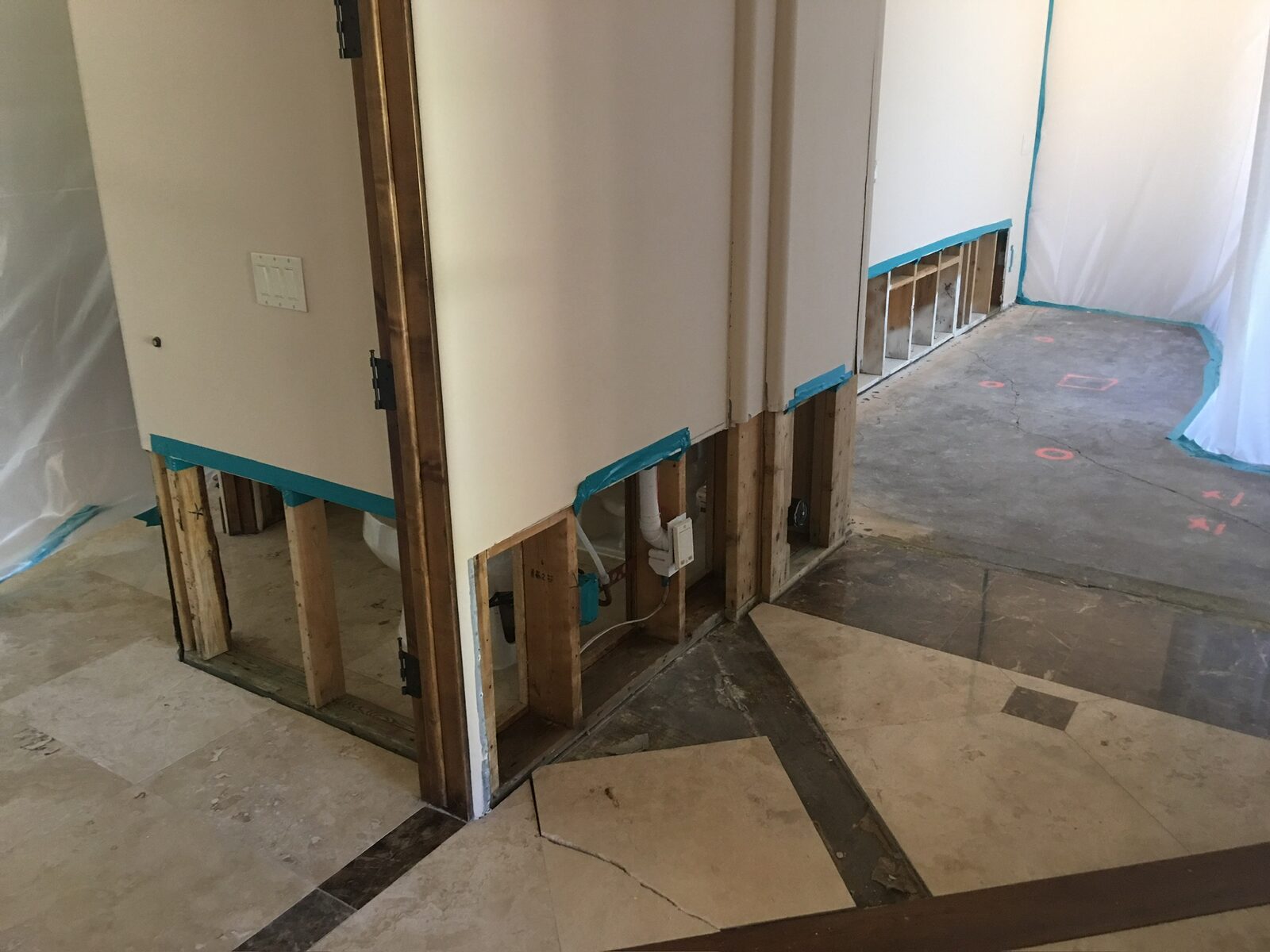
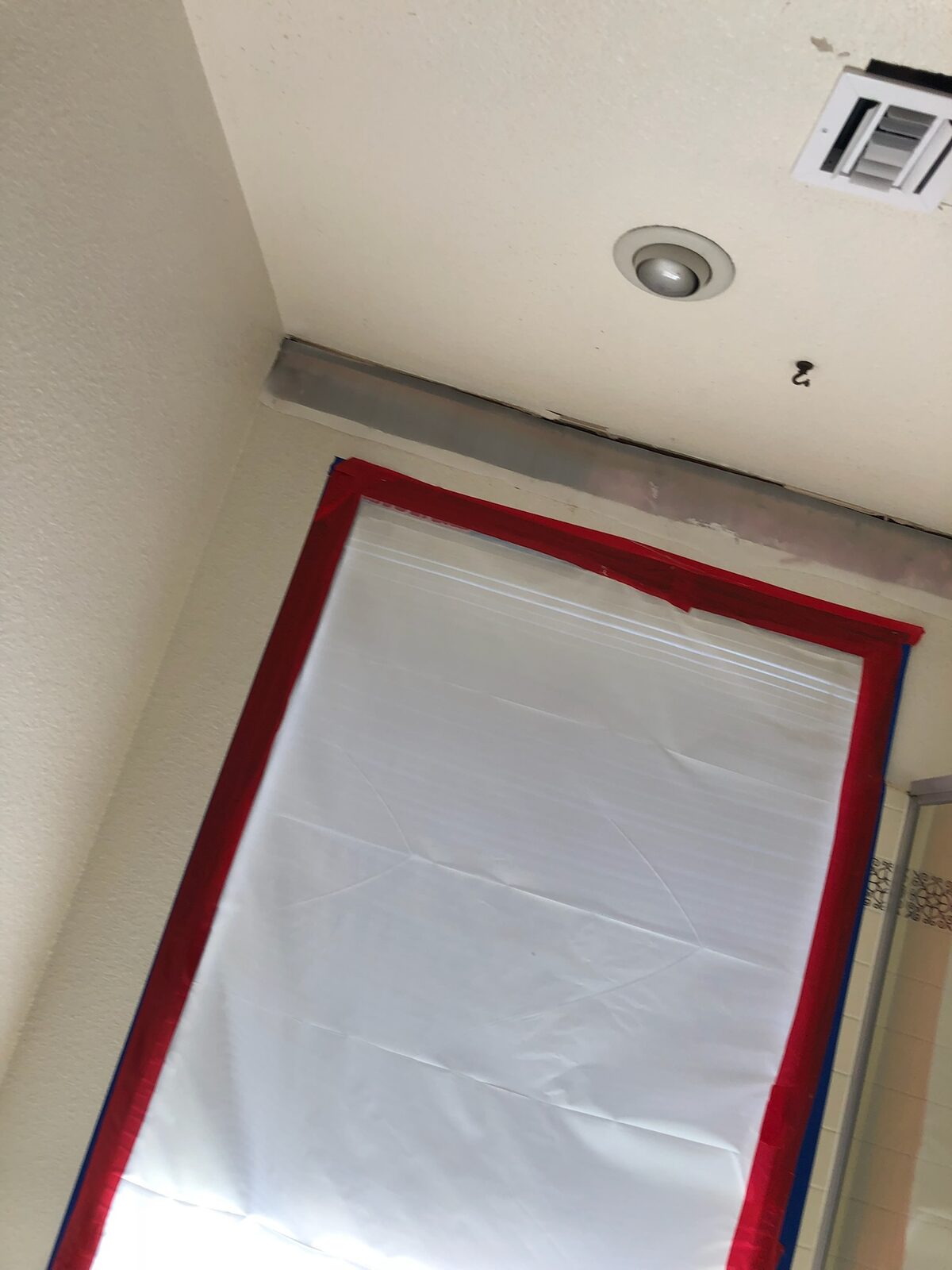
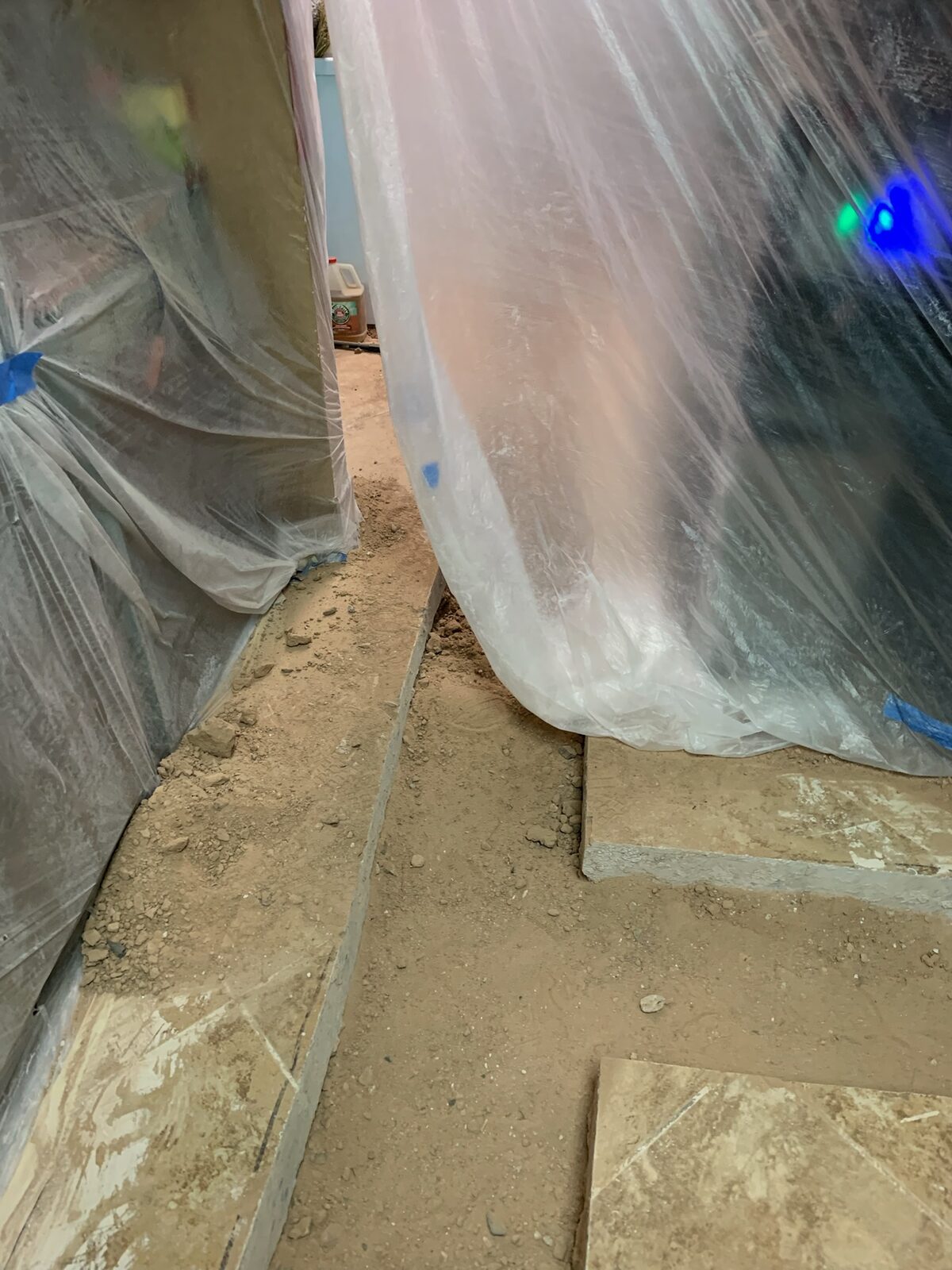
Residential reconstruction work by members of our team. See the full gallery →
More from Gold Water Fire
Abrasive Cleaning Methods for Soot on Framing and Masonry
A look at how abrasive cleaning methods remove soot from wood framing and masonry after a fire, and when each method fits the material.
AC Condensate Line Clogs & the Water Damage They Cause in Phoenix Homes
Why Phoenix AC condensate lines clog every summer, what the water damage looks like, and how to find the source before the ceiling stain spreads again.
Actual Cash Value vs Replacement Cost: Why Your Check Might Not Match the Repair Bill
Confused why your insurance check seems short after fire or water damage? Learn the difference between actual cash value and replacement cost coverage.
If a garage fire has already happened, you don't have to sort it out alone
Gold Water Fire helps Phoenix-area homeowners understand what smoke, heat, and water from firefighting efforts have affected, and walks through what restoration and reconstruction actually involves. Reach out through the <a href="/contact.html">contact page</a> or call to talk through what you're seeing.
Call (480) 999-3339Fire Damage Restoration · Reconstruction & Rebuild · Contact Gold Water Fire