
HEPA Vacuuming in Fire Cleanup: Why Regular Vacuums Make It Worse
Standing in a room after a fire, looking at the soot on every surface, it's natural to want to just start cleaning. Grab the vacuum, get the ash up, move forward. But if you've already tried that and watched the smell get worse, or noticed soot showing up on surfaces you'd already cleaned, you're not imagining it. Something about that process isn't working the way it should, and it's worth understanding why before you touch another surface.
HEPA Vacuuming in Fire Cleanup: Why Regular Vacuums Make It Worse
What a regular vacuum actually does to soot
Household vacuums, even good ones, are built to trap larger debris like dirt, hair, and crumbs. Their filters are not designed to hold onto the microscopic particles that make up fire soot. Soot particles are often small enough to pass straight through a standard vacuum bag or filter and get shot back out through the exhaust, along with whatever fine ash the vacuum's suction pulled up off the surface. The result is a vacuum that looks like it's cleaning while it's actually redistributing soot into the air, where it settles onto walls, furniture, and fabrics that may not have even been touched by the original fire. This is a big part of why a room can look cleaner right after vacuuming and then seem dirty again a day later.
Why soot behaves differently than ordinary dust
Fire soot is not just dark dust. It's made up of unburned carbon and partially combusted material from whatever burned, which can include synthetic fabrics, plastics, wood, insulation, and household chemicals. Depending on what burned, that soot can carry an acidic residue that etches into surfaces the longer it sits, and it often carries a strong odor that clings to porous materials like drywall, carpet, and upholstery. Because the particles are so fine, they don't just sit on top of a surface, they work their way into pores, fabric fibers, and HVAC systems. That's why fire cleanup is treated differently than a normal deep clean: the goal isn't just to move the soot, it's to capture and remove it without giving it new places to land.
What HEPA filtration is built to catch
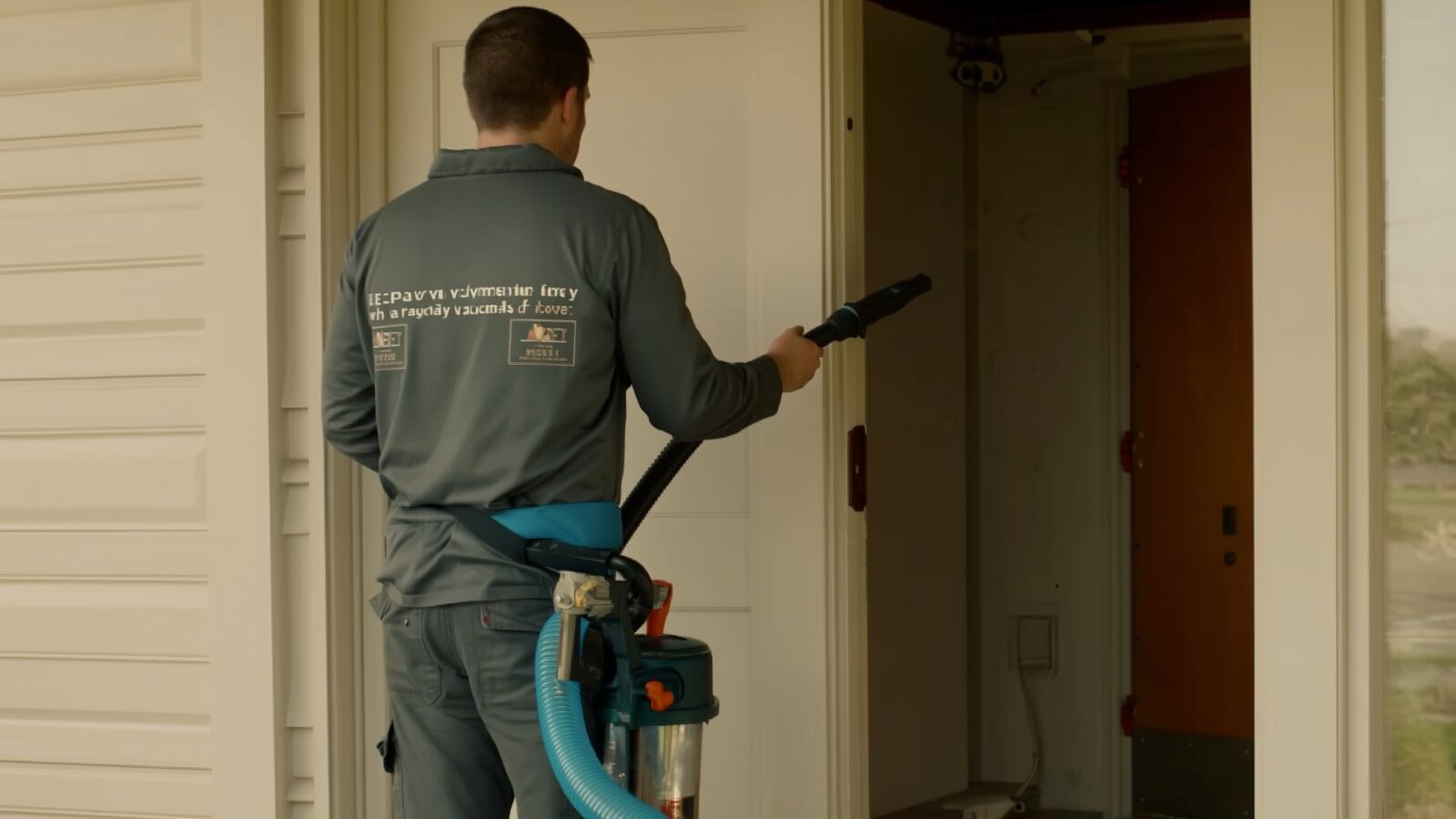
HEPA stands for High Efficiency Particulate Air, and a true HEPA filter is designed to capture very fine particles rather than let them pass through and recirculate. In fire cleanup, HEPA vacuums are used specifically because they can pull soot out of carpet, upholstery, and hard surfaces without pushing the fine particulate back into the room's air. This matters most in the early stages of cleanup, when loose surface soot is still sitting on top of materials and hasn't had time to grind further into fibers or finishes. Using the right equipment at this stage can make the difference between soot being removed from the home and soot simply being moved around inside it.
Signs the cleanup approach isn't working
A few things tend to show up when non-HEPA equipment is used on fire soot: a persistent smoky smell that doesn't fade even after visible soot is gone, dark residue reappearing on recently cleaned surfaces, or a fine haze settling on furniture in rooms that weren't near the fire. Respiratory irritation, especially for people with asthma or sensitivities, can also point to particulate that's still circulating in the air rather than being removed from the home. None of these are signs that someone did something wrong on purpose. They're signs that the tools used weren't matched to what fire soot actually requires.
Questions people ask us
Can I rent a HEPA vacuum instead of using my home vacuum?
Rental HEPA units exist and can help with light surface soot, but fire cleanup often also involves soot embedded in HVAC systems, wall cavities, and fabrics, which usually calls for a broader assessment of what's affected before cleaning begins.
Is it safe to vacuum soot at all before professionals look at it?
Light, dry soot on hard surfaces is generally lower risk to disturb briefly, but heavy soot, wet soot, or soot from a fire involving plastics and synthetics can release particulate that's better handled with proper containment and filtration from the start.
Why does the smell come back after I think I've cleaned everything?
Odor from fire is carried by the same fine particles as visible soot. If those particles were pushed into carpet padding, fabric, or air ducts instead of removed, the smell can resurface as they're disturbed again later.
Does HEPA vacuuming replace the need for other cleaning steps?
No. HEPA vacuuming is typically one step among several, often paired with surface cleaning, odor treatment, and sometimes HVAC cleaning, depending on how far the soot traveled and what materials it touched.
The standard our team works to
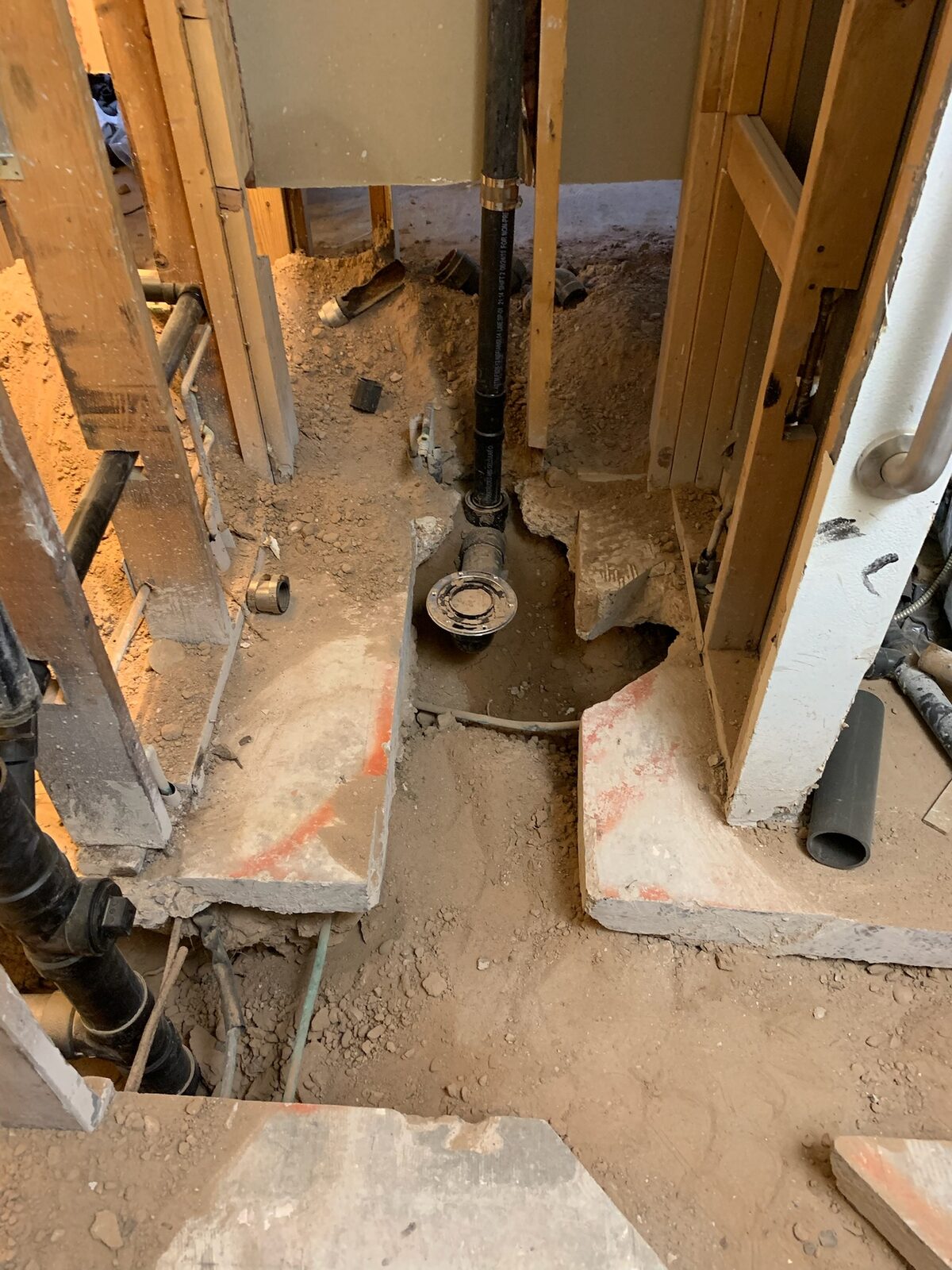
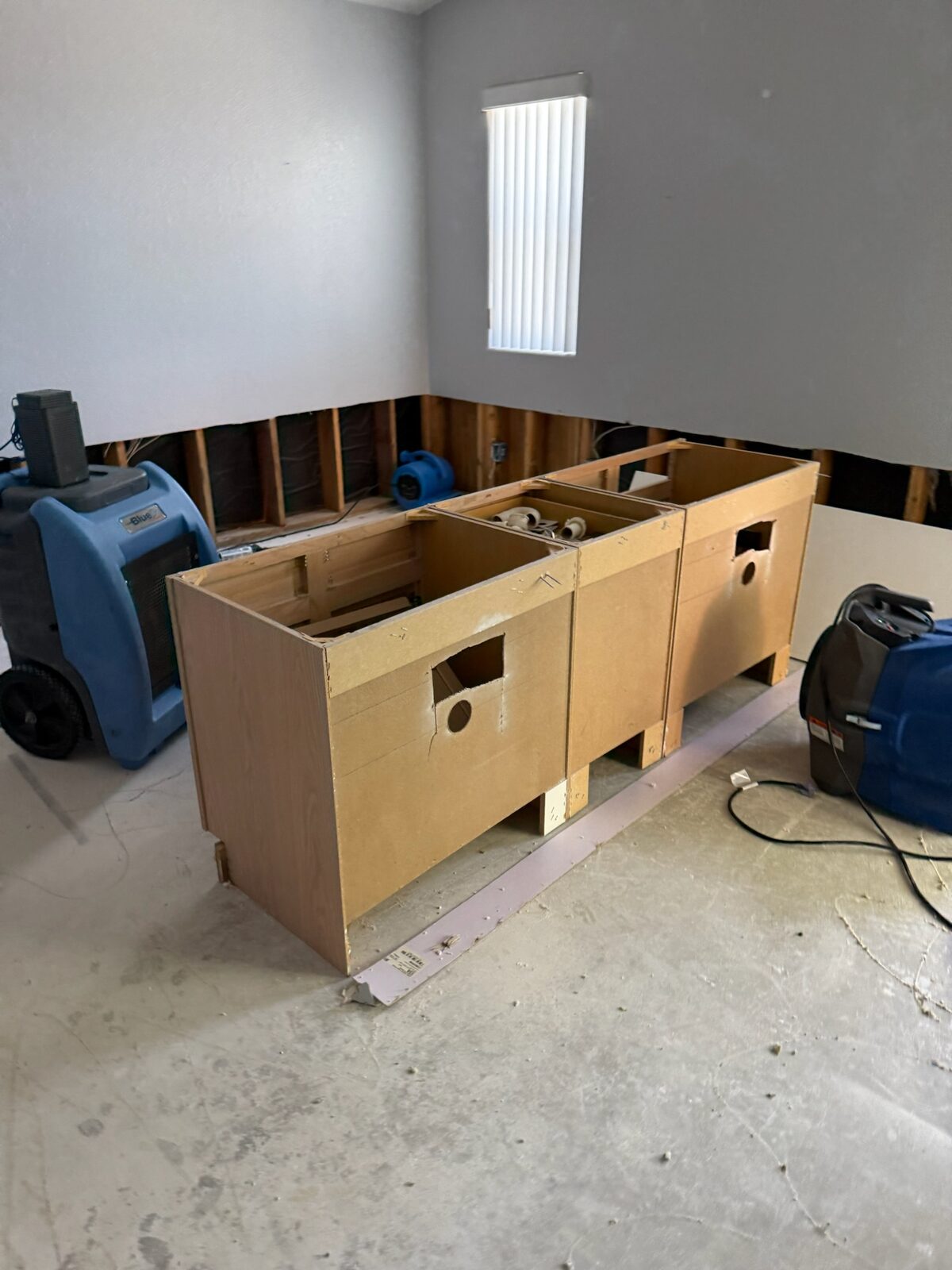
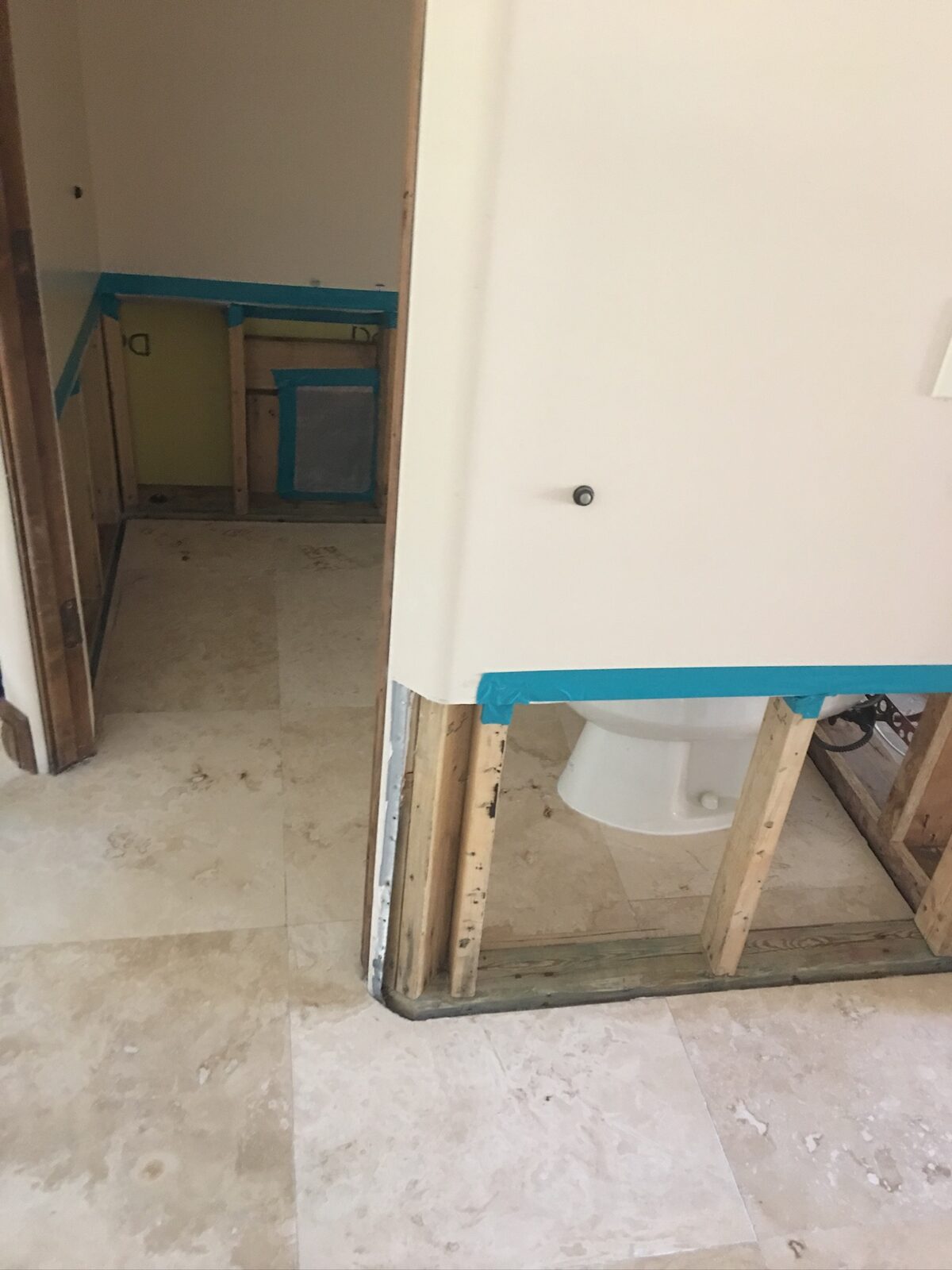
Residential reconstruction work by members of our team. See the full gallery →
More from Gold Water Fire
Abrasive Cleaning Methods for Soot on Framing and Masonry
A look at how abrasive cleaning methods remove soot from wood framing and masonry after a fire, and when each method fits the material.
AC Condensate Line Clogs & the Water Damage They Cause in Phoenix Homes
Why Phoenix AC condensate lines clog every summer, what the water damage looks like, and how to find the source before the ceiling stain spreads again.
Actual Cash Value vs Replacement Cost: Why Your Check Might Not Match the Repair Bill
Confused why your insurance check seems short after fire or water damage? Learn the difference between actual cash value and replacement cost coverage.
Not sure how far the soot has spread in your home?
Gold Water Fire helps Phoenix-area homeowners understand what fire cleanup actually needs before more damage sets in. Reach out at (480) 999-3339 or Help@goldwaterfire.com to talk through what you're seeing.
Call (480) 999-3339Fire Damage Restoration · Contact Gold Water Fire · About Gold Water Fire