
What Can Typically Be Salvaged After a House Fire, & What Usually Cannot
There is a strange kind of grief in standing in a room where most things look like they are still there. The couch is where you left it. The bookshelf is upright. The photos are still on the wall, a little gray. Nothing looks destroyed the way you expected destroyed to look, and yet something in you already knows that half of it is gone. That gap, between what your eyes report and what you suspect, is one of the hardest parts of the days after a fire. People describe it as not being able to think straight, but it is usually something more specific: you are being asked to make decisions about your own belongings using a set of rules nobody ever taught you. You do not yet know what smoke actually does to a thing, or why the fire crew's water may end up mattering more than the flames, or why one shirt smells fine and the one next to it never will again. Not knowing is not a failure of nerve. It is just an unfamiliar language, and you are being handed it on the worst week of your life.
What Can Typically Be Salvaged After a House Fire, & What Usually Cannot
Three separate kinds of damage happened, not one
Most people think of a house fire as a single event. In practice a fire leaves behind at least three overlapping problems, and each one attacks different materials in different ways. Understanding which one touched an object is the fastest way to predict whether it can be saved. Heat damage is the most obvious: scorching, warping, melting, charring. It is usually confined near the point of origin and along paths where flame traveled. Smoke damage travels far past the flames, into rooms that never burned. Smoke is not just soot. It carries acidic residues and vaporized plastics that settle on and into surfaces, and it moves through wall cavities, ductwork, closets and drawers. Smoke is what makes a bedroom two doors down from the fire a problem. Water and suppression damage comes from hoses, sprinklers or extinguishers, and it keeps working after everyone has gone home. Saturated drywall, swollen wood, soaked insulation and standing water under flooring create the conditions for microbial growth within a day or two in most indoor environments. In many fires, more contents are lost to water and delay than to fire itself. That is why fire and water work are so often handled together, and why water damage restoration is usually part of a fire response rather than a separate job.
What often comes back
None of the following is a guarantee, because exposure time, temperature and proximity change everything. But as a general rule, these categories respond well to professional cleaning when they are addressed before residues have weeks to sit and etch.
Hard, non-porous surfaces
Glass, ceramic, porcelain, glazed tile, most metals, sealed stone and solid hardwood furniture. Soot sits on top of these rather than soaking in. They usually clean up with the right chemistry, though metals can corrode if acidic soot is left on them, so time matters more than people expect.
Most clothing and soft goods
Washable fabrics often come back through specialized cleaning such as ozone treatment, hydroxyl chambers or commercial textile processes that pull odor out of fibers rather than covering it. Heavy natural fibers do better than synthetics, because melted synthetics can bond soot into the weave permanently.
Many hard-covered books, documents and photos
Paper is porous and holds odor, but freeze-drying and specialized document recovery can save a surprising amount, especially wet paper if it is frozen quickly instead of being allowed to dry and stick together. Photographs are worth attempting even when they look ruined.
Framing, subfloor and structure
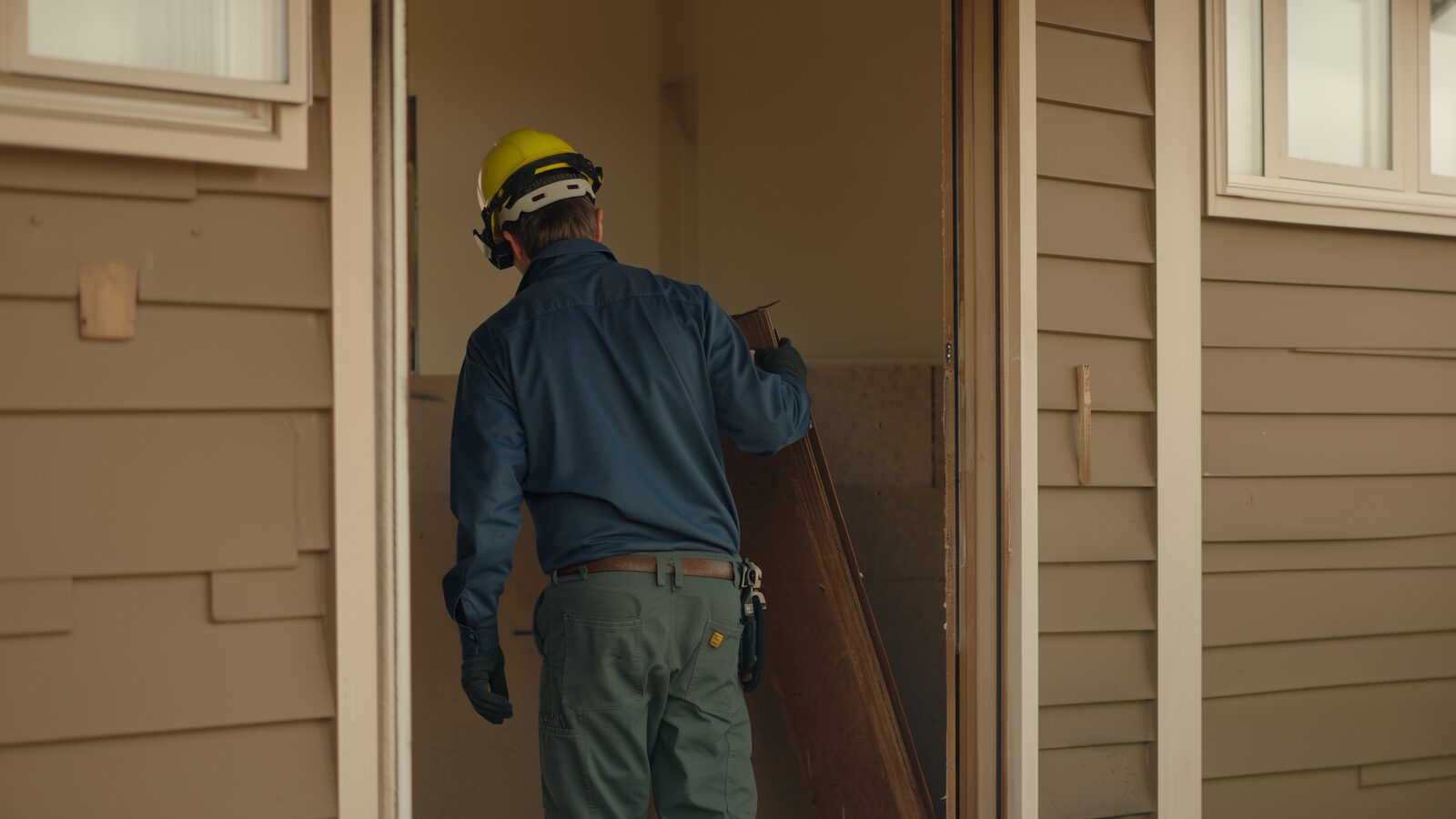
Charred structural lumber is often surface char only, and can sometimes be cleaned, sanded and sealed rather than replaced. What actually needs to come out is a structural judgment, not a visual one, and it is a normal part of the reconstruction and rebuild phase.
What usually does not come back, and why
The hard part of this list is that most items on it look fine. Losing something that appears undamaged feels wasteful, so it helps to know the reason each one is written off.
Food, medicine and cosmetics
Anything consumable that was in the affected area is generally discarded, including sealed cans and jars, packaged food, refrigerated and frozen items, prescription medication, over-the-counter drugs and makeup. Heat can compromise contents through packaging, and smoke residues carry toxic compounds. Canned goods exposed to high heat can also fail their seals without any visible sign.
Porous items that absorbed smoke deeply
Mattresses, box springs, upholstered furniture with soaked foam, pillows and many carpet pads tend to hold odor no matter how they are treated, because the smoke settled inside the cushioning rather than on it. If the odor returns on a hot, humid day, it was never actually removed.
Anything melted, warped or heat-stressed
Melted plastics, warped electronics housings, deformed vinyl, and items whose finish has blistered or bubbled. Electronics deserve special caution: soot is conductive and corrosive, so a device that powers on today may fail weeks later. Have electronics evaluated before plugging them in.
Wet porous building materials
Saturated drywall, wet insulation, particle board and laminate cabinetry, and water-damaged carpet pad are typically removed rather than dried. They lose structural integrity, hold moisture against framing, and become growth surfaces. Cutting them out early is often what saves the framing behind them.
Practical steps in the first days
Before anything else, do not re-enter until the fire department or an appropriate authority says the structure is safe. If you are cleared to go in, wear an N95 or better, gloves, long sleeves and closed shoes. Soot is an irritant and the air in a fire-damaged home is not neutral. Document before you move anything. Photograph and video every room, every wall, open closets and drawers, and get wide shots plus close-ups. Your insurer will ask for an inventory, and it is far easier to build one from footage than from memory. Write down what you remove and where it came from. Do not start scrubbing. Wiping soot with a household cleaner or a wet cloth often drives residue deeper into a finish and turns a cleanable surface into a permanent stain. Dry soot removal comes first, with specific sponges and vacuums, and that sequence exists for a reason. Separate the obviously ruined from the uncertain, and let the uncertain pile be large. It is normal to hand off a box of items you cannot judge. Get power and gas evaluated before restoring utilities, keep pets out of the structure, and prioritize irreplaceables (photos, documents, heirlooms) for early attention, since wet paper degrades fast. On insurance: most policies distinguish between cleaning an item and replacing it, and an adjuster generally wants to see the item, not hear about it. Keep damaged goods until you are told you can dispose of them, even if it is unpleasant to look at them. If you want a second opinion on what is worth trying to save, that conversation is part of fire damage restoration, and it can happen before you commit to anything.
Questions people ask us
Why does my house smell like smoke in rooms that never burned?
Smoke moves as a gas and a fine particulate, so it travels through hallways, HVAC ducts, wall cavities and around door frames long before flame would. It settles in porous materials: fabric, carpet pad, drywall paper, insulation and unfinished wood. That is why odor removal is a whole-house task rather than a room-by-room one, and why sealing surfaces is often needed after cleaning.
Can smoke-damaged clothing really be saved, or should I just throw it out?
A lot of it can be saved. Washable natural-fiber clothing generally responds well to specialized cleaning that treats the odor at the fiber level. The items least likely to come back are synthetics that were near heat, anything with melted areas, and heavily padded items like coats where smoke reached the insulation. Bag textiles separately and keep them out of the affected home so they do not re-absorb odor.
Do I have to throw away canned food that was not touched by flames?
Generally, yes. Cans and jars exposed to high heat can lose seal integrity or have their contents altered without showing damage on the outside, and smoke residues can get past packaging. The standard guidance across the industry is to discard food, medication and cosmetics from affected areas rather than take the risk.
Why is water damage part of a fire cleanup?
Suppression water soaks into drywall, insulation, subfloor and contents, and it does not stop causing harm once the fire is out. Wet porous materials can support microbial growth quickly and can keep moisture pressed against framing. Extracting water, removing unsalvageable wet materials and drying the structure is normally the first phase of fire work, not a separate project.
The standard our team works to
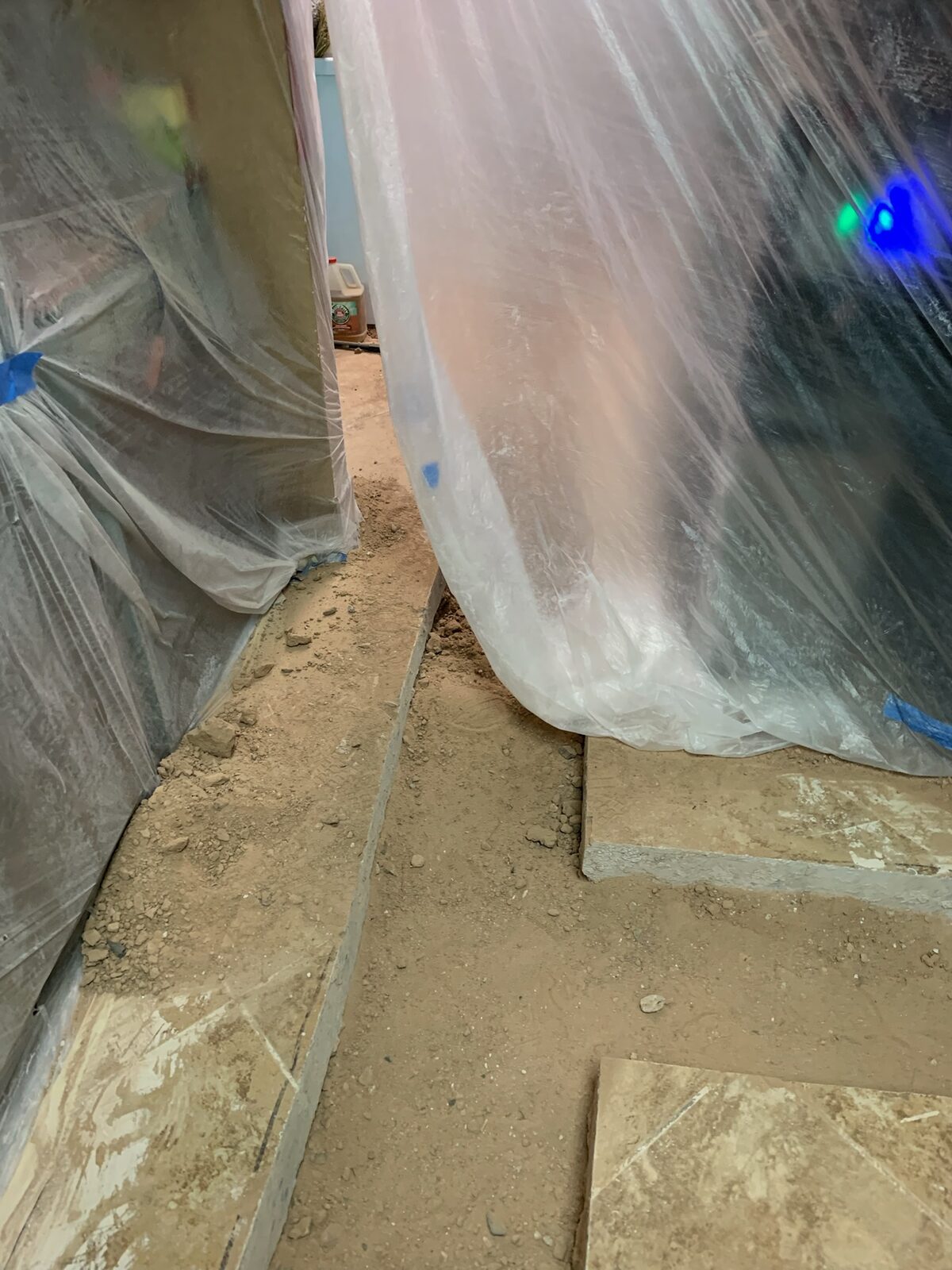
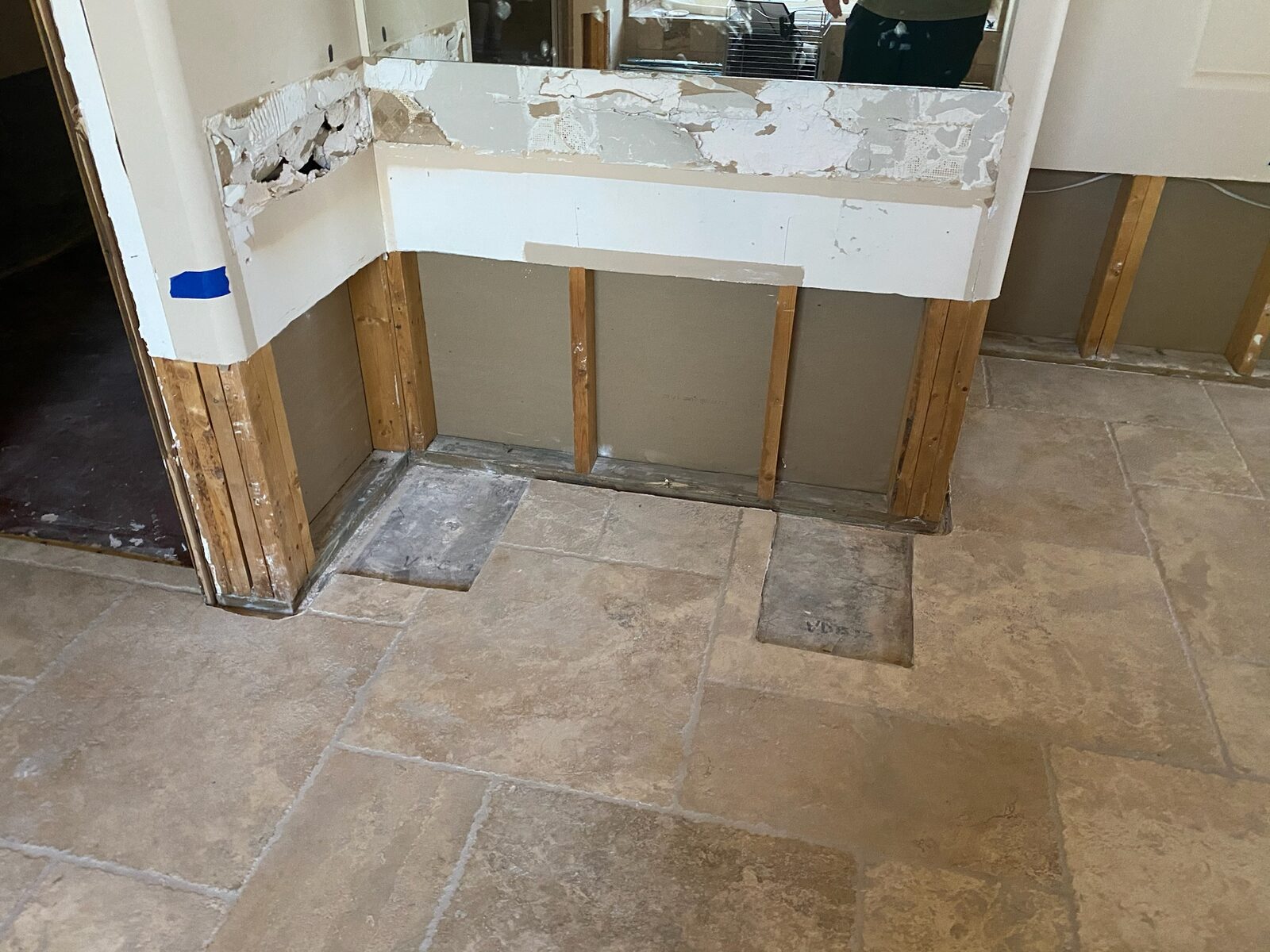
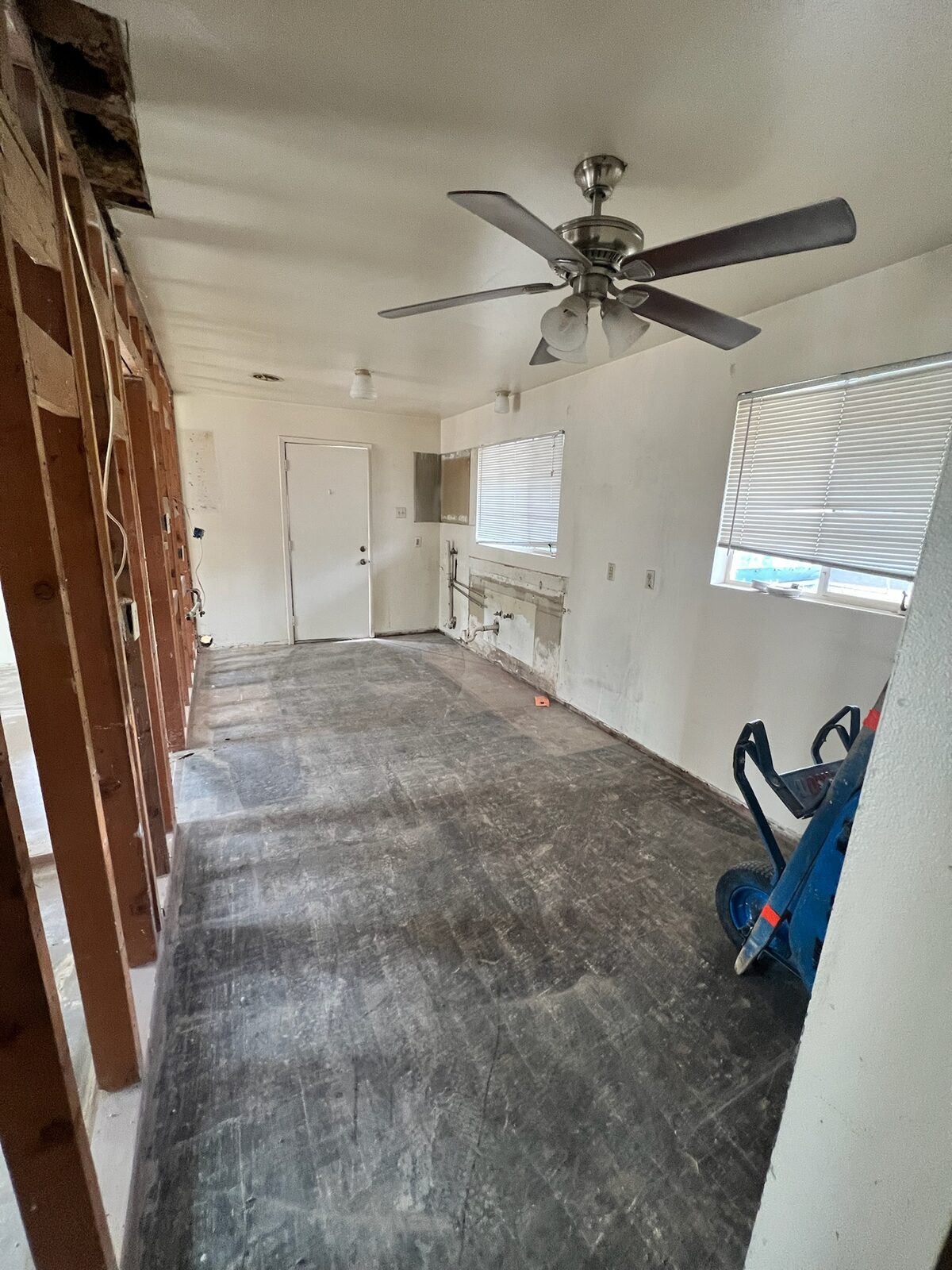
Residential reconstruction work by members of our team. See the full gallery →
More from Gold Water Fire
Abrasive Cleaning Methods for Soot on Framing and Masonry
A look at how abrasive cleaning methods remove soot from wood framing and masonry after a fire, and when each method fits the material.
AC Condensate Line Clogs & the Water Damage They Cause in Phoenix Homes
Why Phoenix AC condensate lines clog every summer, what the water damage looks like, and how to find the source before the ceiling stain spreads again.
Actual Cash Value vs Replacement Cost: Why Your Check Might Not Match the Repair Bill
Confused why your insurance check seems short after fire or water damage? Learn the difference between actual cash value and replacement cost coverage.
If you are not sure what is worth saving, ask before you throw it out
You do not have to sort through this alone or decide today. Call Gold Water Fire at (480) 999-3339 or email Help@goldwaterfire.com and we will walk through what you are looking at. We serve the Phoenix metro area, from Peoria and Avondale out to Queen Creek, San Tan Valley and Apache Junction. AZ ROC #264344 KB-2.
Call (480) 999-3339Fire Damage Restoration · Water Damage Restoration · Reconstruction & Rebuild · Contact Gold Water Fire · About Our Team