
What to Do in the First Hour After a House Fire Is Out
The fire trucks are gone, the smoke has cleared, and you're standing in front of what used to be normal. Whether it was a small kitchen fire or something that took most of the house, that first hour is disorienting. Your mind is racing between what to save, who to call, and whether it's even safe to go back inside. It's a lot to hold at once, and there's no shame in feeling frozen for a minute before you can think clearly again.
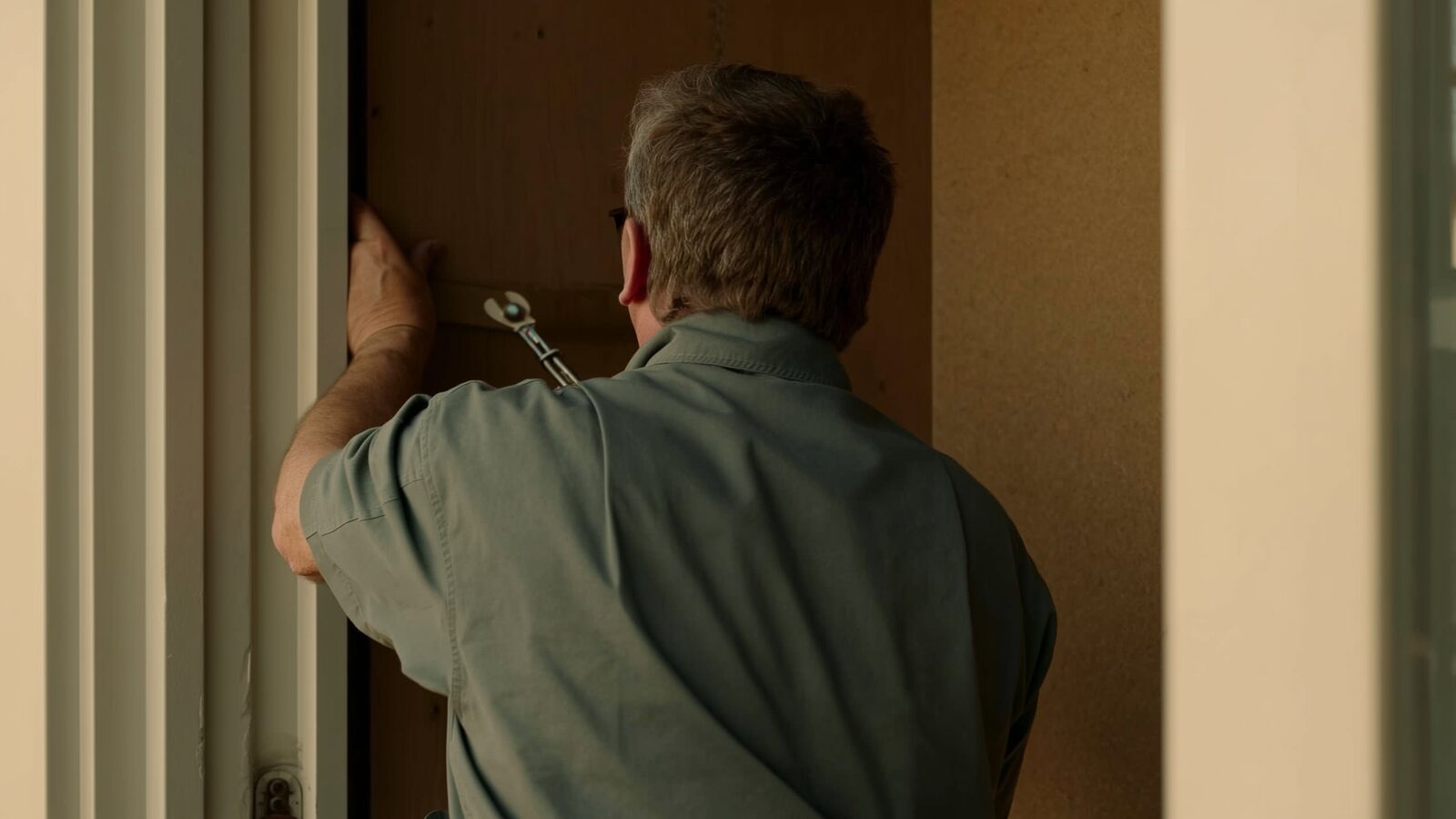
What to Do in the First Hour After a House Fire Is Out
Before you do anything else, confirm it's safe
Fire departments typically won't let you back into a structure until they've cleared it, but if you're already inside or about to go in, slow down. Structural damage from fire isn't always visible. Weakened floors, ceilings, and roof sections can give way without warning, especially in rooms directly above or below where the fire burned. Watch for sagging ceilings, cracked walls, or a floor that feels soft underfoot. If firefighters are still on scene, ask them directly whether it's safe to enter and which areas to avoid. Keep kids and pets out until an adult has done a walk-through in sturdy shoes.
Check air quality first
Smoke and soot particles linger in the air long after visible flames are out. If you have breathing issues, asthma, or you're pregnant, wait outside longer or wear a mask before going back in.
Watch for hidden hot spots
Fires can smolder inside walls, attics, or insulation even after they look out. If you smell smoke or see haze days later, treat it seriously and have it checked.
Handle utilities before you touch anything else
Fire departments usually shut off gas and electricity as part of putting out the fire, but it's worth confirming this yourself or asking the responding crew directly before you flip a switch or turn a valve. Water lines can also be damaged by heat or by firefighting efforts, so check for pooling or dripping before assuming plumbing is intact. Do not attempt to restore power on your own, even if it looks like only one room was affected. Wiring damage from heat can be invisible and dangerous.
Document everything before you clean or move anything
This is the part people skip because they're exhausted or just want the mess gone, but it matters for your insurance claim. Walk through with your phone and take photos and video of every room, every damaged item, and the exterior of the home. Don't throw anything away yet, even things that look like obvious trash. Insurance adjusters need to see the damage in its original state, and removing debris too early can complicate a claim. If you must move something for safety, photograph it first from multiple angles.
Make a rough inventory
As you photograph, jot down a simple list of major damaged items, furniture, electronics, appliances. You don't need exact values yet, just a record while it's fresh.
Keep receipts from this point forward
Anything you buy because of the fire, hotel stays, clothing, food, should be tracked. Many policies cover additional living expenses, and receipts make that reimbursement smoother.
Make the calls that need to happen now
Call your insurance company as soon as you reasonably can to open a claim and ask what they need from you in these first hours and days. If the fire department hasn't already contacted your mortgage holder or utility companies for major damage, you may need to. If you can't stay in the home, arrange somewhere to sleep tonight before you're too tired to think it through. Friends, family, or a hotel all work, what matters is having a plan before dark.
Secure the property before you leave
If windows are broken or a door won't latch, board or tarp what you can, or ask if the fire department can help before they leave. An open house after a fire is vulnerable to weather damage, animals, and theft. If the damage is too extensive to secure yourself, this is a reasonable moment to bring in help rather than trying to manage it alone. Our fire damage restoration page walks through what that process usually looks like once you're ready for it, and our reconstruction page covers what happens when rebuilding becomes part of the picture. There's no need to decide anything today beyond keeping the property safe overnight.
Questions people ask us
Is it safe to go back inside my house right after the fire is put out?
Only once fire crews confirm it. Structural damage, hidden hot spots, and air quality issues aren't always visible right away, so wait for clearance and move carefully even after you're allowed back in.
Should I clean up smoke and soot damage myself right away?
Hold off until you've documented everything with photos and video. Cleaning too early can remove evidence your insurance adjuster needs to see, and some cleaning methods can actually set soot stains deeper into surfaces.
What should I do if I can't stay in my home after a fire?
Arrange a place to stay for the night, whether that's with family, friends, or a hotel, and keep receipts for anything you spend because of the displacement. Many homeowner policies reimburse these costs.
When should I call a restoration company after a house fire?
There's no set point you have to wait for. Some people call within the first hour to ask questions, others wait until after the insurance claim is open. Either way, a walk-through can help clarify what's salvageable versus what needs to be rebuilt.
The standard our team works to
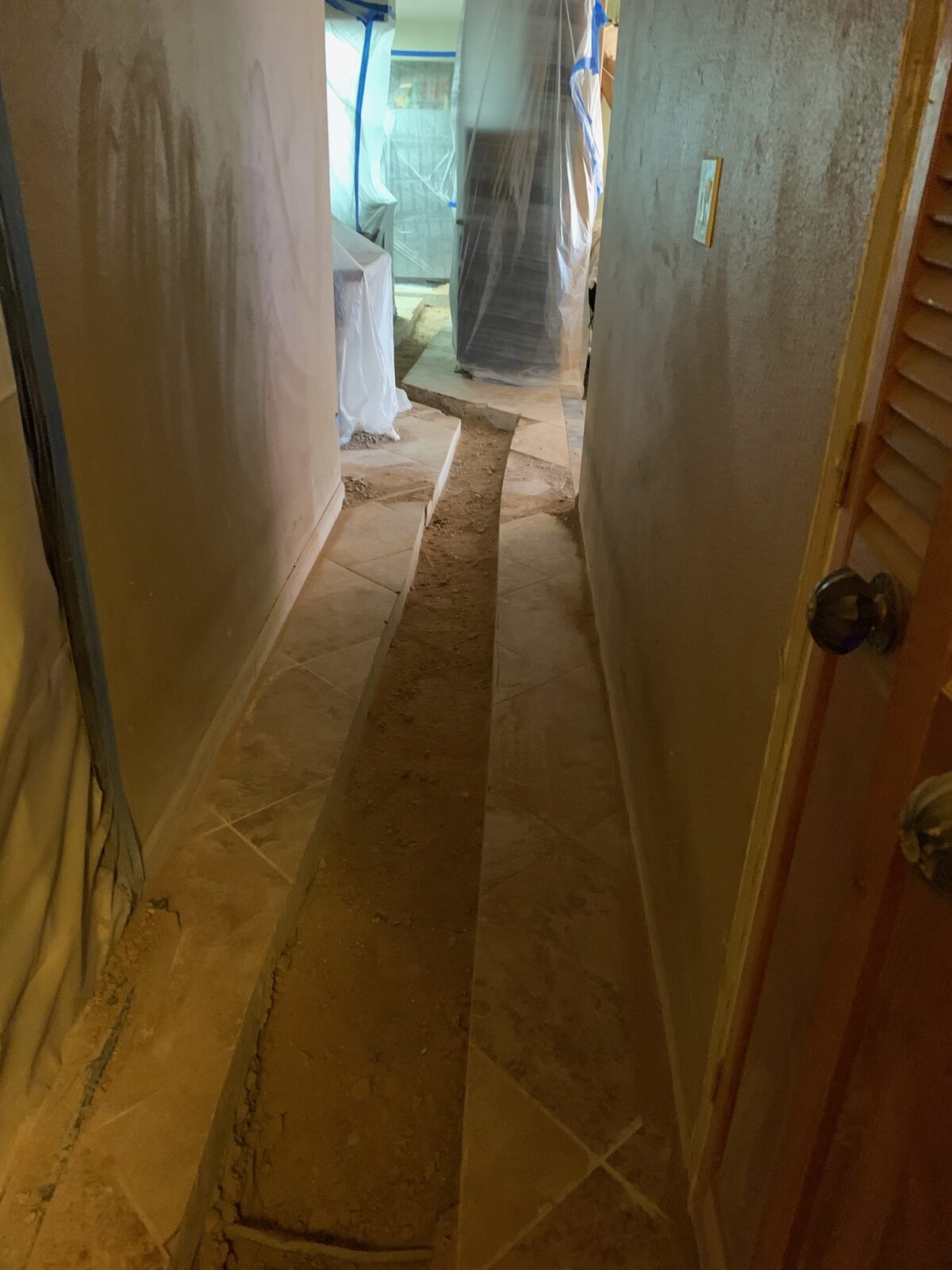
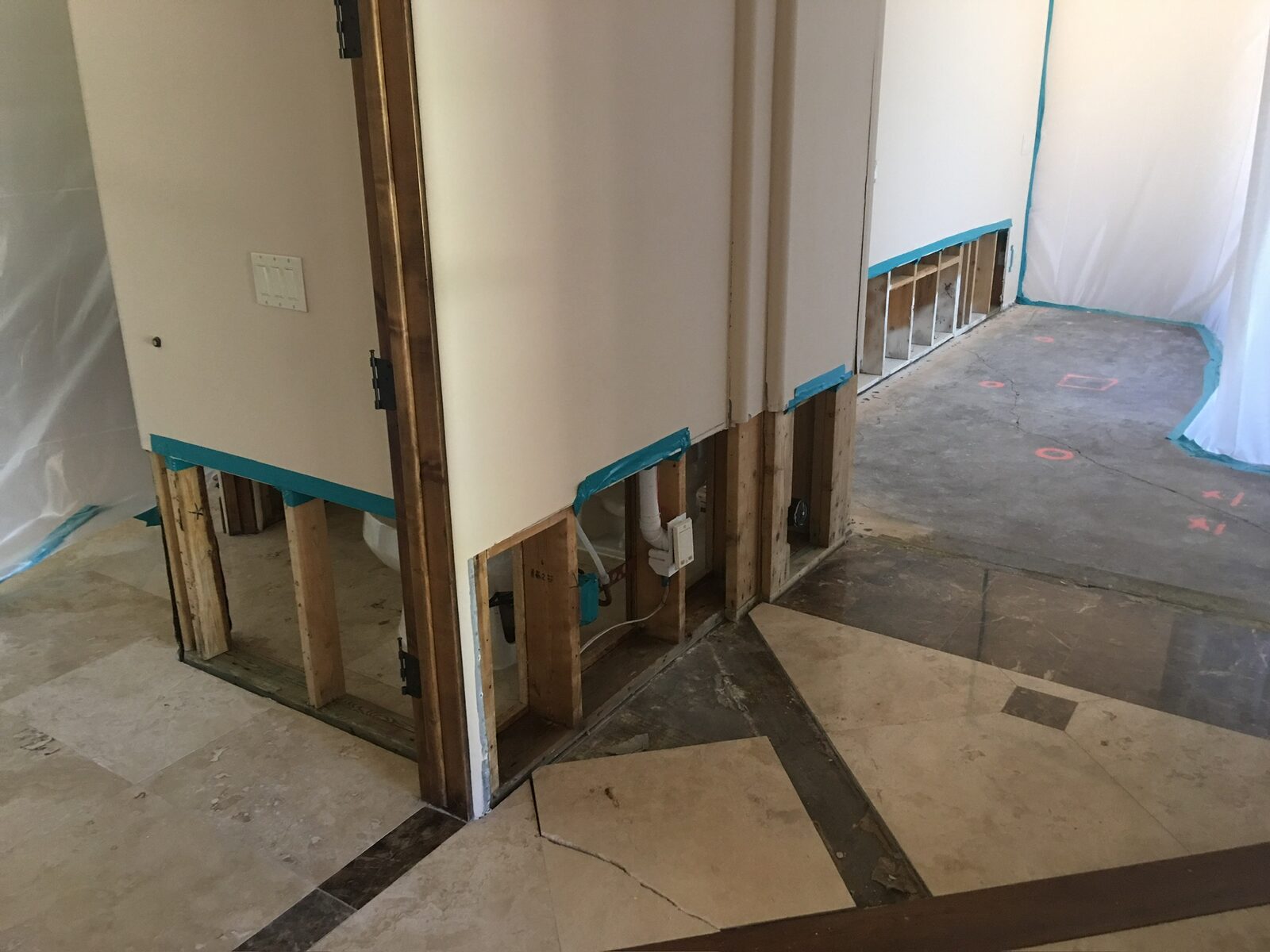
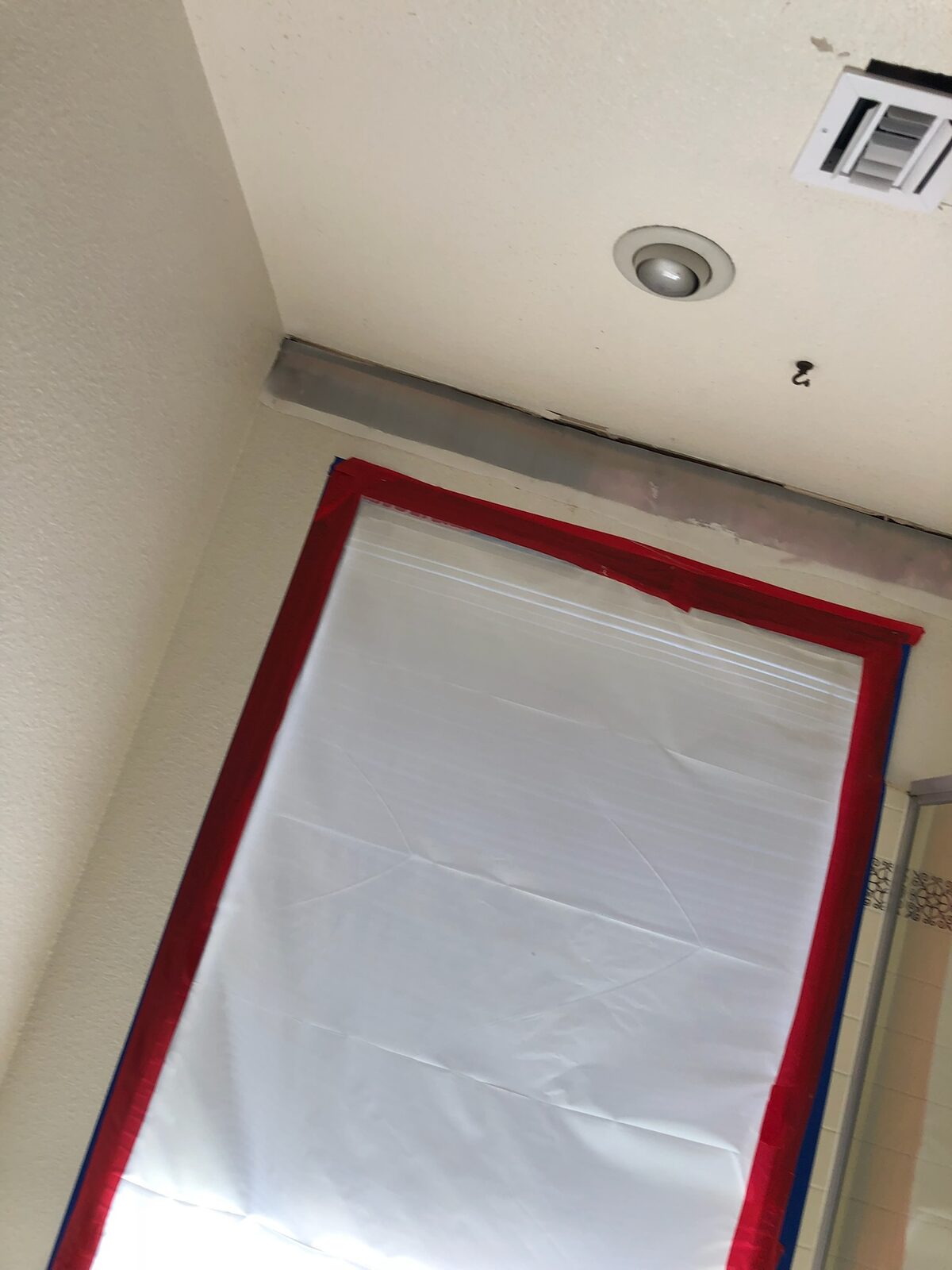
Residential reconstruction work by members of our team. See the full gallery →
More from Gold Water Fire
Abrasive Cleaning Methods for Soot on Framing and Masonry
A look at how abrasive cleaning methods remove soot from wood framing and masonry after a fire, and when each method fits the material.
AC Condensate Line Clogs & the Water Damage They Cause in Phoenix Homes
Why Phoenix AC condensate lines clog every summer, what the water damage looks like, and how to find the source before the ceiling stain spreads again.
Actual Cash Value vs Replacement Cost: Why Your Check Might Not Match the Repair Bill
Confused why your insurance check seems short after fire or water damage? Learn the difference between actual cash value and replacement cost coverage.
Not sure what your next step should be?
You don't have to figure out the whole rebuild today. If you just want someone to walk through the property with you and explain what you're looking at, call Gold Water Fire at (480) 999-3339 or reach out through our contact page. It's a conversation, not a commitment.
Call (480) 999-3339Fire Damage Restoration · Reconstruction & Rebuild · Contact Gold Water Fire · About Gold Water Fire