
The Types of Smoke Residue and Why Each One Is Cleaned Differently
If you've tried wiping down a wall after a fire and found the soot just smeared into a worse stain, or watched a cleaner you trusted leave a greasy film behind instead of lifting it, you're not doing it wrong. Smoke residue isn't one substance. It changes depending on what burned, how hot the fire got, and how much oxygen it had, and that means the same wipe-and-clean approach that works in one room can fail completely in the next. Not knowing why something that looks like simple soot won't come off the way you expect is frustrating, and it makes sense that it feels that way.
The Types of Smoke Residue and Why Each One Is Cleaned Differently
What actually determines how smoke residue behaves
Smoke residue is the leftover byproduct of combustion, and combustion is never uniform. A fire that burns fast and hot behaves differently than one that smolders slowly for hours. The materials involved (wood, synthetic fabric, plastic, cooking grease, fuel) each break down into different particles. Those particles carry different chemical properties, different particle sizes, and different levels of oiliness, which is why the same fire can leave one kind of film on the ceiling and a completely different one on the kitchen counter.
The four residue types you're most likely to encounter
Restoration professionals generally group smoke residue into a handful of categories based on how it forms and how it responds to cleaning. Knowing which one you're dealing with changes everything about the approach.
Wet smoke residue
Comes from low-heat, smoldering fires, often involving rubber or plastic. It's sticky, smeary, and has a strong odor because the low burning temperature leaves more unburned material behind. Wiping it without the right approach usually spreads it further into porous surfaces instead of lifting it.
Dry smoke residue
Comes from fast, hot fires burning natural materials like wood or paper. The residue is a fine, dry powder that sits on the surface rather than bonding to it. It's less smeary than wet residue, but it's also easily disturbed, so it tends to migrate into HVAC systems, carpet fibers, and small gaps if not handled carefully.
Protein residue
Left behind by kitchen fires involving meat, fish, or other food. This residue is often nearly invisible, a light, greasy film rather than visible soot, but it carries an intense, penetrating odor. Because you often can't see it, it's easy to underestimate how far it has spread through a kitchen and adjoining rooms.
Fuel oil and petroleum residue
Comes from furnace malfunctions, oil heaters, or fires involving petroleum-based products. It leaves a heavier, oily film that can discolor surfaces and requires solvents strong enough to break down petroleum but gentle enough not to damage the surface underneath.
Why one cleaning method doesn't work on all of them
Wet residue generally needs a cleaning agent that can emulsify the sticky film without pushing it deeper into the surface, often paired with mechanical agitation rather than plain wiping. Dry residue is frequently easier to remove with dry sponges or vacuum-based methods first, since introducing liquid too early can smear a powder into a stain. Protein residue usually calls for a degreasing approach and often requires sealing before repainting, since the odor molecules can bond to porous surfaces at a level that a surface wipe never reaches. Petroleum-based residue typically needs solvent-based cleaners matched to the specific surface, because using the wrong solvent can spread the oil film rather than lift it. This is also why the surface matters as much as the residue type. Drywall, wood trim, tile, and fabric all absorb and hold residue differently, so the same soot on two different materials in the same room may call for two different cleaning products entirely.
Why misidentifying residue leads to bigger problems later
The most common mistake after a fire is treating all visible soot the same way, using one all-purpose cleaner across every affected surface. This can smear wet residue into fabric and drywall, permanently set protein odor into cabinetry, or push dry soot particles into places they weren't originally. Odor is often the clearest sign that residue hasn't actually been removed, only moved or masked. If a space still smells like smoke after visible soot is gone, that's usually a sign the underlying residue type wasn't fully addressed. Understanding water damage that sometimes follows firefighting efforts adds another layer, since water damage restoration and smoke cleanup sometimes need to happen in the same space. If a fire has already been through your home, fire damage restoration and, where materials are too far gone to clean, reconstruction and rebuild work go hand in hand with residue removal.
Questions people ask us
Can I clean smoke residue myself before a professional sees it?
Light surface dusting of dry soot is sometimes manageable, but wiping with water or household cleaners before knowing the residue type risks smearing it deeper into drywall, fabric, or wood. If you're unsure what type of fire caused the residue, it's safer to document the damage with photos and avoid heavy wiping until it's been assessed.
Why does a room still smell like smoke after the soot is cleaned?
Odor molecules from protein and wet smoke residue can bond into porous materials like drywall, insulation, and fabric well beyond what's visible on the surface. Removing the visible soot doesn't always remove the odor source, which is why lingering smell is a common sign that residue is still present somewhere in the room.
Does the type of fire matter for how far the residue spreads?
Yes. Smoldering, low-heat fires tend to produce sticky wet residue that stays more localized but bonds strongly to nearby surfaces. Fast, hot fires produce dry, powdery residue that travels more easily through the air and into HVAC systems, carpet, and small gaps throughout a home.
Is protein residue dangerous if I can't see it?
Protein residue is mostly a cleaning and odor challenge rather than a visible mess, but it can still coat cabinetry, appliances, and nearby surfaces even in rooms that look untouched by fire. Its near-invisibility is exactly why kitchen fires often require more thorough cleaning than they initially appear to need.
The standard our team works to
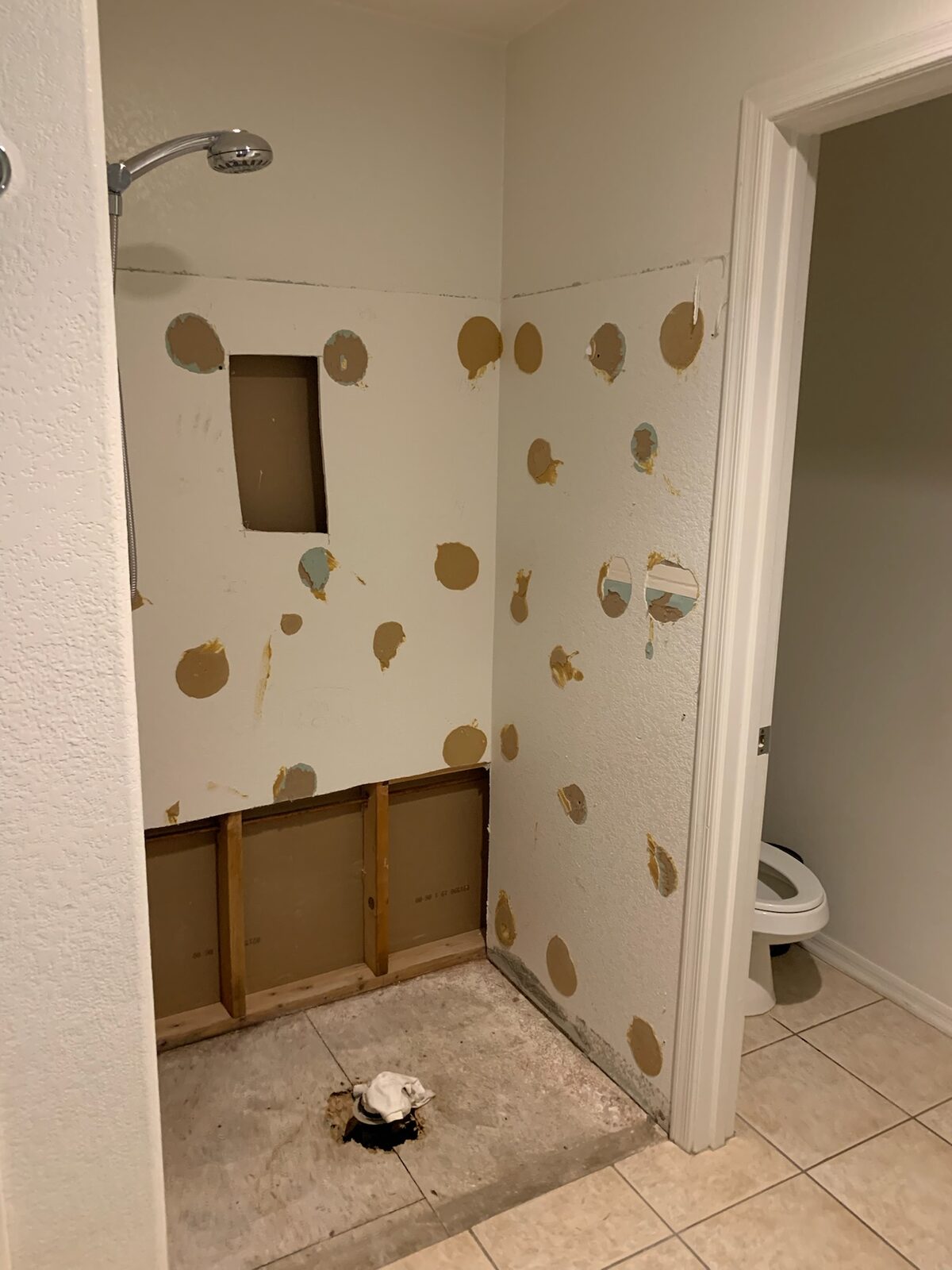
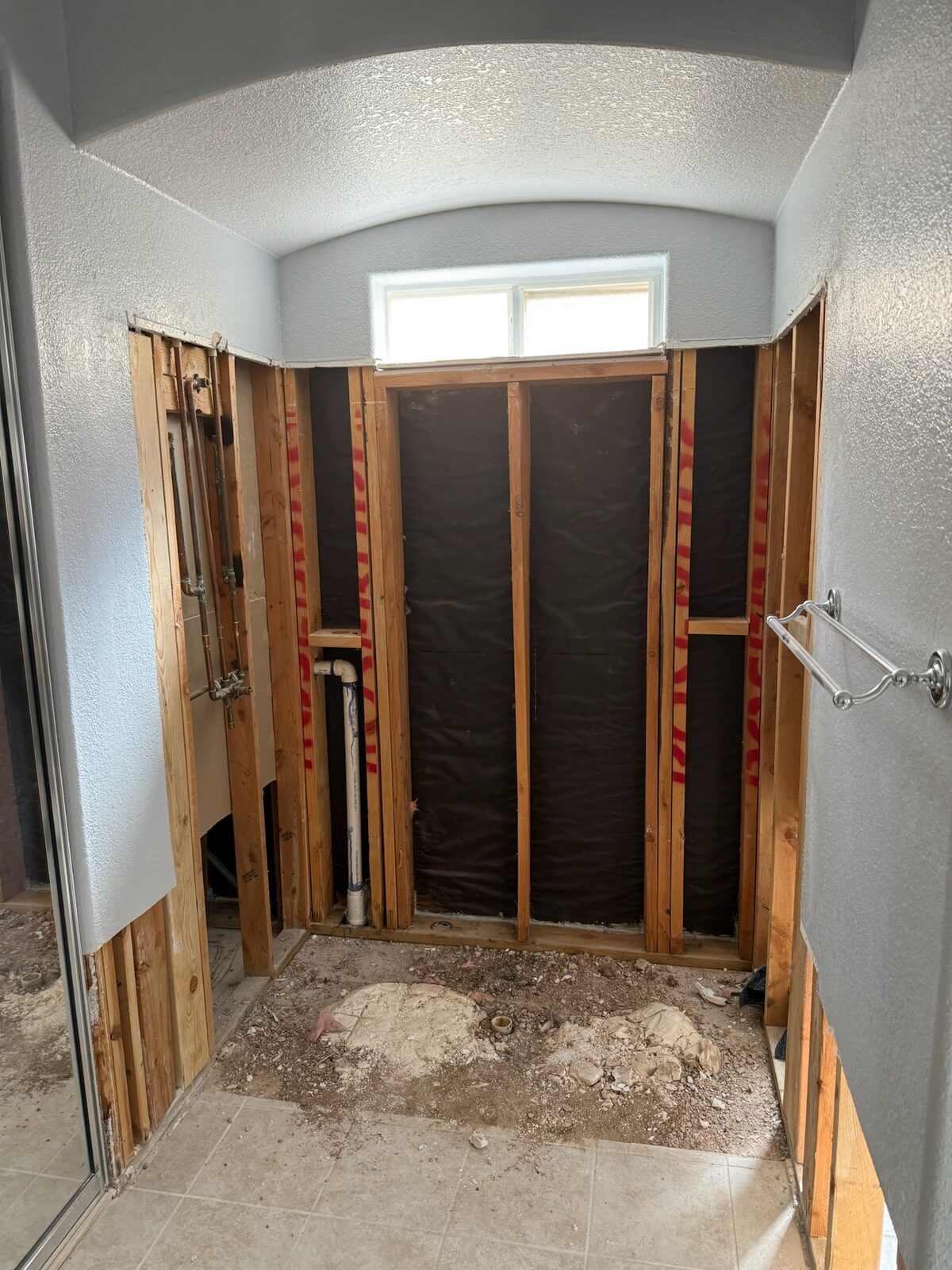
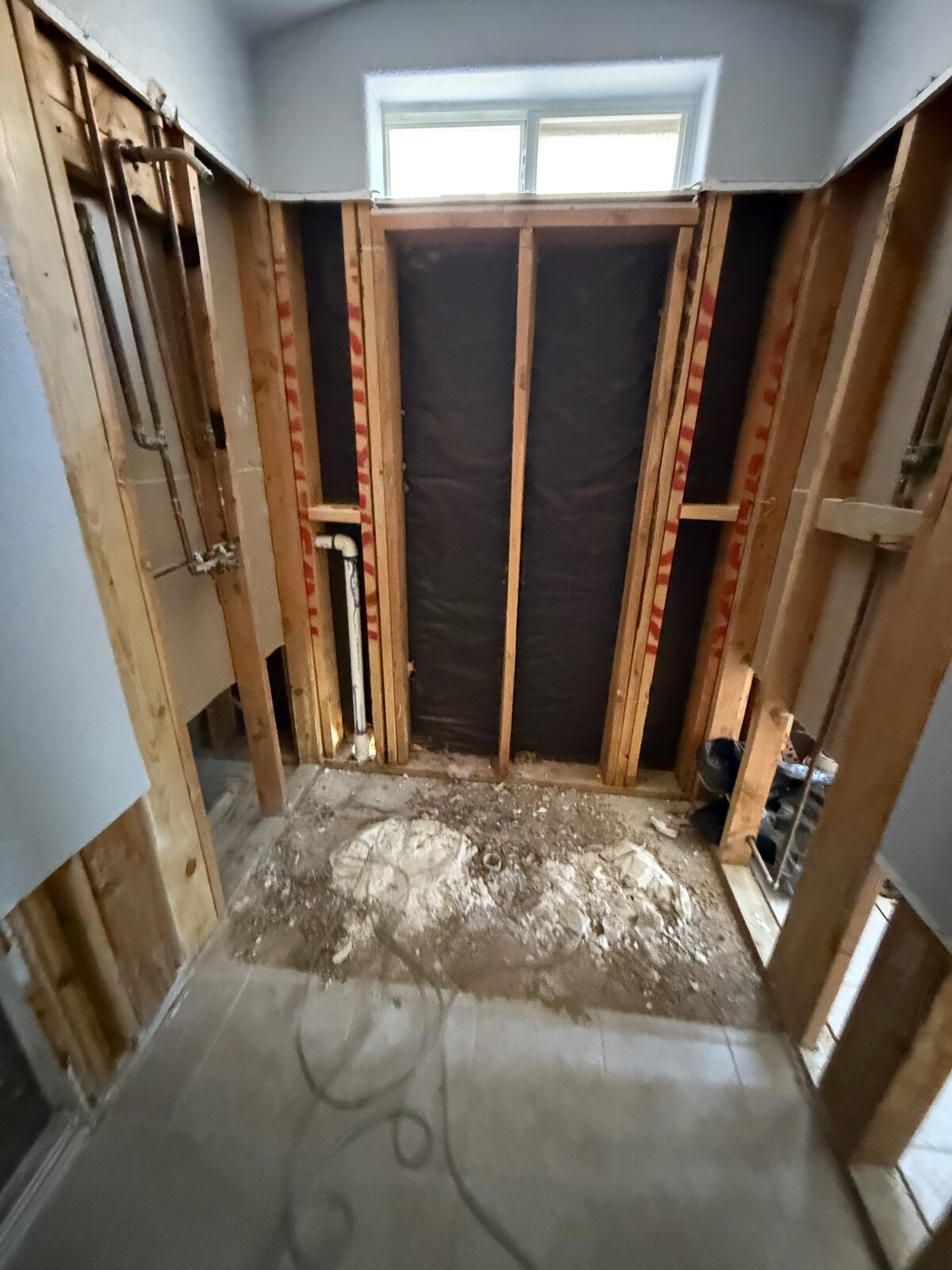
Residential reconstruction work by members of our team. See the full gallery →
More from Gold Water Fire
Abrasive Cleaning Methods for Soot on Framing and Masonry
A look at how abrasive cleaning methods remove soot from wood framing and masonry after a fire, and when each method fits the material.
AC Condensate Line Clogs & the Water Damage They Cause in Phoenix Homes
Why Phoenix AC condensate lines clog every summer, what the water damage looks like, and how to find the source before the ceiling stain spreads again.
Actual Cash Value vs Replacement Cost: Why Your Check Might Not Match the Repair Bill
Confused why your insurance check seems short after fire or water damage? Learn the difference between actual cash value and replacement cost coverage.
Not sure what kind of residue you're dealing with?
If a fire has left soot, film, or lingering odor anywhere in your home, Gold Water Fire serves the Phoenix metro area and can talk through what you're seeing. Call (480) 999-3339 or email Help@goldwaterfire.com.
Call (480) 999-3339Fire Damage Restoration · Water Damage Restoration · Reconstruction & Rebuild · Contact Gold Water Fire