
When an HVAC System Is Replaced Rather Than Cleaned After a Fire
If you're standing in your house after a fire wondering whether the air handler in the attic or the ductwork behind the walls is even safe to run again, you're not overthinking it. Smoke doesn't stay where the fire was. It travels through return vents, settles inside coils and duct runs, and leaves behind a smell and a residue that can be hard to explain to anyone who wasn't there. Not knowing whether your system needs to be cleaned, sealed, or torn out entirely is a genuinely confusing place to be, and it's made worse by the fact that the answer is rarely the same from one house to the next.
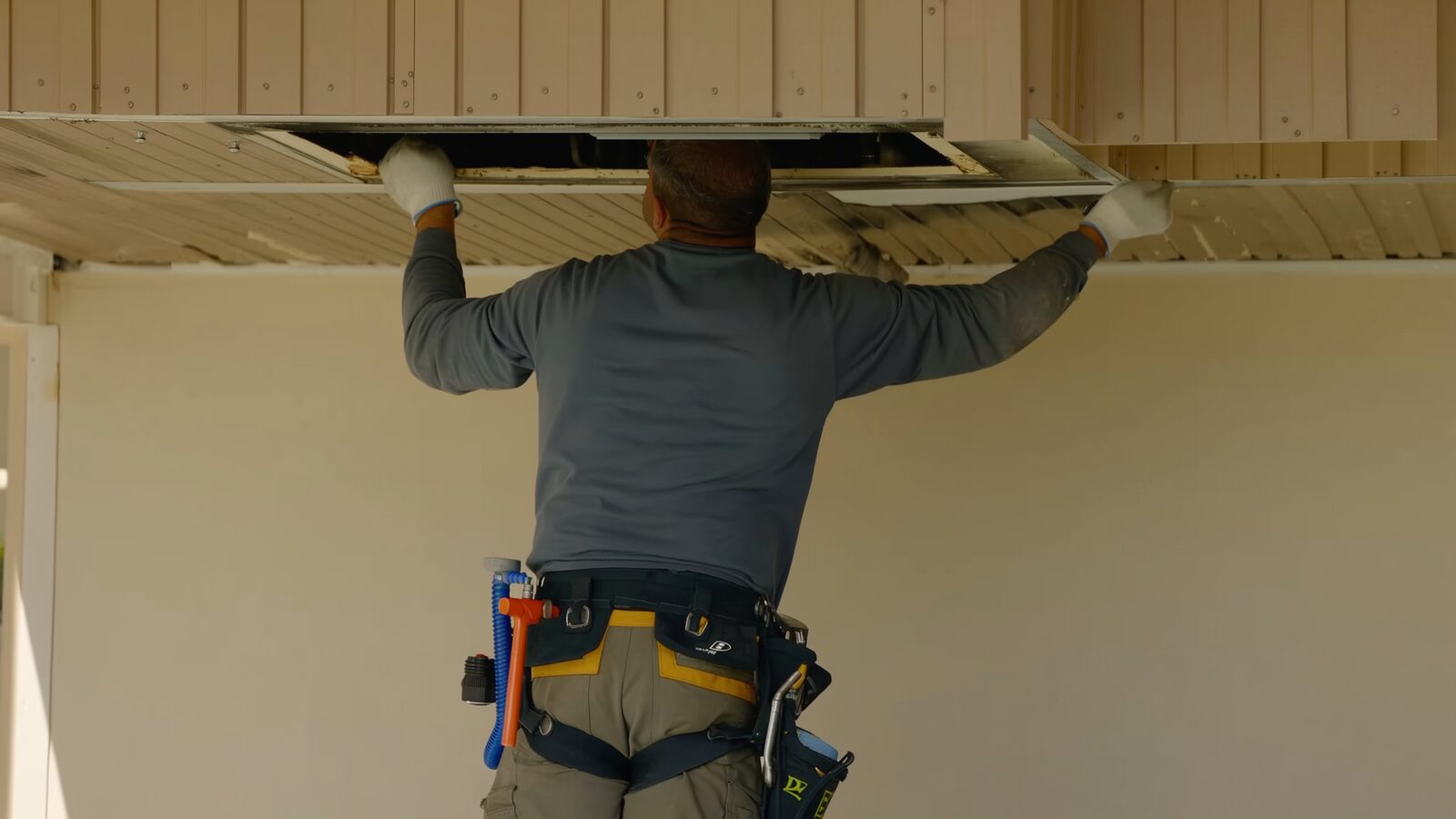
When an HVAC System Is Replaced Rather Than Cleaned After a Fire
Why fire smoke is different from everyday dust in an HVAC system
Household HVAC systems are built to filter dust, pollen, and pet hair. They are not built to handle the byproducts of combustion. When plastics, synthetics, insulation, or building materials burn, they release fine soot particles and acidic gases that are smaller and more chemically aggressive than ordinary dust. Those particles get pulled into return air vents and pushed through the entire duct system, coating metal surfaces, insulation, coils, and fan blades. Depending on what burned and how hot the fire ran, that residue can range from a light film that wipes away to a sticky, acidic coating that etches metal and embeds itself in porous materials. That difference is a big part of why the same fire in two different houses can lead to two very different HVAC outcomes.
What usually gets cleaned rather than replaced
In many smaller or more contained fires, particularly ones where the fire itself didn't reach the mechanical room, attic, or duct chase, the ductwork and equipment can often be cleaned rather than replaced. This typically involves professional duct cleaning with negative air pressure and specialized brushes, cleaning or replacing filters, wiping down accessible interior surfaces of the air handler, and deodorizing with equipment designed to neutralize smoke odor at a molecular level rather than just mask it. Metal ductwork with a light soot film and no heat damage is a reasonable candidate for cleaning. So is equipment that was running during the fire but wasn't directly exposed to flame or extreme heat, as long as testing shows the residue can be fully removed.
What usually points toward replacement
Replacement tends to become the answer when the damage isn't just surface-level. Flexible ductwork, fiberglass duct liner, and insulated duct board are porous or semi-porous, which means smoke residue and odor can soak into the material itself rather than sitting on top of it where it can be wiped or vacuumed away. Once that happens, cleaning can reduce the smell temporarily, but it tends to come back, especially when the system heats up or humidity rises. Heat exposure is another line: if the fire was close enough to warp, discolor, or melt any part of the system, including wiring insulation, plastic housings, or duct seams, the structural integrity of that section is already in question even before you factor in soot. Equipment that ran during the fire and pulled superheated, acidic smoke through its coils and motor can also suffer internal corrosion that isn't visible from the outside but shows up months later as premature failure.
How the decision usually gets made
A thorough evaluation generally starts with a visual inspection of every accessible duct run, followed by testing the extent and type of residue present. Metal duct sections are often assessed one run at a time rather than as an all-or-nothing decision, since a fire's smoke path is rarely uniform through the whole system. Porous materials like duct liner and flex duct are held to a stricter standard, because there is no reliable way to verify that odor and residue have been fully removed from the inside of the material. The location and intensity of the original fire also matters: a kitchen fire that stayed contained to one room affects the HVAC system very differently than a fire that involved the attic, garage, or a space near the ductwork itself.
Why this decision affects more than air quality
An HVAC system that still holds smoke odor or fire residue doesn't just smell unpleasant. It recirculates that residue every time it runs, which can reintroduce odor into rooms that have already been cleaned and can aggravate respiratory irritation for people in the home. It's also one of the more common reasons a homeowner feels like a fire restoration job is 'done' on paper but doesn't feel done in practice. If the air handler kicks on and the smell comes back, the HVAC system is usually the reason, even when every visible surface in the house has already been cleaned.
Questions people ask us
Can an HVAC system be cleaned instead of replaced after a fire?
Sometimes, yes. Metal ductwork and equipment with light soot residue and no direct heat exposure can often be professionally cleaned and deodorized. The deciding factor is usually whether the residue sits on the surface or has soaked into porous materials.
Why does flexible ductwork get replaced more often than metal ductwork?
Flexible duct and duct liner are porous or semi-porous, so smoke odor and fine soot particles can absorb into the material rather than staying on the surface. That makes it very difficult to verify the odor and residue are fully gone, which is why replacement is the more common outcome for those materials.
Does the smell coming back mean the HVAC system wasn't cleaned properly?
Not necessarily. Sometimes it means residue soaked into a porous section of the system that cleaning couldn't fully reach, which is one of the signals that points toward replacing that section rather than cleaning it again.
Do I need to run the HVAC system before it's inspected after a fire?
It's generally best not to run the system until it has been inspected. Running it can pull soot deeper into the ductwork and spread residue into rooms that weren't directly affected by the fire.
The standard our team works to
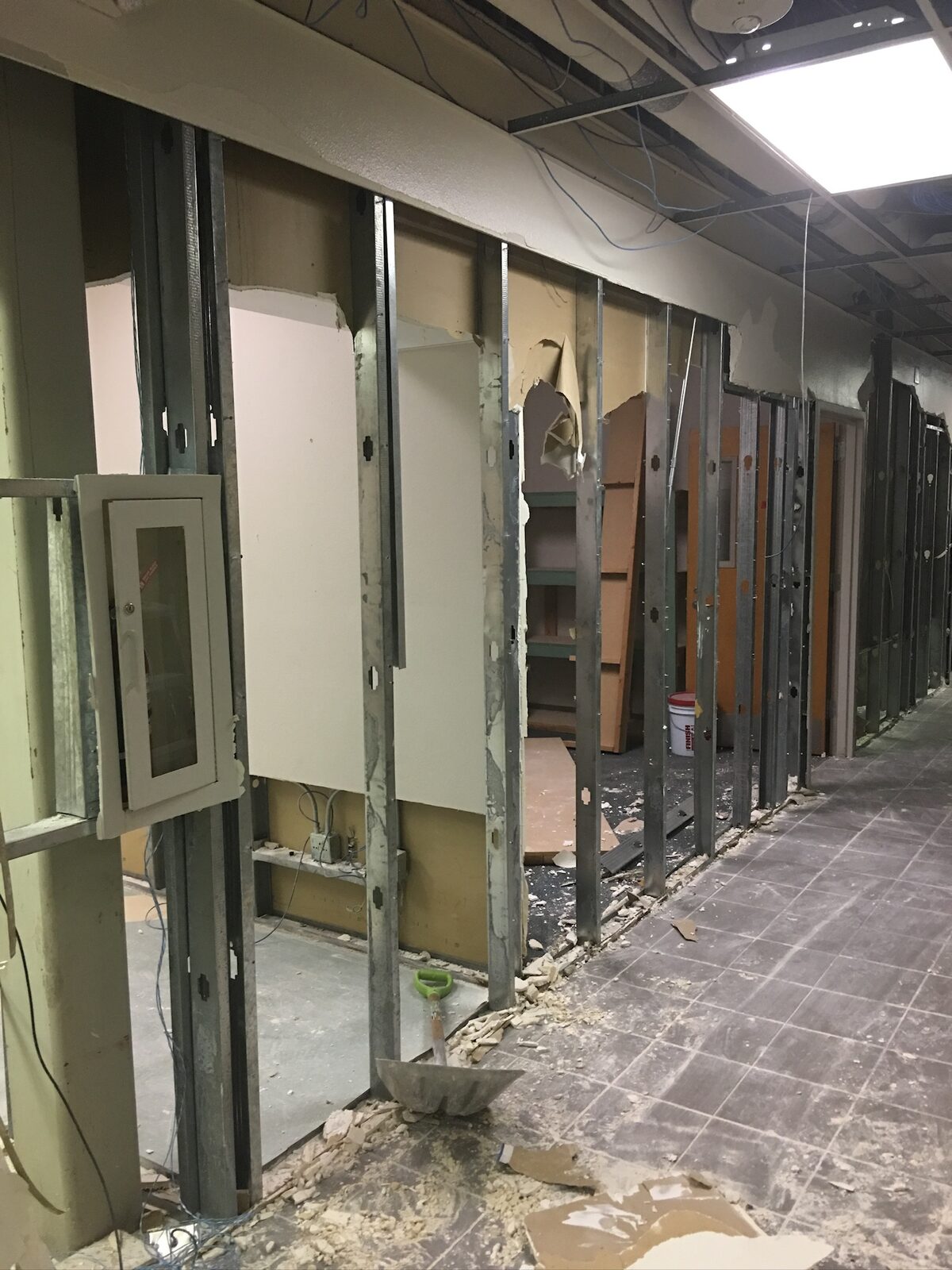
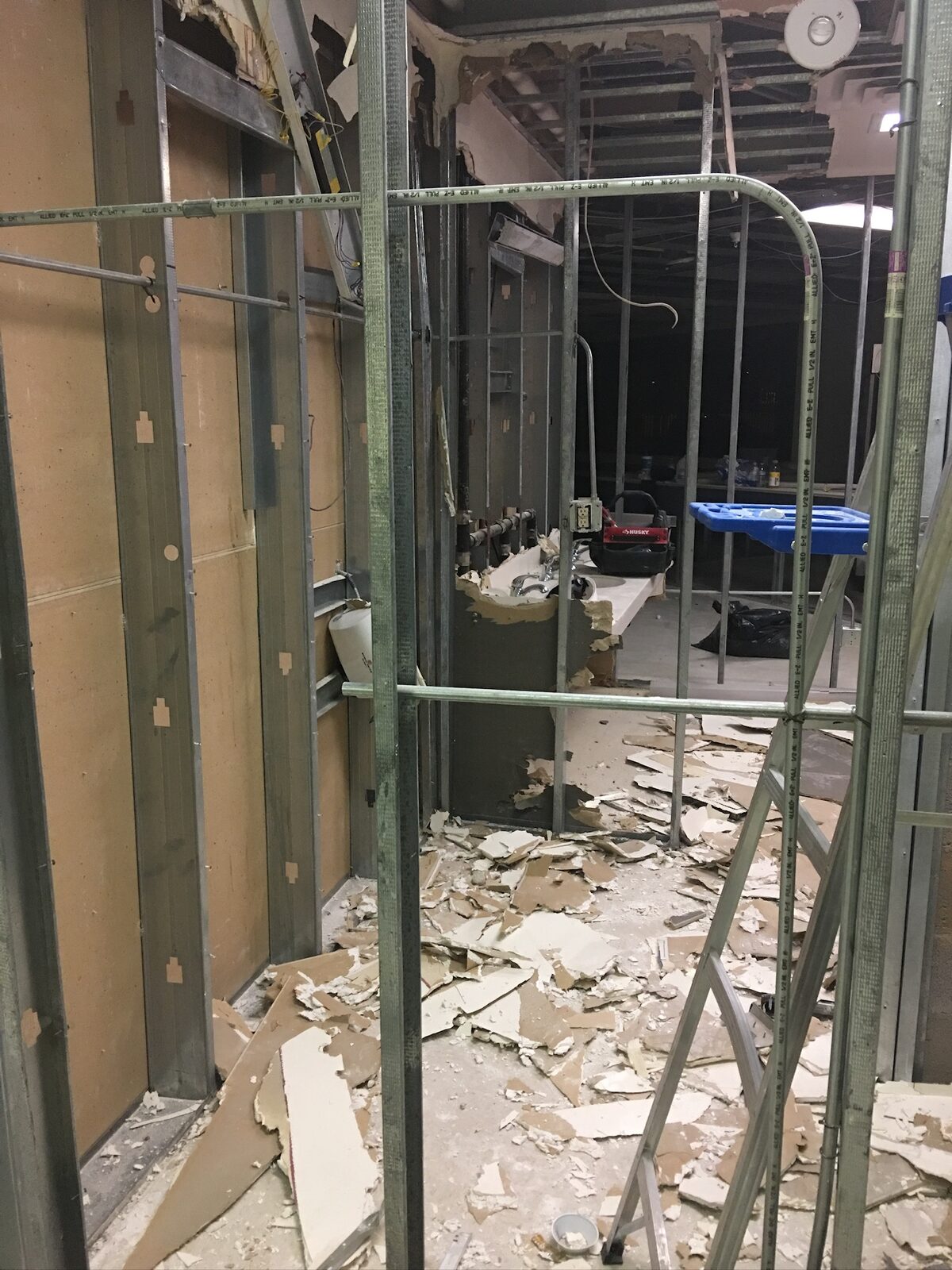
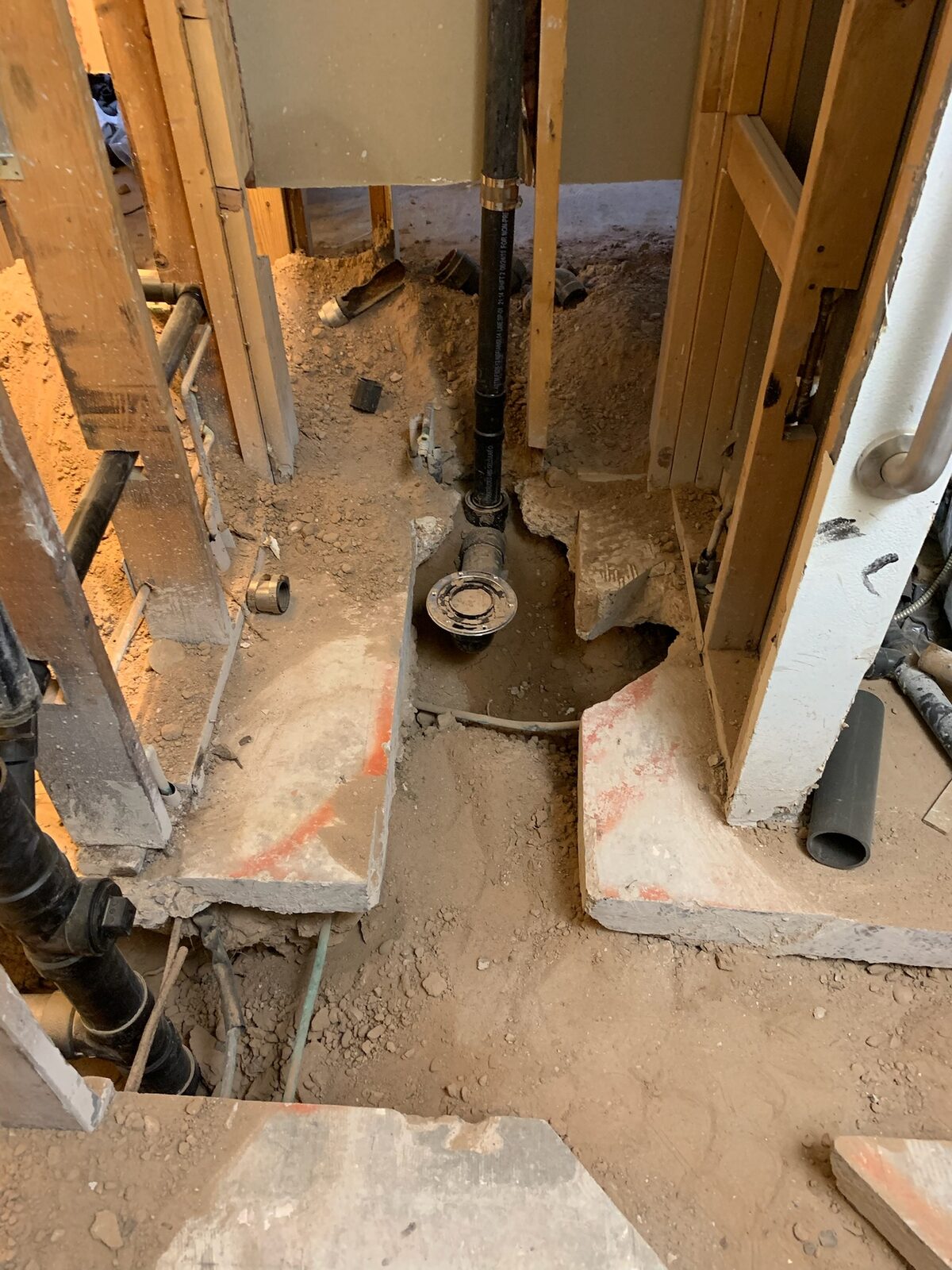
Residential reconstruction work by members of our team. See the full gallery →
More from Gold Water Fire
Abrasive Cleaning Methods for Soot on Framing and Masonry
A look at how abrasive cleaning methods remove soot from wood framing and masonry after a fire, and when each method fits the material.
AC Condensate Line Clogs & the Water Damage They Cause in Phoenix Homes
Why Phoenix AC condensate lines clog every summer, what the water damage looks like, and how to find the source before the ceiling stain spreads again.
Actual Cash Value vs Replacement Cost: Why Your Check Might Not Match the Repair Bill
Confused why your insurance check seems short after fire or water damage? Learn the difference between actual cash value and replacement cost coverage.
Not sure what your HVAC system needs after a fire?
Gold Water Fire evaluates duct systems and equipment as part of fire damage restoration across the Phoenix metro area. Reach out at (480) 999-3339 or Help@goldwaterfire.com to talk through what you're seeing.
Call (480) 999-3339Fire Damage Restoration · Reconstruction & Rebuild · About Gold Water Fire · Contact Gold Water Fire