
Why Soot Smears When You Wipe It Wet (and What Actually Lifts It)
You grabbed a damp rag, wiped a wall or a lampshade after a fire, and watched a gray smear spread out wider than the mark you started with. It feels like you made things worse, and you're not sure why something that seems obvious, wipe it with water, backfired so completely. That confusion is normal. Soot doesn't behave like ordinary household dirt, and most of what people instinctively reach for makes it worse before anyone tells them there's a reason for it.
Why Soot Smears When You Wipe It Wet (and What Actually Lifts It)
What soot actually is
Soot is made of extremely fine carbon particles left behind when materials burn incompletely, along with tar-like resins, oils, and whatever else was in the smoke. Those particles are often microscopic, smaller than typical dust, and many of them carry an oily or waxy film depending on what burned (wood, plastic, synthetic fabric, cooking grease, and so on). That combination matters: the particles are small enough to work into pores and fibers, and the oily residue means they don't dissolve or rinse away the way, say, mud does.
Why water makes it spread instead of lift
When you introduce water to dry soot, a few things happen at once. The water doesn't dissolve the oily binder in the soot, it just wets it and loosens its grip on the surface. Once loosened but not removed, the particles become mobile, and a wiping motion just drags that wet, oily film across more surface area. What was a contained mark becomes a smear, and often the smear sets into the surface (drywall, paint, fabric, grout) as the water evaporates, leaving a stain that is harder to address than the original soot was. This is especially true on porous or textured surfaces, where the wet soot gets pushed into the texture rather than picked up off of it.
How a chemical dry sponge works differently
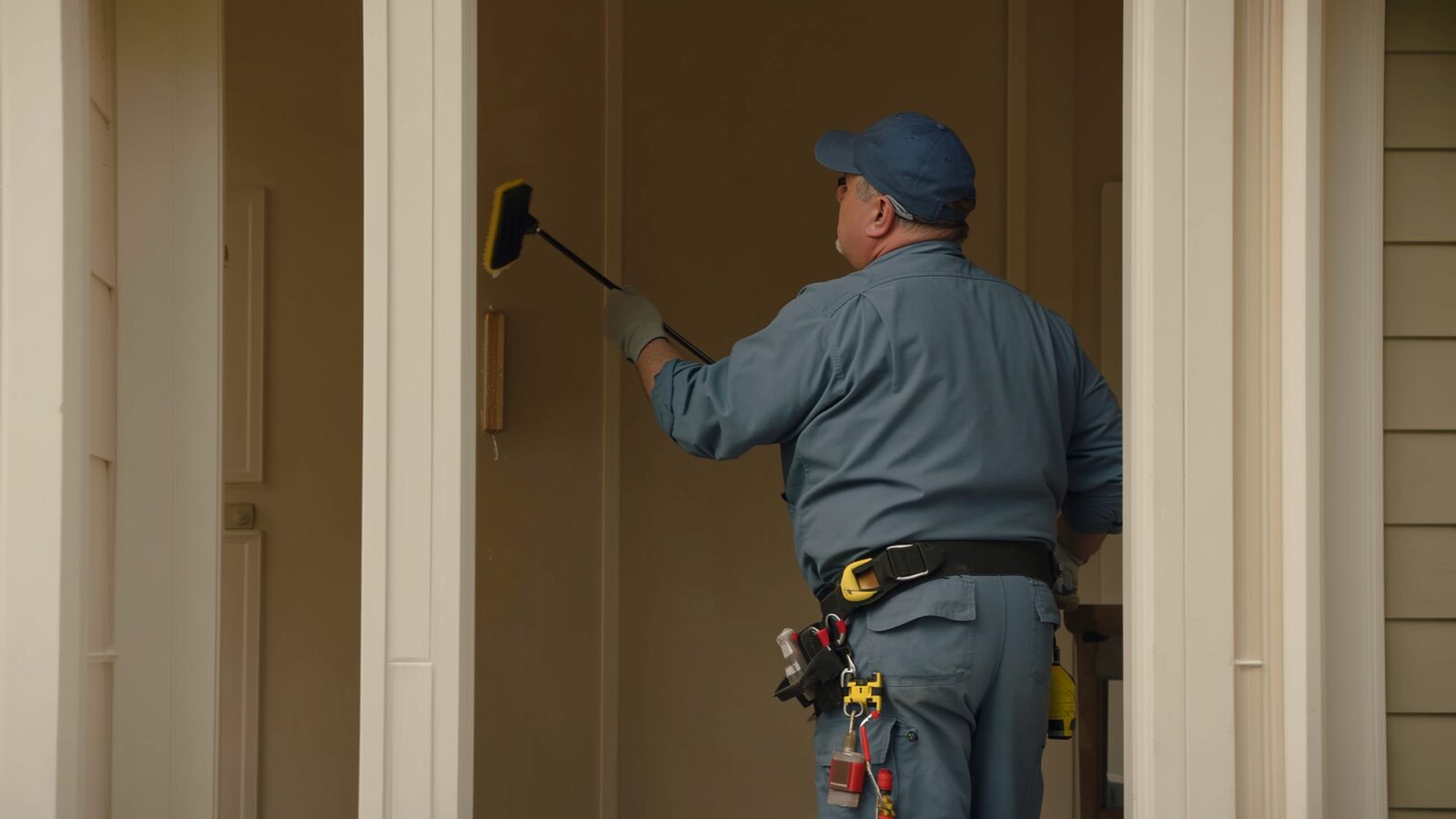
A chemical dry sponge (sometimes called a soot sponge) is a dense, rubber-like sponge made from vulcanized rubber, used completely dry, with no water or cleaning solution at all. Instead of wetting the soot, it works by absorption and light abrasion: the sponge's surface grabs the fine carbon particles and pulls them up into itself as you draw it across the surface in straight, overlapping strokes. Because there's no moisture, there's nothing to loosen the oily binder or spread it around, the soot has nowhere to go but into the sponge. As one face of the sponge loads up with black residue, you cut or fold it to expose a clean surface and keep going.
When dry sponging isn't enough on its own
Dry sponges work well on light to moderate surface soot on walls, ceilings, and some fabrics, but they have limits. Heavy, greasy soot from a kitchen fire, soot that has already been wetted (by wiping, by firefighting water, or by humidity), or soot embedded deep in upholstery, carpet, or HVAC systems usually needs a different approach entirely, often involving specialized cleaning agents, controlled washing, or removal and replacement of the affected material. Soot on top of surfaces that were already damp when the fire happened, or in rooms with high humidity, tends to bond to the surface faster and resist dry cleaning methods altogether.
Good candidates for dry sponging
Dry, powdery soot on painted walls, ceilings, unfinished wood, and some hard surfaces, when it hasn't yet been touched with water or cleaner.
Not a good fit
Greasy or oily soot, soot already wet or smeared, soot on fabric/upholstery/carpet, or soot that has had time to set into a porous surface.
A note on health and safety while cleaning
Soot particles are fine enough to become airborne when disturbed, and depending on what burned, they can carry irritants. Basic precautions, gloves, a well-fitted mask, and ventilation, are worth taking seriously even for what looks like a small, contained area. If soot exposure covers a large area, involves synthetic materials, or is affecting anyone with respiratory sensitivity, treat it as a job worth getting outside input on rather than pushing through alone.
Questions people ask us
Can I make a chemical dry sponge at home?
No, the vulcanized rubber formulation is manufactured specifically to absorb fine carbon particles without moisture. Household sponges, even dry ones, are not made of the same material and won't behave the same way.
Is it ever okay to use water on soot?
Sometimes, but only as a second step after dry sponging has removed what it can, and usually with a cleaning solution formulated for soot rather than plain water, since plain water is what causes the smearing in the first place.
Why did the smear stain even after it dried?
Once soot's oily binder is wetted and spread across a porous surface like paint or drywall, the residue can soak in as the water evaporates, leaving a set-in stain that plain wiping won't lift anymore.
How do I know if soot damage is beyond a DIY fix?
If soot covers a large area, has already been wetted, sits on fabric or in an HVAC system, or keeps reappearing after cleaning, it's a sign the residue has worked deeper than surface cleaning can reach.
The standard our team works to
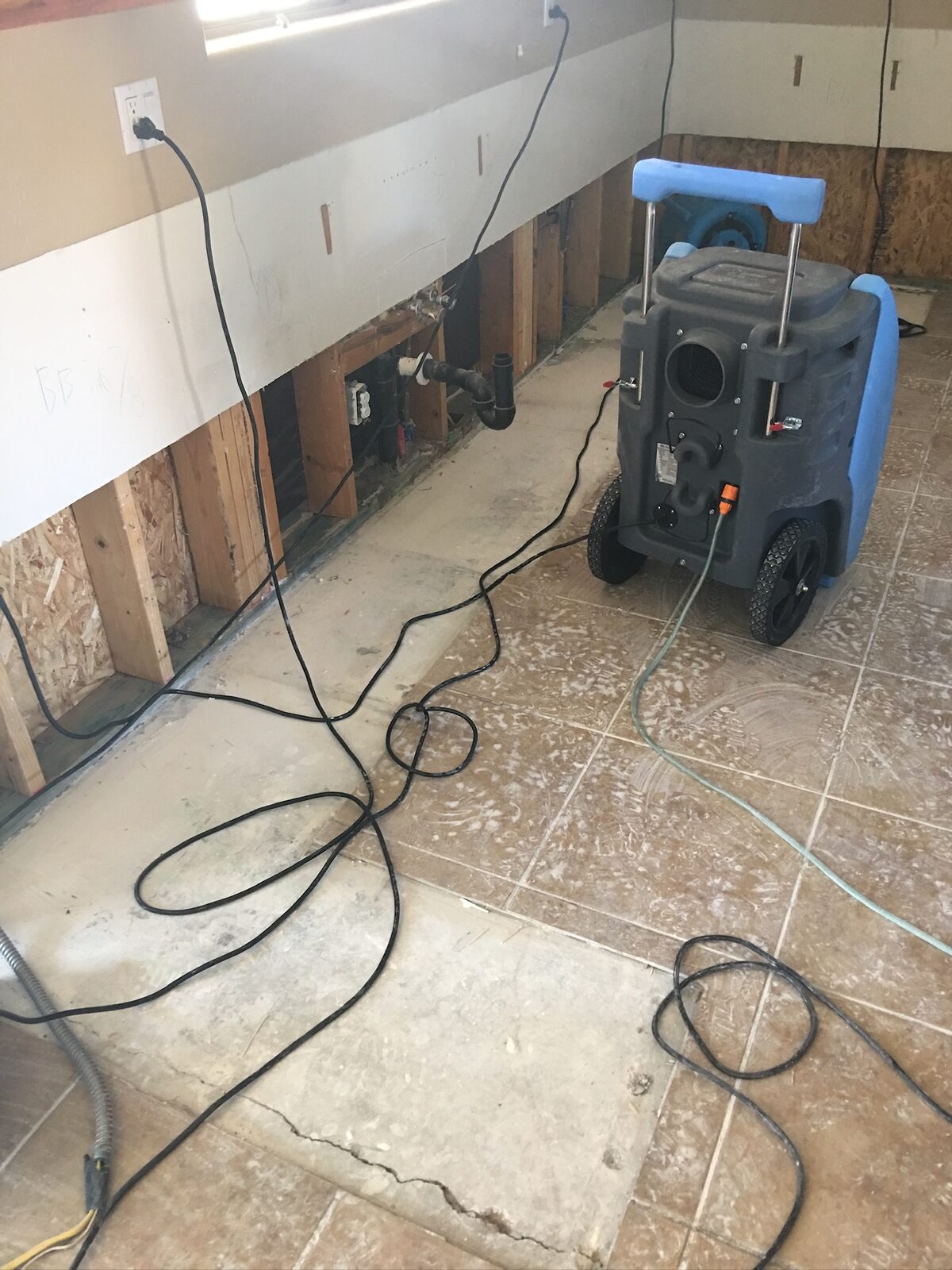
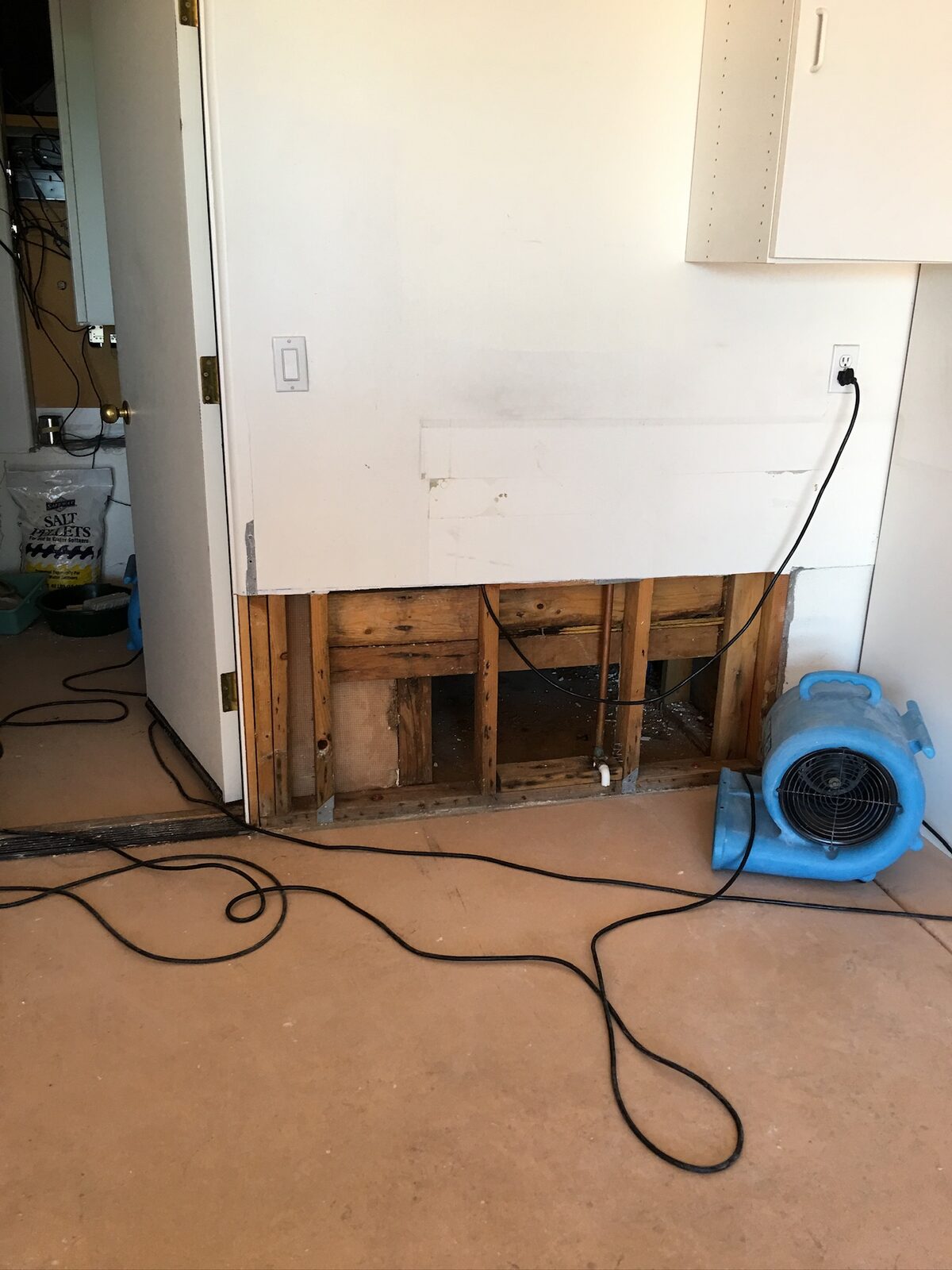
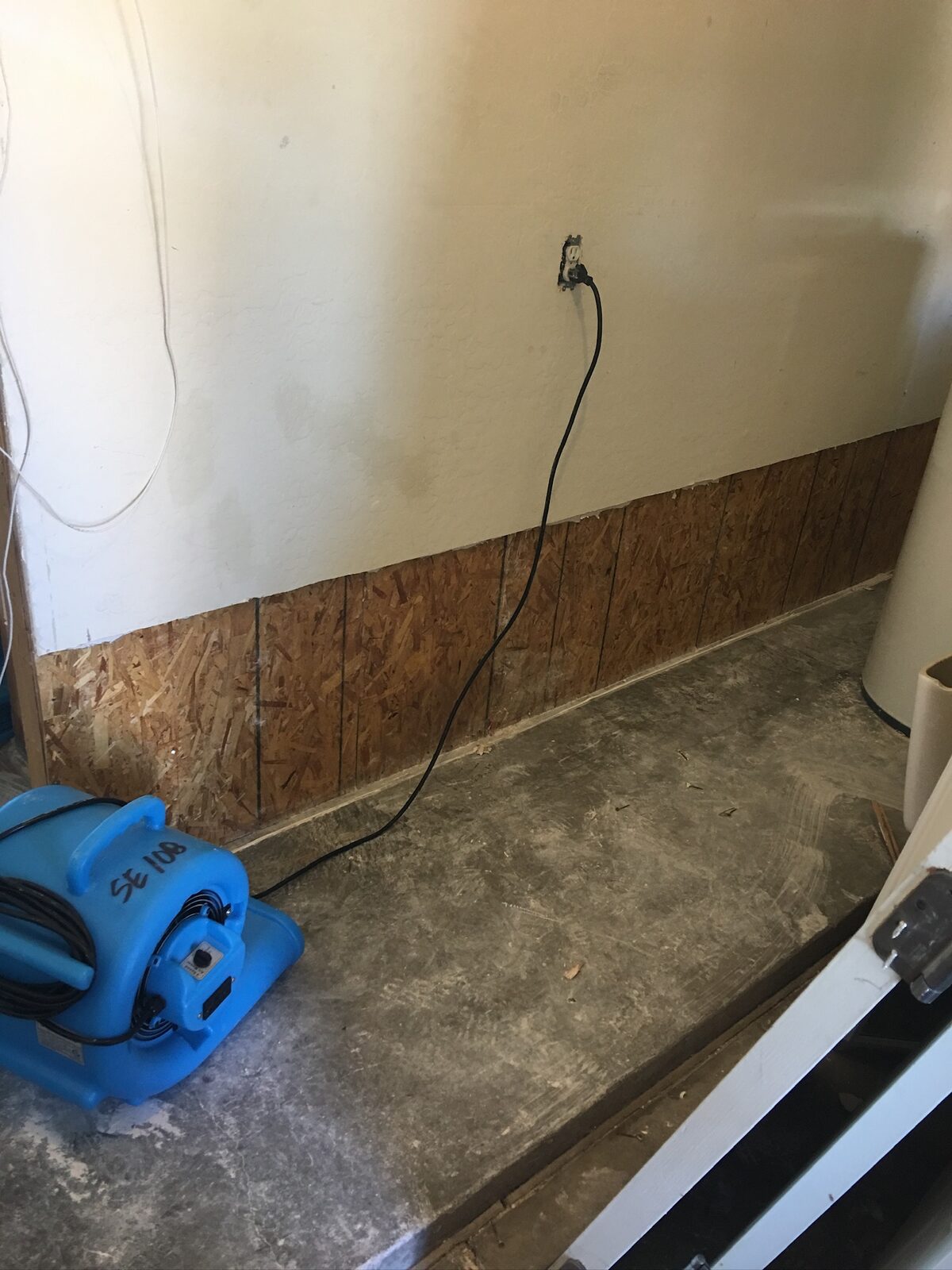
Residential reconstruction work by members of our team. See the full gallery →
More from Gold Water Fire
Abrasive Cleaning Methods for Soot on Framing and Masonry
A look at how abrasive cleaning methods remove soot from wood framing and masonry after a fire, and when each method fits the material.
AC Condensate Line Clogs & the Water Damage They Cause in Phoenix Homes
Why Phoenix AC condensate lines clog every summer, what the water damage looks like, and how to find the source before the ceiling stain spreads again.
Actual Cash Value vs Replacement Cost: Why Your Check Might Not Match the Repair Bill
Confused why your insurance check seems short after fire or water damage? Learn the difference between actual cash value and replacement cost coverage.
Not sure if your soot situation is a wipe-it job or something bigger?
Gold Water Fire serves the Phoenix metro area, from NW Peoria and SE Avondale to SW San Tan Valley and NW Apache Junction, and can look at what you're dealing with before it gets worse. Call (480) 999-3339 or reach out through our <a href="/contact.html">contact page</a>.
Call (480) 999-3339