
Fire Hazards Children Create and Find: Lighters, Outlets, Stoves
If you've ever found a lighter somewhere it shouldn't be, or caught your child reaching toward the stove, you know the particular kind of worry that follows. It's not that something happened. It's that you suddenly see how easily it could have. That feeling is worth paying attention to, and it doesn't mean you're failing to keep your home safe. It means you're paying attention.
Fire Hazards Children Create and Find: Lighters, Outlets, Stoves
Why curiosity and fire risk overlap so much in young kids
Children are drawn to fire the same way they're drawn to anything bright, warm, and slightly forbidden. Toddlers and young kids don't yet have the judgment to understand that a flame can grow faster than they can react to it, or that an object that looks like a toy (a lighter, a match, a candle) can cause real harm in seconds. This isn't about a child being 'bad' or a parent being careless. It's a known developmental stage, and it's why household fire safety for families with young kids looks different than fire safety for a household without them.
Lighters and matches: small objects, fast consequences
Lighters and matches are involved in a large share of fires started by children, largely because they're small, portable, and often left within reach on counters, in junk drawers, or in coat pockets. Child-resistant lighters exist but are not child-proof, and kids as young as three or four can figure out how to operate a standard lighter with repeated tries. The safest habit is treating lighters and matches like medication: stored up high, out of sight, and ideally in a latched cabinet rather than a drawer a curious child can pull open.
Where they hide
Junk drawers, coat and bag pockets, behind couch cushions, and anywhere a smoker in the house sets things down out of habit.
What to do instead
Store lighters and matches in a latched or locked cabinet above counter height, not just 'out of sight' in a low drawer.
Outlets and cords: the hazard that hides in plain sight
Electrical outlets rarely get blamed for house fires the way stoves or open flames do, but overloaded outlets, frayed cords, and outlets that kids poke with metal objects or wet fingers are a real and often underestimated risk. Outlet covers help with younger toddlers, but older kids can pop off basic plastic covers, so tamper-resistant outlets (the kind with a built-in spring shutter) are a more durable fix if you're renovating or building. Frayed or chewed cords, often from teething toddlers or pets, should be replaced rather than taped, since exposed wire under tape can still arc and ignite nearby material.
Common triggers
Overloaded power strips, cords run under rugs where heat can't dissipate, and outlets kids explore with keys, forks, or hairpins.
A safer setup
Move power strips and chargers out of reach where possible, and check cords periodically for cracking, fraying, or warm spots.
Stoves and ovens: the hazard kids are drawn to imitate
Kids watch adults cook and often want to copy it, which means unattended stovetops are a recurring source of both burns and fires. A pot handle turned outward, a dish towel left near a burner, or a curious child turning a knob 'to see what happens' can all lead to a fire starting fast, especially with grease or oil involved. Back burners, turned-in handles, and keeping a clear zone around the stove when a child is in the kitchen are simple habits that reduce the risk without requiring constant vigilance.
Kitchen habits that help
Cook on back burners when kids are nearby, turn pot handles inward, and keep flammable items (towels, paper, packaging) off the stovetop.
If a grease fire starts
Never use water on a grease fire. Smother it with a metal lid or use a fire extinguisher rated for grease fires, and call for help immediately if it spreads.
What to do if a fire does start
Get everyone out of the house first, every time, before trying to assess damage or put anything out yourself. Once it's safe, the aftermath (smoke residue, water from suppression, structural damage) is its own separate problem from the fire itself, and it often reaches further into a home than people expect. If you're dealing with fire or smoke damage right now, our fire damage restoration page walks through what that process typically involves. If the damage affected water lines or led to water intrusion during suppression, water damage restoration may also be relevant, and if rebuilding is needed afterward, see reconstruction and rebuild.
Questions people ask us
At what age do kids start being curious about fire?
Curiosity often starts as young as two or three, when children begin mimicking adult behavior like lighting candles or using a stove. Supervision and safe storage of fire-starting items matter most in these early years.
Are outlet covers enough to prevent electrical hazards?
Basic plastic outlet covers help with toddlers but can be removed by older kids. Tamper-resistant outlets with built-in shutters offer a more permanent solution if you're able to upgrade.
What should I do immediately after a house fire involving a child?
Make sure everyone is safely out and account for every family member first. Once the fire department clears the home, avoid disturbing damaged areas until you understand what needs professional cleanup or repair.
Does a small kitchen fire always require professional cleanup?
Even small fires can leave smoke residue and soot that spread further than the visible flame, especially through HVAC systems. It's worth having it assessed rather than assuming a quick wipe-down is enough.
The standard our team works to
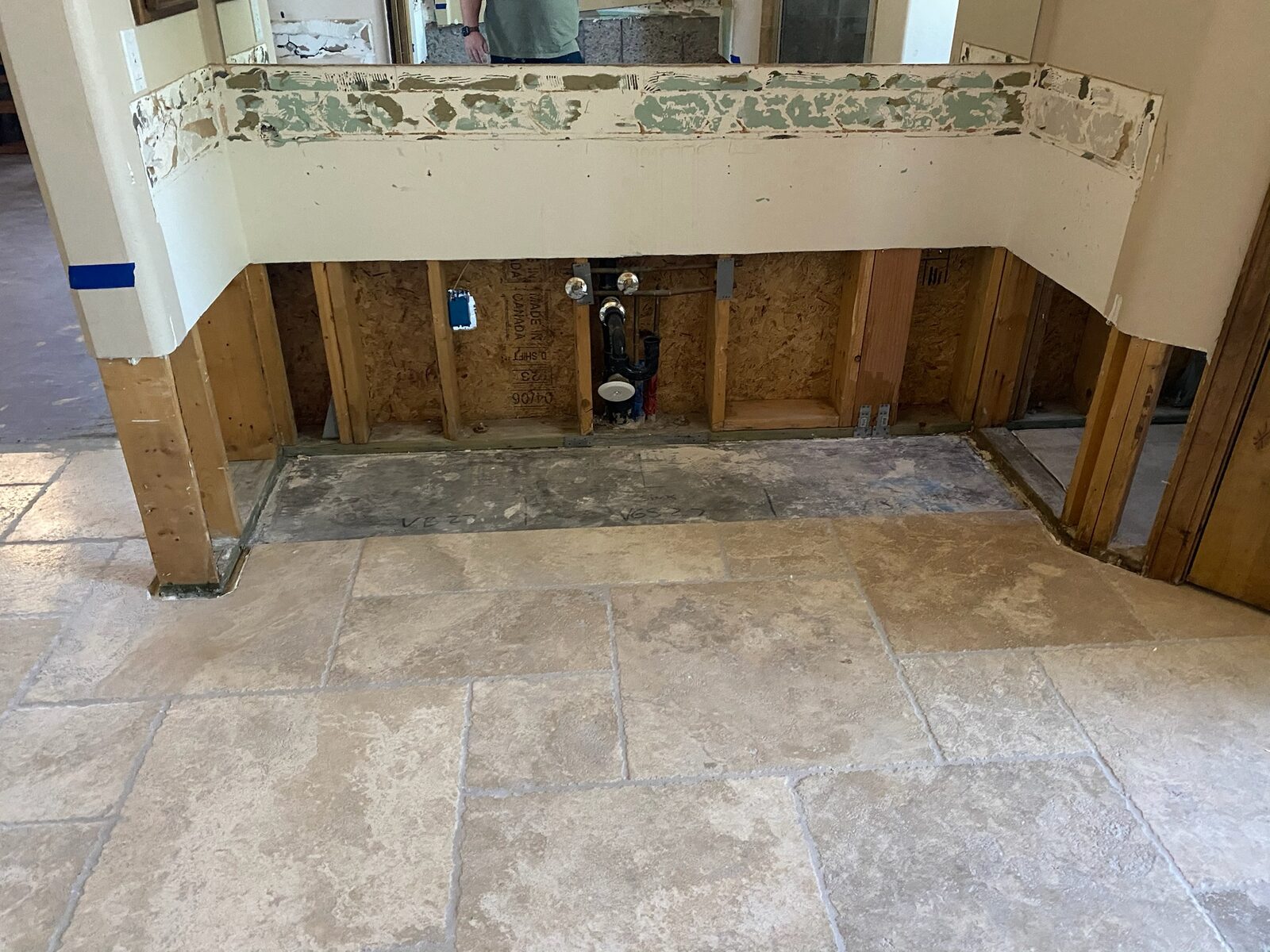
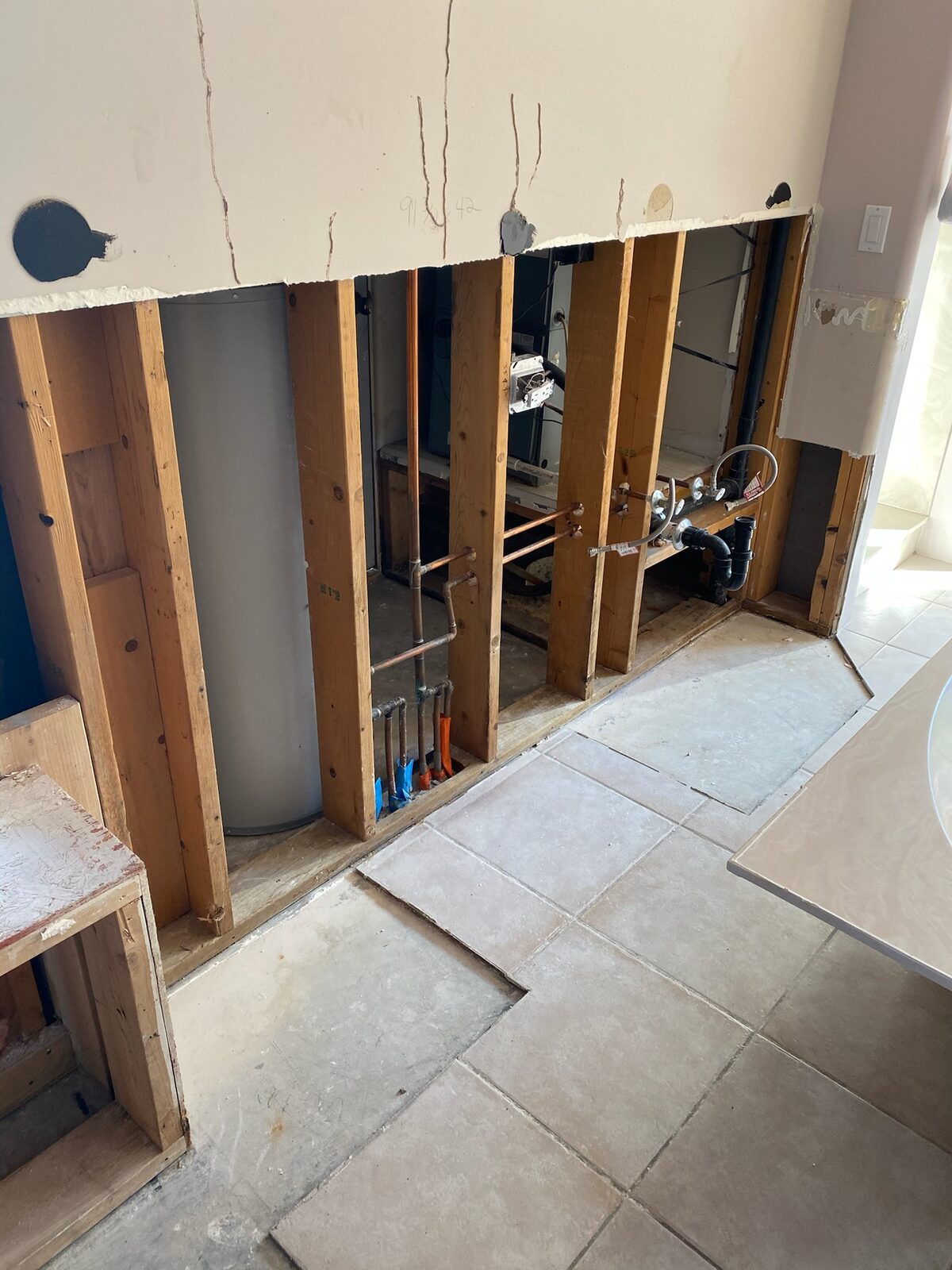
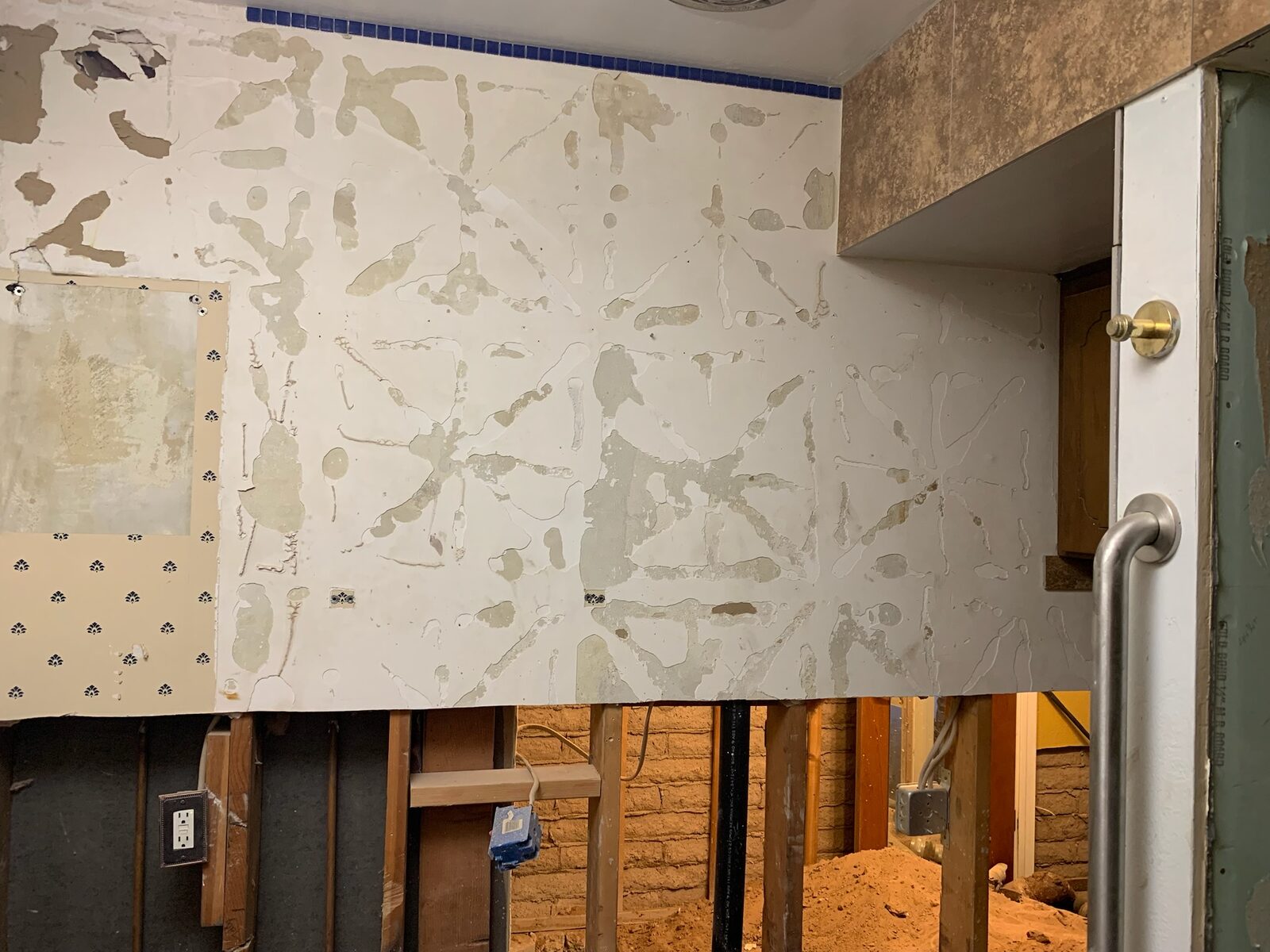
Residential reconstruction work by members of our team. See the full gallery →
More from Gold Water Fire
Abrasive Cleaning Methods for Soot on Framing and Masonry
A look at how abrasive cleaning methods remove soot from wood framing and masonry after a fire, and when each method fits the material.
AC Condensate Line Clogs & the Water Damage They Cause in Phoenix Homes
Why Phoenix AC condensate lines clog every summer, what the water damage looks like, and how to find the source before the ceiling stain spreads again.
Actual Cash Value vs Replacement Cost: Why Your Check Might Not Match the Repair Bill
Confused why your insurance check seems short after fire or water damage? Learn the difference between actual cash value and replacement cost coverage.
Not sure if fire or smoke damage needs a closer look?
If a fire, even a small one, has already happened in your home, reach out and we can talk through what you're seeing. Call (480) 999-3339 or email Help@goldwaterfire.com.
Call (480) 999-3339Fire Damage Restoration · Water Damage Restoration · Reconstruction & Rebuild