
Washing Machine Drain Overflows, & Why the Standpipe Matters
It has happened more than once now. You start a load, walk away, and come back to water spreading across the laundry room floor, or seeping out from under the baseboard into the hallway. You mop it up. Maybe you pour something down the drain. It runs fine for a few weeks, or a few months, and then it does it again. That is the part that wears on a person: not the water itself, but the not knowing. Whether you did something wrong. Whether it is the machine or the house. Whether the next time will be worse. It is a strange thing to live with a problem you cannot name, in a room you walk through every day.
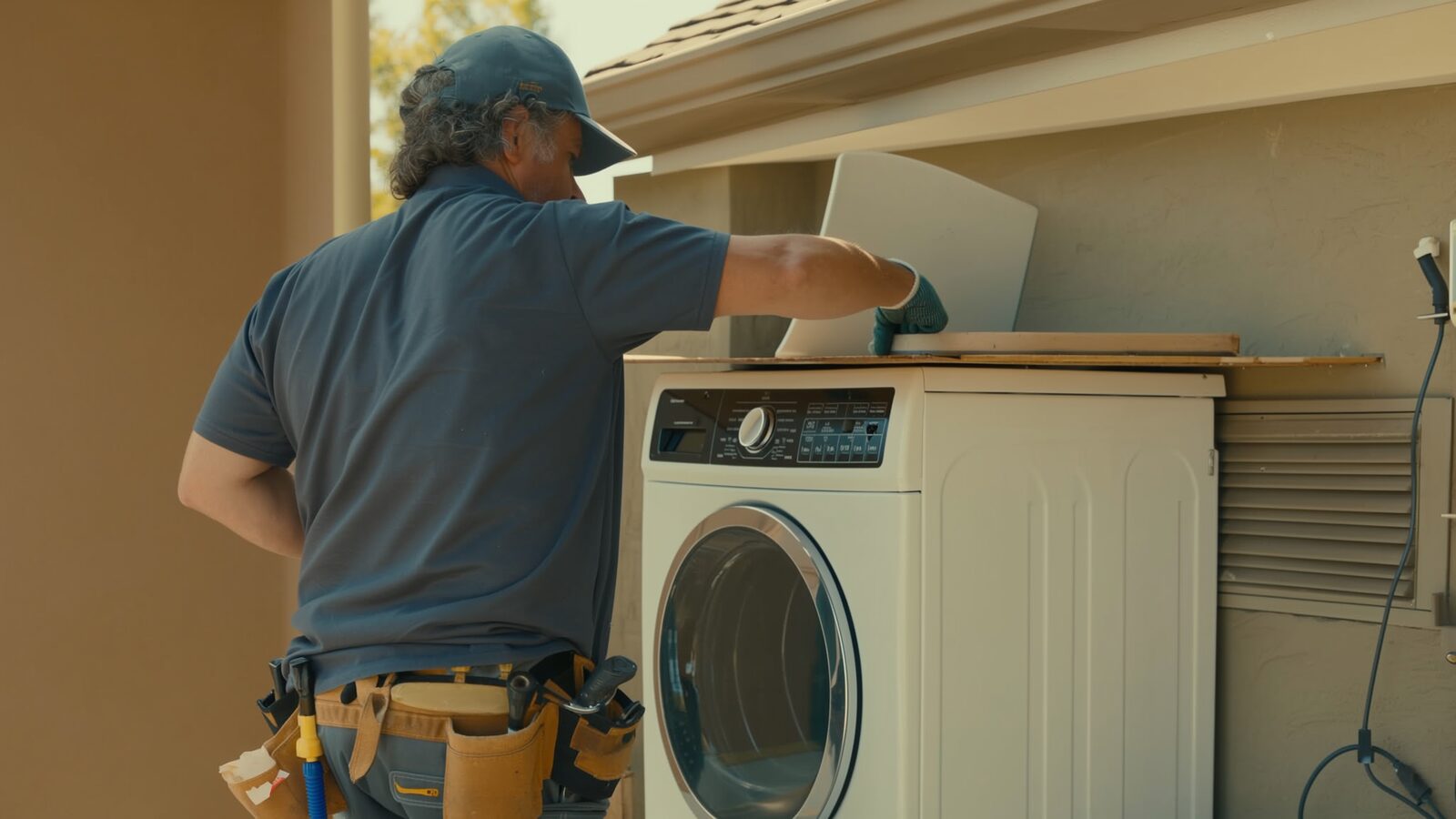
Washing Machine Drain Overflows, & Why the Standpipe Matters
What the standpipe actually is, and what it is doing
Behind or beside your washing machine there is a vertical pipe, usually two inches wide, sticking up out of the wall or floor. Your washer's drain hose hooks over the top of it. That pipe is the standpipe, and it is not just a hole in the wall. It does three jobs at once. First, it gives the water somewhere to go. A washer does not gently trickle water out. It pumps it, hard and fast, especially on the drain and spin cycle. A standpipe has to accept that surge without backing up. Second, at the bottom of the standpipe there is a P-trap, the same curved section under your kitchen sink. That trap holds a small amount of standing water, and that water is what blocks sewer gas from coming up into your laundry room. If you have ever noticed a sour or sewer smell near the washer, the trap may be dry or the vent may be blocked. Third, the standpipe needs a vent. Air has to enter the drain line behind the water, or the flow chokes on itself the way liquid does when you pour from a bottle with your thumb over the opening. A blocked vent can cause gurgling, slow drainage, and overflow even when there is no clog in the drain itself.
The common reasons it overflows
Most laundry overflows come down to one of a handful of causes, and they leave different clues.
Lint and detergent buildup
This is the most common one. Washer discharge carries lint, hair, fabric fibers and undissolved detergent. Over time that coats the inside of the drain line and narrows it. The line still drains, just not fast enough to keep up with the pump. You will usually notice it getting gradually worse: fine at first, then overflowing only on heavy loads, then on every load.
A standpipe that is too short or too tall
Plumbing codes set a minimum and maximum height for a laundry standpipe for a reason. Too short, and the water siphons back out or the surge tops the pipe. Too tall, and the washer pump struggles to push water up and over. If your washer has always overflowed since the day it was installed, or since a remodel moved the hookups, height is worth checking.
Drain hose pushed in too far
The drain hose should sit loosely in the top of the standpipe, not be shoved down into it and sealed tight. If it is jammed in, it blocks the air the pipe needs and can also create a siphon that pulls water back out of the tub mid cycle.
A blocked or missing vent
Signs include gurgling from a nearby sink or floor drain when the washer discharges, slow drainage in more than one fixture, and sewer odor. In older Phoenix-area homes, and in homes where a laundry room was relocated, vents are sometimes undersized or were never properly tied in.
A problem further down the line
If the washer overflows and the nearby shower or toilet is also slow, the issue may be in the main line, not the laundry branch. Tree and shrub roots, older cast iron or clay sections, and settled pipe can all restrict a shared line.
Too much detergent or the wrong kind
High-efficiency machines used with standard detergent create far more suds than the drain can handle. Suds carry over into the standpipe and foam up out the top. If your overflow is foamy rather than gray and watery, start here.
What to check right now, in order
If water is on the floor at this moment, unplug the washer rather than just turning the dial off, so it cannot restart a cycle while you are working. Then move outward from the machine. 1. Look at where the drain hose meets the standpipe. Is it pushed deep in, kinked, or taped in place? Pull it up so a few inches of hose sit in the pipe with an air gap around it. 2. Run the washer on a small load and watch the standpipe the whole time. Note whether water rises slowly and steadily (restriction) or bursts up in the first seconds of the pump (severe blockage or vent issue). 3. Listen at nearby drains. Gurgling in a sink, tub or floor drain during discharge points at venting or a shared line. 4. Check the washer's own filter or pump screen if your model has one, along with the lint trap. A restricted machine can behave like a restricted drain. 5. Look low, not just at the floor. Feel the drywall behind and beside the washer, check the base of the wall on the other side of it, and look at the ceiling below if the laundry is upstairs. Repeated small overflows put water into places you never see. What not to do: avoid pouring chemical drain cleaner into a laundry standpipe repeatedly. It rarely clears packed lint, it sits in the trap, and it makes the line hazardous for anyone who opens it later.
Why the fifth overflow is a different problem than the first
A single overflow that you caught in ten minutes is usually a mopping job. A drain that has overflowed several times over months is something else, because the water was not the same water each time. It found the same low points, the same seams in the flooring, the same wall cavity, and each round left the materials there a little more saturated than before. Laminate and engineered flooring swells at the seams and does not come back. Drywall wicks water upward from the bottom plate, sometimes a foot or more above the visible wet line. Baseboard and door casing hold moisture against the framing behind them. In a laundry room, the washer and dryer themselves hide the exact spot where water pooled longest. Concrete slab absorbs water and then releases it slowly into whatever sits on top of it. This is also where the smell comes from. Musty odor in a laundry room that keeps flooding is usually not the drain, it is microbial growth in flooring, wall cavity, or under the pan of the machine. Growth can begin in materials that stay damp for a day or two, and a room with a laundry appliance in it tends to stay warm and closed up. So when you are trying to name the problem, there are really two: the plumbing that keeps failing, and the accumulated water damage from every time it failed. A plumber addresses the first. The second involves finding how far the moisture traveled, drying the structure rather than the surface, and then repairing what cannot be dried. That is the part water damage restoration covers, and when flooring, drywall, cabinetry or trim has to come out and go back in, that carries into reconstruction and rebuild work. If you want to talk through what you are seeing before deciding anything, you can reach us here.
Questions people ask us
How high should a washing machine standpipe be?
Standpipe height is set by plumbing code and by the washer manufacturer's installation instructions, and both a minimum and a maximum apply. Rather than guessing, check the installation manual for your specific model and have a licensed plumber verify the height against the code your municipality enforces. If the machine has overflowed since the day it was installed, height and venting are the first two things to rule out.
Can I just snake the laundry drain myself?
A hand auger fed into the standpipe will sometimes clear a soft lint clog in the first few feet. It will not do much for a line coated along its whole length, and it can damage older pipe. If the drain clears and then plugs again within weeks, the blockage is not a single object, it is buildup or a design problem, and repeat snaking only buys time.
The floor dried on its own. Do I still have a problem?
Possibly. A surface can feel dry while the material underneath is still holding water, particularly with vinyl or laminate over a slab, and with drywall that wicked moisture up from the bottom. The signs to watch for are a musty smell that returns, baseboard that has pulled away or softened, flooring seams that have lifted, and paint or joint compound that is bubbling near the floor.
Does homeowners insurance cover a washing machine drain overflow?
That depends entirely on your policy and on the cause, and only your carrier can answer it. Generally, coverage questions turn on whether the water came from a sudden failure versus long-term seepage that went unaddressed, so documenting what you found and when you found it helps. Photograph the water, the wet materials and the standpipe before anything is removed or dried.
The standard our team works to
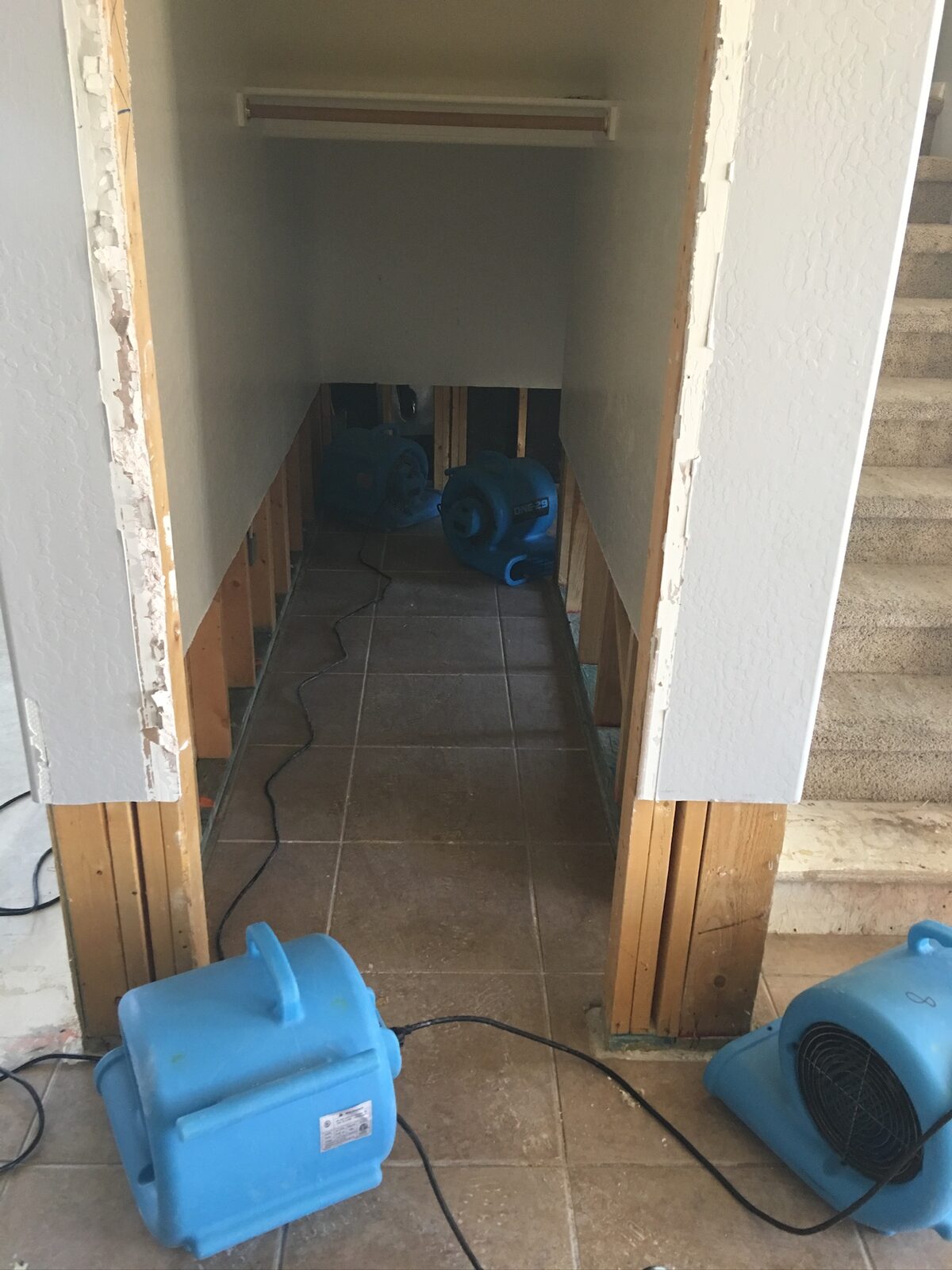
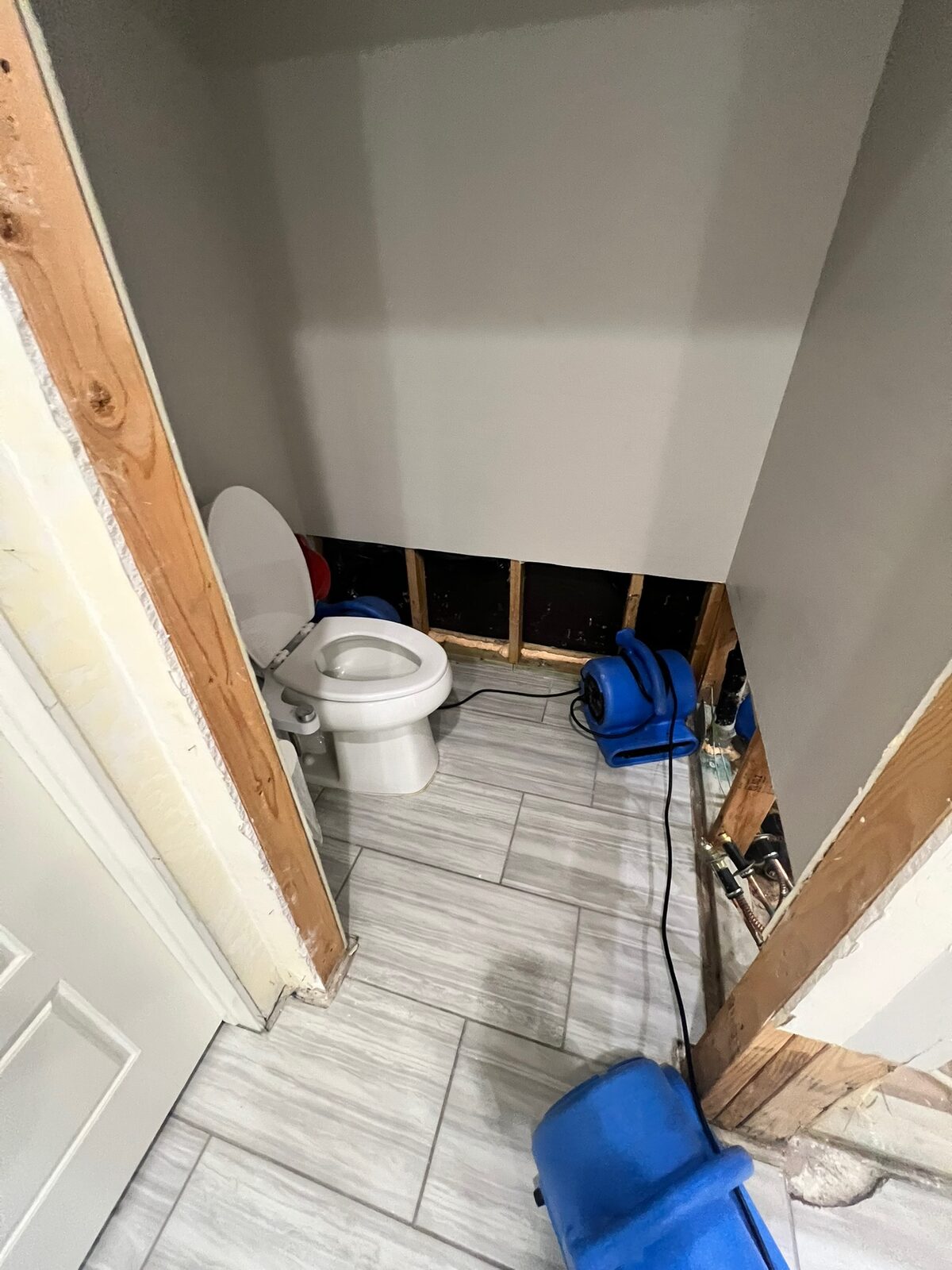
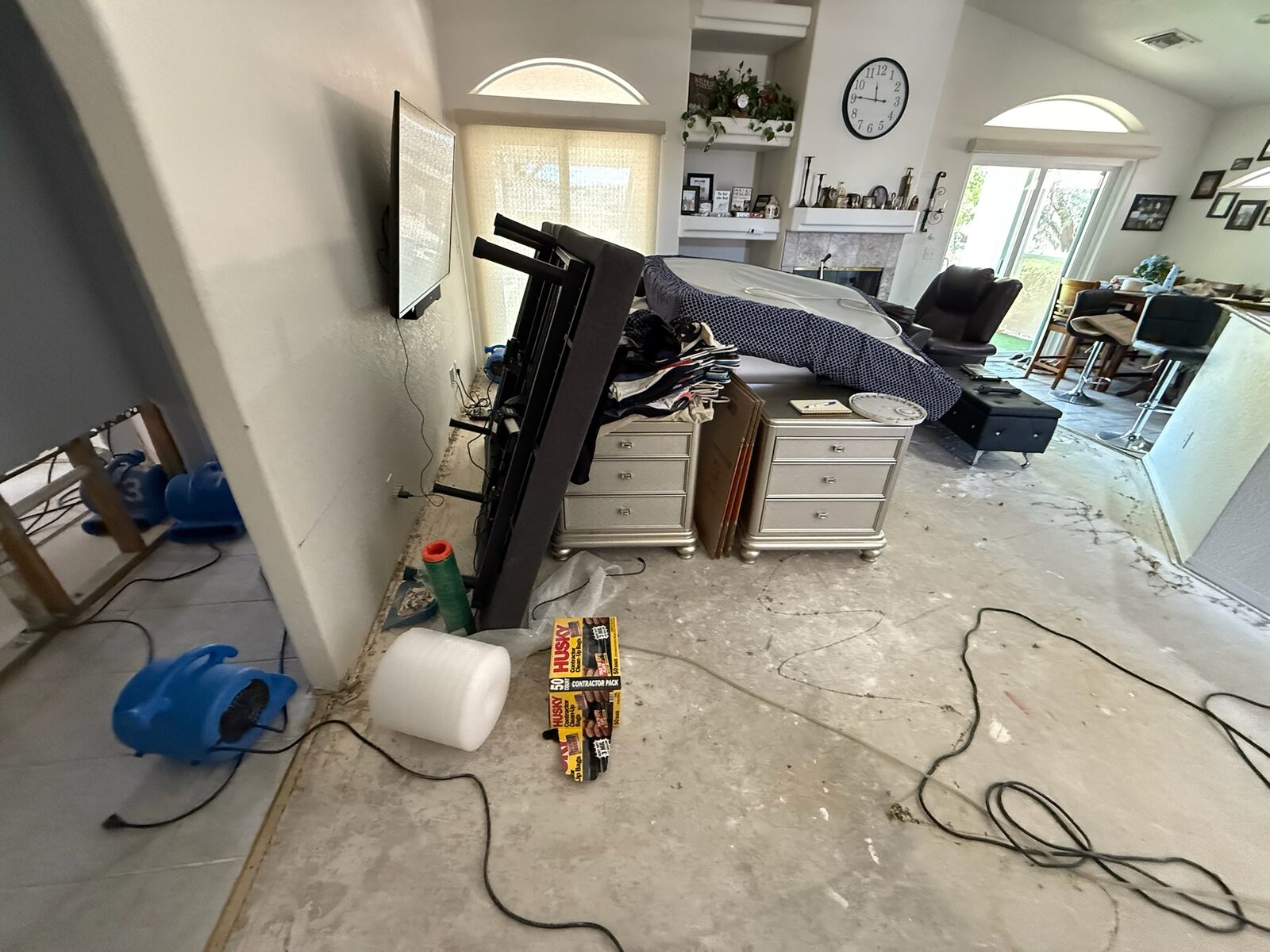
Residential reconstruction work by members of our team. See the full gallery →
More from Gold Water Fire
Abrasive Cleaning Methods for Soot on Framing and Masonry
A look at how abrasive cleaning methods remove soot from wood framing and masonry after a fire, and when each method fits the material.
AC Condensate Line Clogs & the Water Damage They Cause in Phoenix Homes
Why Phoenix AC condensate lines clog every summer, what the water damage looks like, and how to find the source before the ceiling stain spreads again.
Actual Cash Value vs Replacement Cost: Why Your Check Might Not Match the Repair Bill
Confused why your insurance check seems short after fire or water damage? Learn the difference between actual cash value and replacement cost coverage.
Not sure whether it is just the drain anymore
If the laundry room has flooded more than once and you are wondering what the water left behind, call Gold Water Fire at (480) 999-3339 or email Help@goldwaterfire.com. We serve the Phoenix metro area, including Chandler, Mesa, Gilbert, Tempe, Glendale, Peoria, Queen Creek and the surrounding communities. AZ ROC #264344 KB-2.
Call (480) 999-3339Water Damage Restoration · Reconstruction & Rebuild · Contact Gold Water Fire · About Our Team