
Why the Little Shutoff Valve Under Your Sink or Toilet Fails When You Finally Need It
There's a specific kind of frustration that comes from reaching under a sink or behind a toilet in an emergency, turning that little oval handle, and having nothing happen. Or worse, having it snap off in your hand while water keeps running. You did the right thing. You went for the shutoff. And it failed you at the exact moment it mattered. If you're standing in an inch of water right now wondering how a part this small could cause this much damage, you're not imagining things, and you're not alone in this.
Why the Little Shutoff Valve Under Your Sink or Toilet Fails When You Finally Need It
What an angle stop valve actually does
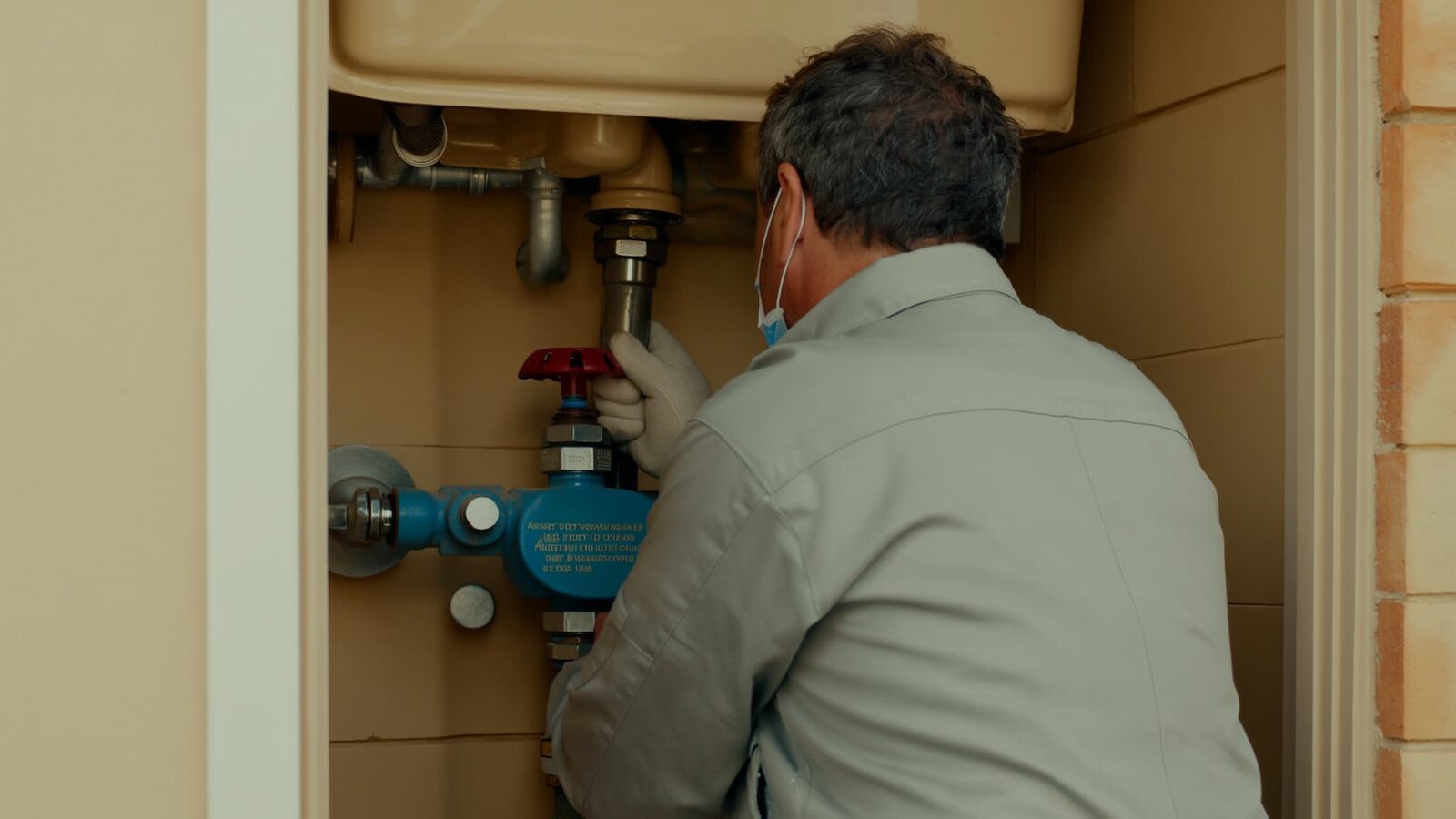
The angle stop (sometimes called a supply stop or fixture shutoff) is the small valve mounted where a water supply line comes out of the wall or floor, right before it connects to a toilet, sink, or ice maker line. Its job is simple: let you cut water to one fixture without shutting off the whole house. Most homes have several of these, tucked under cabinets and behind toilets, and most people never touch them from the day they're installed until the day they need them in a hurry.
Why the valve seizes instead of turning
The most common failure is mineral buildup. Phoenix water carries a fair amount of dissolved mineral content, and over years of sitting untouched, that mineral content deposits inside the valve body and around the stem. The valve looks fine from the outside. The handle is still there. But the internal mechanism has essentially cemented itself in place. When you finally try to turn it, either it won't budge at all, or it turns partway and the aging metal or brittle plastic stem shears off, sometimes leaving the valve stuck half-open and now leaking on its own.
The plastic-body valve problem
Many homes built or renovated in the last few decades have multi-turn valves with plastic or pot-metal internal components rather than solid brass. These are cheaper to manufacture and install, but the plastic components become brittle with age and temperature exposure, especially in a hot attic supply run or a garage wall. A valve that hasn't been operated in years is exactly the kind of valve most likely to crack the first time it's asked to move. This is why a shutoff can look pristine and still fail on the very first attempt to close it.
Why it always seems to happen at the worst time
Angle stops don't get exercised in daily life. Nobody turns them for routine maintenance, so the first time most homeowners touch that valve is during an active leak, a toilet supply line failure, or a burst braided connector, meaning the valve is being asked to perform under pressure (literally) after years of dormancy. A valve that would have turned smoothly with occasional use is far more likely to seize, strip, or crack when it's suddenly needed to stop a flow of water right now. That timing is not a coincidence. It's the nature of a part that only gets used in an emergency.
What to check before you actually need it
A few minutes of attention can tell you a lot. Look under every sink and behind every toilet for a valve with visible corrosion, mineral crust, or a greenish tint (a sign of a slow weep at the packing nut). Gently test each handle with light pressure, not force, once or twice a year rather than waiting for an emergency to be the first test. If a valve won't turn with light pressure, don't force it. A failed attempt during a calm moment is far better than a snapped stem during an active leak. If you find a valve that's stuck, corroded, or already seeping, it's worth having it replaced before it's the only thing standing between you and a running supply line.
When a small valve failure becomes a bigger problem
A toilet supply line or sink shutoff is usually rated for continuous, unattended water flow if it fails completely, and depending on where it's located, that water can spread across flooring, wick into cabinetry, and travel into subfloor or drywall before anyone notices, particularly overnight or while a household is away. Water that sits against baseboards, cabinet bases, or subfloor for even a short time can lead to swelling, warping, and conditions that support mold growth. If you're dealing with active water right now, our water damage restoration page covers what the drying and mitigation process involves. If the leak has already led to damaged flooring, cabinetry, or drywall that needs to be rebuilt, our reconstruction and rebuild page covers that side of it.
Questions people ask us
Can I replace an angle stop valve myself?
It's a straightforward part to swap once the water is off, but the main water supply to the house typically needs to be shut off first, and the old valve sometimes needs to be cut off the supply line rather than unscrewed. If a valve is corroded onto old copper or the supply line itself looks compromised, it's often safer to have it looked at before turning anything.
How often should angle stop valves be replaced?
There's no fixed replacement schedule, since it depends on the valve's material, water conditions, and how often it's been operated. The more useful habit is checking each valve periodically for corrosion or stiffness, and replacing any valve that shows visible mineral buildup, greenish staining, or resistance when turned.
Is a slow drip from a valve a sign it's about to fail completely?
A slow weep at the packing nut or connection point often means the internal seal is breaking down, and it can be an early warning sign, though it doesn't guarantee a sudden full failure. Either way, a leaking valve is worth having addressed rather than watched, since the failure mode when it does let go is usually sudden rather than gradual.
Why did my toilet valve fail even though it looked brand new?
Appearance on the outside doesn't reflect the condition of the internal stem, washer, or seat, especially on valves with plastic or pot-metal components. A valve can look untouched and still have internal parts that have become brittle or mineral-locked from years of sitting in one position.
The standard our team works to
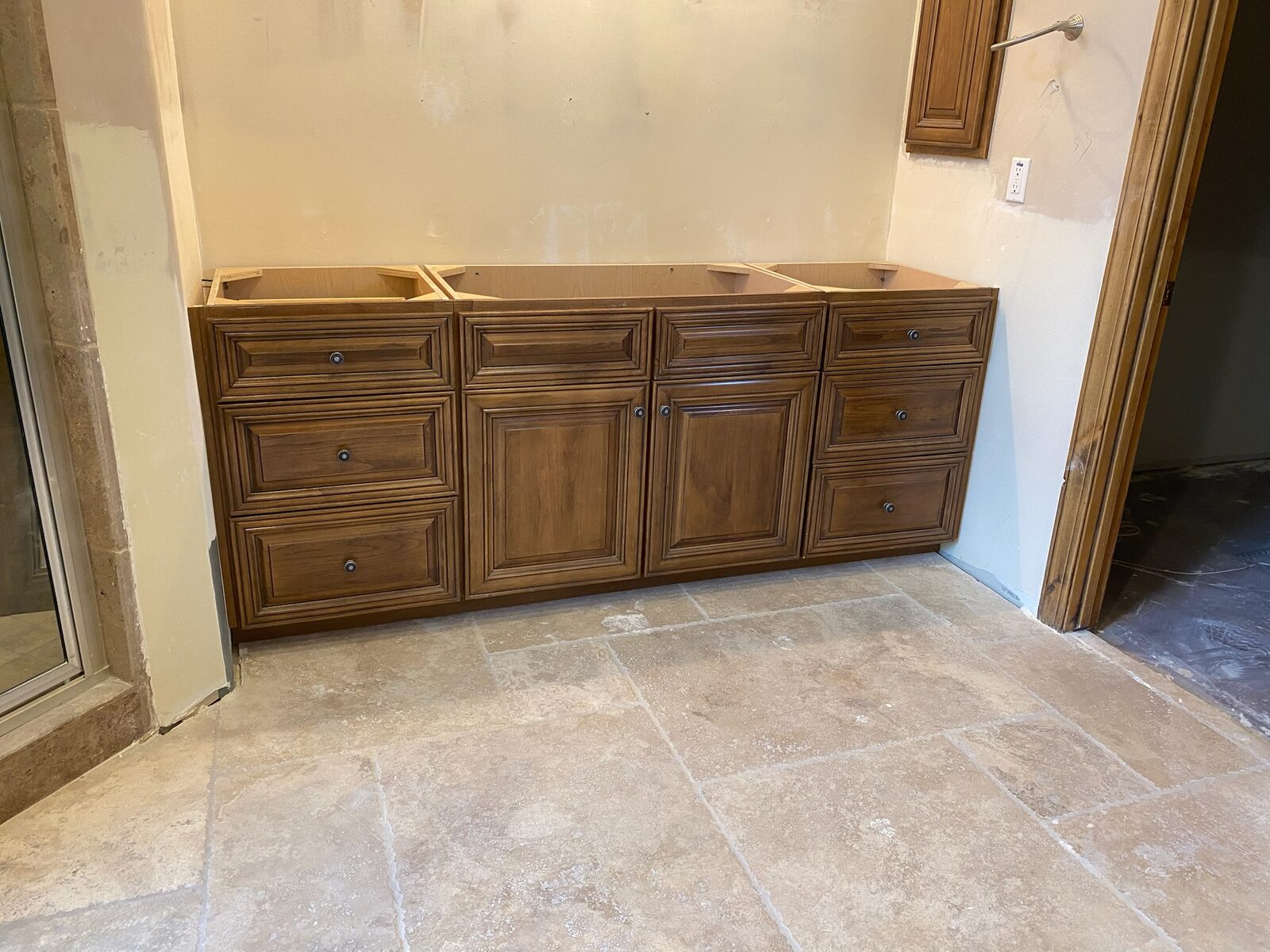
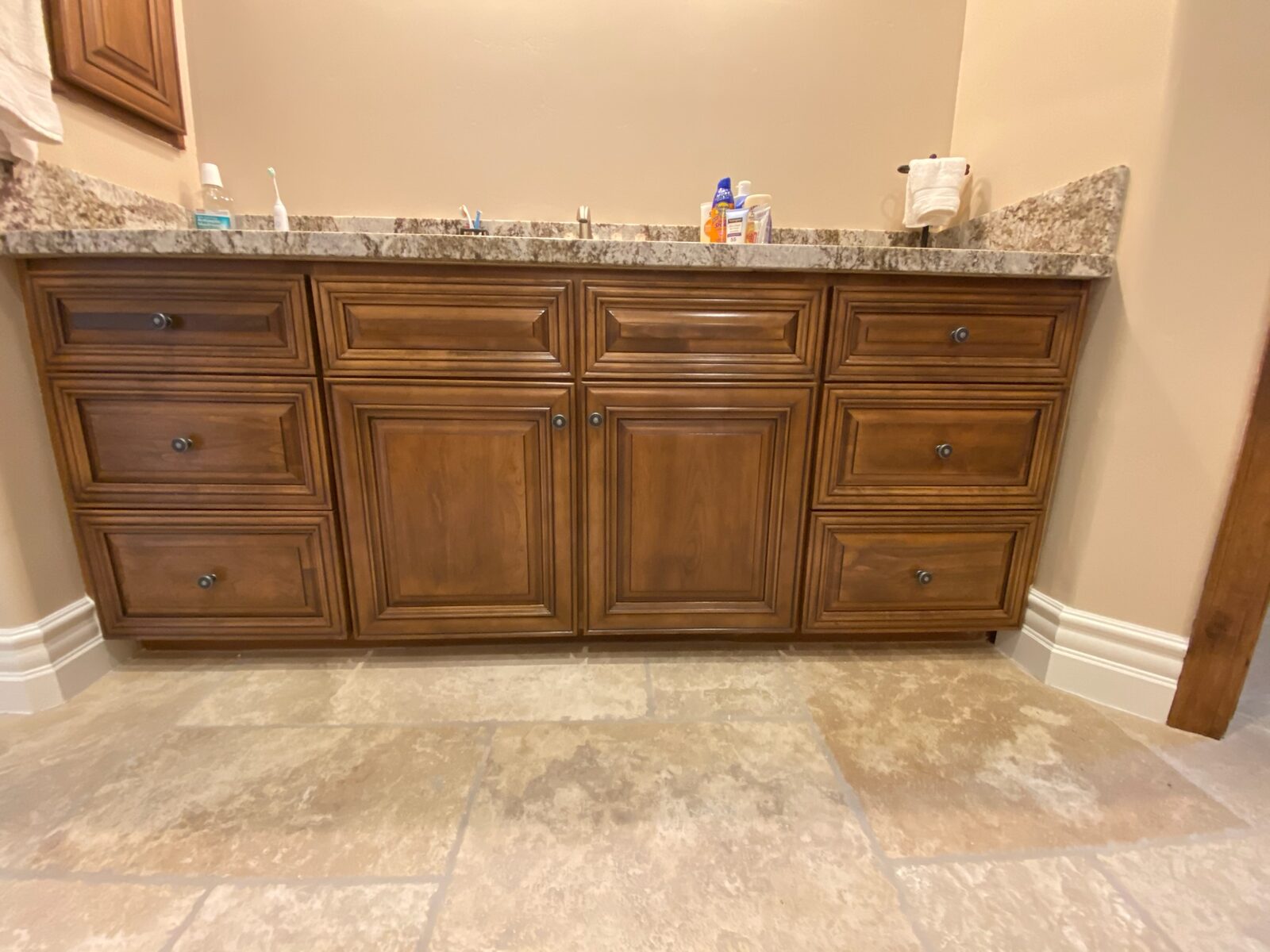
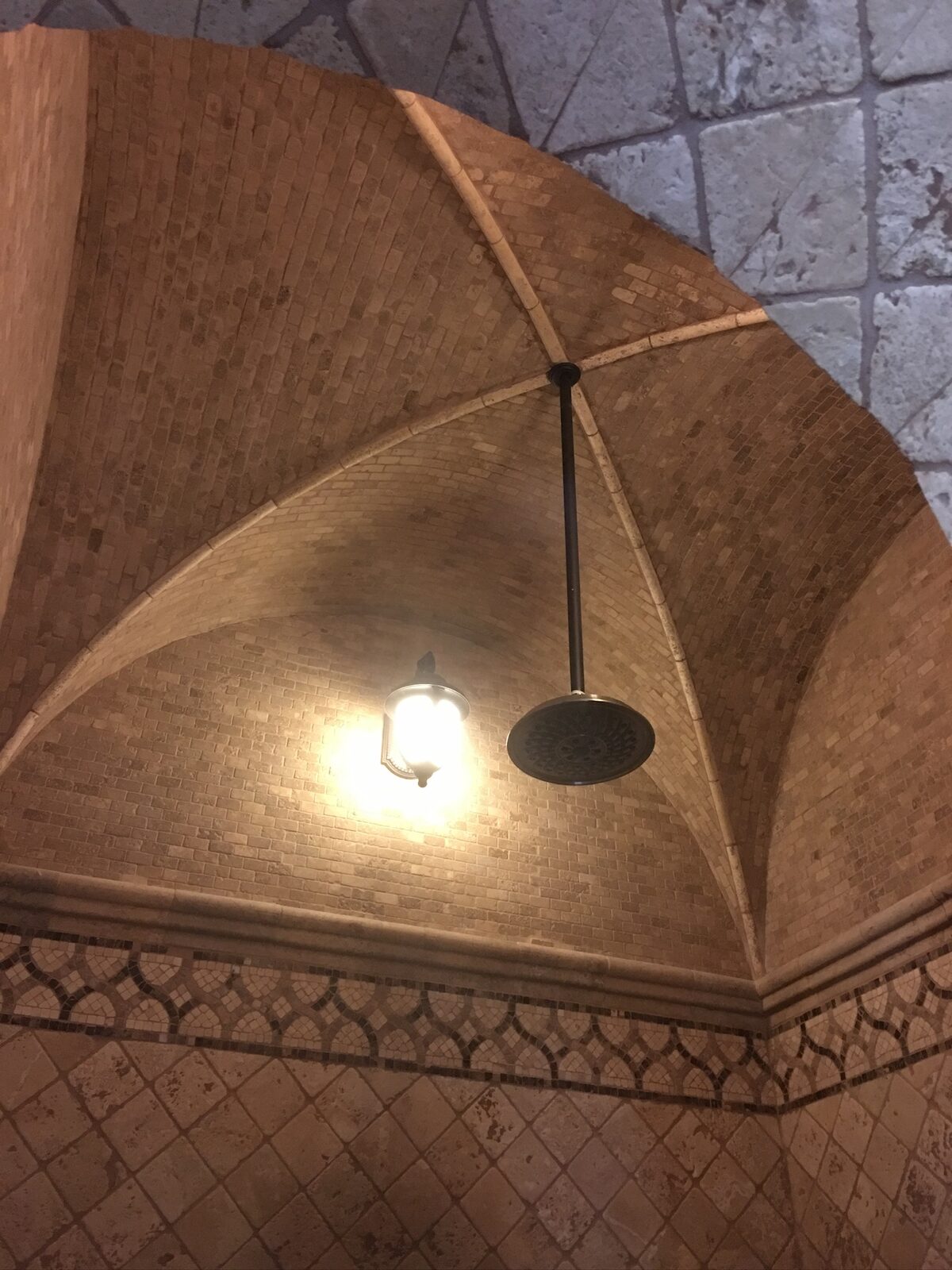
Residential reconstruction work by members of our team. See the full gallery →
More from Gold Water Fire
Abrasive Cleaning Methods for Soot on Framing and Masonry
A look at how abrasive cleaning methods remove soot from wood framing and masonry after a fire, and when each method fits the material.
AC Condensate Line Clogs & the Water Damage They Cause in Phoenix Homes
Why Phoenix AC condensate lines clog every summer, what the water damage looks like, and how to find the source before the ceiling stain spreads again.
Actual Cash Value vs Replacement Cost: Why Your Check Might Not Match the Repair Bill
Confused why your insurance check seems short after fire or water damage? Learn the difference between actual cash value and replacement cost coverage.
Dealing with an active leak or the damage one left behind?
If a failed shutoff valve has already led to standing water or damaged flooring, cabinetry, or drywall, reach out to Gold Water Fire at (480) 999-3339 or Help@goldwaterfire.com to talk through what you're facing.
Call (480) 999-3339Water Damage Restoration · Reconstruction & Rebuild · Contact Gold Water Fire