
Pinhole Leaks in Copper Pipe: What Causes Them and How They Show Up
A small stain on the ceiling. A damp patch of drywall that never quite dries out. A faint mineral smell near a wall you never think about. None of it looks urgent, and that is exactly what makes it unsettling. You start to wonder if you are imagining it, or if something is happening inside the walls that you cannot see and cannot explain. That uncertainty, more than the stain itself, is often the hardest part.
Pinhole Leaks in Copper Pipe: What Causes Them and How They Show Up
What a pinhole leak actually is
A pinhole leak is a tiny perforation in copper pipe, often smaller than the tip of a pen, that lets water escape under pressure. Because the opening is so small, the leak can be slow and quiet for a long time before it becomes visible. Unlike a burst pipe or a failed fitting, a pinhole leak does not usually announce itself with a flood. It seeps. It weeps through a wall cavity or along a floor joist, and by the time you notice a sign of it, the water may have been finding its way out for weeks or months.
Why copper develops these holes
Copper pipe is generally durable, but it is not immune to a process called pitting corrosion. This happens when the interior surface of the pipe develops small, localized points of chemical breakdown rather than wearing evenly. A few conditions tend to encourage it: water with a high mineral content, water with unusual acidity or alkalinity, stray electrical current running through the plumbing system (sometimes called electrolysis in the trade, though it is technically a related but distinct process), and manufacturing inconsistencies in the copper itself. Turbulent water flow at sharp bends or right after a fitting can also concentrate wear at one specific point on the pipe wall, which is part of why leaks often show up near elbows, tees, or where pipe was cut and joined. In hot water lines specifically, higher temperatures can accelerate a lot of these chemical reactions, which is one reason hot water pipes sometimes develop pinholes before cold water lines do.
How pinhole leaks actually show up
Because the leak starts inside a wall, ceiling, or slab, the first signs are almost always indirect. A discolored patch on drywall or a ceiling that seems to grow slowly over days. A section of flooring or baseboard that feels soft or looks warped. A musty smell that lingers in one part of a room and does not go away with normal cleaning. A noticeable rise in the water bill with no obvious explanation. Sometimes it is simpler than any of that: a small bead of water or a green or blue-green stain (a sign of oxidized copper) appearing on an exposed pipe in a garage, crawlspace, or utility area. None of these signs confirm a pinhole leak on their own, but taken together, or if a sign persists, they are worth paying attention to.
Visual signs
Ceiling or wall stains that spread slowly, peeling paint or bubbling drywall texture, warped baseboards, and green or bluish discoloration on visible copper pipe.
Signs you notice without looking
A musty or metallic smell in one area, a hissing or dripping sound inside a wall, or a water bill that climbs without a clear reason.
Where they tend to appear
Near pipe elbows and fittings, in hot water supply lines, behind walls that back up to bathrooms or kitchens, and in slab foundations where pipe runs beneath the concrete.
Why it matters to catch these early
A pinhole leak rarely stays a pinhole for long. Ongoing exposure to moisture can soften drywall, warp flooring, and create conditions for mold growth behind a wall where it is out of sight. In a slab home, water tracking beneath the foundation can travel further than expected before it ever surfaces, which is part of why the visible sign of a leak is often not directly above or below where the actual pinhole is located. If you are seeing any of the signs above, it is reasonable to want a clear answer rather than guessing. You can read more about how water damage restoration works, or if there has already been visible water intrusion, understanding the drying and assessment process may help make sense of what comes next.
Questions people ask us
Can a pinhole leak fix itself or seal over?
Mineral deposits can sometimes slow a leak temporarily, but the underlying corrosion does not reverse. A pipe that has developed one pinhole leak has a corrosion process happening inside it, and that process typically continues.
Does one pinhole leak mean the whole plumbing system is at risk?
Not necessarily, but if the water conditions or plumbing age that caused one leak are still present, other sections of copper pipe from the same era or water source are exposed to the same conditions.
Why do pinhole leaks often show up in hot water lines first?
Higher water temperatures tend to speed up the chemical reactions involved in pitting corrosion, so hot water supply lines can show wear sooner than cold water lines in the same system.
Is a stain on the ceiling always a plumbing leak?
Not always. Roof leaks, condensation, and HVAC issues can cause similar staining. Tracing the source usually requires looking at the pattern of the stain and what is directly above or behind it.
The standard our team works to
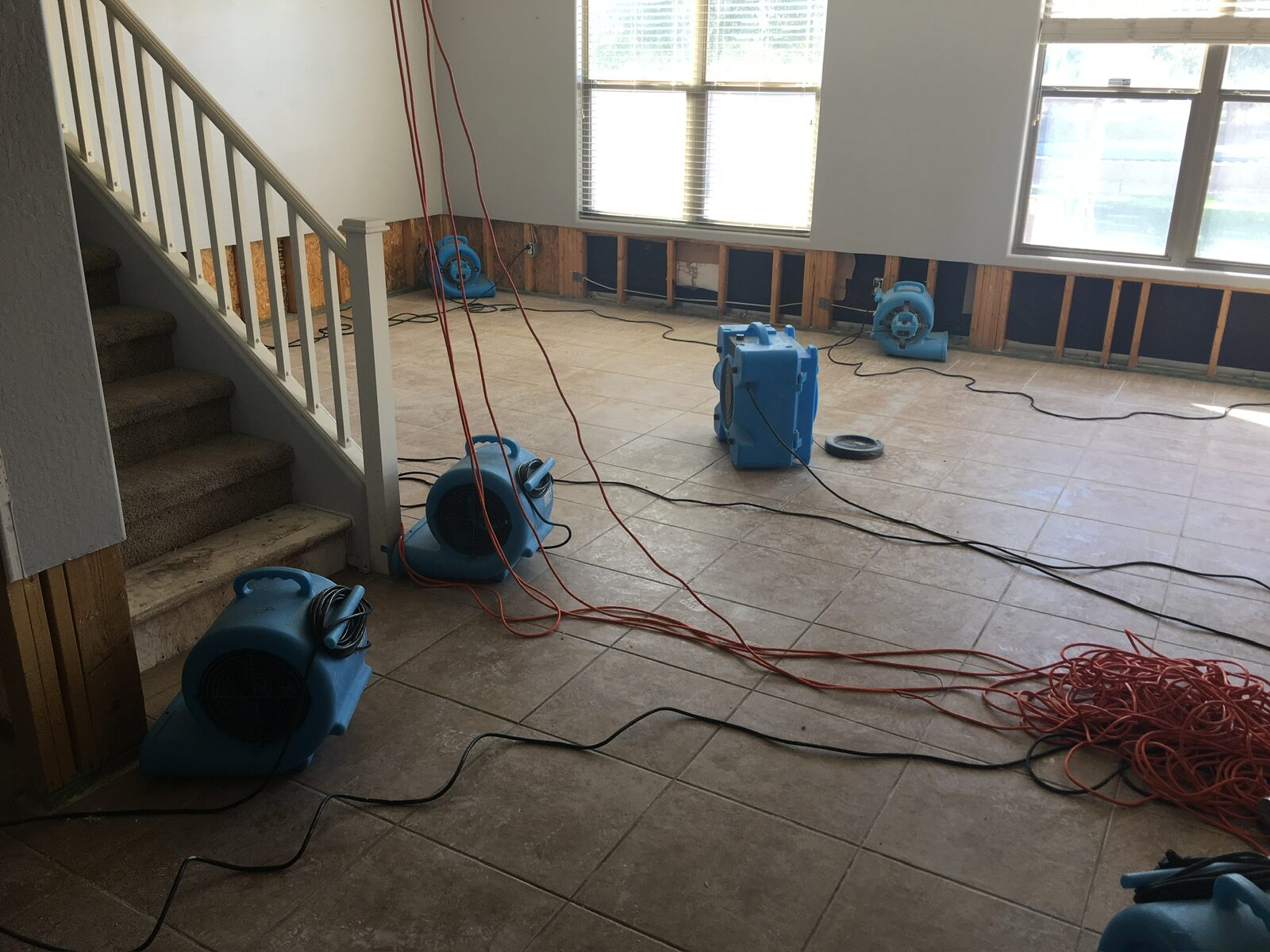
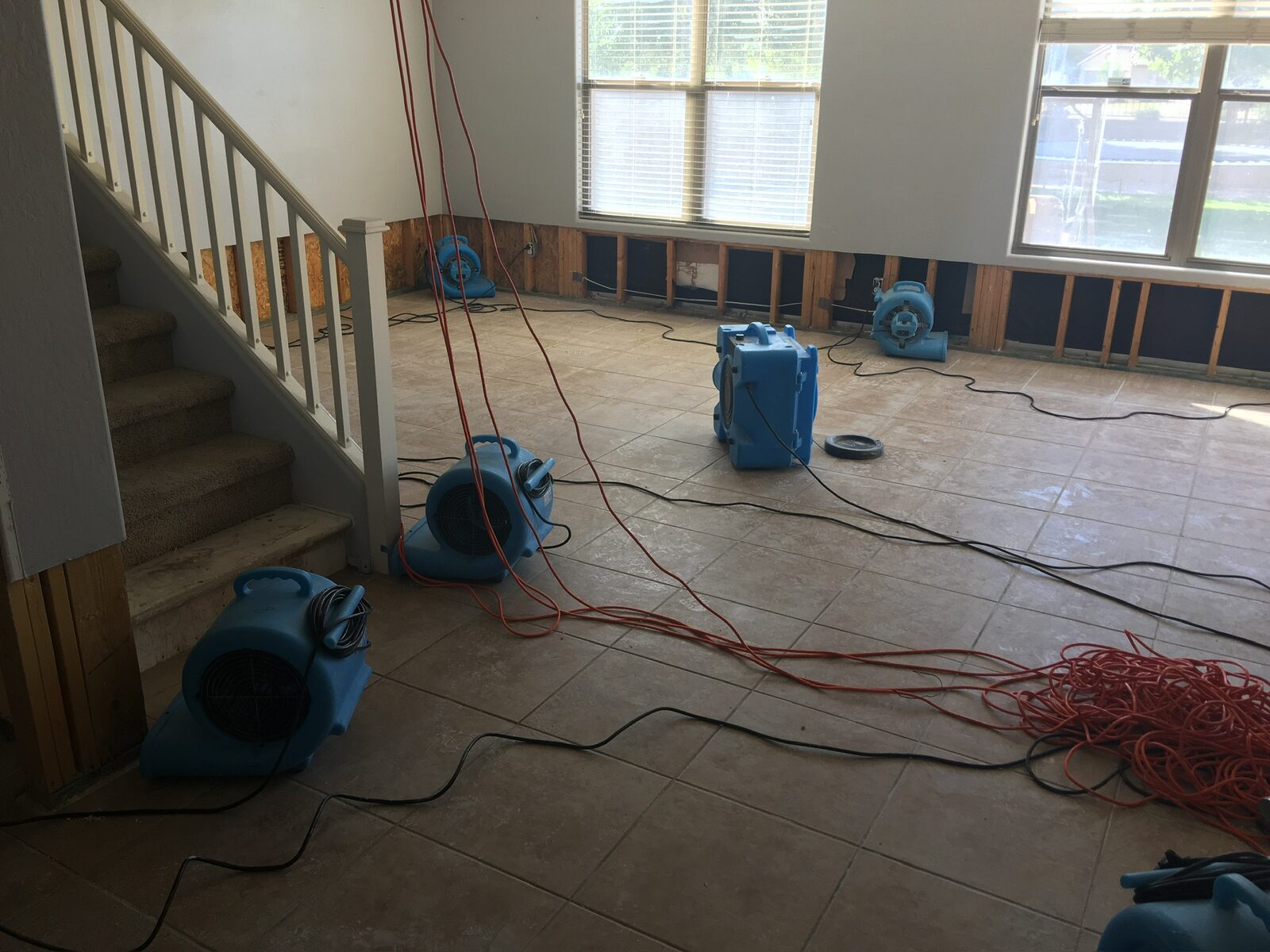
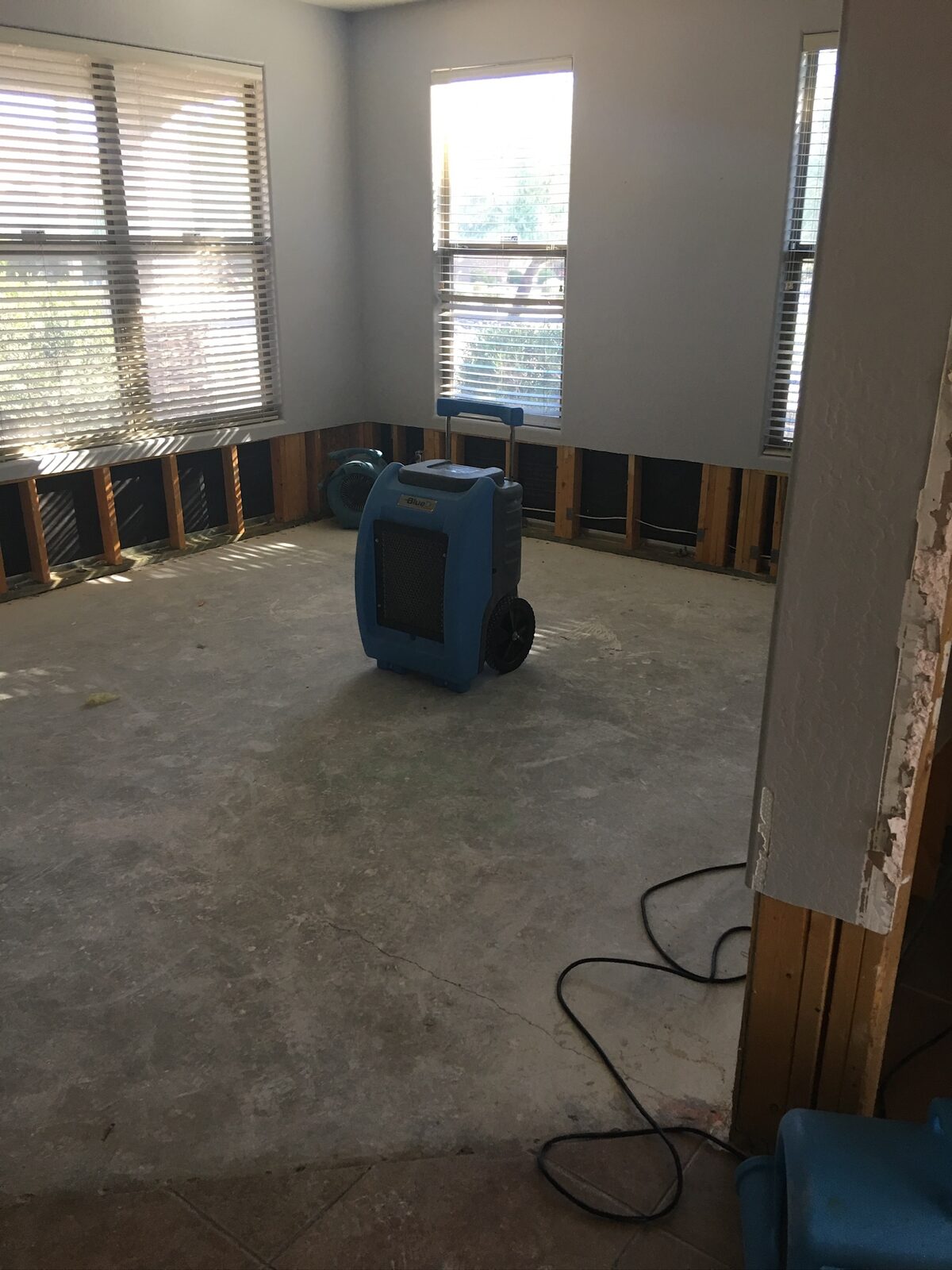
Residential reconstruction work by members of our team. See the full gallery →
More from Gold Water Fire
Abrasive Cleaning Methods for Soot on Framing and Masonry
A look at how abrasive cleaning methods remove soot from wood framing and masonry after a fire, and when each method fits the material.
AC Condensate Line Clogs & the Water Damage They Cause in Phoenix Homes
Why Phoenix AC condensate lines clog every summer, what the water damage looks like, and how to find the source before the ceiling stain spreads again.
Actual Cash Value vs Replacement Cost: Why Your Check Might Not Match the Repair Bill
Confused why your insurance check seems short after fire or water damage? Learn the difference between actual cash value and replacement cost coverage.
Seeing signs of a hidden leak in your home?
Gold Water Fire works with homeowners across the Phoenix area to assess water damage and figure out what is actually happening behind the wall. Reach out at (480) 999-3339 or Help@goldwaterfire.com to talk through what you are seeing.
Call (480) 999-3339Water Damage Restoration · Contact Gold Water Fire · About Gold Water Fire