
Stucco Repair After Water Intrusion: Why the Cause Comes First
If you've noticed a soft spot on an exterior wall, a stain that keeps coming back no matter how many times you paint over it, or stucco that feels damp to the touch even on a dry Phoenix afternoon, you already know something is wrong. What's harder is figuring out why it keeps happening, especially when a patch job looked fine for a while and then didn't. That confusion, more than the crack itself, is usually what brings people to start looking into this.
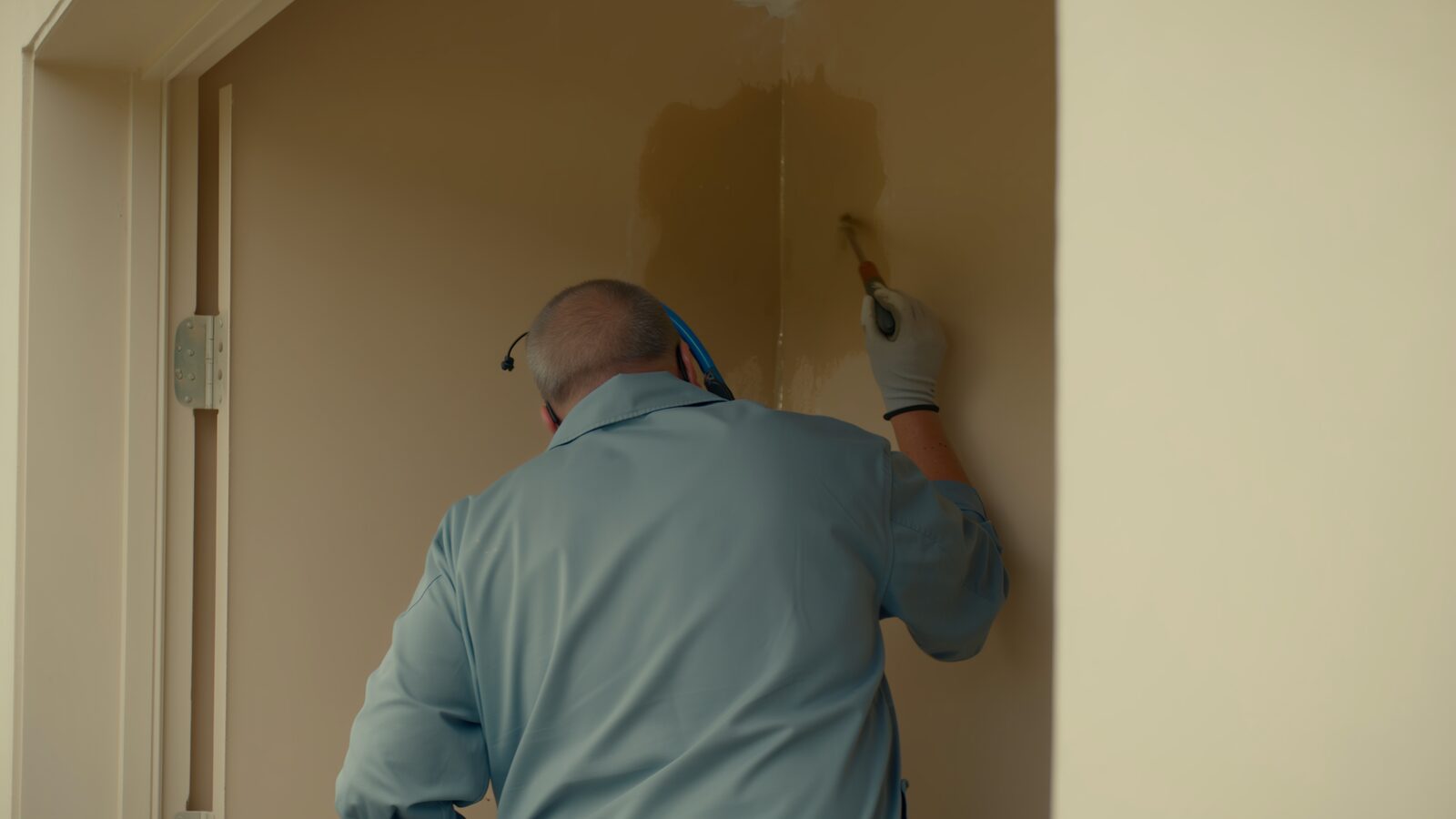
Stucco Repair After Water Intrusion: Why the Cause Comes First
Stucco is a shell, not a barrier
Traditional three-coat stucco is a rigid, cement-based layer applied over a weather-resistant barrier (usually a felt or synthetic paper) and a wire lath. The stucco itself is not what keeps water out of the wall. It's designed to shed most surface water and let some moisture pass through, while the barrier underneath does the real work of keeping that moisture away from the wood sheathing and framing. When that barrier fails, cracks, is punctured, or was installed with a gap, water gets behind the stucco and has nowhere to go. It sits against wood and drywall, and that's when the real damage starts, often invisible from outside for weeks or months.
Signs the damage goes deeper than the surface
A hairline crack from normal settling is different from a crack that's widening, dark at the edges, or paired with other symptoms. Watch for stucco that sounds hollow when tapped, areas that feel soft or crumbly, discoloration that spreads outward from one spot, bubbling paint, a musty smell near an exterior wall, or interior drywall that's stained or soft on the same wall line. Efflorescence, the white chalky mineral deposit that appears when water evaporates out of masonry, is also a strong sign that moisture has been moving through the wall repeatedly, not just once.
Why patching the stucco alone doesn't fix it
It's tempting to treat the visible crack or hole as the problem, especially since a stucco patch is quick and the wall looks fine again afterward. But if the water intrusion point, whether it's a failed window flashing, a roof-to-wall junction, a cracked stucco control joint, a leaking gutter, or a penetration around a pipe or vent, is never addressed, water keeps finding the same path back in. The new patch traps moisture against the same compromised barrier, and the cycle repeats, often with the damage spreading wider each time because the wood behind the wall stays wet longer with every round.
The sequence that actually holds
A repair that lasts follows a specific order: find the entry point, confirm how far the moisture traveled, dry and assess the structure underneath, replace or repair anything compromised (framing, sheathing, insulation, drywall), correct the barrier or flashing detail that failed, and only then rebuild the stucco finish to match. Skipping to the last step is what causes the same spot to fail again within a year or two. This is also why a moisture reading at the time of repair matters more than how the wall looks: stucco can look completely dry on the surface while the sheathing behind it is still saturated.
If you're dealing with this now
For a broader look at how water damage moves through a structure and what mitigation involves, see Water Damage Restoration. If the affected wall needs framing, drywall, or full stucco rebuild after the source is fixed, that falls under Reconstruction & Rebuild. You can also read more about how our team approaches this kind of work on the About page.
Questions people ask us
Can I just patch a stucco crack myself?
You can patch surface cracks that are cosmetic and not linked to an active leak. The risk is patching over a crack that's actually a symptom of water getting behind the wall. If the crack is near a window, roofline, or plumbing penetration, or if you've noticed staining, softness, or a musty smell nearby, it's worth checking what's happening behind the stucco before resurfacing it.
How do you know if water is still getting in versus if it's old damage?
Moisture meters can measure whether the wall assembly is currently wet or has dried out. A single reading isn't always conclusive since materials dry at different rates, but a pattern of readings, especially compared to an unaffected part of the same wall, helps distinguish an active leak from a past event that's already resolved.
Why does stucco damage seem to show up worse after monsoon season?
Wind-driven rain during monsoon storms pushes water into gaps and cracks that don't get tested the rest of the year, including small stucco cracks, joint sealant that's dried out, or flashing that's marginal but not failing under normal conditions. A wall that seemed fine in June can show staining by September because that's the first time it's faced sustained, driving rain.
Does the whole wall need to be redone, or just the damaged section?
It depends on how far the moisture traveled and how the original stucco was applied. Stucco repairs can sometimes be feathered into an existing wall, but matching texture and color exactly is difficult, and if the barrier failure was due to a systemic issue (like a flawed weep screed or missing kick-out flashing) rather than a one-time event, a larger section may need attention to actually correct the cause.
The standard our team works to
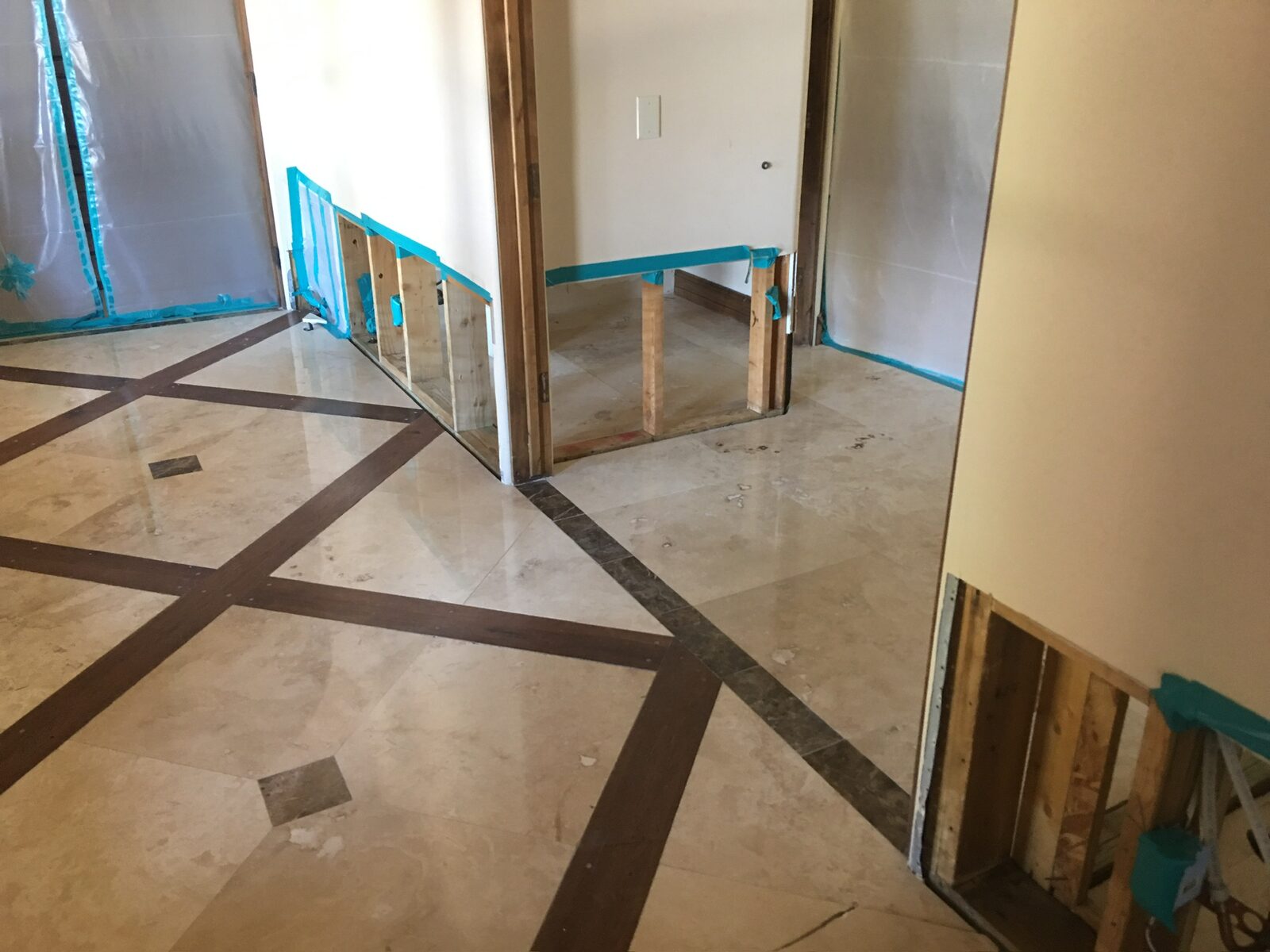
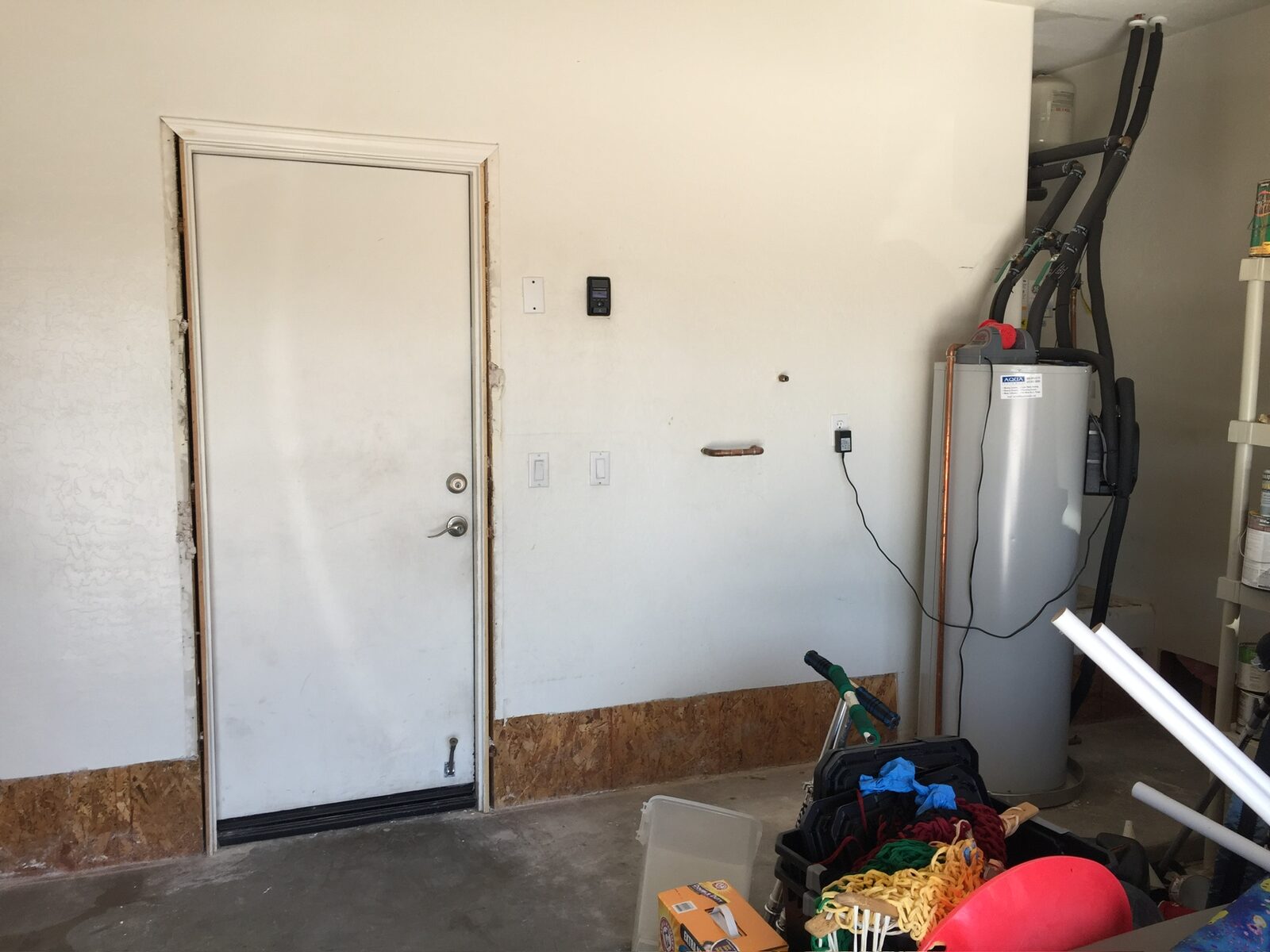
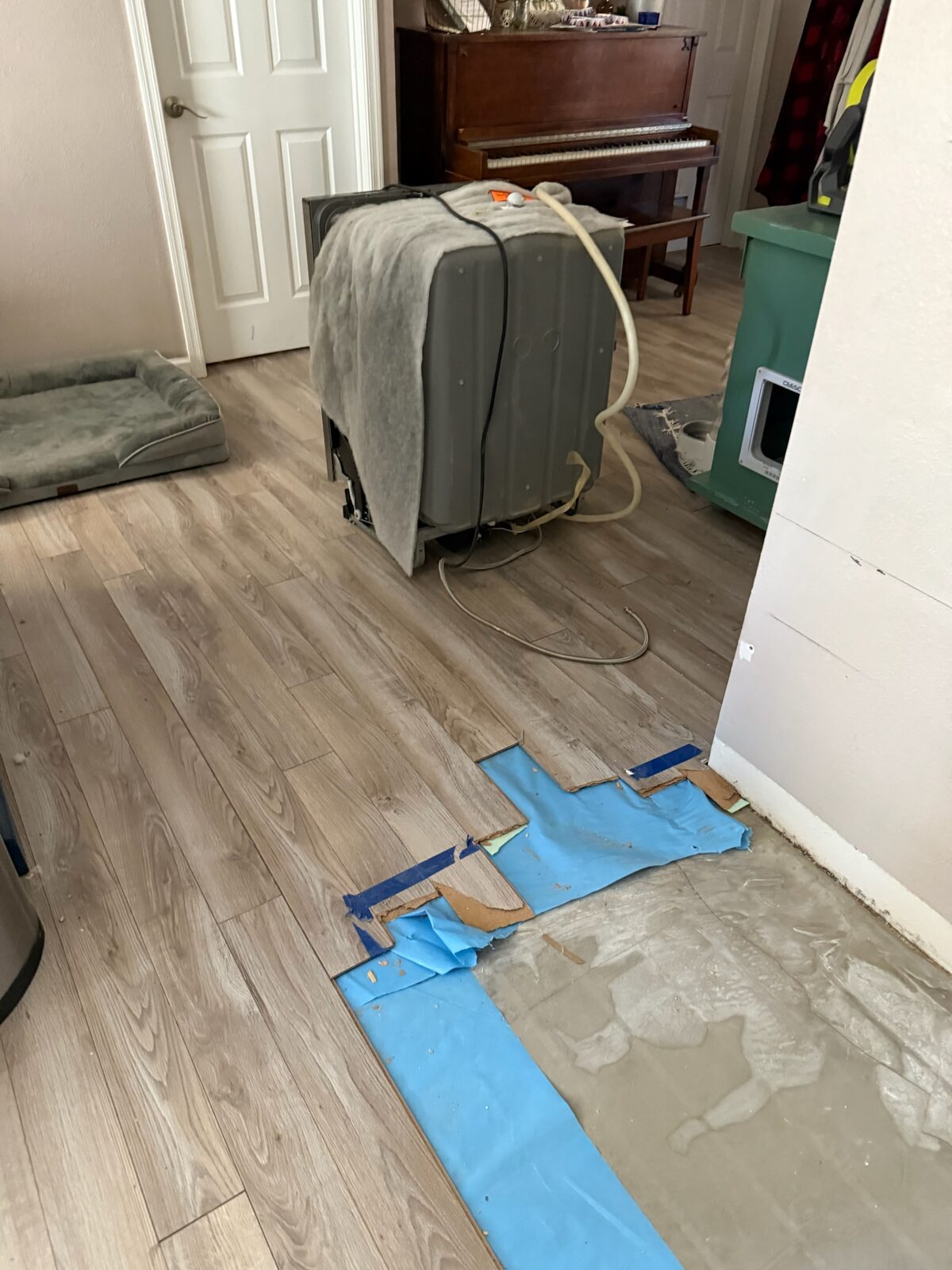
Residential reconstruction work by members of our team. See the full gallery →
More from Gold Water Fire
Abrasive Cleaning Methods for Soot on Framing and Masonry
A look at how abrasive cleaning methods remove soot from wood framing and masonry after a fire, and when each method fits the material.
AC Condensate Line Clogs & the Water Damage They Cause in Phoenix Homes
Why Phoenix AC condensate lines clog every summer, what the water damage looks like, and how to find the source before the ceiling stain spreads again.
Actual Cash Value vs Replacement Cost: Why Your Check Might Not Match the Repair Bill
Confused why your insurance check seems short after fire or water damage? Learn the difference between actual cash value and replacement cost coverage.
Not sure if it's surface damage or something deeper?
If you're looking at a stucco crack, stain, or soft spot and want to understand what's behind it before deciding what to do, call Gold Water Fire at (480) 999-3339 or email Help@goldwaterfire.com. We serve the Phoenix metro area and can talk through what you're seeing.
Call (480) 999-3339Water Damage Restoration · Reconstruction & Rebuild · About Gold Water Fire · Contact Us