
Signs of a Slab Leak in an Arizona Home, & What Happens Once One Is Found
There is a particular kind of tired that comes from a house that keeps doing something you cannot explain. The water bill crept up and stayed up. One corner of the hallway is warm under your feet, and you have started walking around it without really deciding to. The floor by the guest bath has a faint smell that comes and goes. You have looked under every sink twice. Nothing is dripping. Nothing is obviously wrong. And yet something clearly is, because houses do not run a water meter all night for no reason. Living with a problem you cannot name wears on you differently than living with one you can. You are not imagining it, and you are not being dramatic for noticing.
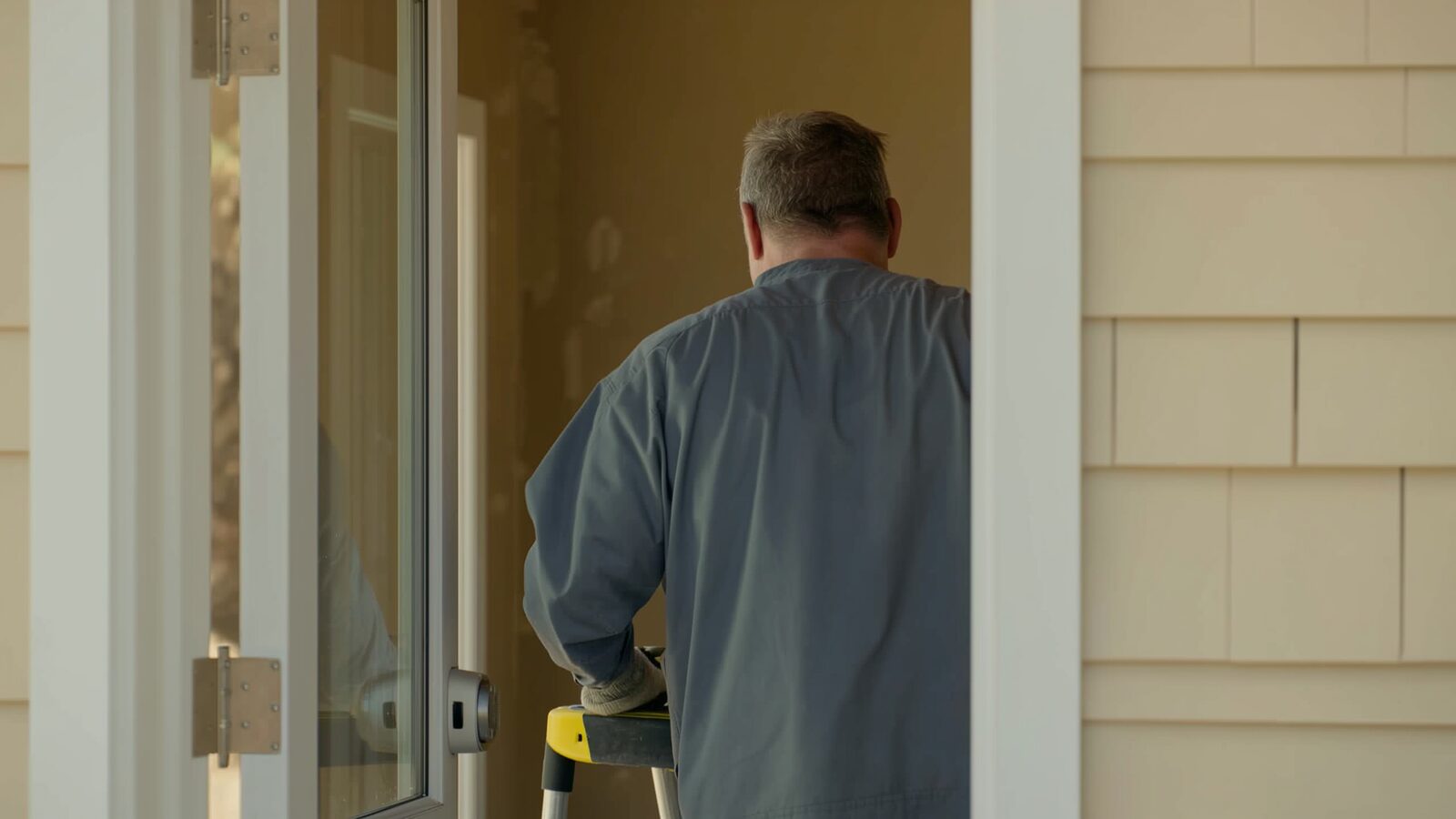
Signs of a Slab Leak in an Arizona Home, & What Happens Once One Is Found
Why a leak can hide under a Phoenix slab for months
Most homes across the Phoenix metro sit on a concrete slab poured directly on grade, with copper or PEX supply lines running through or beneath it. When one of those lines fails, the water does not have a floor to spill onto and a puddle to make. It goes into the soil under the slab first. Arizona's caliche and expansive clay soils can absorb and move that water sideways for a long time before anything shows up inside the house. That is why the early signals are indirect. A hot water line leak warms a patch of tile because the concrete conducts heat. A cold line leak shows up as a faint dark seam in grout, or a baseboard that swelled slightly and never went back. Hard water in this region also accelerates pinhole corrosion in older copper, and homes built during the big valley building waves often have similar plumbing from similar eras, which is part of why one neighbor's slab leak is sometimes followed by another's. The hardest part is not the plumbing. It is the stretch of time where you know something is off and you cannot point at it.
The signs, from the easy to miss to the obvious
None of these alone proves a slab leak. Several together usually mean it is worth investigating rather than waiting.
The meter test
Shut off every fixture and appliance that uses water, then look at the small triangle or dial on your water meter. If it is still turning, water is moving somewhere. Mark the reading, leave for an hour with everything off, and check again. Movement with nothing running is one of the clearest signals you can get without opening anything up.
A warm spot on the floor
A section of tile or laminate that is noticeably warmer than the floor around it, especially along a straight line, often traces the path of a hot water supply line. In a house where the AC is running, a warm floor is not normal.
Sound of running water with nothing on
A faint hiss or trickle in a quiet house, often loudest near an interior wall or a bathroom. It can be easier to hear at night, or with an ear against the floor.
Water bill that rose and stayed there
Summer irrigation explains a seasonal jump. It does not explain a bill that stepped up one month and never came back down, or usage that is high even in months when you barely water anything.
Flooring that moved
Grout lines cracking in a line rather than at random. Tile that sounds hollow when tapped. Wood or laminate cupping, lifting at the seams, or separating from the baseboard. Carpet that stays cool and slightly damp in one area.
Smell, and what grows behind it
A musty or earthy smell near a wall base, or in a closet on an exterior wall, usually means moisture has been present long enough for microbial growth. The smell often arrives before any visible staining does.
Pressure that dropped
Showers and faucets that lost strength across the whole house, not just one fixture, can indicate water escaping the system before it reaches the tap.
Cracks and movement in the structure
Long-term water under a slab can shift the soil it rests on. New cracks in drywall at door corners, doors that stopped latching, or a section of floor that feels like it slopes are late-stage signs and worth acting on quickly.
From confirming the leak to putting the house back together
Once someone suspects a slab leak, the work generally moves through the same sequence, though the details change house to house. First comes location. A plumber uses acoustic listening equipment, thermal imaging, or a pressure test on isolated sections of line to narrow the leak to a small area rather than a room. This matters, because the difference between knowing the leak is under the hall bath and knowing it is under a two foot square is the difference between a small opening in the slab and a large one. Then comes the repair decision. There are usually three paths: open the slab at the leak and repair that section of pipe, reroute that run of line overhead through the attic and walls and abandon the section under the concrete, or repipe the house if the plumbing is failing in more than one place. A plumber makes that call based on pipe material, age, and whether this is the first failure or the third. The leak stopping is not the end. Water has already been in the soil, the slab, and often the base of the walls and cabinets. Concrete holds moisture and releases it slowly, so a floor that feels dry on top can still be wet through its thickness. Drying is measured, not guessed at: moisture meters on materials, readings taken and repeated over days, air movers and dehumidifiers sized to the space, and sometimes specialized equipment that pulls moisture from under flooring or through drilled openings in the base of a wall. Materials that cannot be dried in place, like saturated drywall bottoms, wet insulation, or particleboard cabinet bases, come out. That is the water damage restoration phase. What is left after drying is a house with a hole in it. Cut drywall, removed baseboard, a patch of missing tile, sometimes a cabinet run or a section of flooring that has to be replaced rather than repaired. Closing that back up so it matches the rest of the room is reconstruction, and it is often the longer half of the job.
Insurance, timing, and what you can do today
Homeowners policies in Arizona commonly treat the failed pipe and the resulting water damage differently. Many policies cover the sudden and accidental water damage and the cost of accessing the pipe, while excluding the repair of the pipe itself, and coverage often narrows if the leak can be characterized as long-term seepage. Read your policy language, or ask your adjuster directly which parts they consider covered before work starts. Document before anything gets torn out. Photos of the warm spot, the cracked grout, the swollen baseboard, the water bills side by side, and the meter reading test. Keep it all in one place. This is the part people skip while they are stressed, and it is the part that matters later. If you are fairly sure water is escaping and you do not know where, shutting off the main at the street and living on it briefly is a reasonable step while you get someone out. It stops the soil under your slab from taking on more water. And if the answer turns out to be something other than a slab leak, that is worth knowing too. Slow supply line failures behind a wall, a failed water heater pan, and AC condensate line backups all produce similar symptoms and all cause the same kind of hidden damage. If there was heat or smoke involved in any part of the picture, the process looks different again, and fire damage restoration covers that side of it. Gold Water Fire works across the Phoenix metro area, out to Peoria in the northwest, Avondale in the southeast valley edge, San Tan Valley, Apache Junction, and the communities beyond those lines. If you want someone to look at what you are seeing, reach out or call (480) 999-3339.
Questions people ask us
How long can a slab leak go unnoticed?
There is no fixed answer, because it depends on how much water is escaping and where it goes. A pinhole in a cold line under a well-drained area can run for a long time with almost no interior sign beyond the water bill. A larger break, or one under a bathroom, tends to announce itself in weeks through warm floors, smell, or lifting flooring. The meter test is the fastest way to stop guessing.
Does a slab leak always mean the concrete has to be broken open?
No. Rerouting the affected line overhead through the attic and walls is a common alternative, and it avoids cutting the slab entirely. A plumber weighs it against the location of the leak, the condition of the rest of the plumbing, and how much interior finish would have to be opened either way.
Why does drying take days after the plumber leaves?
Concrete, framing, and drywall release moisture slowly. A slab can read dry on the surface while still holding water through its thickness, and that moisture will move into wall bases and flooring adhesive if it is not pulled out. Drying is verified with moisture meter readings over time, not by how the floor feels.
Will homeowners insurance in Arizona cover this?
Policies vary and you should confirm with your own carrier. Broadly, many policies address sudden and accidental water damage and the cost of accessing the pipe while excluding the pipe repair itself, and coverage often depends on whether the leak is treated as sudden or as long-term seepage. Photographs and water bill history taken before demolition help that conversation.
The standard our team works to
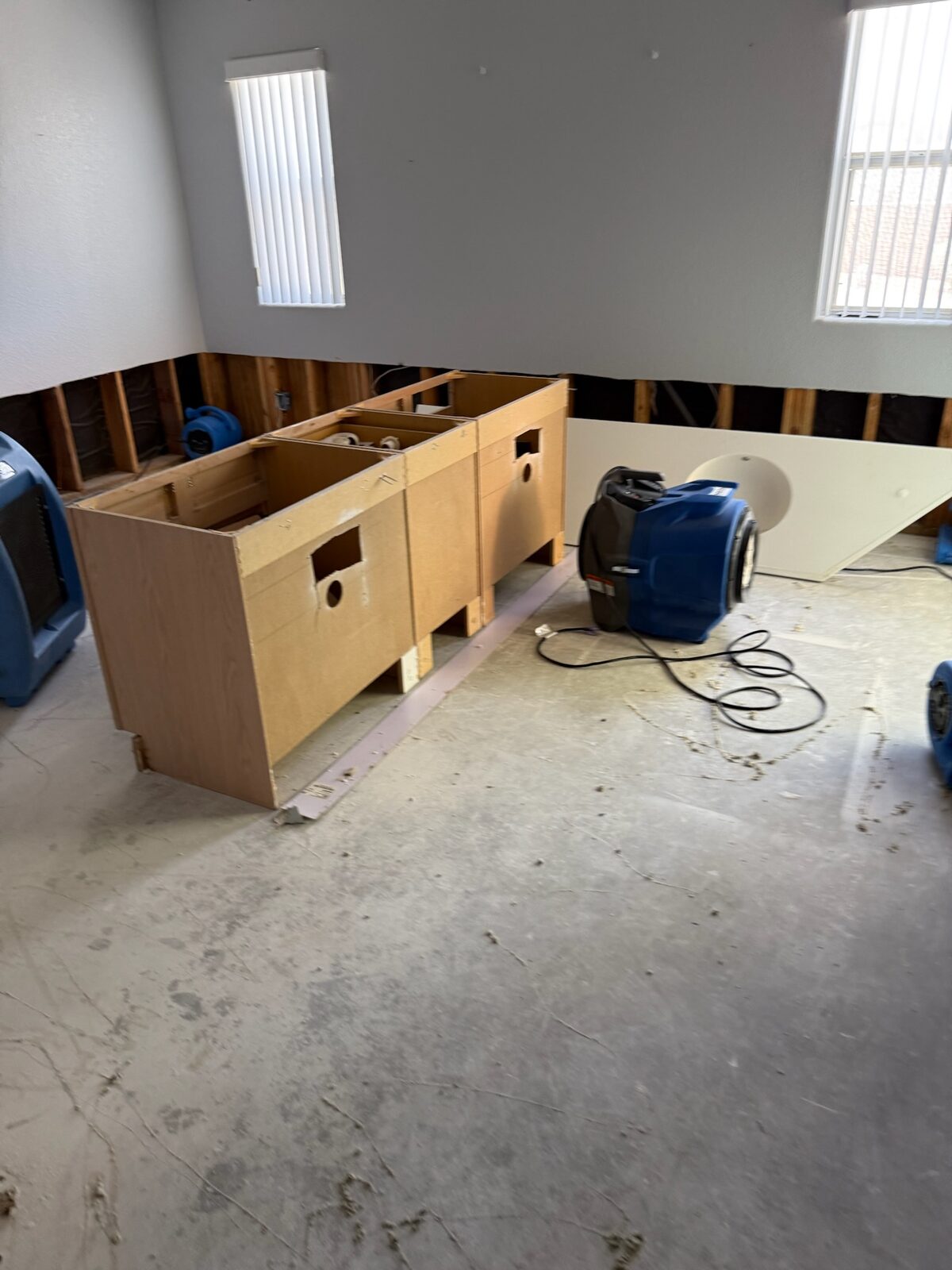
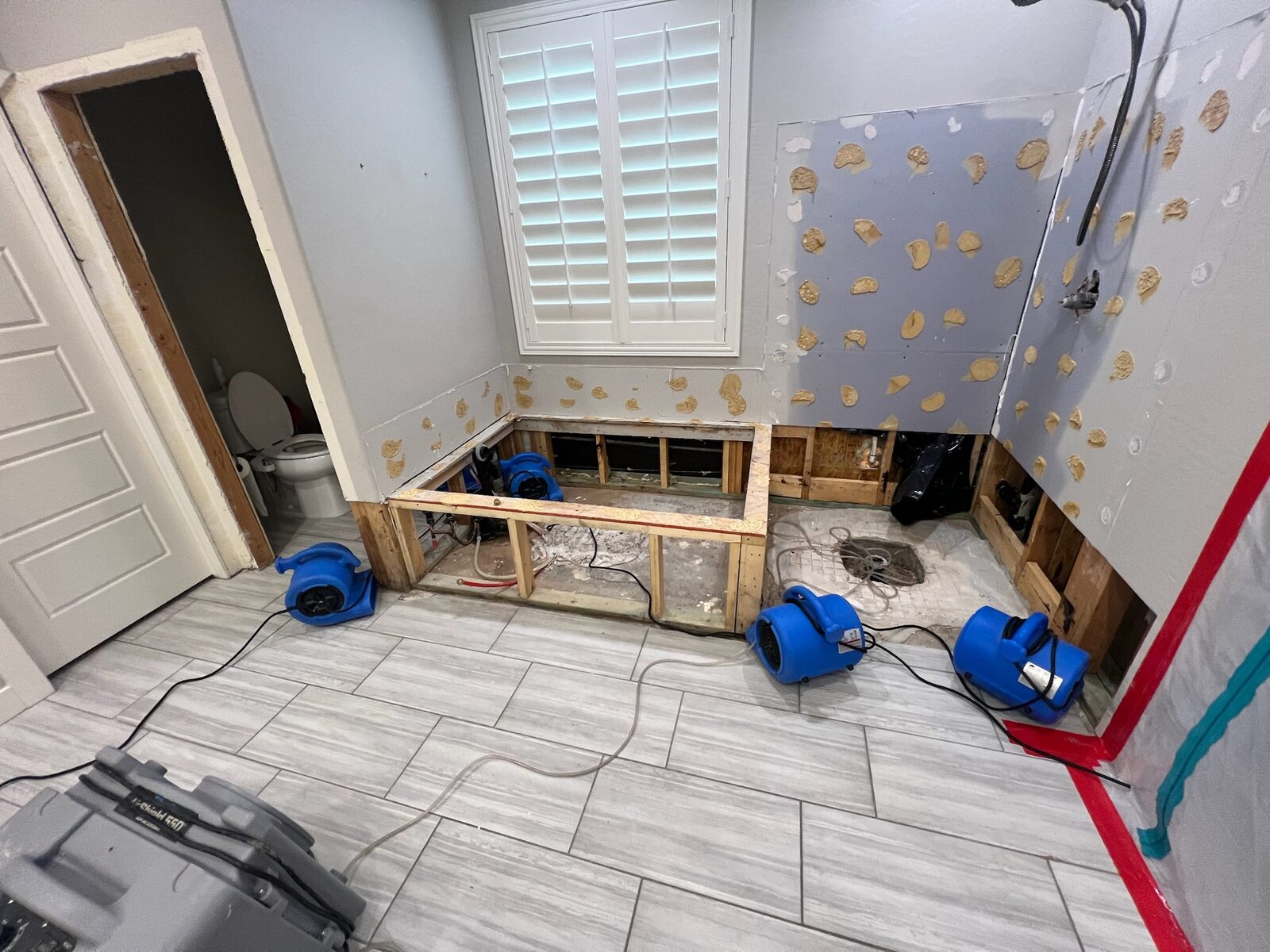
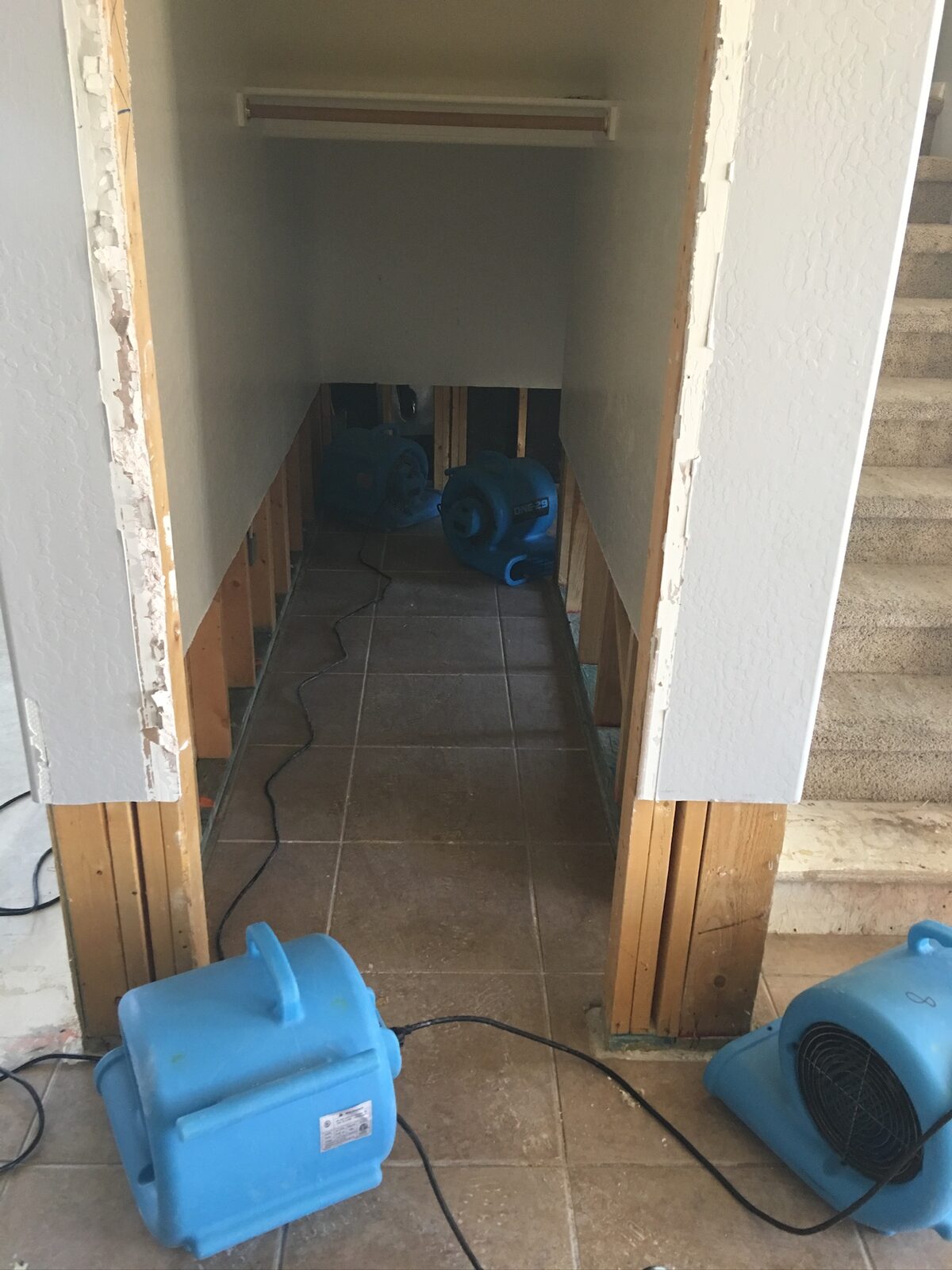
Residential reconstruction work by members of our team. See the full gallery →
More from Gold Water Fire
Abrasive Cleaning Methods for Soot on Framing and Masonry
A look at how abrasive cleaning methods remove soot from wood framing and masonry after a fire, and when each method fits the material.
AC Condensate Line Clogs & the Water Damage They Cause in Phoenix Homes
Why Phoenix AC condensate lines clog every summer, what the water damage looks like, and how to find the source before the ceiling stain spreads again.
Actual Cash Value vs Replacement Cost: Why Your Check Might Not Match the Repair Bill
Confused why your insurance check seems short after fire or water damage? Learn the difference between actual cash value and replacement cost coverage.
If something in your house has felt wrong for a while
You do not have to have it figured out before you call. Describe what you are noticing, the warm floor, the bill, the smell you cannot place, and we will talk through what it might be and what checking it would involve. Gold Water Fire, (480) 999-3339, Help@goldwaterfire.com.
Call (480) 999-3339Water Damage Restoration · Reconstruction & Rebuild · Fire Damage Restoration · About Gold Water Fire · Contact