
Why Wet Insulation Is Replaced Rather Than Dried
You just found out that the insulation behind your drywall or up in your attic got wet, and now someone is telling you it has to come out, not dry out. It's a frustrating thing to hear, especially if the water event felt minor or if the insulation looks fine from where you're standing. You're not wrong to question it. Ripping out material that seems salvageable feels wasteful, and it's fair to want a clear reason before you agree to it.
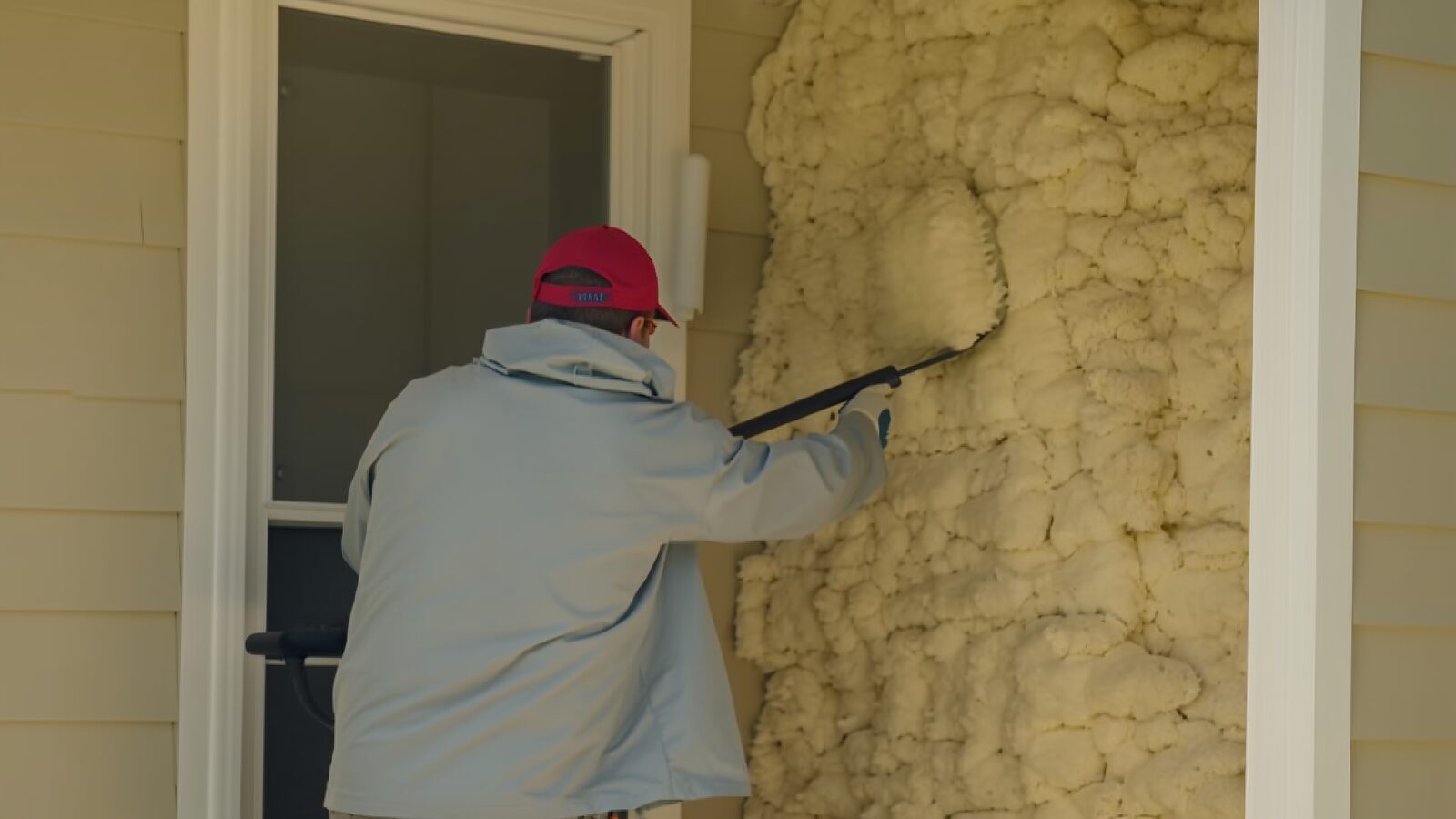
Why Wet Insulation Is Replaced Rather Than Dried
What actually happens when insulation gets wet
Insulation is designed to trap air, and that same structure that makes it a good thermal barrier makes it terrible at releasing water once it's soaked in. Fiberglass batts hold water in the tiny gaps between fibers. Blown-in cellulose absorbs water directly into the material itself, the way a sponge or a piece of paper does, and it can compact, sag, or mat down as it dries, losing the loft that gave it insulating value in the first place. Even if a fan or dehumidifier pulls moisture off the surface, water trapped deep in the material often stays put far longer than anyone can see or test for from outside.
Why drying in place usually doesn't work
Air movers and dehumidifiers are effective on hard, exposed surfaces like drywall, concrete, and wood framing because air can reach all sides of the material. Insulation is different: it's dense, it's often hidden inside a wall cavity or under attic decking, and it doesn't conduct heat or moisture in a predictable way. Drying equipment can dry the surface of a wet batt while water sits deeper inside, undetected. Without pulling it out or opening the cavity fully, there's no reliable way to confirm the middle of the material is actually dry, not just the part facing the airflow.
The mold and odor risk hiding inside
Wet insulation sitting inside a closed wall cavity or attic space creates exactly the conditions mold needs: organic material, trapped moisture, and no airflow. Cellulose insulation is literally made from treated paper, which mold can use as a food source once it's damp for more than a day or two. Fiberglass doesn't feed mold the same way, but mold can still grow on dust and residue trapped in the fibers, and either type can trap a musty smell that lingers in a home long after the surfaces around it look dry. Once mold takes hold inside a wall cavity, it's a much bigger job to find and remove than it would have been to replace the insulation early.
When replacement is the standard call
As a general rule, insulation that has been saturated with water, especially from a slow leak, a sewage backup, or a flood, is treated as a total loss rather than something to dry and reuse. This is standard practice across the restoration industry, not just a preference. Insulation is inexpensive relative to the risk of leaving compromised material inside a wall or attic where nobody will see it again until there's a problem. The general exception is minor surface dampness caught within hours, on materials that haven't lost their shape or structure, where a contractor may judge that drying is reasonable. That determination depends on the specific material, how long it was wet, and what it was exposed to.
Questions people ask us
Can wet fiberglass insulation be dried out and reused?
In most cases, no. Even though fiberglass itself doesn't rot, it holds onto trapped moisture between its fibers longer than surface drying can reach, and it collects dust and debris that mold can grow on once damp. Most restoration guidance treats saturated fiberglass batts as replacement items rather than dryable ones.
Does all wet insulation need to be thrown out?
Not necessarily. Minor dampness from something like brief humidity exposure, caught quickly, on insulation that hasn't lost its shape, is sometimes judged salvageable. Saturation from standing water, a burst pipe, or contaminated water is a different situation and is generally treated as a full replacement.
How do I know if insulation in my attic or walls got wet?
Signs include sagging or discolored drywall, a musty smell, visible water stains on ceilings, or insulation that looks matted, darkened, or compressed where you can see it in an attic. Because insulation is often hidden, water can be trapped without any visible sign from inside the living space.
Is wet insulation a health risk if it's left in place?
Wet insulation left inside a closed cavity creates conditions where mold can grow, and mold spores and musty odors can circulate through a home's air over time. The specific health impact depends on the situation, but leaving known wet insulation unaddressed is generally not recommended.
The standard our team works to
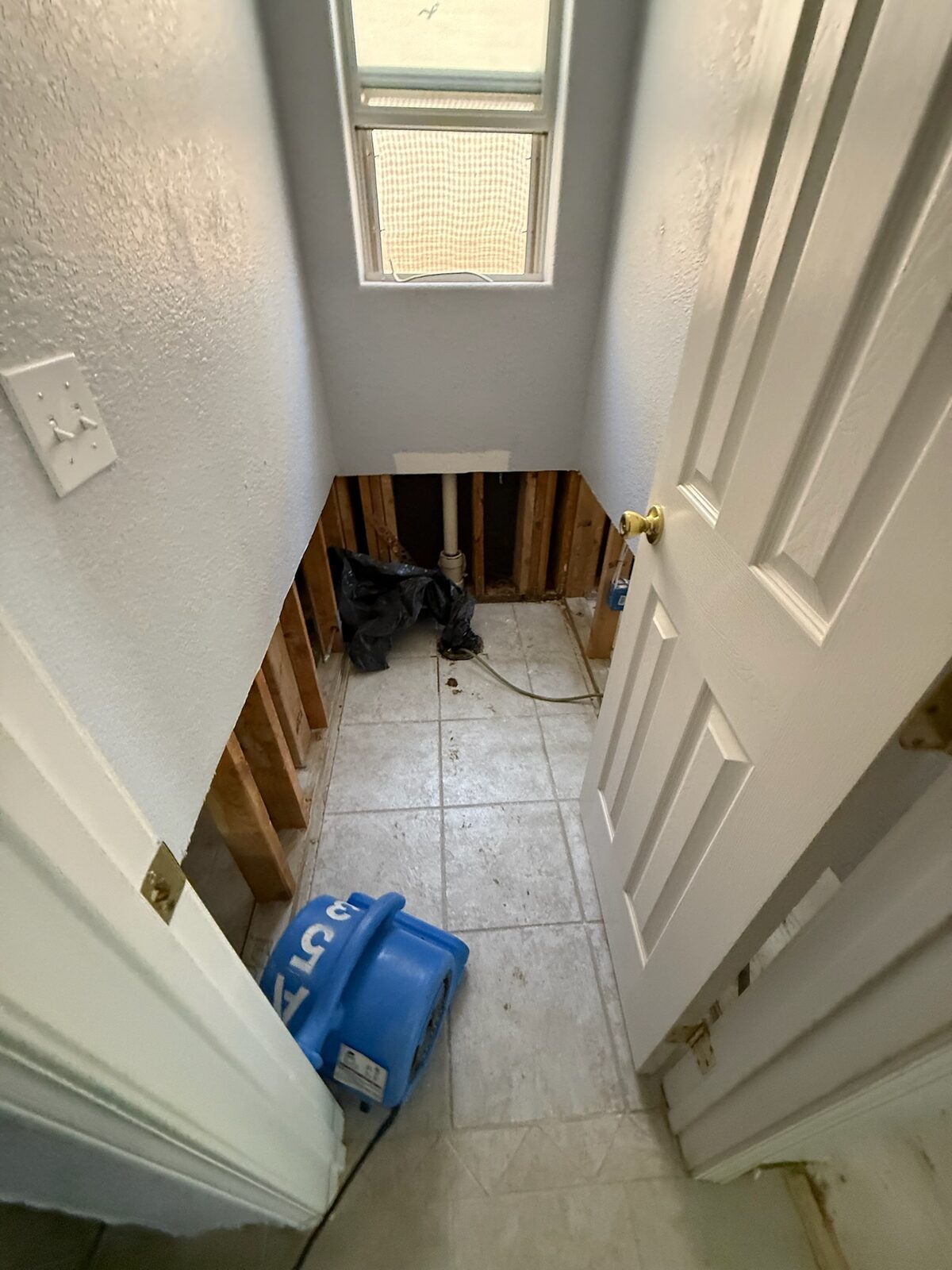
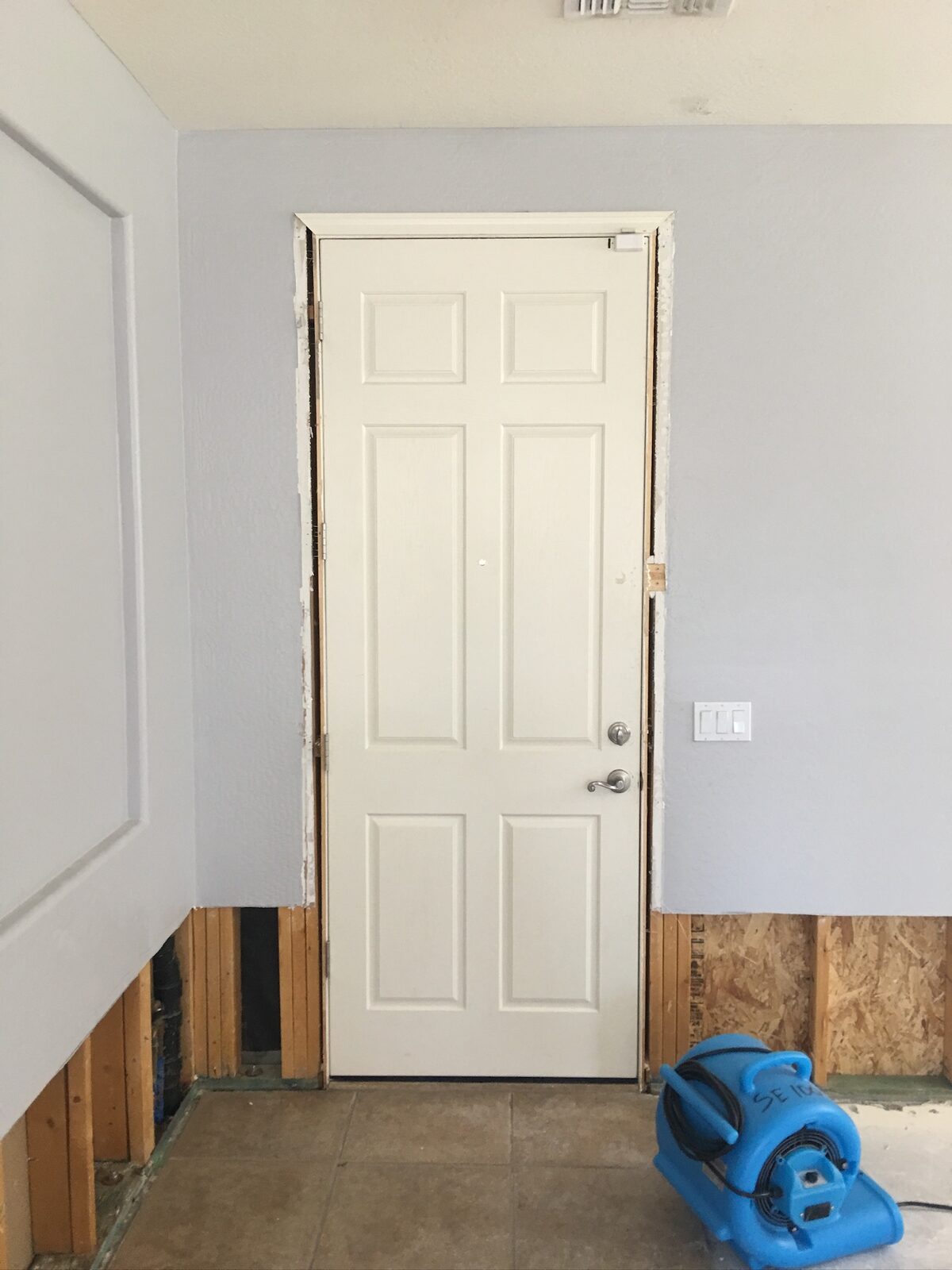
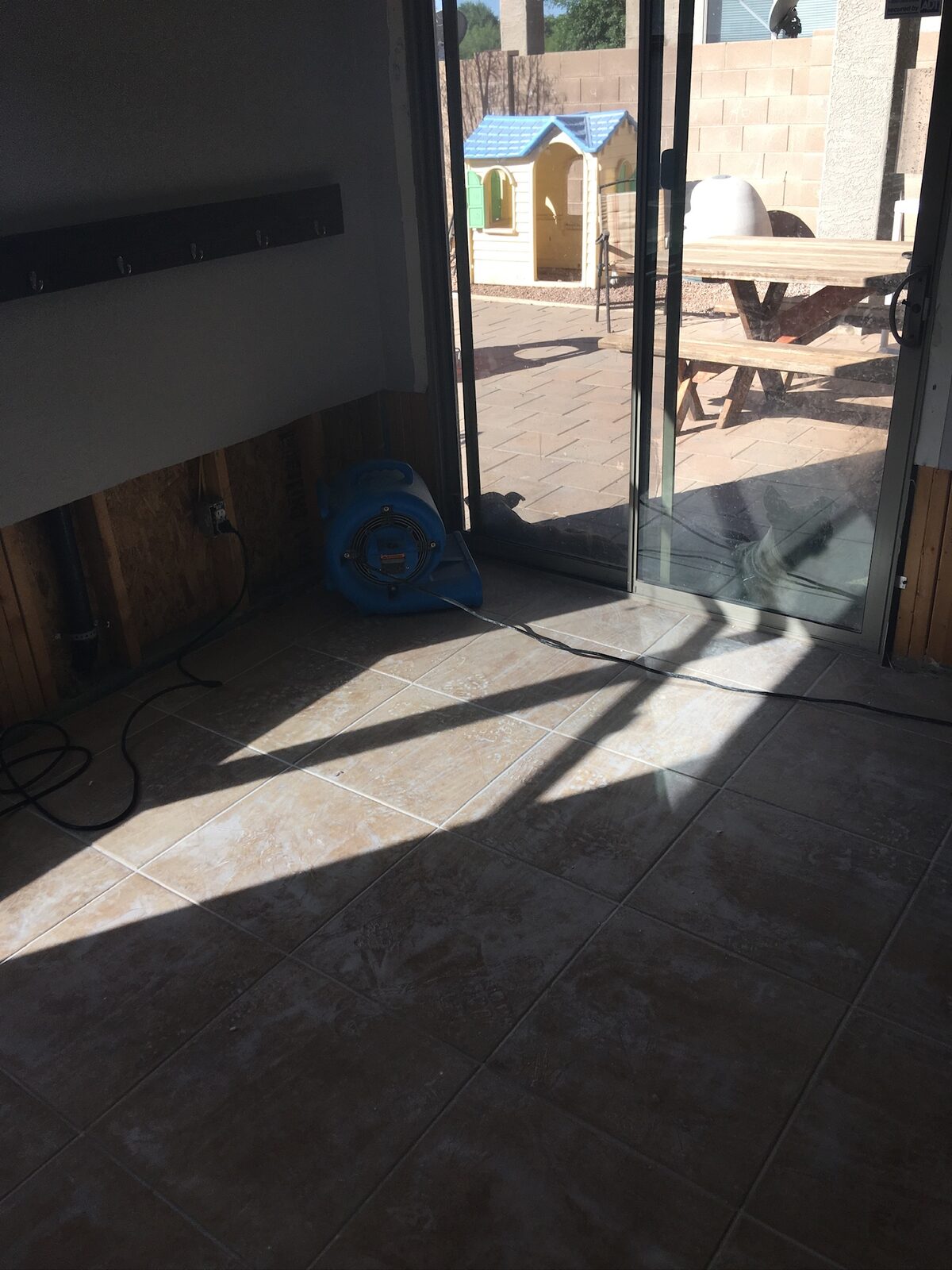
Residential reconstruction work by members of our team. See the full gallery →
More from Gold Water Fire
Abrasive Cleaning Methods for Soot on Framing and Masonry
A look at how abrasive cleaning methods remove soot from wood framing and masonry after a fire, and when each method fits the material.
AC Condensate Line Clogs & the Water Damage They Cause in Phoenix Homes
Why Phoenix AC condensate lines clog every summer, what the water damage looks like, and how to find the source before the ceiling stain spreads again.
Actual Cash Value vs Replacement Cost: Why Your Check Might Not Match the Repair Bill
Confused why your insurance check seems short after fire or water damage? Learn the difference between actual cash value and replacement cost coverage.
Not sure if your insulation needs to come out?
If you're dealing with wet insulation anywhere in your Phoenix-area home, from Peoria to San Tan Valley and everywhere between, Gold Water Fire can take a look and walk you through what's actually happening behind the wall or in the attic. Call (480) 999-3339 or reach out through our contact page.
Call (480) 999-3339Water Damage Restoration · Reconstruction & Rebuild · Contact Gold Water Fire