
Casitas and Guest Houses: Why Detached Spaces Flood Quietly
If you found water in your casita or guest house and you're not sure how long it's been there, that unsettled feeling makes sense. These spaces sit apart from the rhythm of daily life in the main house. Nobody showers there every morning, nobody's walking past that back bedroom checking for a musty smell, and a slow leak can go on for a long time before anything looks wrong on the surface. Trying to piece together when it started, and how bad it's gotten underneath, is its own kind of stress.
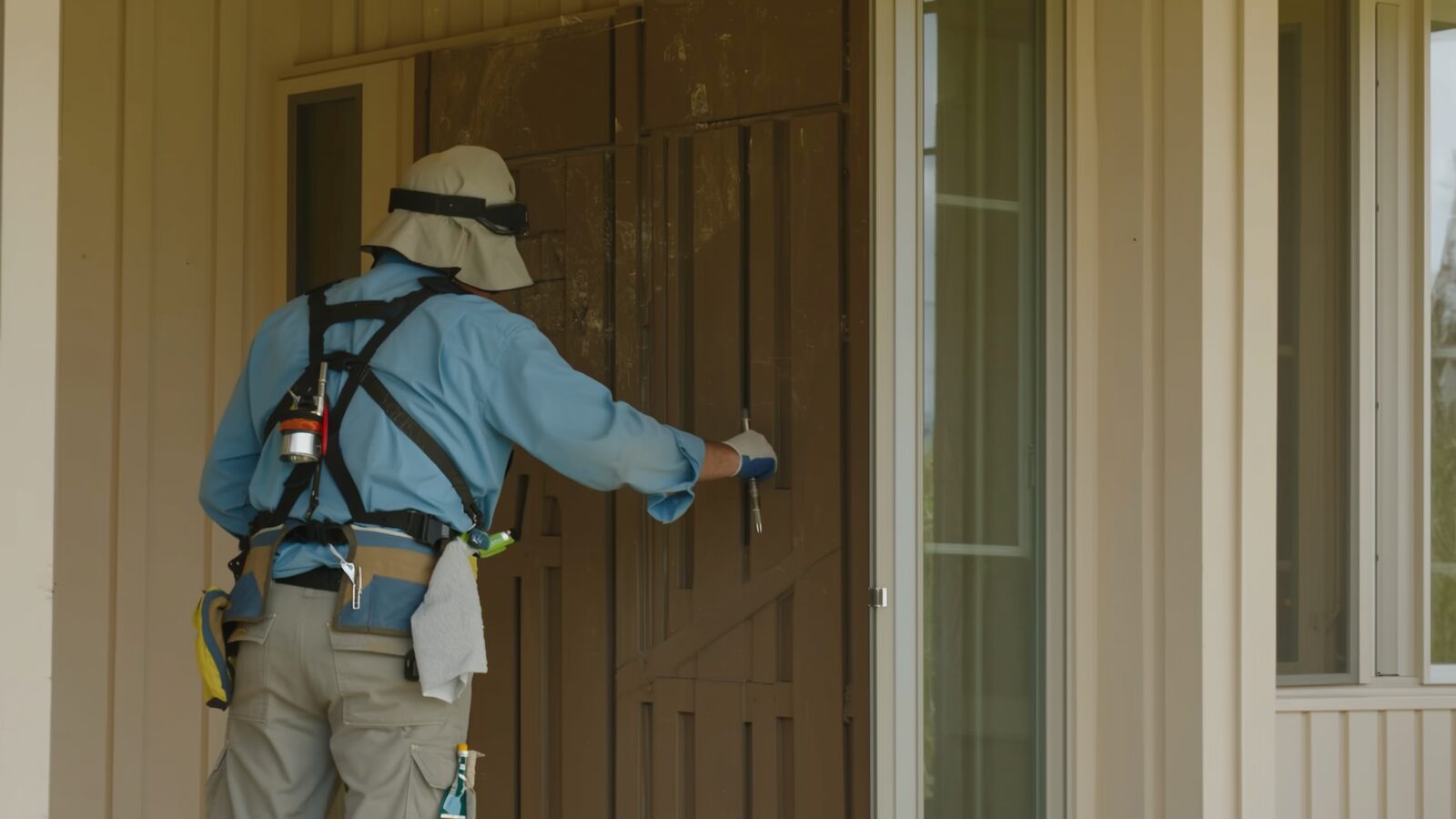
Casitas and Guest Houses: Why Detached Spaces Flood Quietly
Why detached structures hide water problems longer
A casita or guest house usually isn't on the same daily inspection schedule as the primary residence. You walk through your kitchen, bathrooms, and laundry room every day almost without thinking, and that repetition means you'd likely notice a puddle, a stain, or a smell within a day or two. Detached spaces don't get that traffic. If the casita is used for guests a few times a year, or rented out, or just used for storage, weeks can pass between visits. A slow supply line leak under a sink, a failing water heater in a utility closet, or a roof flashing issue around a detached unit's flat roof section can all progress quietly during that gap.
Common sources specific to casitas and guest houses
These structures often have their own plumbing runs that branch off the main line and travel a longer distance underground before reaching the unit, which means more buried pipe exposed to soil movement and root intrusion. Many guest houses also have their own mini-split or window AC unit rather than being tied into the home's central system, and condensate lines on these units clog easily and drain right onto flooring or into wall cavities. If the casita has a small kitchenette or wet bar, that's another supply line and drain connection, often installed after the original build, sometimes without the same care as the main house plumbing.
What to check when you suspect a slow leak
Start at the water heater if there is one dedicated to the unit, since these are frequently older units placed in a tucked-away closet and forgotten. Check under any sink for warped cabinet flooring or a faint mineral smell. Look at baseboards for discoloration or separation from the wall, which often shows up before visible mold does. If the unit has a mini-split, check beneath the indoor head for water staining on the wall or ceiling below it. Outside, look at the ground near the foundation for areas that stay damp longer than the surrounding soil after a watering cycle, which can point to a slab leak or an irrigation line running too close to the structure.
Why the damage is often worse than it looks
Because nobody's been in the space daily, a leak that's been running for weeks has had time to soak into subfloor, wick up into drywall, and settle into whatever is stored against the walls. Detached units in the Phoenix area often have a different foundation type or slab age than the main house, and moisture trapped under flooring in our climate doesn't evaporate the way people expect, especially in a room that isn't run with the AC on regularly. What looks like a small stain on the surface can mean saturated subfloor and framing that's been wet far longer than the visible sign suggests.
When it's time to get it assessed
If you've found standing water, a persistent damp smell, soft or spongy flooring, or staining that keeps returning after you clean it, the underlying moisture needs to be found and dealt with, not just the surface symptom. Water damage restoration starts with locating the actual source and measuring how far the moisture has traveled into the structure, which in a detached unit can mean checking areas you wouldn't think to look at in a main house. If the water damage has already compromised flooring, framing, or drywall, that assessment connects directly to what reconstruction and rebuild work would involve to bring the space back.
Questions people ask us
How would I know if my casita has a slow leak if I don't use it often?
Look for warning signs on your occasional visits: a musty or mineral smell, discoloration on baseboards or walls, cabinet flooring that feels soft underfoot, or unusually damp ground outside near the foundation. Setting a reminder to check the space monthly, even briefly, catches problems much earlier than an occasional glance.
Are guest house plumbing systems really more vulnerable than the main house?
Often, yes, because the supply and drain lines typically run a longer underground distance to reach a detached structure, and any kitchenette or wet bar plumbing added after original construction may not have been installed with the same standards as the main house.
Can a mini-split AC unit really cause water damage?
Yes. The condensate line that drains moisture away from a mini-split or window unit can clog with dust, algae, or debris over time, and once it backs up, water drains onto the floor or into the wall instead of outside, often for a long stretch before anyone notices.
Does a slow leak in a casita affect the main house too?
It can, especially if the structures share a foundation, a wall, or utility connections. Even fully detached casitas can affect the main property's value and insurance situation if the damage spreads to framing or causes mold growth that isn't addressed.
The standard our team works to
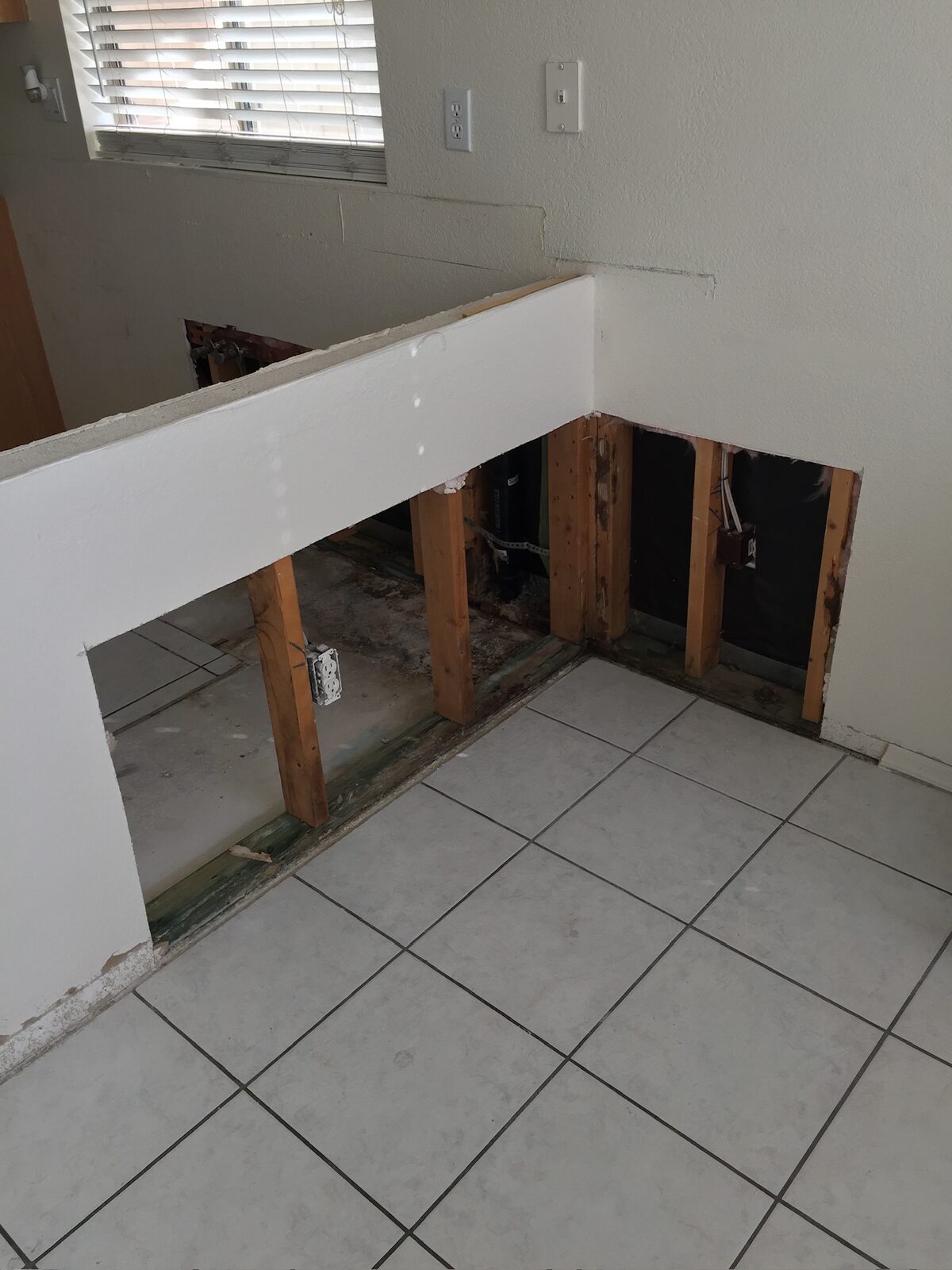
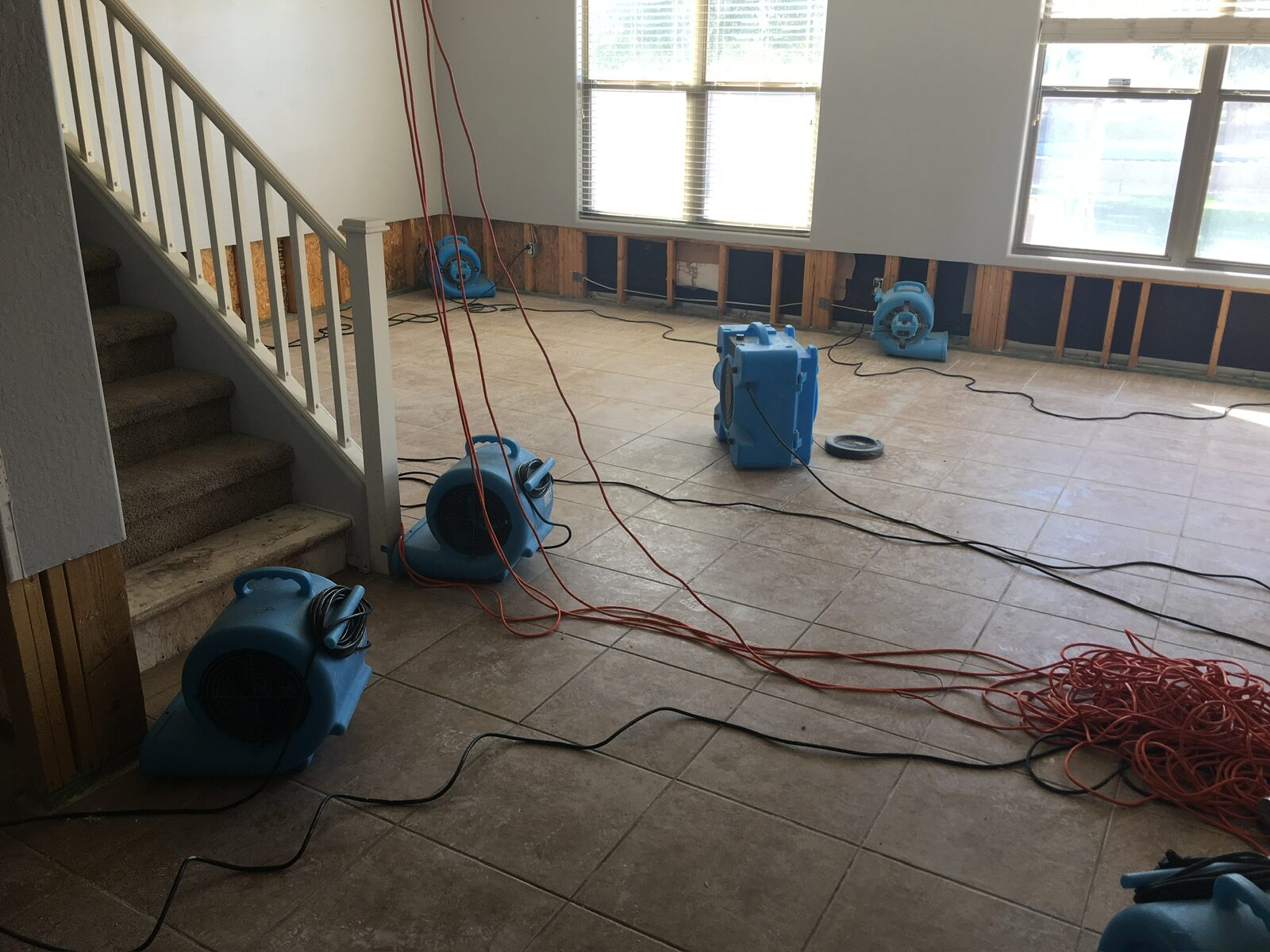
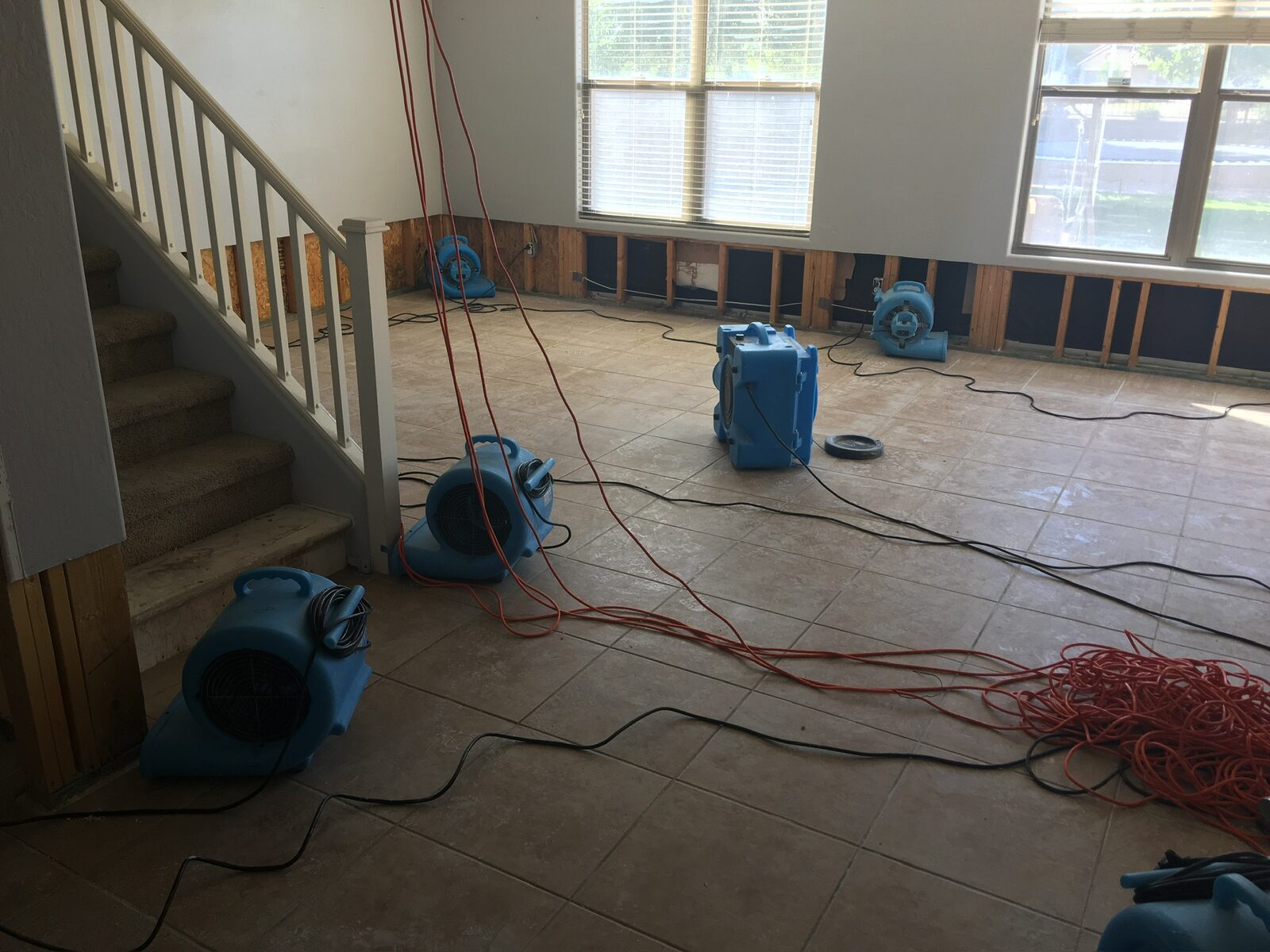
Residential reconstruction work by members of our team. See the full gallery →
More from Gold Water Fire
Abrasive Cleaning Methods for Soot on Framing and Masonry
A look at how abrasive cleaning methods remove soot from wood framing and masonry after a fire, and when each method fits the material.
AC Condensate Line Clogs & the Water Damage They Cause in Phoenix Homes
Why Phoenix AC condensate lines clog every summer, what the water damage looks like, and how to find the source before the ceiling stain spreads again.
Actual Cash Value vs Replacement Cost: Why Your Check Might Not Match the Repair Bill
Confused why your insurance check seems short after fire or water damage? Learn the difference between actual cash value and replacement cost coverage.
Not sure what's happening under the surface of your casita?
Gold Water Fire serves the greater Phoenix area, from Peoria and Avondale down through San Tan Valley and out past Apache Junction. Call (480) 999-3339 or reach out through the <a href="/contact.html">contact page</a> to get eyes on the problem.
Call (480) 999-3339