
Baseboard and Trim Replacement After a Water Loss
You've mopped up the water, maybe even dried out the carpet or pulled up damaged flooring, and now you're looking at the baseboards wondering if they're actually fine or just look fine. That uncertainty is common. Trim damage isn't always obvious right after a leak or flood, and it's frustrating to not know whether you're looking at a quick fix or something that's quietly warping behind the paint.
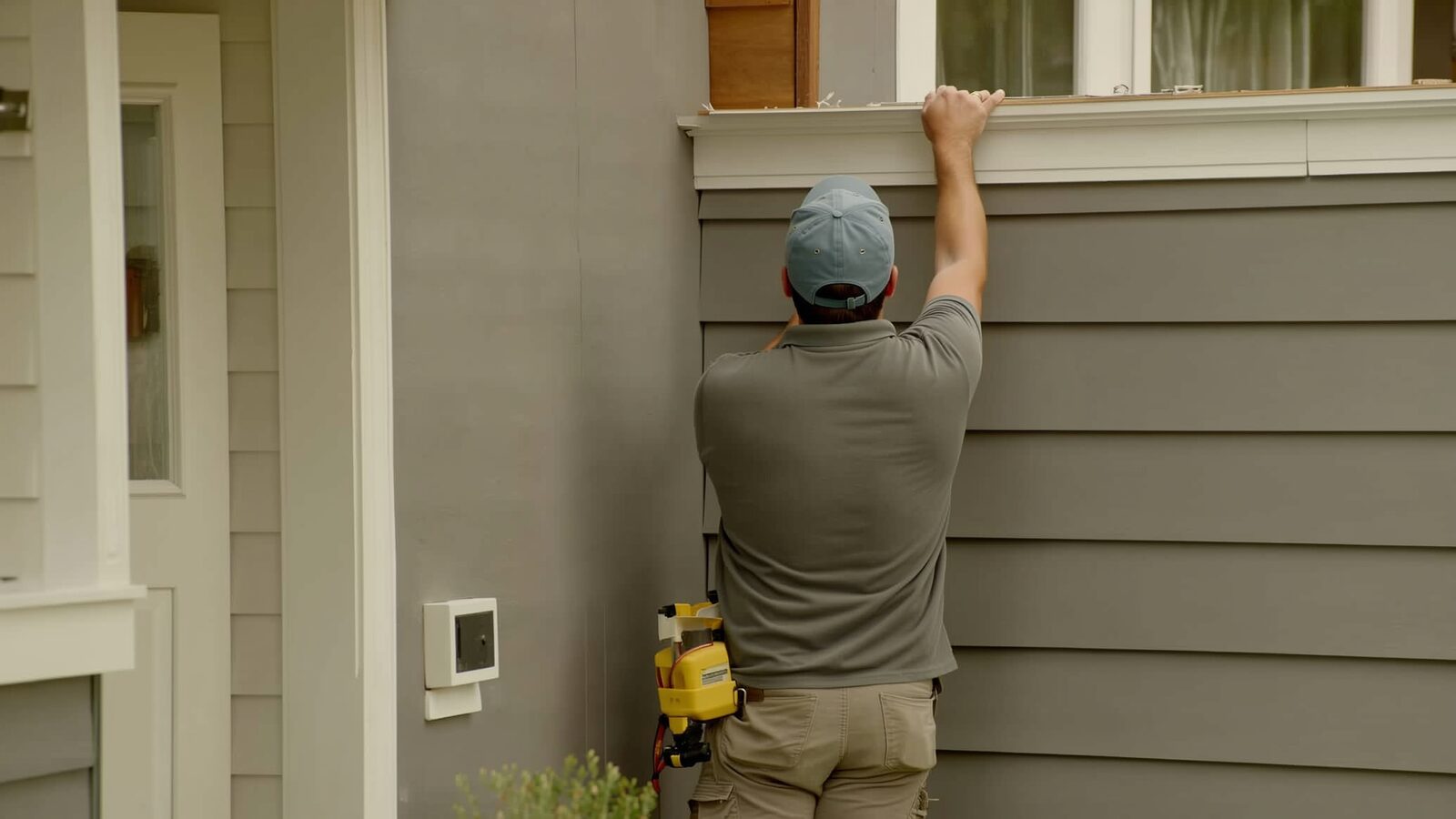
Baseboard and Trim Replacement After a Water Loss
Why baseboards take the hit first
Baseboards sit right where water pools. When a pipe leaks, a water heater fails, or floodwater enters a home, it moves along the floor and collects against the base of the wall before it goes anywhere else. Most baseboard and trim material, whether it's MDF, finger-jointed pine, or even some primed solid wood, is not built to handle standing moisture. MDF in particular swells, softens, and can crumble at the edges once it absorbs water, and that damage doesn't reverse once it happens.
Signs the trim needs to come out, not just dry out
A few things point to replacement rather than drying in place: visible swelling or a spongy feel when you press on the baseboard, paint that's bubbling or separating from the surface, a musty smell that lingers near the floor line, gaps opening up between the trim and the wall, or discoloration creeping up from the bottom edge. Solid wood trim has a better chance of surviving a brief exposure if it's caught early and dried properly, but composite and MDF trim rarely bounce back once they've taken on water.
What happens behind the baseboard matters more than the baseboard itself
Baseboards are usually the easy part. The bigger question is what's happening on the other side of that trim: drywall, insulation, and framing can be wicking up moisture even if the baseboard looks intact. That's why baseboard removal is often one of the first steps in a proper drying process, not the last. Pulling trim early gives access to check the wall cavity, place air movers or dehumidifiers where they're actually needed, and confirm the wall itself is drying before anything gets closed back up.
The general replacement process
Once a section of baseboard or trim is confirmed unsalvageable, the typical steps are: carefully remove the damaged pieces to avoid tearing the adjacent wall surface, inspect and address moisture in the wall cavity behind it, replace or repair any affected drywall, let everything reach a proper dry standard, then install new trim, caulk the seams, and paint or finish to match. Skipping the drying confirmation step and closing the wall back up too soon is one of the most common reasons trim problems or hidden mold issues resurface months later.
When it's more than just trim
If baseboards were damaged, it's worth checking whether the water reached further, into flooring, cabinetry, or lower sections of drywall. Trim damage is often a visible marker of a larger water event rather than an isolated problem. Understanding the full scope early tends to save time and money compared to addressing issues one piece at a time. You can read more about how standing water and moisture typically affect a home on our water damage restoration page, and about the rebuild side of things on our reconstruction and rebuild page.
Questions people ask us
Can baseboards be dried out and reused instead of replaced?
Solid wood trim sometimes survives brief water exposure if it's caught quickly and dried thoroughly, but MDF and most composite trim swell and soften in ways that don't reverse. A close inspection of the material and how long it sat in water is the best way to tell.
How do I know if the wall behind the baseboard is still wet?
You generally can't tell by looking at the wall surface alone. Moisture meters are used to check drywall and framing behind trim, which is one reason removing baseboards early in the drying process is common practice.
Does removing baseboards damage the wall?
It can if it's done carelessly, since caulk and paint often bond trim to the wall surface. Careful removal with the right tools generally keeps drywall repair minimal.
How long should drying happen before new trim goes in?
New trim shouldn't be installed until the wall cavity and any affected drywall have reached a proper dry standard, confirmed with a moisture meter rather than just a visual check or time estimate.
The standard our team works to
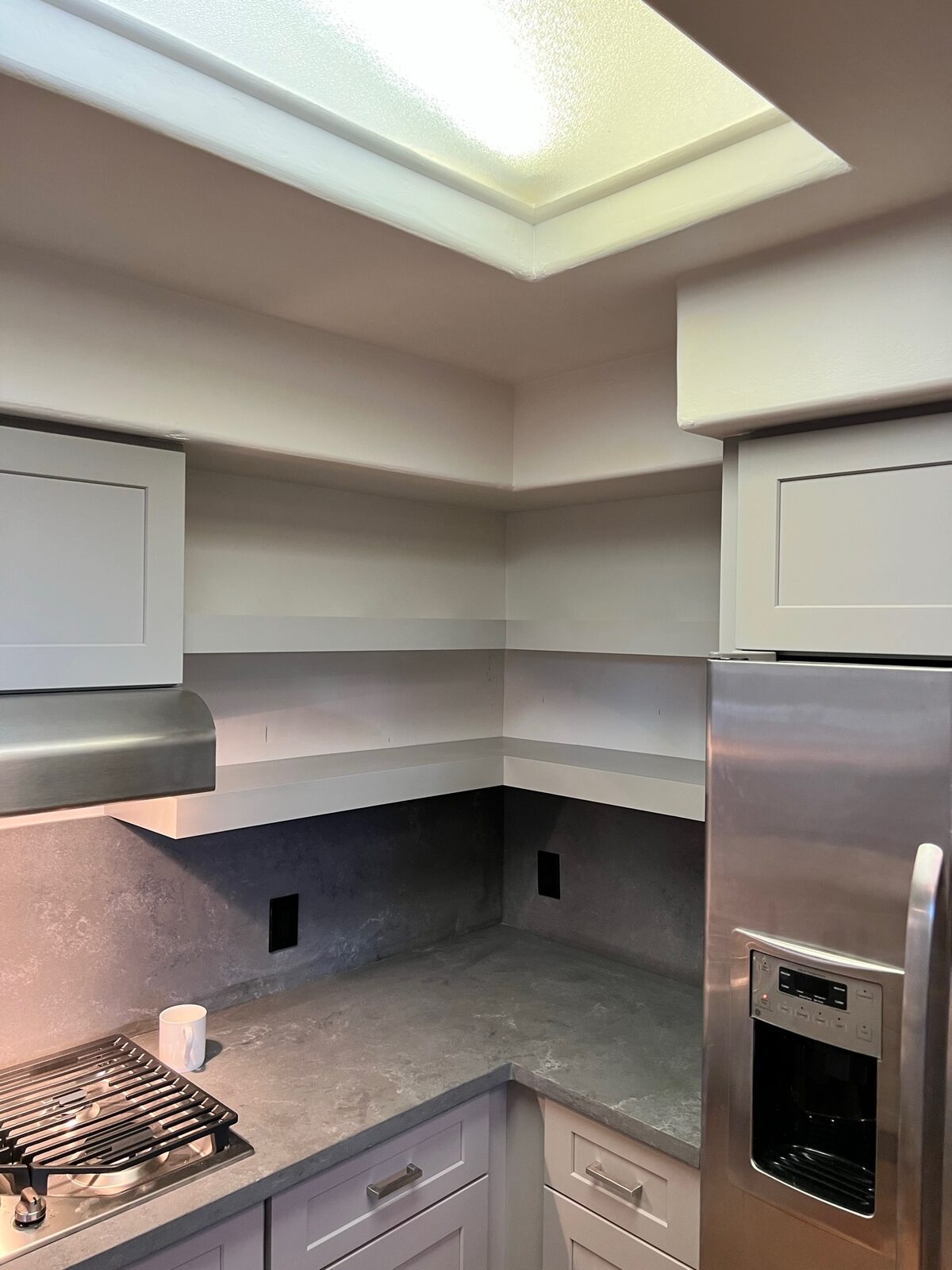
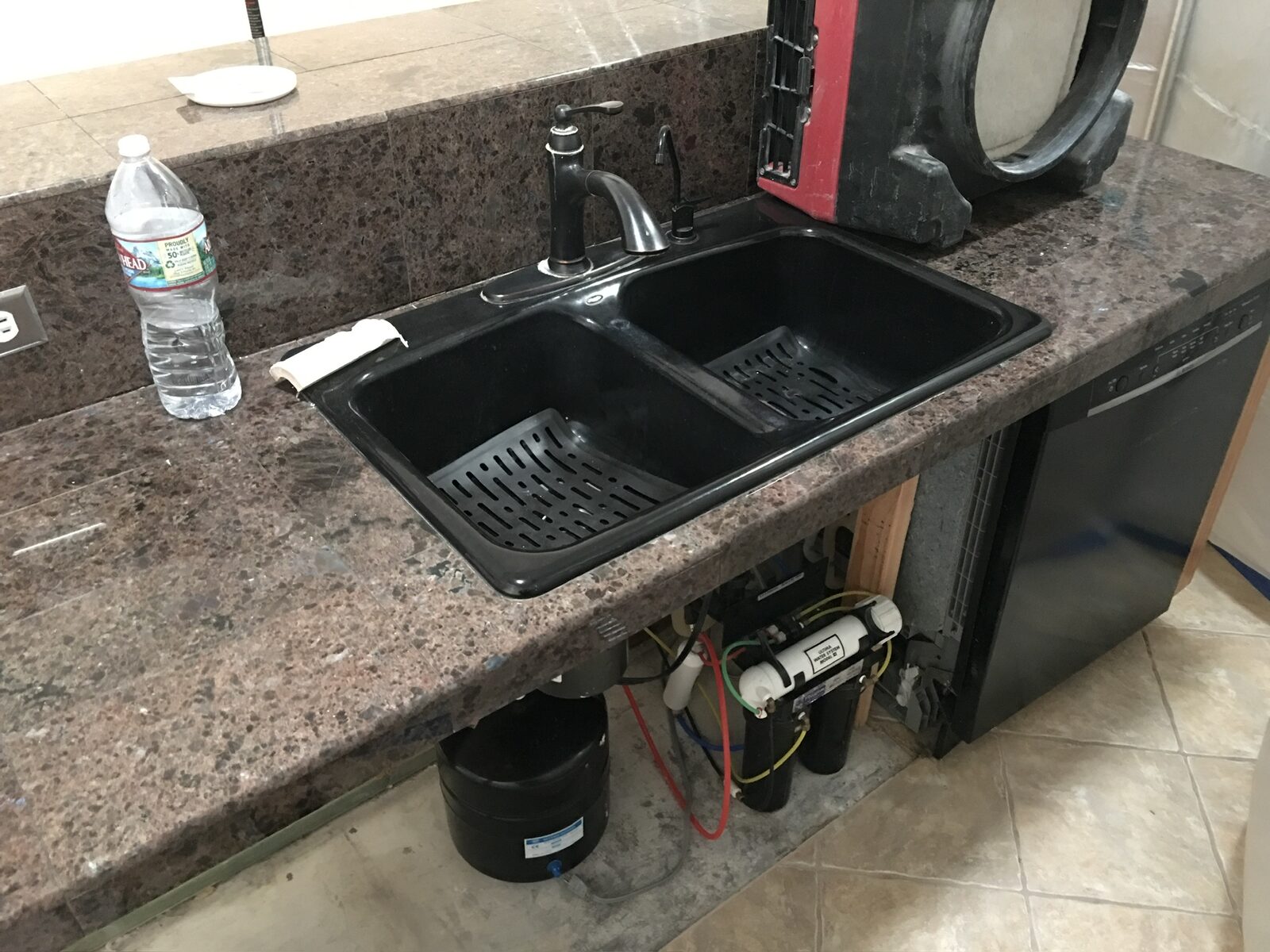
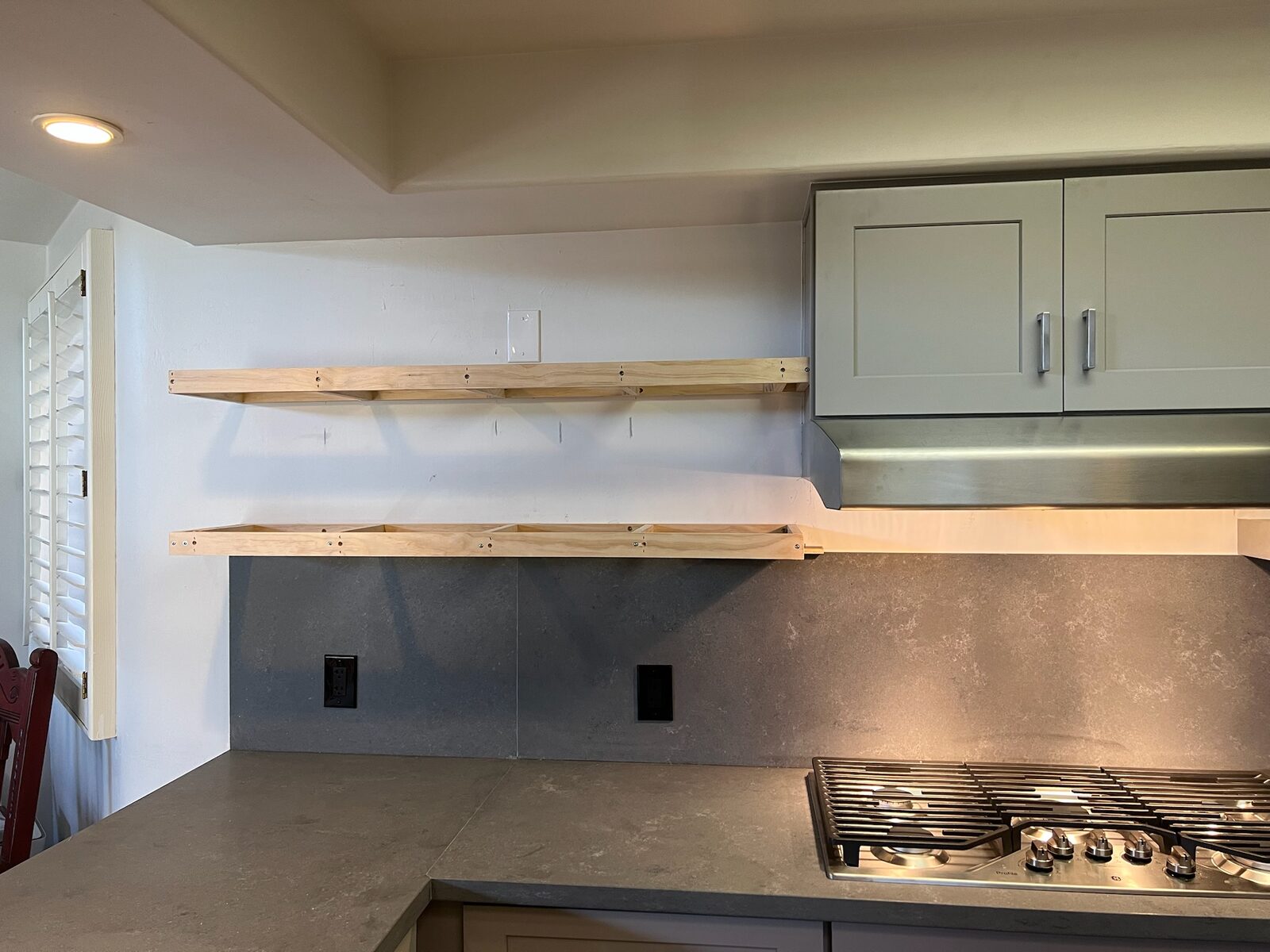
Residential reconstruction work by members of our team. See the full gallery →
More from Gold Water Fire
Abrasive Cleaning Methods for Soot on Framing and Masonry
A look at how abrasive cleaning methods remove soot from wood framing and masonry after a fire, and when each method fits the material.
AC Condensate Line Clogs & the Water Damage They Cause in Phoenix Homes
Why Phoenix AC condensate lines clog every summer, what the water damage looks like, and how to find the source before the ceiling stain spreads again.
Actual Cash Value vs Replacement Cost: Why Your Check Might Not Match the Repair Bill
Confused why your insurance check seems short after fire or water damage? Learn the difference between actual cash value and replacement cost coverage.
Not sure if your trim or walls are still holding moisture?
If you're dealing with water damage in a Phoenix-area home and want a clear read on what needs to come out versus what can stay, contact Gold Water Fire at (480) 999-3339 or Help@goldwaterfire.com.
Call (480) 999-3339Water Damage Restoration · Reconstruction and Rebuild · Contact Gold Water Fire