
Why Vacant Properties Suffer Worse Water Damage
If you own a property that sits empty for stretches of time, whether it's a rental between tenants, an inherited house, a vacation property, or a home you're trying to sell, you may have come back to find damage that seems out of proportion to how small the original problem must have been. A slow drip that turned into warped flooring across three rooms. A water heater that failed and soaked through a subfloor before anyone noticed. It can feel like the house turned against you the moment no one was watching, and there's a real reason that feeling isn't far off.
Why Vacant Properties Suffer Worse Water Damage
Time is the variable that changes everything
In an occupied home, a leaking supply line or a dripping water heater usually gets noticed within hours: a damp sound underfoot, a musty smell, a spike on the water bill someone actually checks. In a vacant property, that same leak can run for days or weeks with nothing to interrupt it. Water damage doesn't scale with the size of the leak alone, it scales with the size of the leak multiplied by how long it goes unaddressed. A pinhole leak in a supply line, left alone for two weeks, can move more water into a structure than a burst pipe that gets shut off in twenty minutes.
The small things nobody catches
Occupied homes get a constant stream of tiny checks that most people never think of as checks: someone notices the ice maker line feels warm, someone hears the toilet running longer than usual, someone smells something off near the water heater closet. None of that happens in a vacant property. Water can also travel much further before it's found, since there's no foot traffic to disturb standing water or track it into view, and no one adjusting furniture or rugs that might otherwise reveal a stain early.
No one to hear it
Running toilets, dripping supply lines, and failing water heaters usually announce themselves with sound. In an empty house, that sound goes unheard for as long as the property stays empty.
No one to smell it
Musty odor and the early smell of mildew are often the first sign of a hidden leak. Without anyone inside regularly, that early warning is lost entirely.
No climate control feedback
In an occupied home, humidity changes are often noticed through comfort. In a vacant one, HVAC may be off or set back, letting moisture and mold conditions build unchecked.
Standing water and mold don't wait for anyone
Once water is sitting on a floor or inside a wall cavity, the clock on secondary damage starts immediately. Wood flooring can begin cupping within a day or two of sustained moisture exposure. Drywall wicks water upward and can stay damp long after the surface looks dry. Mold growth generally becomes a realistic concern within roughly one to three days of materials staying wet, and a vacant property with no one adjusting airflow or temperature gives mold close to ideal conditions to spread quietly behind walls and under flooring before anyone opens the door again.
Where these leaks tend to start
Water heaters that fail after sitting idle, supply lines to unused ice makers or washing machines, irrigation or exterior spigots left on, monsoon-related roof leaks with no one to notice water intrusion, and slow slab leaks that go undetected without daily water use to make usage spikes obvious. In Arizona specifically, extreme heat can also accelerate the breakdown of aging supply lines and hose connections, and a property with the AC off or set high during summer months can see faster degradation of certain plumbing components than one kept at a steady occupied temperature.
If you manage a vacant or intermittently occupied property
None of this means a vacant property is doomed to damage, it means the margin for error is smaller and the timeline for discovery is the whole game. Regular walk-throughs, a working water sensor near major appliances, and knowing who to call the moment something looks wrong can be the difference between a contained repair and a full room reconstruction. If you're already looking at damage in a property that sat empty for a while, understanding what happened is the first step before deciding what needs to be done about it. You can read more about how water damage restoration works, or what's involved when damage has progressed to needing reconstruction and rebuild work.
Questions people ask us
How long can a leak run in a vacant property before someone notices?
There's no fixed answer, it depends entirely on how often the property is checked. Without regular walk-throughs or a water sensor, a leak can run for days or weeks, which is a large part of why damage in vacant properties tends to be more extensive than in occupied ones.
Does turning off the water heater or main water line prevent this?
Shutting off the main water supply when a property will sit vacant removes most of the risk from supply line and appliance failures. It won't prevent roof leaks or exterior plumbing issues, but it closes off one of the most common sources.
Is mold more likely in a vacant property even without a major leak?
Yes, reduced airflow and inconsistent climate control can allow humidity to build up even without a specific leak event, especially in Arizona's monsoon season or in properties with the HVAC turned off or set back for long stretches.
What should I do if I find water damage in a property that's been empty?
Shut off the water source if it's still active, avoid walking through standing water near electrical outlets, and get an assessment as soon as possible since the length of exposure directly affects how much needs to be repaired.
The standard our team works to
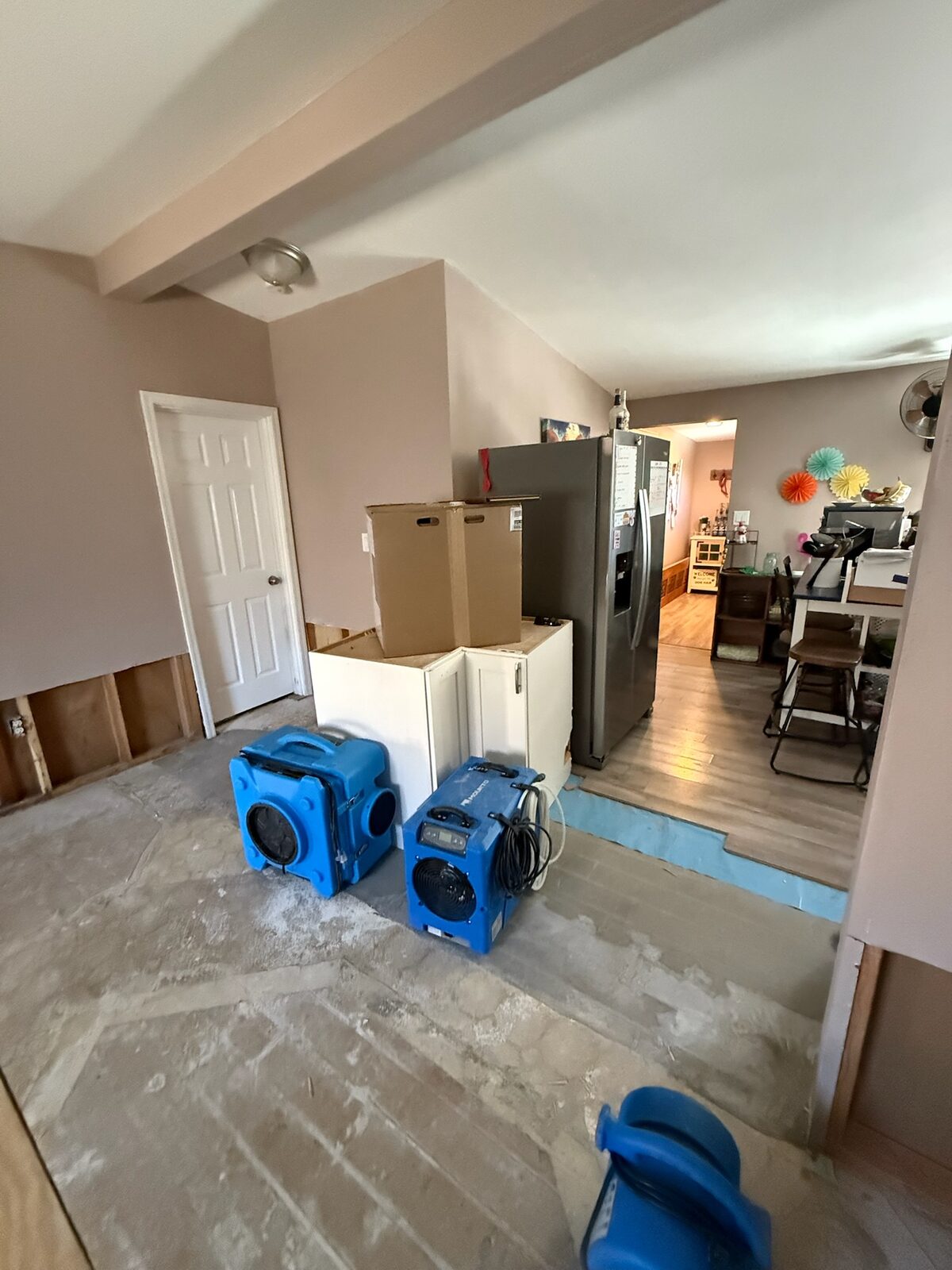
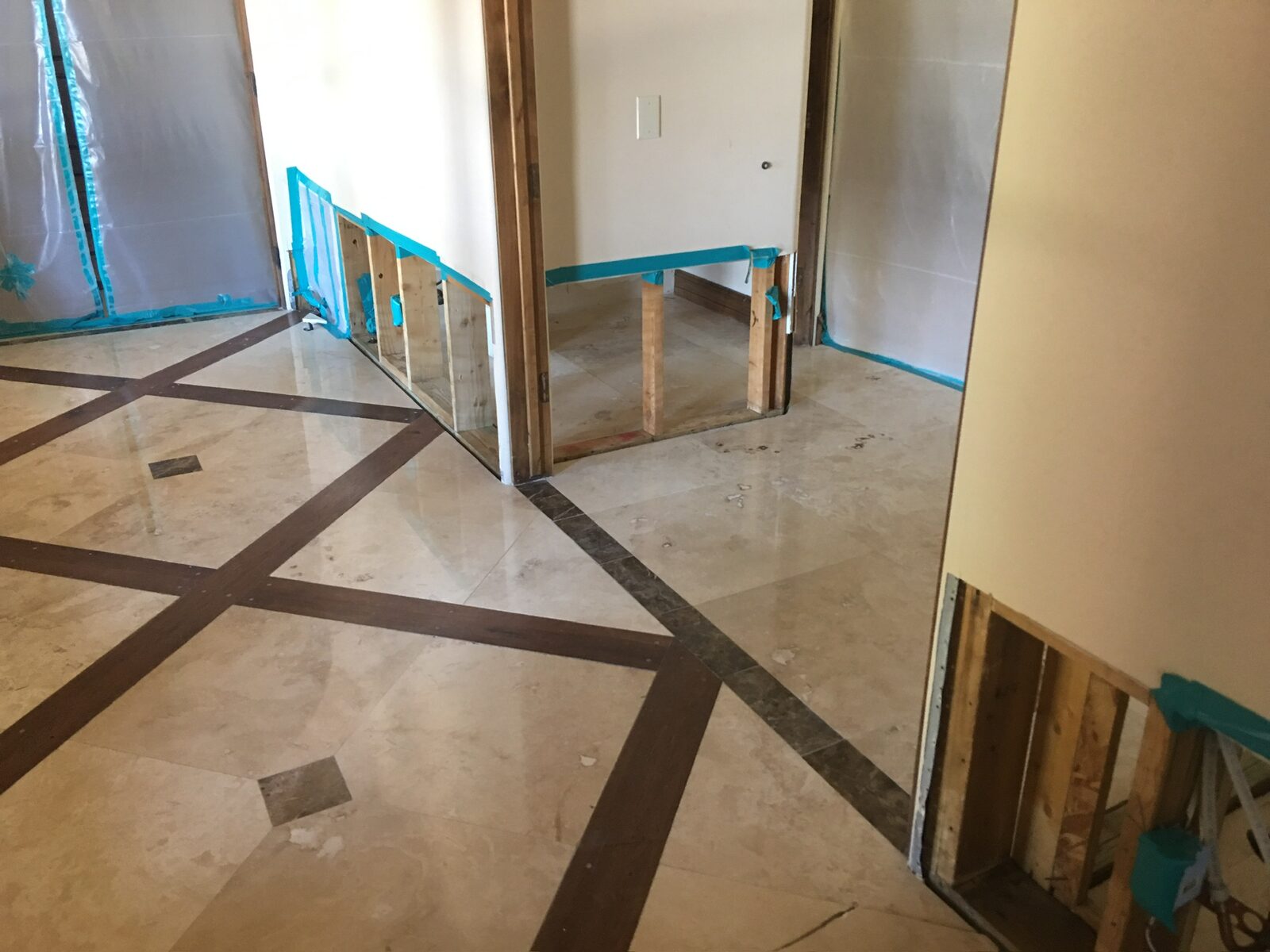
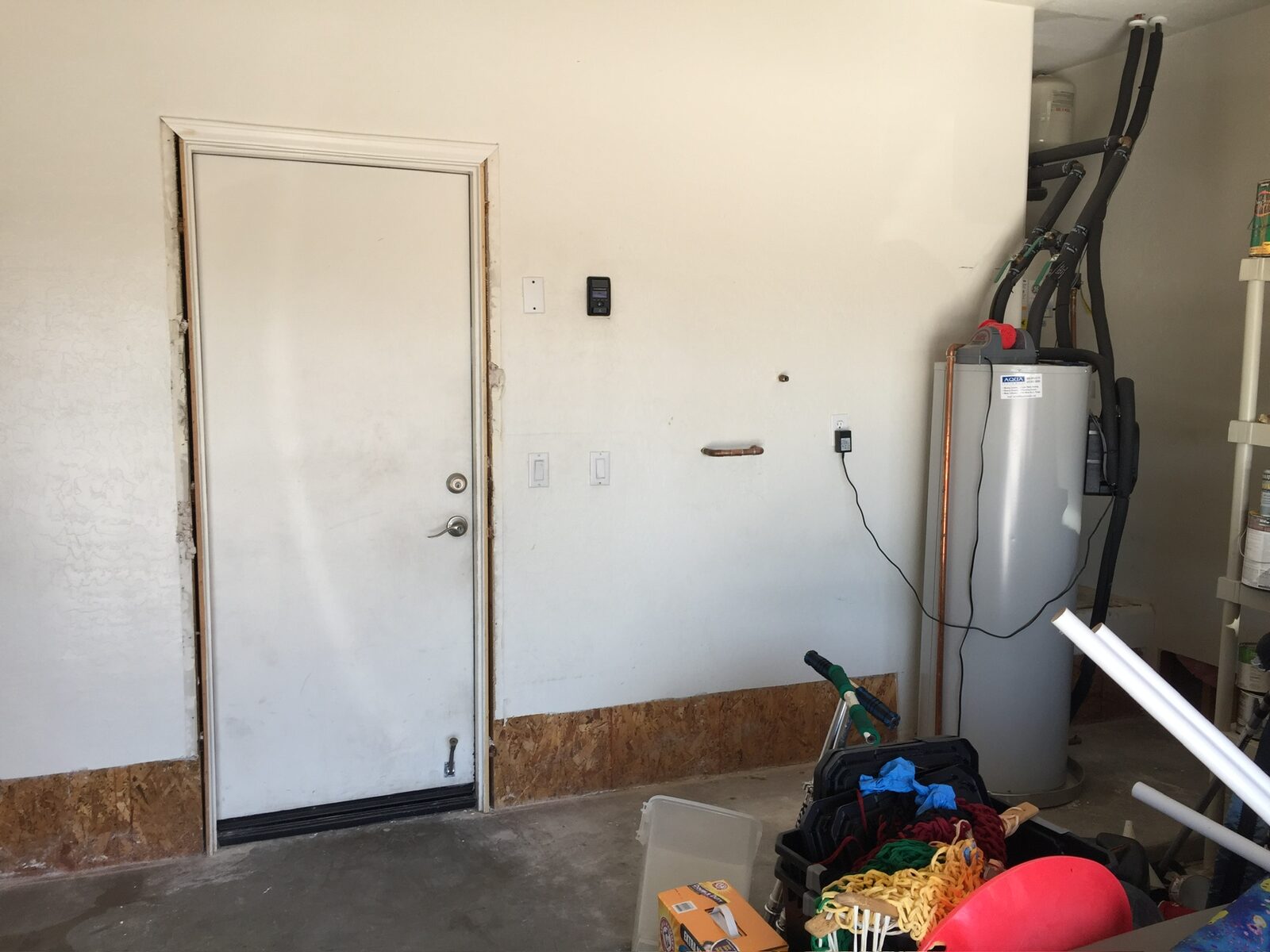
Residential reconstruction work by members of our team. See the full gallery →
More from Gold Water Fire
Abrasive Cleaning Methods for Soot on Framing and Masonry
A look at how abrasive cleaning methods remove soot from wood framing and masonry after a fire, and when each method fits the material.
AC Condensate Line Clogs & the Water Damage They Cause in Phoenix Homes
Why Phoenix AC condensate lines clog every summer, what the water damage looks like, and how to find the source before the ceiling stain spreads again.
Actual Cash Value vs Replacement Cost: Why Your Check Might Not Match the Repair Bill
Confused why your insurance check seems short after fire or water damage? Learn the difference between actual cash value and replacement cost coverage.
Found damage in a property that sat empty?
Gold Water Fire serves the Phoenix metro area, from Peoria to Avondale, San Tan Valley to Apache Junction, and everywhere between. Call (480) 999-3339 or reach out through our contact page to talk through what you're seeing.
Call (480) 999-3339