
Older Pipe Materials in Arizona Homes and What They Mean for Leak Risk
If you've had more than one slow leak or a sudden pipe failure in the last few years and you're starting to wonder if it's just bad luck, or something built into the house itself, you're asking the right question. Homes built in different decades across the Phoenix area were plumbed with different materials, and some of those materials were never meant to last as long as they have. The not-knowing is its own kind of stress, especially when you've already patched one spot and now water is showing up somewhere new.
Older Pipe Materials in Arizona Homes and What They Mean for Leak Risk
What's likely behind your walls, by decade
Plumbing materials in the Phoenix metro shifted over time, and knowing roughly when your house was built can tell you a lot. Homes from the 1950s through the early 1970s often used galvanized steel supply lines. Homes built from the late 1970s into the 1990s sometimes used polybutylene, a gray or blue plastic pipe that was popular for a while because it was cheap and fast to install. Copper has been common across many eras and is generally more durable, though it isn't immune to problems either. If you don't know what's in your home, a look at the exposed pipe under a sink, in the garage, or at the water heater connection can usually tell you the material at a glance.
Why galvanized pipe corrodes from the inside out
Galvanized steel pipe has a zinc coating over steel, and that coating wears down over decades of water contact. Once it's gone, the bare steel underneath starts to rust and corrode. The tricky part is that this happens on the inside of the pipe, so the exterior can look fine while the interior diameter is shrinking and the pipe wall is weakening. That's why galvanized plumbing often shows up first as low water pressure, then rusty or discolored water, and later as an actual pinhole leak or burst. Arizona's water is on the harder side, which can accelerate mineral buildup inside these pipes as well.
The plastic pipe that doesn't age well
Polybutylene pipe was marketed as an affordable, flexible alternative to copper, but it reacted poorly with chlorine and other oxidants commonly found in municipal water supplies. Over years of exposure, the material becomes brittle from the inside, and it can fail without much warning, often at fittings and connection points rather than along the straight run of pipe. Because the outside of the pipe can look intact right up until it fails, polybutylene is one of the harder materials to judge just by looking at it. If your home was built in the window when this material was common, it's worth having the fittings and any accessible runs checked.
How heat and soil conditions add to the wear
Pipe materials don't age in a vacuum. In the Phoenix area, extreme summer heat causes repeated expansion and contraction in exposed or slab-adjacent piping, which adds mechanical stress over time. Homes on slab foundations, common throughout the Valley, often have supply lines running through or under the concrete, so a slow leak there isn't always visible until it's shown up as a damp spot on flooring, a spike in the water bill, or a musty smell. Soil movement from our seasonal monsoon rains can also shift slab plumbing slightly over the years, adding stress to joints that were already aging.
Signs your pipe material may be catching up with you
A few patterns tend to show up regardless of which older material is involved: pressure that seems lower than it used to be, water that runs rusty or cloudy right after you turn a tap on, a persistent damp patch on a wall or floor with no obvious source, or more than one small leak in a short span of time. None of these guarantee a specific material is the cause, but together they're a reasonable signal that the plumbing itself, not just one fixture, deserves a closer look.
Questions people ask us
How can I find out what type of pipe is in my house?
Check any exposed plumbing, commonly under sinks, in the garage, in a crawlspace, or where the line enters the water heater. Galvanized steel is dull gray metal and often shows corrosion or rust streaking at joints. Copper is reddish-brown. Polybutylene is usually a solid gray or off-white plastic, sometimes with a printed line of text along its length noting the material.
Does an older pipe material mean I have a leak right now?
Not necessarily. Plenty of homes with galvanized or polybutylene pipe go a long time without an active leak. But these materials carry a higher long-term failure risk than more durable options, so unexplained pressure changes, discoloration, or repeated small leaks are worth taking seriously rather than dismissing as one-off events.
Is it the pipe material or something else causing my leaks?
It can be either, or both. Water pressure that's set too high, a water heater nearing the end of its life, or a single bad fitting can all cause leaks independent of the pipe material. If leaks keep recurring in different spots, though, the material itself is a reasonable thing to rule in or out.
What should I do if I suspect a slab leak from old plumbing?
Look for the common signs: a warm spot on the floor, a sudden increase in your water bill, the sound of running water when everything is off, or mildew smell in one area. If you notice these, it's worth having the situation assessed before the water spreads further into flooring or drywall. Our water damage restoration team can walk you through what we're seeing and what it means for the space.
The standard our team works to
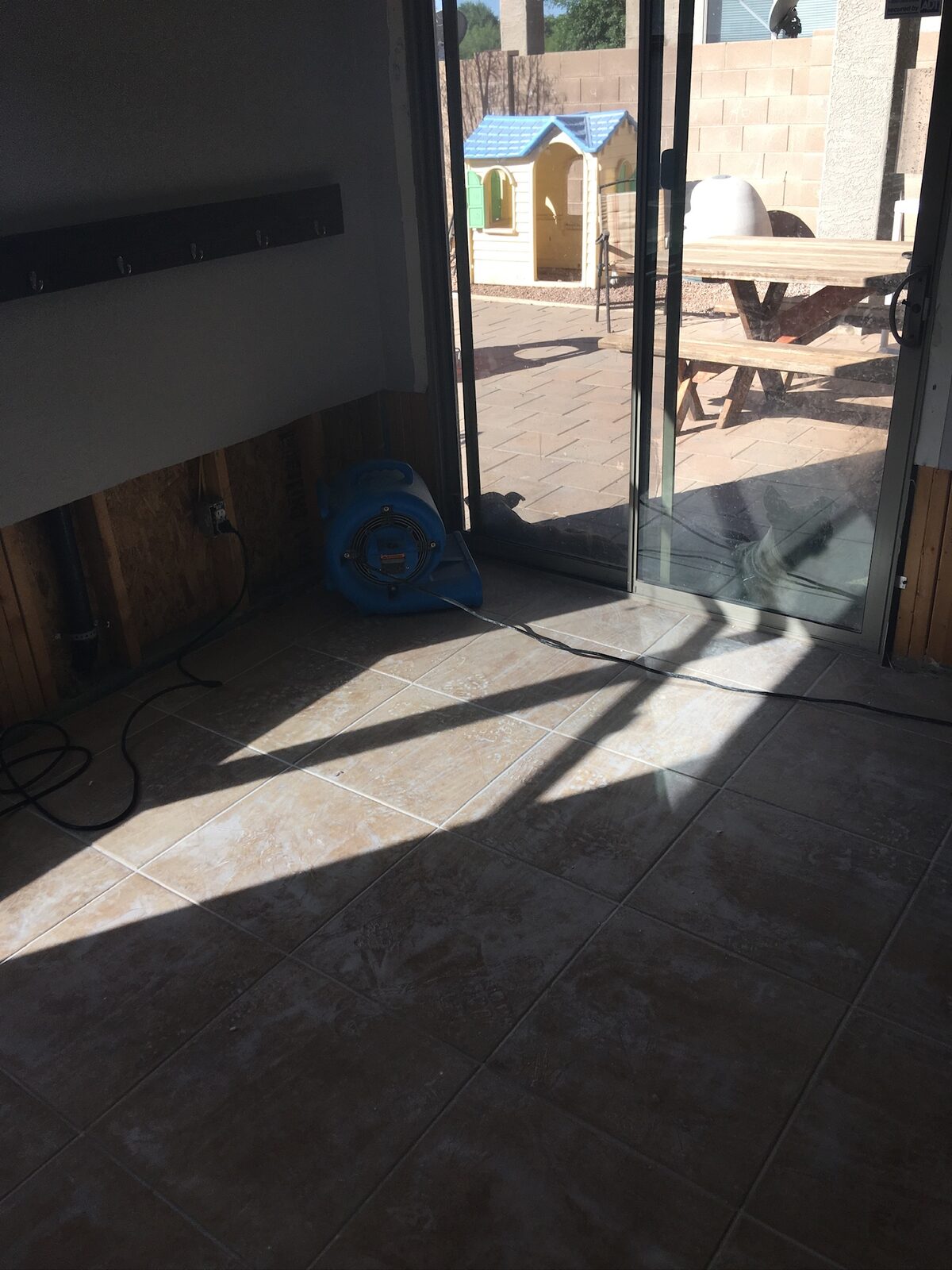
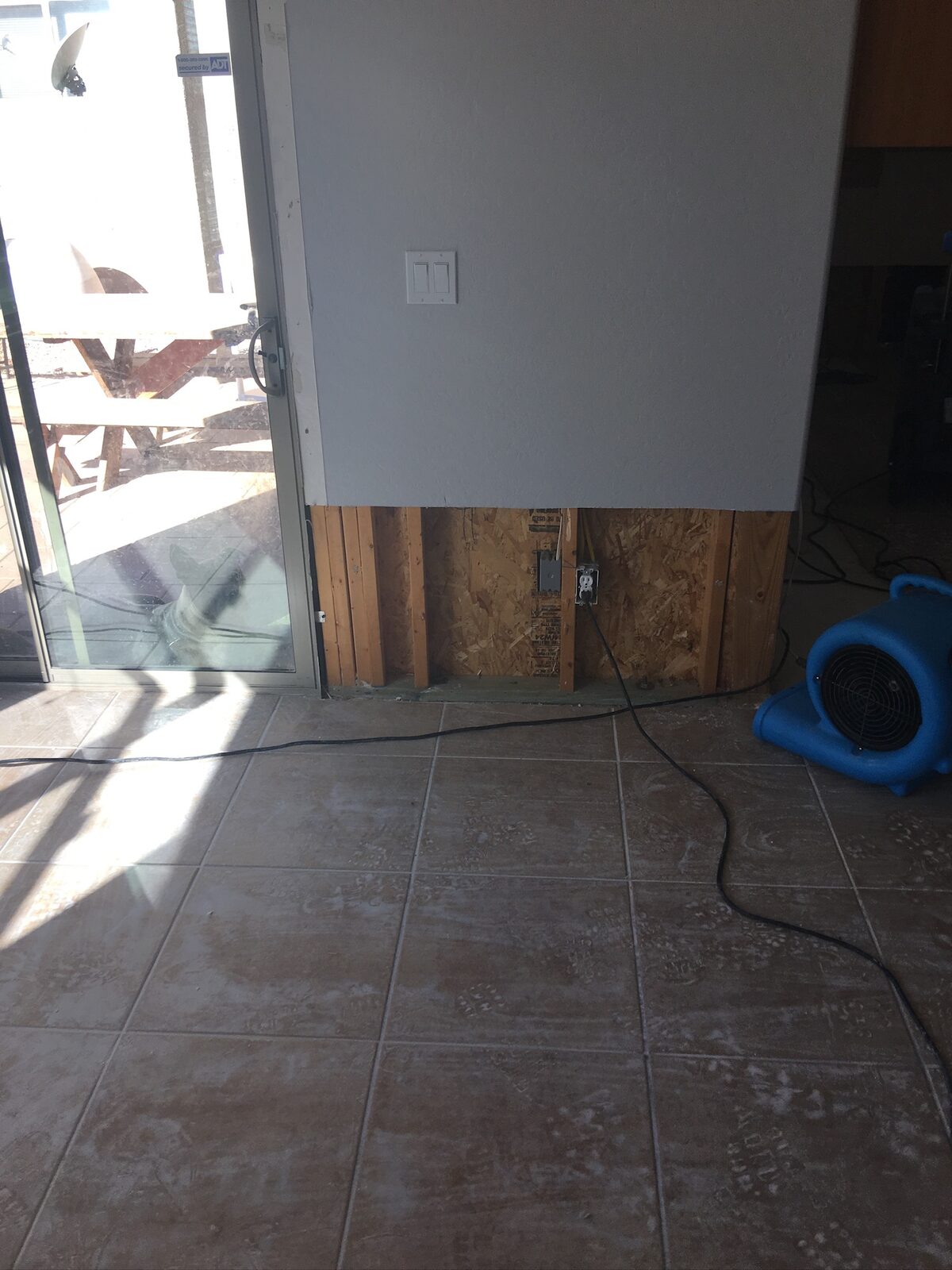
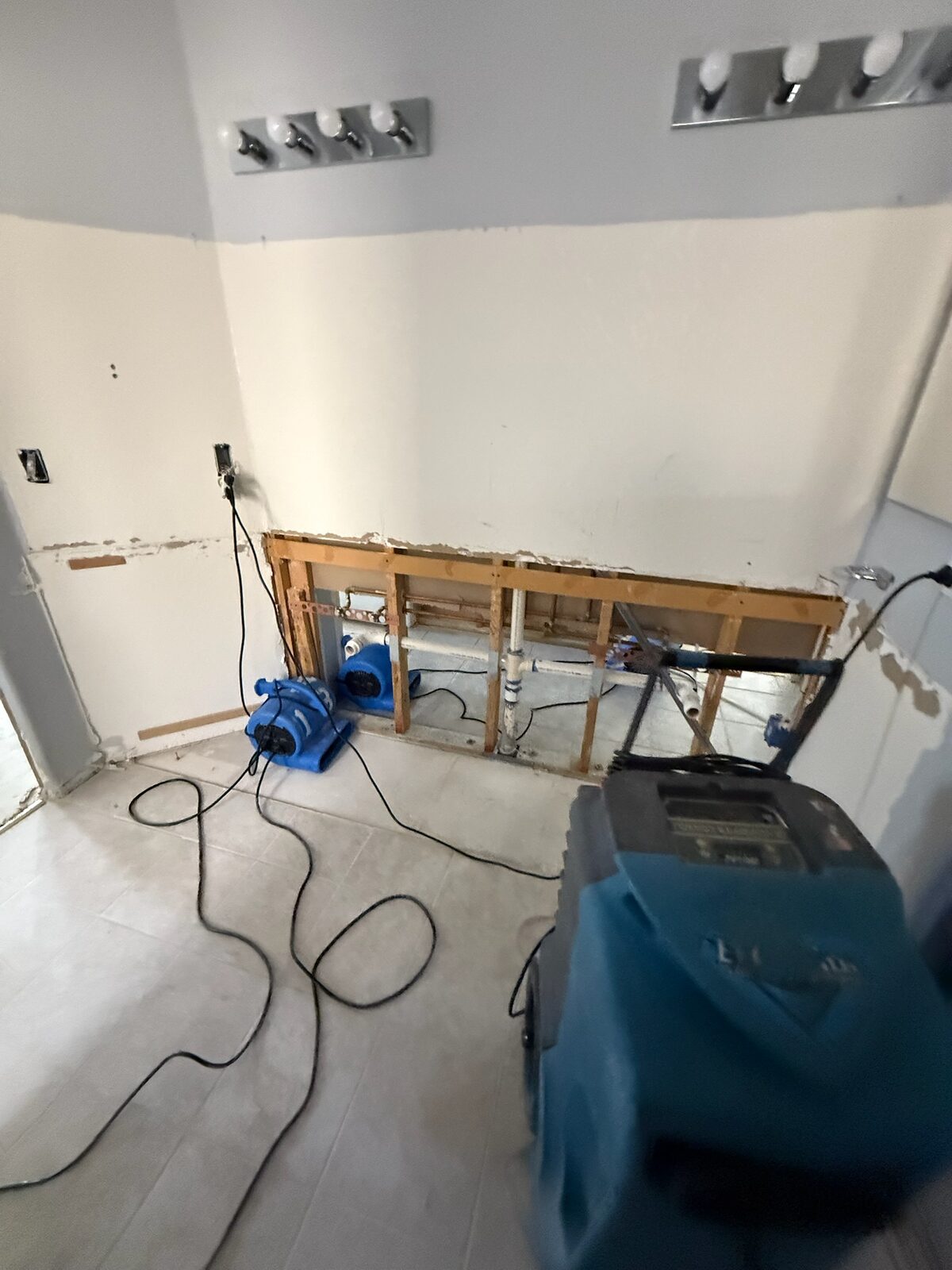
Residential reconstruction work by members of our team. See the full gallery →
More from Gold Water Fire
Abrasive Cleaning Methods for Soot on Framing and Masonry
A look at how abrasive cleaning methods remove soot from wood framing and masonry after a fire, and when each method fits the material.
AC Condensate Line Clogs & the Water Damage They Cause in Phoenix Homes
Why Phoenix AC condensate lines clog every summer, what the water damage looks like, and how to find the source before the ceiling stain spreads again.
Actual Cash Value vs Replacement Cost: Why Your Check Might Not Match the Repair Bill
Confused why your insurance check seems short after fire or water damage? Learn the difference between actual cash value and replacement cost coverage.
Not sure what's behind your walls, or what to do about it?
If you're dealing with a leak, discolored water, or damage you think traces back to older plumbing, we can take a look and explain what we find in plain terms. Reach out through our <a href="/contact.html">contact page</a> or call (480) 999-3339.
Call (480) 999-3339Water Damage Restoration · About Gold Water Fire · Contact Us