
Door and Frame Water Damage: What It Looks Like and When Replacement Is Necessary
A door that used to close smoothly and now sticks, or a frame that looks fine but feels soft when you press on it, is the kind of problem that's easy to explain away for weeks. Maybe it's just humidity. Maybe the house settled. But if the trouble started after a leak, a flood, or even a slow drip you didn't notice at the time, there's usually a reason the wood is behaving differently now, and it doesn't fix itself.
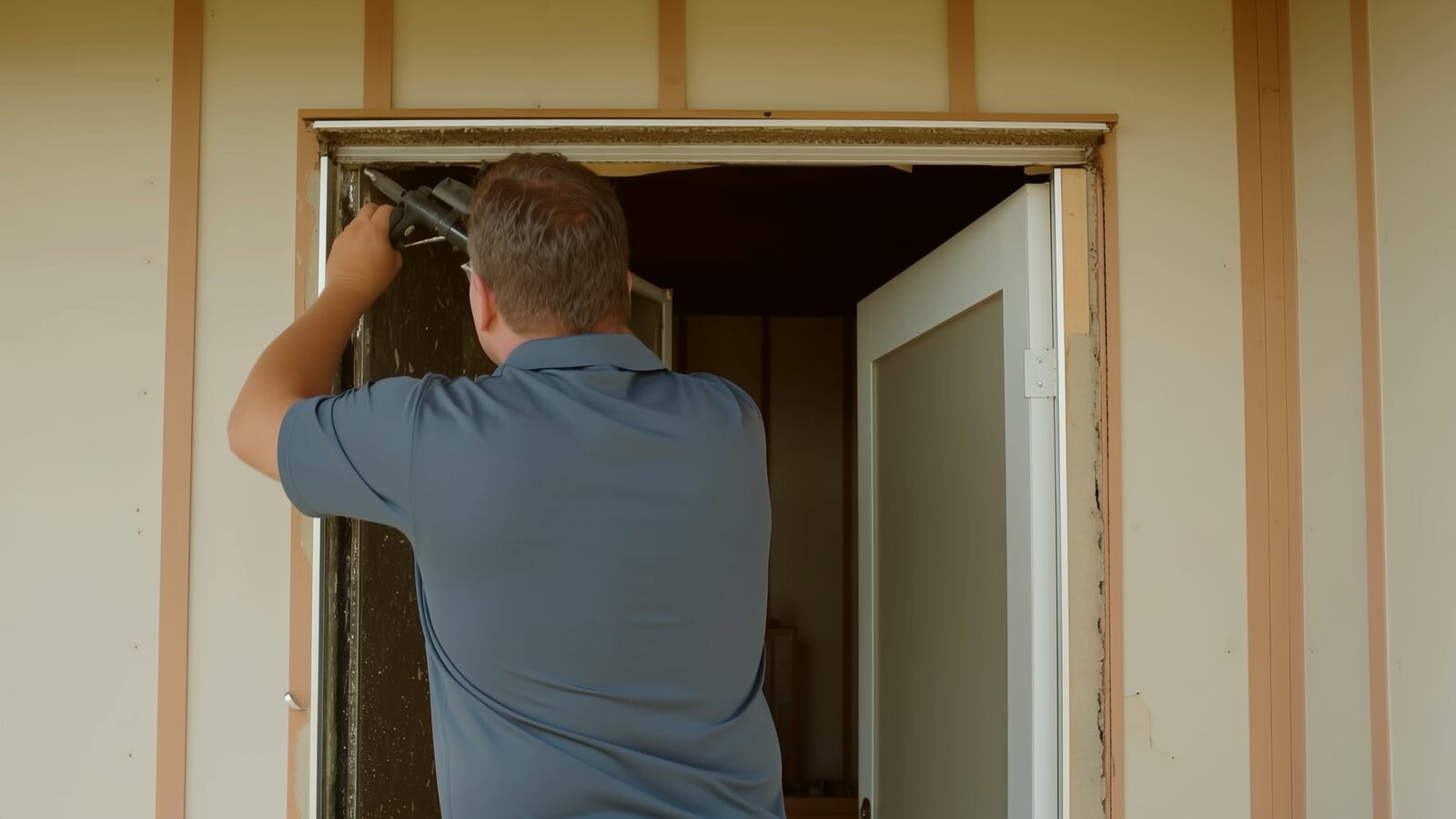
Door and Frame Water Damage: What It Looks Like and When Replacement Is Necessary
Why doors and frames are often the first sign of water damage
Door frames sit at floor level, next to exterior walls, and often near plumbing walls, entry thresholds, or bathrooms, which makes them one of the first places moisture shows up even when the source is somewhere else entirely. Wood is porous. It absorbs water from flooring, from a wall cavity, or from condensation before drywall or paint show any obvious sign. By the time you see a stain, a smell, or a door that won't latch right, the wood has usually been wet for a while.
Signs of water damage in a door or frame
Some signs are obvious, others take a closer look.
Sticking or misaligned doors
A door that used to close easily but now drags on the frame or won't latch is often swelling from absorbed moisture, not a settling issue.
Soft or spongy wood
Press along the base of the frame and the jamb. If it gives under light pressure or feels different from the wood a foot higher, moisture has broken down the fibers.
Bubbling or peeling paint and finish
Paint traps moisture underneath it as wood swells and contracts. Bubbling near the base of a frame is a strong indicator of water intrusion, not just age.
Discoloration and dark staining
Water carries tannins and minerals out of wood as it dries, leaving dark streaks or rings, especially near the bottom corners of a frame.
Musty odor near the doorway
A persistent musty smell that seems to come from the door or floor near it often means moisture has been sitting in the wood or the subfloor beneath the threshold long enough to start microbial growth.
Gaps, cracks, or separation at joints
As wood dries out after being saturated, it can shrink and pull away from where it was joined, leaving visible gaps at corners or where the frame meets the wall.
What causes it
The most common sources are a slow plumbing leak inside a nearby wall, a failed or aging weather seal at an exterior door that lets rain wick into the jamb over time, a burst supply line or water heater failure that pools at the base of interior doors, or flooring or carpet that stayed wet against the threshold after a spill or appliance leak. Sliding glass doors and exterior entry doors are especially prone to damage at the sill, where water intrusion is easy to miss because it happens low and out of sight.
Repair vs replacement: how the decision actually gets made
Not every water-affected door or frame needs to be torn out. The decision usually comes down to how deep the damage goes and whether the wood can still hold hardware and weight safely.
When repair is usually enough
Surface staining, minor paint bubbling, or light swelling that resolves once the area fully dries can often be sanded, treated, and refinished. If the wood underneath still feels solid and structurally sound when pressed firmly, repair is typically the right call.
When replacement becomes necessary
If the wood is soft or crumbling when probed, if it no longer holds screws or hinges securely, if there's visible warping or twisting in the frame itself, or if mold has spread into the material, replacement is generally required. A frame that can't hold a door square and secure is a safety and function issue, not just a cosmetic one.
Hidden damage behind the frame
Because frames are attached to the surrounding wall structure, water that reached the frame may have also reached the framing lumber, insulation, or drywall behind it. A full assessment often means opening up the surrounding area, not just looking at the visible door and trim.
Why this isn't a DIY-and-wait situation
Wood that has absorbed water continues to move as it dries unevenly, which is why a door that seems to improve after a few weeks can start sticking again later, or why a frame that looks fine on the surface can still be compromised underneath. If the water source hasn't been identified and stopped, the damage will keep recurring no matter how many times the door gets sanded down or the paint touched up. Understanding whether you're dealing with a repair or a replacement starts with understanding where the water came from and how long it was present, which is often more involved than it looks from the doorway.
Questions people ask us
Can a water-damaged door frame be dried out and saved without replacement?
Sometimes. If the wood hasn't lost structural integrity and the moisture source has been fully stopped, drying the area out and refinishing the surface can be enough. The key factor is whether the wood still holds hardware securely and hasn't started to soften or crumble.
How long does it take for water damage to show up in a door frame?
It varies widely depending on how much water was present and how it reached the frame. A slow leak inside a wall can take weeks or months to show visible signs, while a flood or burst pipe can cause visible swelling within a day or two.
Does a swollen door always mean the frame needs to be replaced?
Not necessarily. Swelling can sometimes resolve once the wood fully dries, especially if the exposure was brief. Persistent swelling, softness, or misalignment after drying usually points to deeper damage that needs a closer look.
Is it normal for water damage near a door to also affect the wall around it?
Yes, this is common. Door frames are attached to the surrounding wall framing, so water that reached the frame has often traveled into the wall cavity, insulation, or adjacent drywall as well, which is why a full inspection usually looks beyond just the door itself.
The standard our team works to
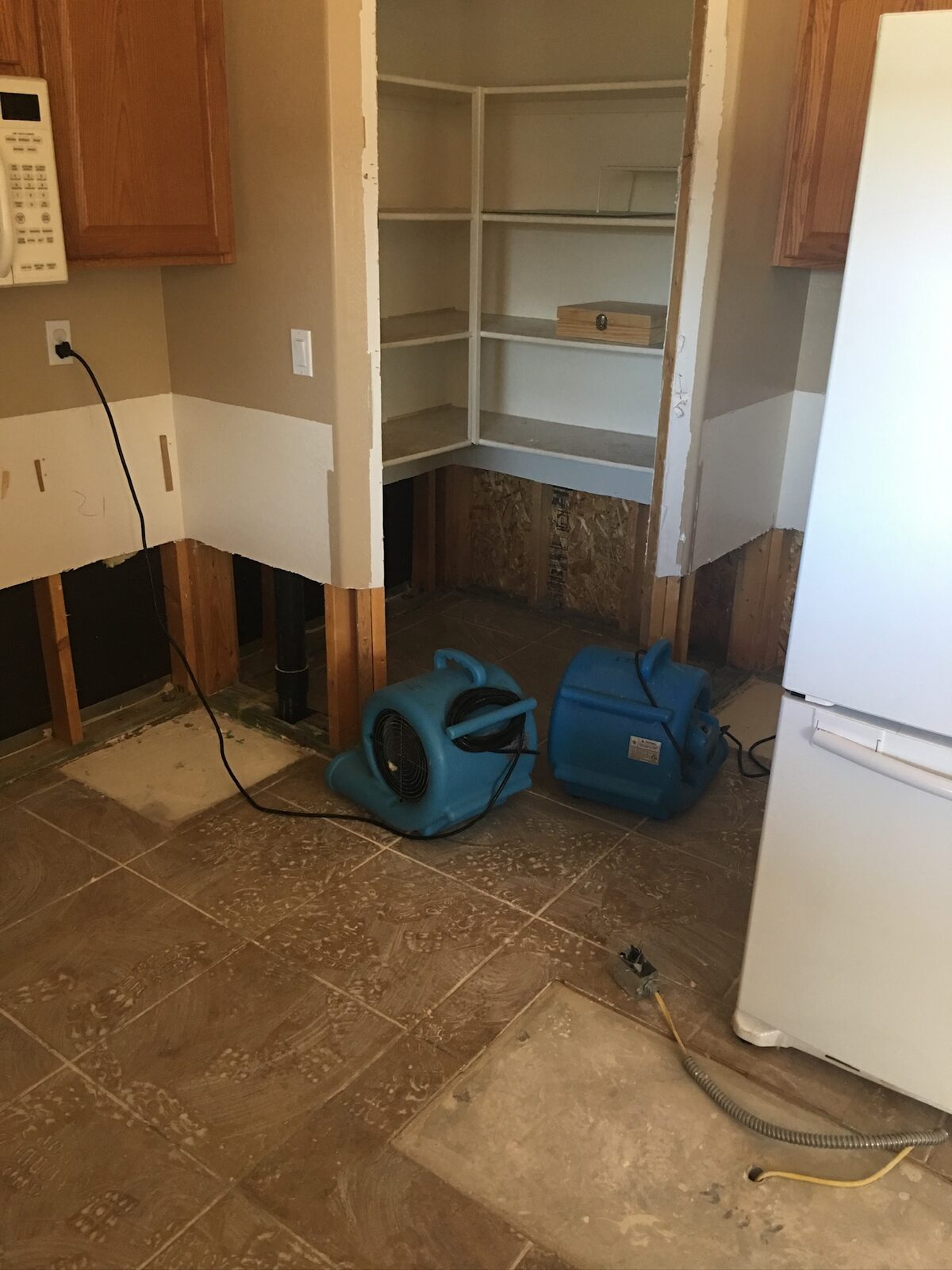
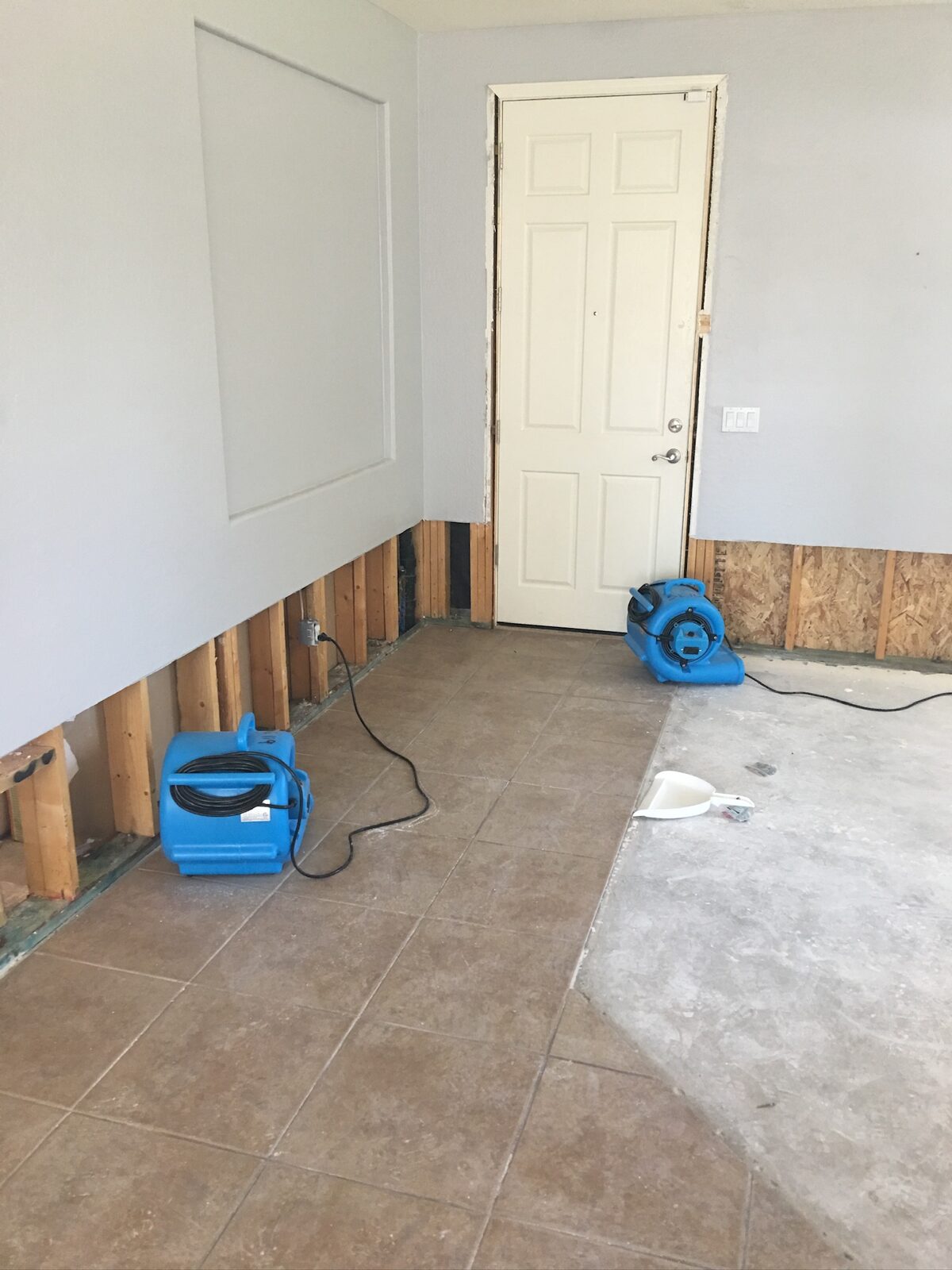
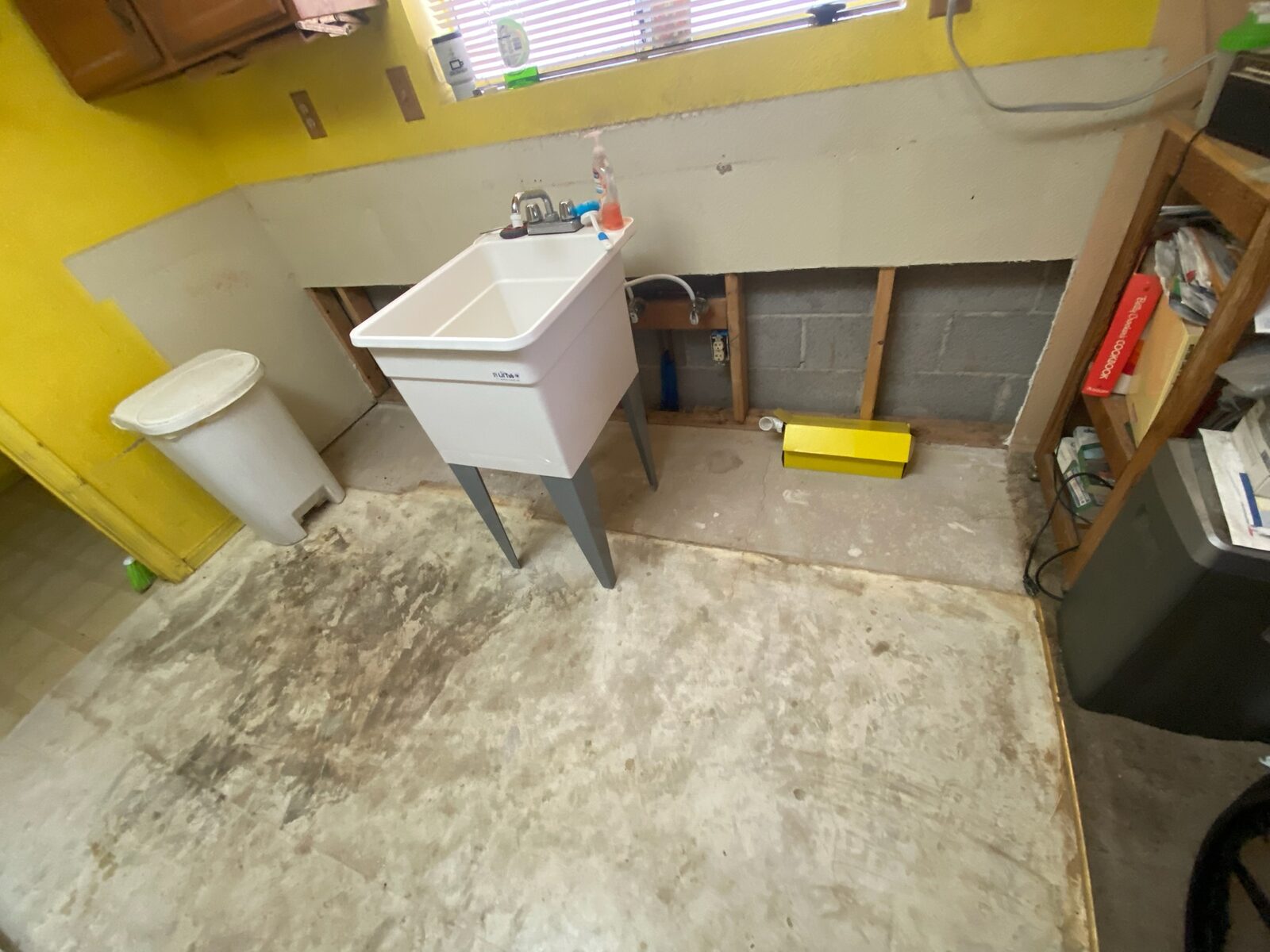
Residential reconstruction work by members of our team. See the full gallery →
More from Gold Water Fire
Abrasive Cleaning Methods for Soot on Framing and Masonry
A look at how abrasive cleaning methods remove soot from wood framing and masonry after a fire, and when each method fits the material.
AC Condensate Line Clogs & the Water Damage They Cause in Phoenix Homes
Why Phoenix AC condensate lines clog every summer, what the water damage looks like, and how to find the source before the ceiling stain spreads again.
Actual Cash Value vs Replacement Cost: Why Your Check Might Not Match the Repair Bill
Confused why your insurance check seems short after fire or water damage? Learn the difference between actual cash value and replacement cost coverage.
Not sure if your door frame needs repair or replacement?
Gold Water Fire serves homeowners across the Phoenix metro area, from Peoria to San Tan Valley and beyond. Reach out at (480) 999-3339 or Help@goldwaterfire.com to talk through what you're seeing.
Call (480) 999-3339Water Damage Restoration · Reconstruction & Rebuild · About Gold Water Fire · Contact Gold Water Fire