
Braided Stainless vs Rubber Appliance Supply Lines, and Why They Fail
Maybe you noticed a damp spot behind the washing machine and can't figure out where it's coming from. Or you're staring at a swollen baseboard near the dishwasher, trying to remember the last time anyone looked behind that appliance at all. Supply line failures are quiet until they aren't. There's no dramatic warning, just a small hose doing its job for years and then, without much notice, not doing its job anymore. If you're trying to understand why this happens, or whether the line you have now is a risk you don't know about, it helps to actually understand what these hoses are, how they're built, and why they wear out the way they do.
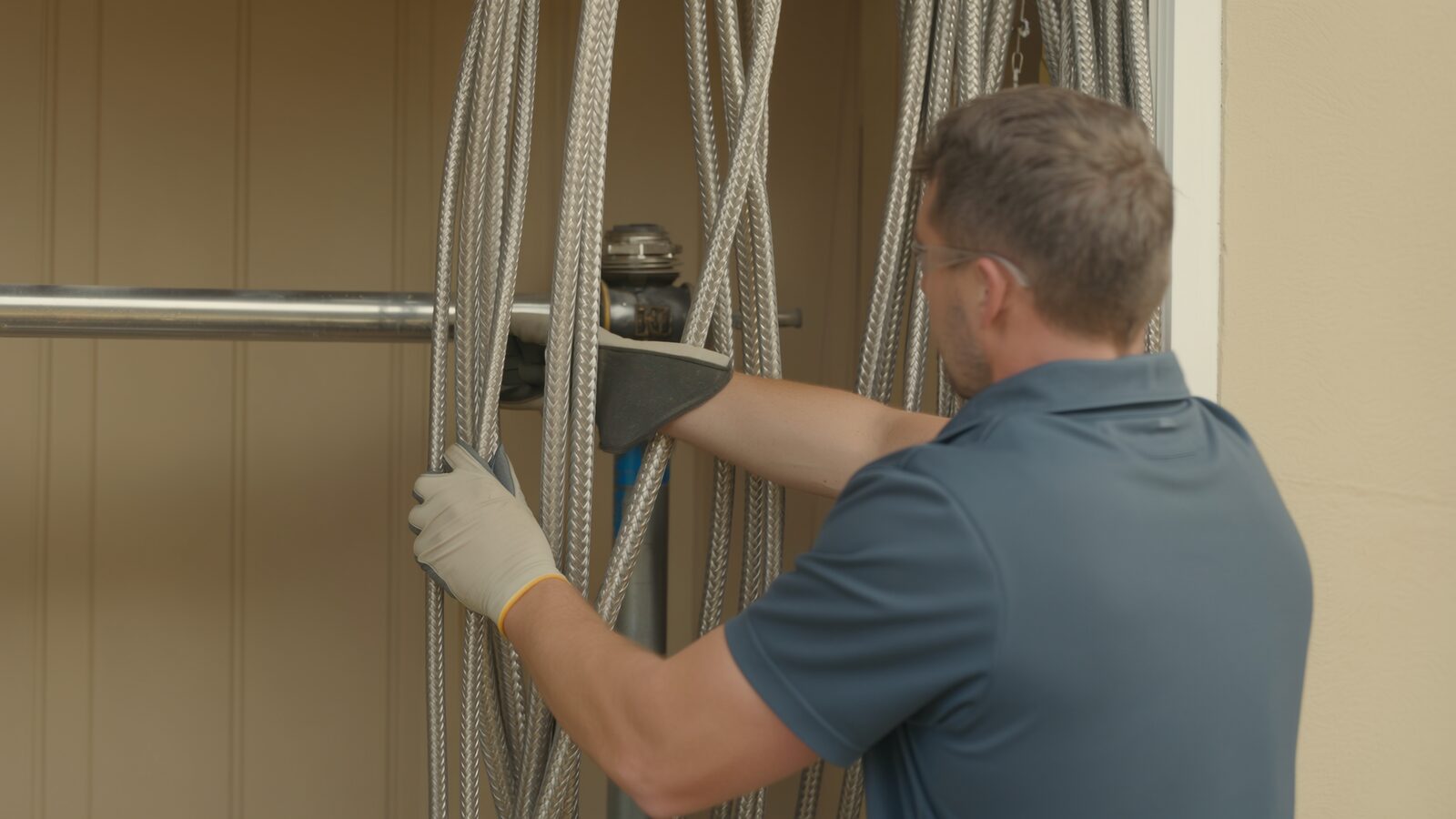
Braided Stainless vs Rubber Appliance Supply Lines, and Why They Fail
What a supply line actually does
Every washing machine, dishwasher, ice maker, and toilet connects to your home's water supply through a flexible hose, not a rigid pipe. That flexibility exists so the appliance can be installed, serviced, and occasionally moved without re-plumbing the wall. But flexibility is also the weak point. Unlike copper or PEX behind your walls, a supply line is exposed, under constant pressure, and often forgotten the moment it's installed. Most homeowners never inspect these hoses again after the appliance is hooked up, sometimes for the life of the appliance.
Rubber supply lines: cheap, common, and prone to hidden wear
Rubber supply lines are the black or gray hoses that have shipped with most washing machines and dishwashers for decades. They're inexpensive and easy to install, which is exactly why they're still so common. The problem is what happens to rubber under sustained water pressure and temperature cycling. Over time, the inner wall of the hose can degrade from the inside out, meaning the hose can look intact on the outside while it's already weakening internally. Heat from a nearby dryer, UV exposure if the hose runs near a window, and simple age all accelerate this breakdown. A rubber line that looks fine during a casual glance can still be close to a blowout, because the failure usually starts where you can't see it.
Braided stainless lines: more protection, not immunity
Braided stainless supply lines wrap a rubber or polymer inner core in a metal mesh sleeve. That mesh doesn't stop the inner tube from aging, but it does add a layer of physical reinforcement against bursting, and it's more resistant to kinking, rodent damage, and abrasion where the hose rubs against a cabinet or wall. This is why braided stainless is now the standard recommendation for washing machines, dishwashers, and toilets, and why many manufacturers ship appliances with it instead of plain rubber. It's a meaningful upgrade, but it is not a permanent fix. The inner core still ages, the connection fittings can still corrode or loosen, and a braided line installed decades ago is not the same product as one installed last year. Braided stainless lowers risk, it doesn't eliminate it.
Why these lines fail even when nothing seems wrong
Supply line failure is rarely about a single dramatic event. It's usually the slow accumulation of small stresses: constant water pressure pushing against the hose wall day after day, mineral buildup at the connection points, the vibration of a washing machine during spin cycles, and Arizona's heat working on rubber and gaskets faster than milder climates would. A hose rated for a certain number of years under ideal conditions may not get anywhere close to that lifespan sitting behind a dryer vent or in direct sun through a laundry room window. Because these hoses are usually hidden behind or under an appliance, the first visible sign of trouble is often the failure itself, not a warning beforehand.
What to check right now
Pull the appliance out if you can do so safely, and look at the hose along its full length, not just the visible section. Check for bulging, cracking, rust at the fittings (a strong sign on braided lines that the core is compromised), and any dampness or mineral crusting at the connection points. Check the shutoff valve behind the appliance too, since a valve that won't turn is its own risk if you ever need to stop water flow quickly. If a line is more than a few years old, shows any of these signs, or you simply don't know its age, replacing it is far cheaper than dealing with the water damage a failure can cause. If a line has already failed and water has reached flooring, cabinetry, or drywall, that's a different problem than the hose itself, and it's worth understanding what water damage restoration actually involves before you start pulling up flooring on your own.
Questions people ask us
How often should supply lines be replaced?
There's no single number that applies to every hose or every home, since wear depends on water pressure, heat exposure, and hose quality. The safer approach is visual inspection: any cracking, bulging, rust at the fittings, or unknown age is reason enough to replace it rather than wait.
Is braided stainless worth the extra cost over rubber?
Braided stainless adds meaningful protection against bursting, kinking, and abrasion compared to plain rubber, which is why it's now widely recommended for washing machines, dishwashers, and toilets. It still ages internally and isn't a permanent guarantee against failure.
Can a supply line fail without any warning signs?
Yes. Because the inner wall often degrades before any outer sign appears, and because these hoses sit behind or under appliances where they're rarely looked at, failure can happen with no visible warning beforehand.
What should I do if a supply line has already burst?
Shut off the water at the appliance valve or the home's main shutoff if needed, then assess how far the water traveled into flooring, cabinets, or walls. Hidden moisture behind those surfaces is common, which is why a proper water damage assessment matters even if the visible spill seemed small.
The standard our team works to
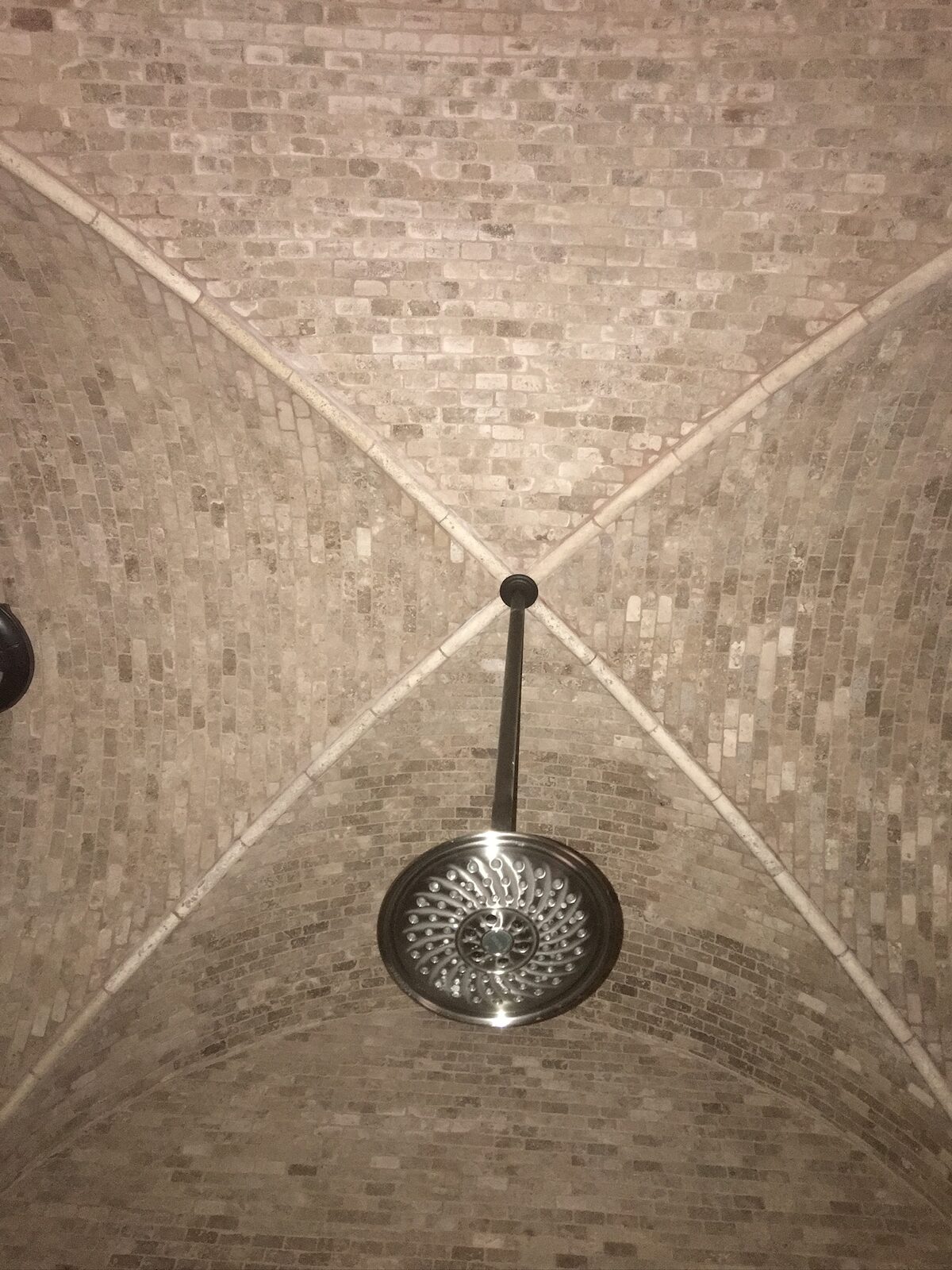
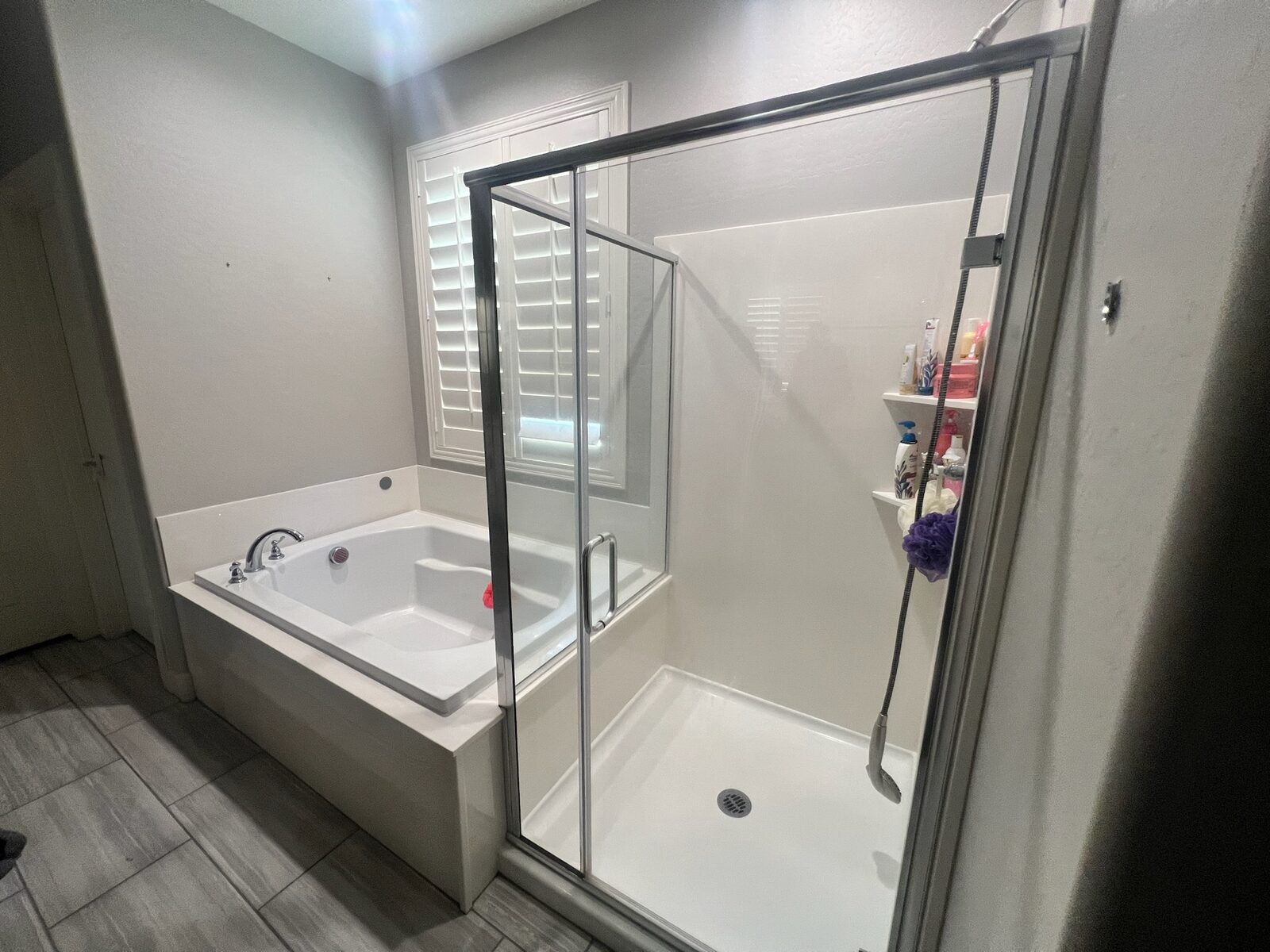
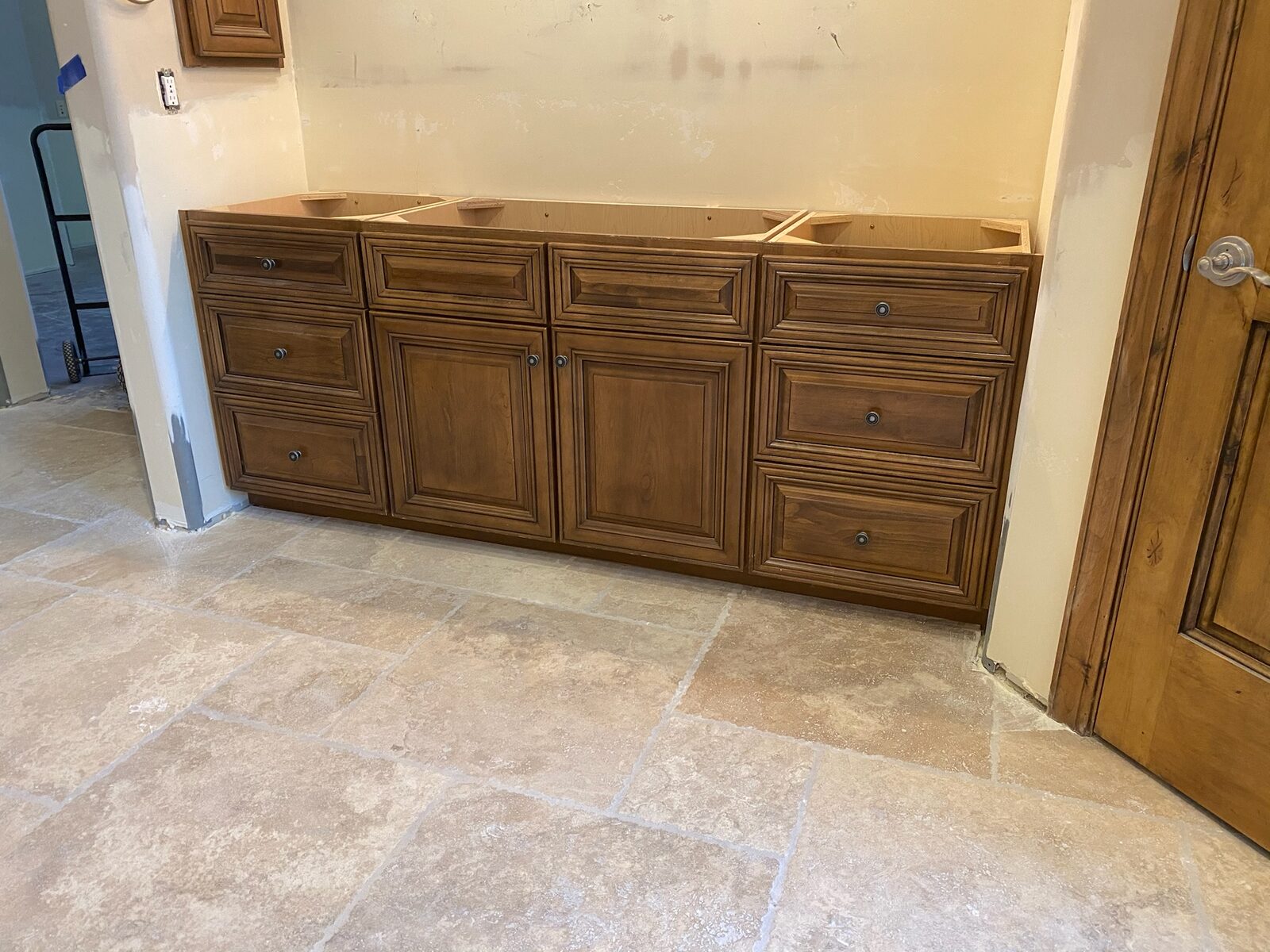
Residential reconstruction work by members of our team. See the full gallery →
More from Gold Water Fire
Abrasive Cleaning Methods for Soot on Framing and Masonry
A look at how abrasive cleaning methods remove soot from wood framing and masonry after a fire, and when each method fits the material.
AC Condensate Line Clogs & the Water Damage They Cause in Phoenix Homes
Why Phoenix AC condensate lines clog every summer, what the water damage looks like, and how to find the source before the ceiling stain spreads again.
Actual Cash Value vs Replacement Cost: Why Your Check Might Not Match the Repair Bill
Confused why your insurance check seems short after fire or water damage? Learn the difference between actual cash value and replacement cost coverage.
Found a failed supply line and water damage to go with it?
Gold Water Fire serves the Phoenix metro area and can assess what the water reached, not just what's visible on the surface. Call (480) 999-3339 or reach out through our contact page to talk through what you're seeing.
Call (480) 999-3339