
Attic Mounted HVAC Condensate Overflow & the Ceiling Damage It Causes
You painted over it last summer. It came back. Maybe a little wider this time, maybe a little further down the hallway, and it is the same faint brown ring in the same part of the ceiling, and nobody has ever told you a reason that made sense. Somebody said humidity. Somebody said roof. It has not rained. There is a part of you that has stopped looking up at that spot on purpose, because looking at it means admitting you do not understand what your own house is doing, and that is a strange, tiring thing to carry through an August in Arizona. That feeling is worth naming before anything gets fixed: the problem is not that a stain appeared. The problem is that it keeps appearing and no explanation has held.
Attic Mounted HVAC Condensate Overflow & the Ceiling Damage It Causes
Your air conditioner makes water, and in a Phoenix attic it makes a lot of it
An air handler cools your home by pulling warm indoor air across a cold evaporator coil. Moisture in that air condenses on the coil the same way it beads on a cold glass. That water drips into a shallow pan under the coil, runs to a drain fitting, and travels out through a small PVC line, usually to the exterior wall or a plumbing drain. When the air handler sits in the attic, every part of that path runs above your finished ceiling. There is no floor drain, no garage slab, no place for a mistake to go except down through insulation and drywall. And in the valley, the unit runs for months without a real break, so a slow drip is not a one time event, it is a daily deposit into the same square foot of ceiling. The attic environment makes it worse. Summer attic temperatures well above indoor temperatures mean the pan and the drain line are working constantly, biological growth in the pan is fast, and any insulation that gets wet stays warm and wet instead of drying out.
Five reasons the water leaves the pan instead of the drain
Condensate overflow is almost never mysterious once you know where to look. In practice it comes down to a short list.
A clogged drain line
Dust from the return air mixes with condensate and turns into a soft sludge inside the PVC. Add biological growth and the line narrows until water backs up faster than it drains. This is the single most common cause, and it is why the leak often starts in the middle of a hot stretch rather than on the first cool day.
A rusted or cracked primary pan
The pan under the coil is sheet metal or plastic. Metal pans corrode from years of standing water, usually at the low corner or a seam. A pinhole there drips constantly while the drain line looks perfectly clear, which is why a drain cleaning sometimes does not stop the leak.
A secondary pan that is doing its job unnoticed
Attic units are usually set in a larger emergency pan with its own drain line, often routed to a visible spot under an eave. If you have ever seen water dripping outside from a small pipe, that was the backup system telling you the primary drain had failed. If that secondary line is also clogged, the pan fills and spills over the rim into the ceiling.
A float switch that was bypassed or never installed
A float switch shuts the system off when water rises in the pan. When one is missing, disconnected, or jumped out during a past service call, nothing interrupts the cycle. The unit keeps cooling, keeps making water, and keeps filling a pan that has nowhere to go.
Slope, sag, and trap problems
Condensate drains by gravity only. A line that sags between supports, was run nearly level, or lost its trap will hold water and gurgle air instead of draining. Improper venting can also let the drain lose its seal and back up under negative pressure from the blower.
What the ceiling is telling you, and what it is hiding
A condensate stain has a signature. It tends to be roughly circular or teardrop shaped, tan to brown at the edges from dissolved dust and paper binder, and it often sits near a ceiling seam, a can light, or an HVAC register, because water travels along framing and drops at the first opening it finds. It appears in cooling season and pauses when the system does, which is the clearest difference from a roof leak. Watch for these signs that water has been present longer than the stain suggests: drywall tape lifting or bubbling along a seam, nail heads or screw dimples ghosting through the paint, a soft or spongy feel when you press gently with two fingers, a musty smell strongest at the return vent or near a hall closet, and paint that has flashed to a slightly different sheen in one patch. The part that is hidden is the part that matters most. Batt or blown insulation above the drywall holds many times its weight in water and presses it against the ceiling board. Framing, top plates, and the paper facing on drywall stay wet long after the surface looks dry. That is why a repainted stain returns even after the drain is cleared: the source stopped, but the material above never dried, and the staining continues to wick down.
Stopping it, drying it, and putting the ceiling back
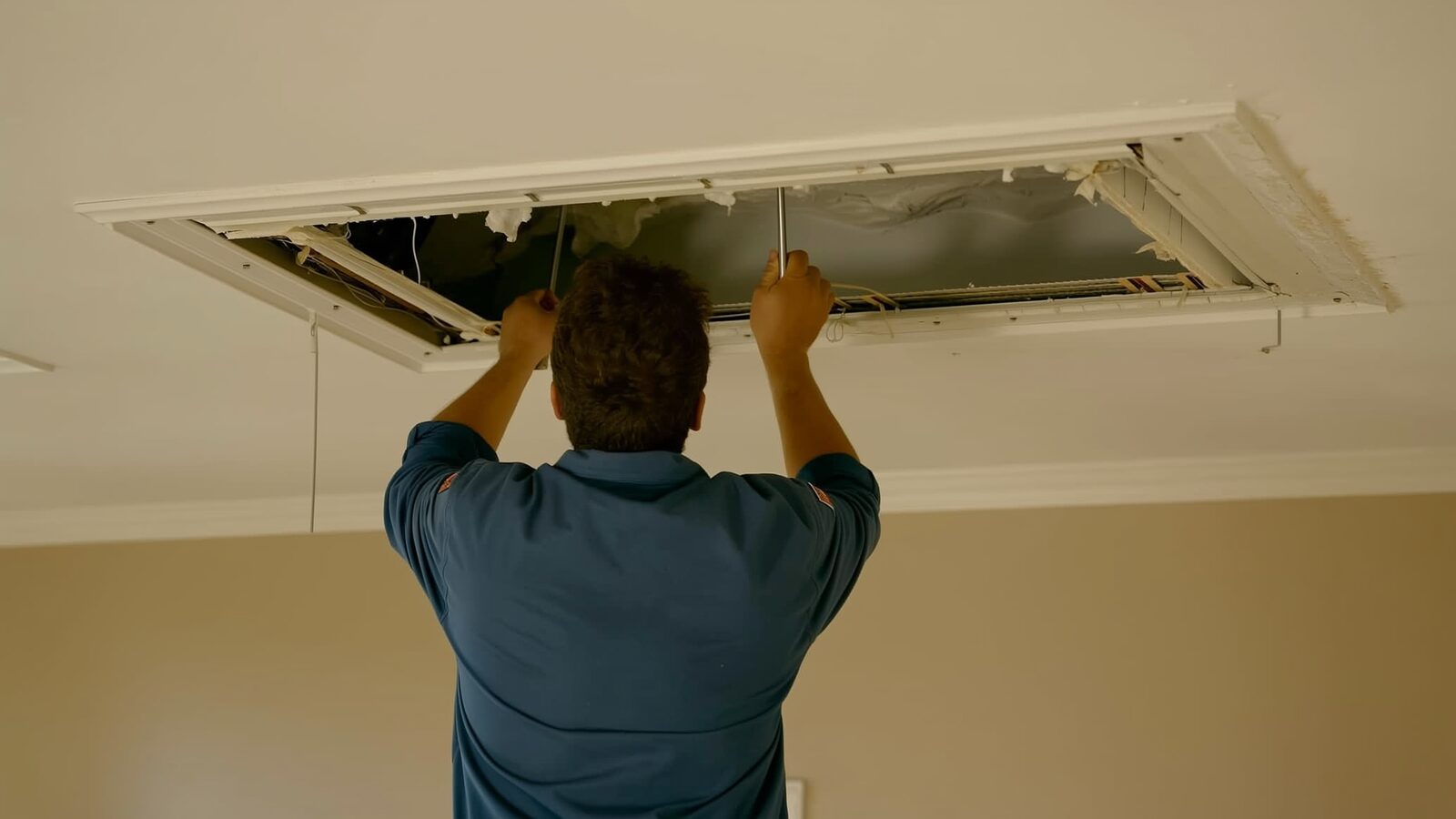
The order matters. Water that is still arriving cannot be dried, and a ceiling that is still wet cannot be finished. First, stop the source. Turn the cooling system off at the thermostat so the coil stops producing condensate. If a light fixture is involved or water is near an electrical box, shut off the affected circuit at the panel. If you can safely see the attic unit, note whether the primary pan, the secondary pan, or both are holding water, then leave the diagnosis and the repair of the drain, pan, or float switch to an HVAC technician. Second, deal with what is above the drywall. Saturated insulation gets removed rather than dried in place, because it loses its R value and holds moisture against wood and gypsum. Drying wet framing and the top of the ceiling board takes controlled airflow and dehumidification, verified with a moisture meter rather than by eye, and sometimes small access openings so air can reach the wet cavity. A sagging or delaminated ceiling section usually has to come out. Third, rebuild. Once readings are dry, ceiling drywall gets replaced, taped, textured to match, primed with a stain blocking sealer, and painted. Matching a Phoenix ceiling texture is its own skill, and a patch that stops at the edge of the cut is the reason repairs often stay visible. Gold Water Fire handles the middle and the end of that sequence: water damage restoration for the drying and removal, and reconstruction and rebuild for the drywall, texture, and paint, so the ceiling is closed by the same crew that opened it. If you want to talk it through before deciding anything, the contact page has the direct line, and about us tells you who you would be dealing with.
Questions people ask us
How do I tell a condensate leak from a roof leak?
Timing is the strongest clue. Condensate leaks show up during cooling season, often during long hot stretches, and stop when the system is off. Roof leaks follow rain, sometimes appearing hours after the storm. Location helps too: condensate stains cluster near the attic air handler, its drain line route, or an HVAC register, while roof leaks tend to track from a penetration such as a vent, swamp cooler curb, or valley.
Can I just paint over the stain if the drain has been cleared?
Only after the material behind it is verified dry. If insulation, framing, or the back of the drywall is still holding moisture, the discoloration wicks back through new paint and the drywall paper can keep supporting growth. Dry first, confirm with a moisture meter, then use a stain blocking primer before finish paint.
Water is dripping from a pipe under my eave. Is that normal?
That is usually the secondary or emergency pan drain, and it means the primary condensate drain has failed. Some brief dripping from a primary line at the exterior wall is normal during operation, but steady water from the backup line is a warning. Have the drain and pan checked before the pan fills past its rim.
Does the whole ceiling have to be replaced?
Not usually. Removal is typically limited to the sections that are sagging, delaminated, or cannot be dried in place, plus enough surrounding area to reach dry material and make a clean seam. The larger question is often how far the wet insulation spread, since that determines how much of the attic side has to be cleared and dried.
The standard our team works to
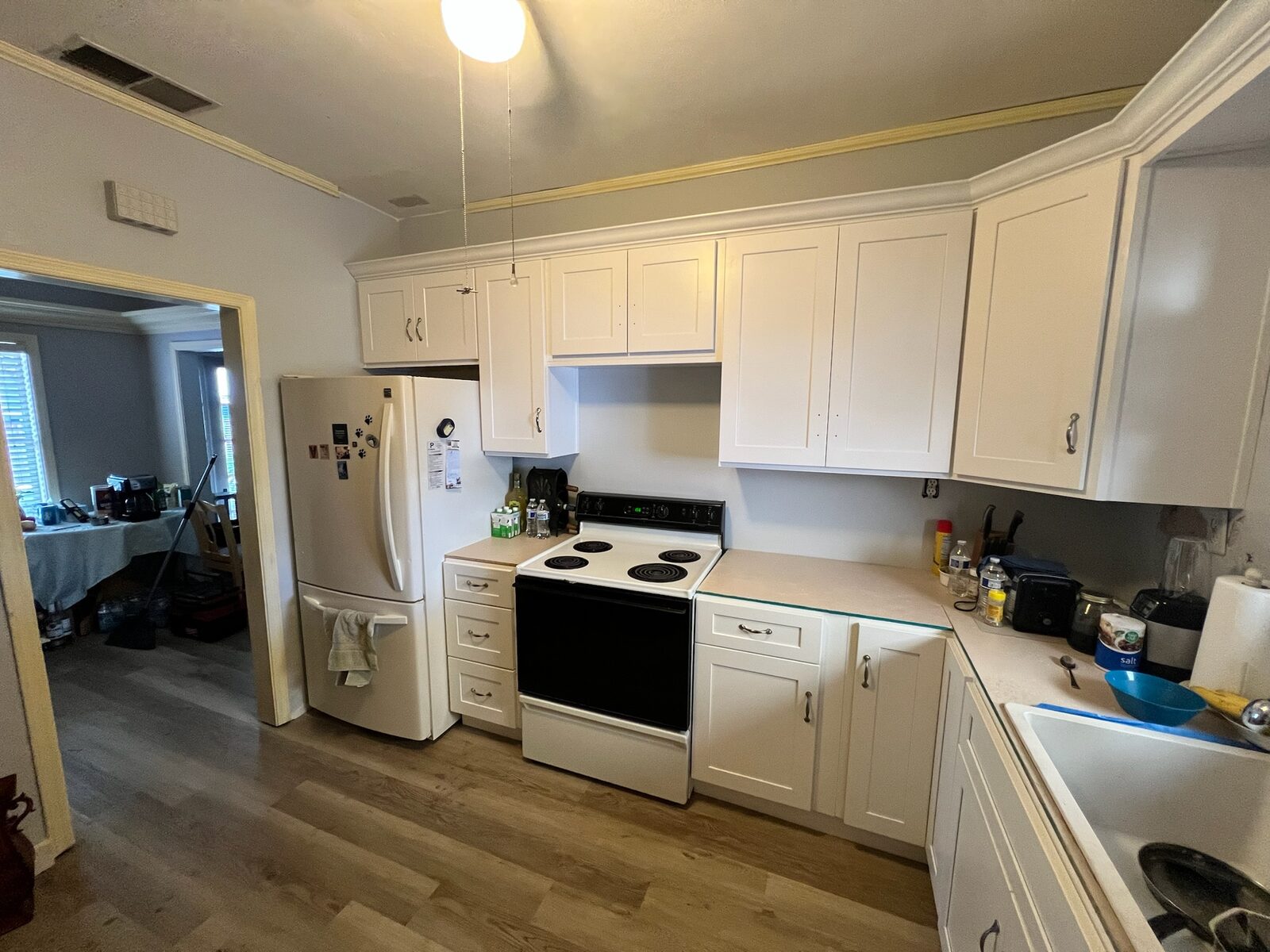
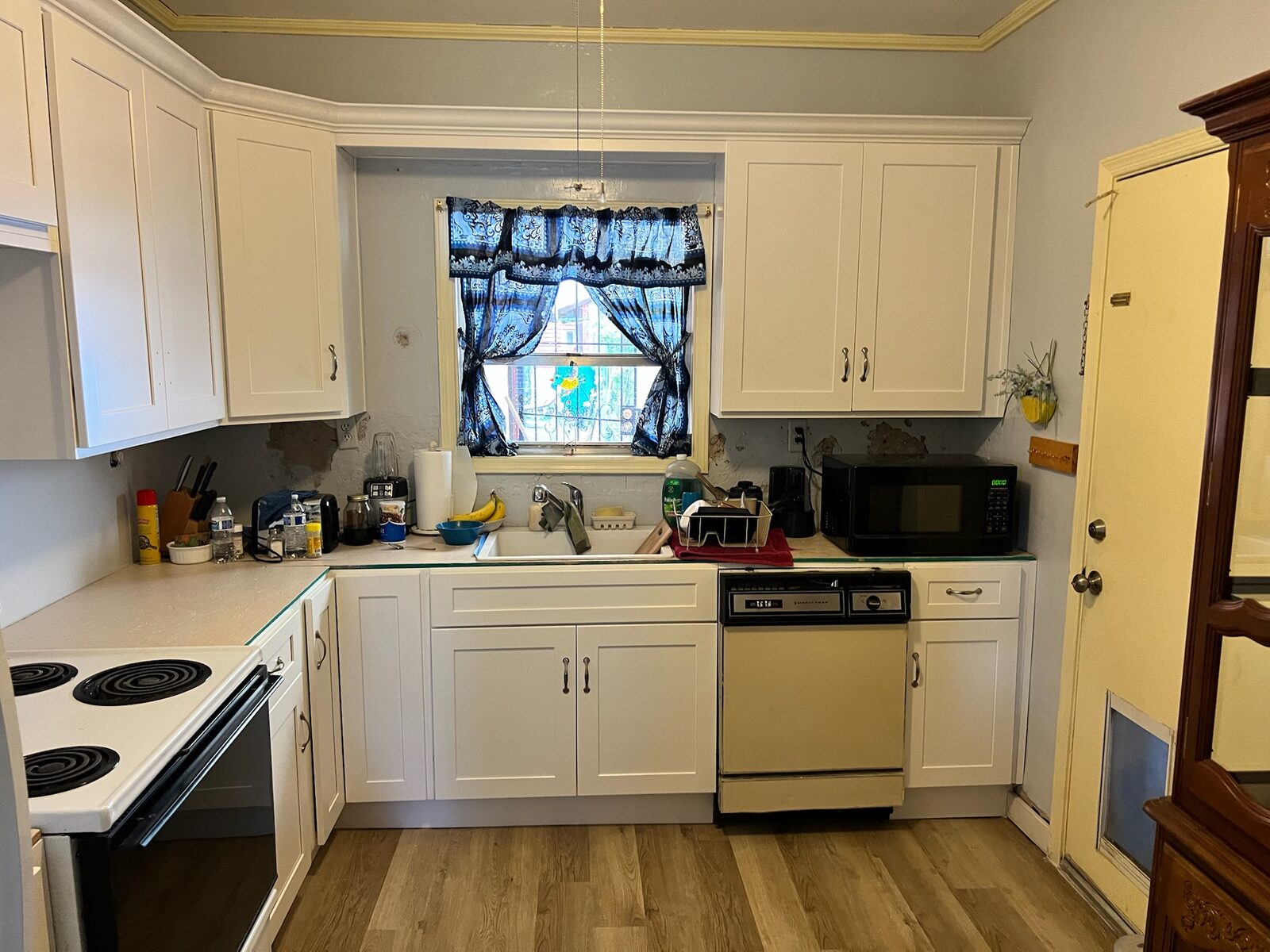
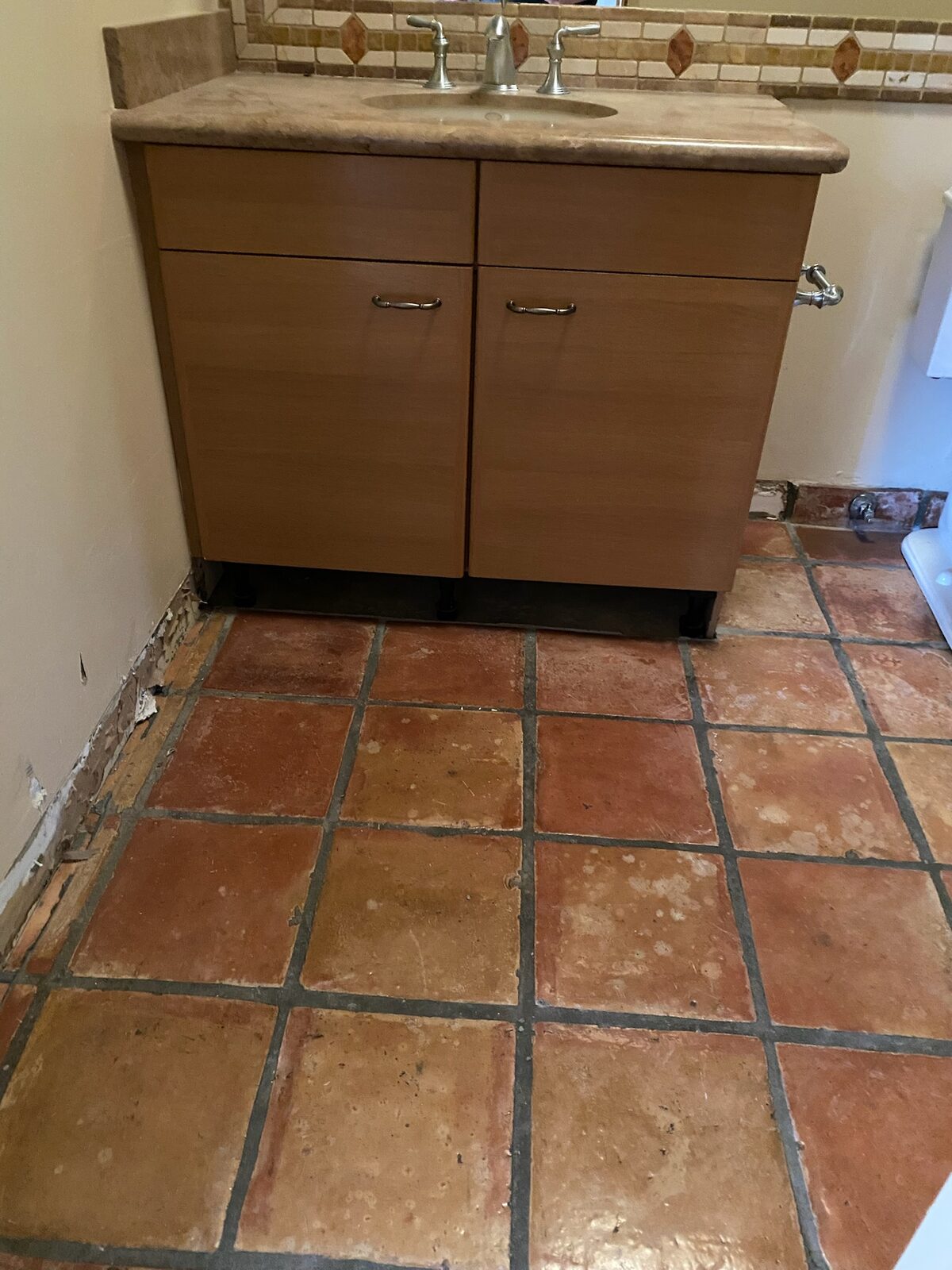
Residential reconstruction work by members of our team. See the full gallery →
More from Gold Water Fire
Abrasive Cleaning Methods for Soot on Framing and Masonry
A look at how abrasive cleaning methods remove soot from wood framing and masonry after a fire, and when each method fits the material.
AC Condensate Line Clogs & the Water Damage They Cause in Phoenix Homes
Why Phoenix AC condensate lines clog every summer, what the water damage looks like, and how to find the source before the ceiling stain spreads again.
Actual Cash Value vs Replacement Cost: Why Your Check Might Not Match the Repair Bill
Confused why your insurance check seems short after fire or water damage? Learn the difference between actual cash value and replacement cost coverage.
If that stain has come back more than once, get it looked at before the next cooling season
Gold Water Fire works throughout the Phoenix metro area, from Peoria and Avondale out to Queen Creek, San Tan Valley, and Apache Junction. Call (480) 999-3339 or email Help@goldwaterfire.com and describe what you are seeing on the ceiling. Licensed AZ ROC #264344, KB-2.
Call (480) 999-3339Water Damage Restoration · Reconstruction & Rebuild · Contact Gold Water Fire · About Gold Water Fire