
The Bathtub Overflow Drain: A Backup That Sometimes Backs Up Nothing
If you've found water stains on the ceiling below a bathroom, or soft spots in the wall behind a tub, and nobody in the house remembers spilling anything, it can feel like the damage came from nowhere. You check the faucet, the shower curtain, the caulk line around the tub, and everything looks fine. Meanwhile the wall keeps getting worse. That gap between what you can see and what's actually happening is one of the more disorienting parts of a plumbing problem, because the part that failed usually isn't visible at all.
The Bathtub Overflow Drain: A Backup That Sometimes Backs Up Nothing
What the overflow drain is actually for
Every standard bathtub has two drain openings: the one at the bottom that empties the tub, and a second opening higher up on the wall of the tub, usually hidden behind a metal or plastic cover plate near where the faucet spout is. That upper opening is the overflow drain. Its job is to catch water before it rises high enough to spill over the tub's edge onto the floor, whether that's from a tub filling too full or from someone leaning back against a full tub and displacing water upward. Behind that cover plate, a pipe is supposed to run down inside the wall and tie into the same drain line as the bottom of the tub.
Two openings, one drain line
The bottom drain and the overflow are meant to be connected to the same trap and drain pipe, not two separate systems.
It's a safety overflow, not decoration
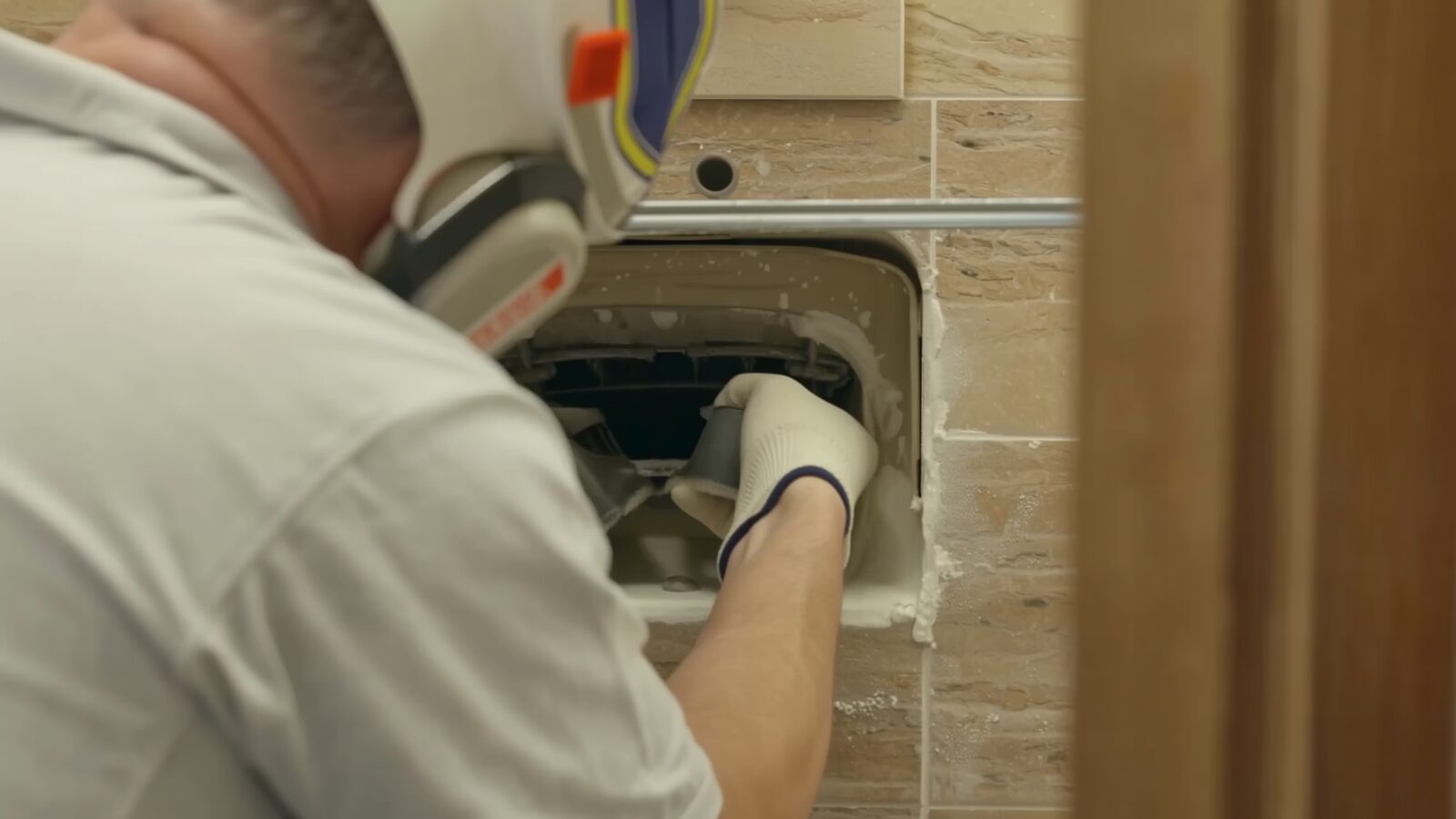
The cover plate you see is often mistaken for just a trim piece. It's actually the access point to a working drain assembly.
Why it sometimes isn't connected to anything
During original construction or during a remodel, it's not unusual for the overflow pipe to be left short, misaligned, or capped off entirely, especially if the tub was set before the drain assembly was finished, or if a contractor was working fast and the overflow felt like a low-priority detail since it rarely gets used. In some older installations, the overflow was designed only as a safety plate with no pipe behind it at all. Either way, the cover plate on the wall looks完全 normal from inside the bathroom. There's no way to tell by looking whether water poured into that opening goes down to the drain, or just spills into the wall cavity behind the tub.
Rushed or incomplete installs
A gap left during rough plumbing can go unnoticed for years because the overflow is rarely tested during a normal walkthrough.
No way to visually confirm it
The cover plate hides the connection completely. A tub can look finished and still have an overflow that goes nowhere.
How this quietly leads to bigger damage
Because the overflow only handles water occasionally, a bad connection doesn't cause a flood right away. It causes a slow, repeated seep every time the tub fills close to that opening, or every time someone takes a deep bath. That water runs down inside the wall cavity instead of down the drain pipe, soaking the back side of drywall, insulation, and framing where nobody can see it. By the time a stain shows up on a ceiling below, or the wall starts to feel soft or smell musty, the moisture has often been building for a long stretch of repeated small events, not one dramatic one.
How to check it yourself
You can get a general sense of whether something's wrong without opening the wall. Fill the tub to just below the overflow opening, then let the water rise slowly to that level and watch for any sound of dripping inside the wall, or check an accessible area below or behind the tub (like a ceiling in a room underneath, or an access panel if one exists) for new dampness after the test.
Watch, don't guess
Fill the tub near the overflow line and check nearby ceilings or access panels afterward rather than assuming the plate is functional.
Look for patterns, not just stains
Recurring staining after baths, but not after quick showers, points toward the overflow rather than the shower surround or caulk.
Note any give in the wall
Press gently on the wall around and below the tub spout. Softness or flex compared to surrounding wall can indicate saturated material behind it.
What tends to happen once it's confirmed
If moisture is confirmed behind the wall, the affected drywall, insulation, and sometimes subfloor or ceiling material below usually needs to be opened up and dried out or replaced, since trapped moisture behind an intact wall doesn't dry on its own and can lead to mold growth over time. This is the kind of work that crosses from plumbing into water damage restoration and, if materials need to be rebuilt, into reconstruction work.
Drying comes before rebuilding
Materials need to be properly dried or removed before any new drywall or flooring goes back in, or the same problem returns hidden again.
The plumbing fix is separate from the repair
Reconnecting or sealing the overflow properly is a plumbing task; restoring the wall, ceiling, or floor around it is a separate step.
Questions people ask us
How do I know if my tub's overflow drain is actually connected?
There's no way to confirm it by looking at the cover plate alone. The most reliable general approach is to fill the tub to just below the overflow opening and check for sounds of dripping in the wall or new dampness in an accessible area below or behind the tub afterward.
Can a disconnected overflow drain cause damage even if I never fill the tub all the way up?
Yes. Anything that raises the water level close to that opening, including someone sitting back in a fairly full bath, can send water into the gap. It doesn't require an overflowing tub to be a repeated problem.
Why didn't this show up when the house was inspected?
Standard inspections typically don't include filling a tub to the overflow line and monitoring the wall cavity behind it, since that isn't part of a routine visual walkthrough. A disconnected overflow can go unnoticed through multiple inspections.
Is this always the cause of water stains near a bathroom?
No. Stains and soft walls near bathrooms can also come from shower pan leaks, failed caulking, supply line leaks, or roof and plumbing issues elsewhere. The overflow drain is one possible cause worth ruling out, not an automatic diagnosis.
The standard our team works to
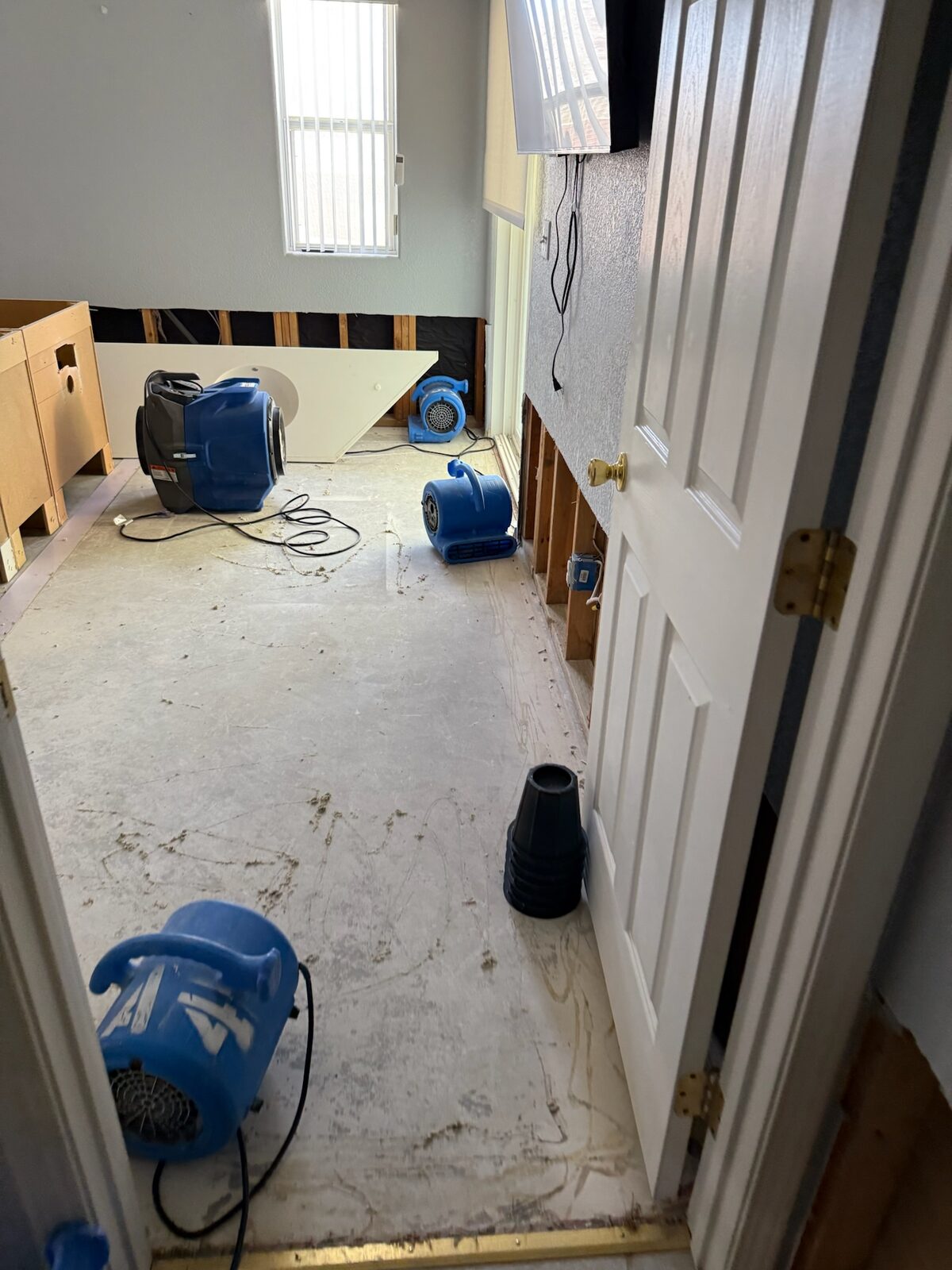
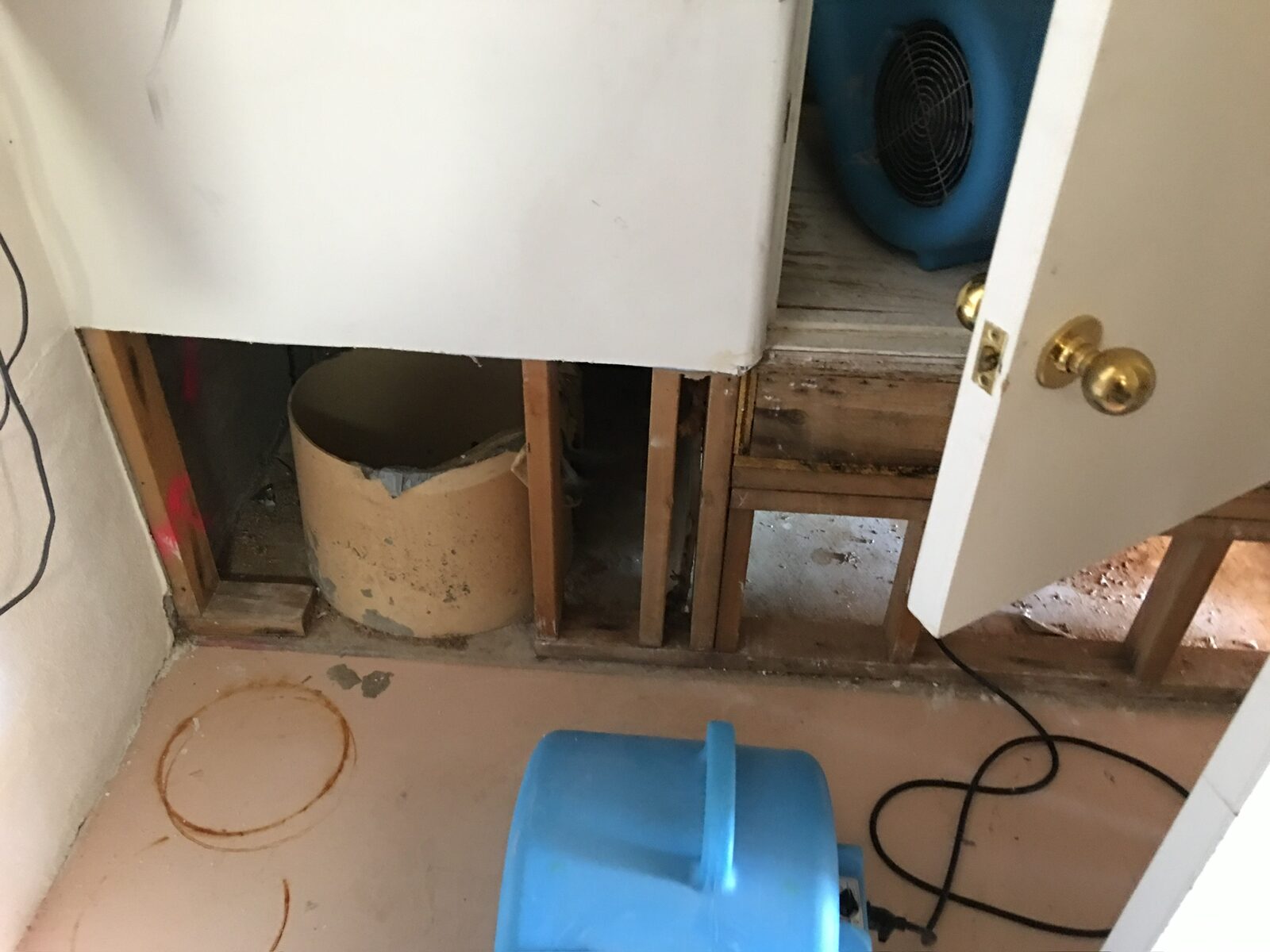
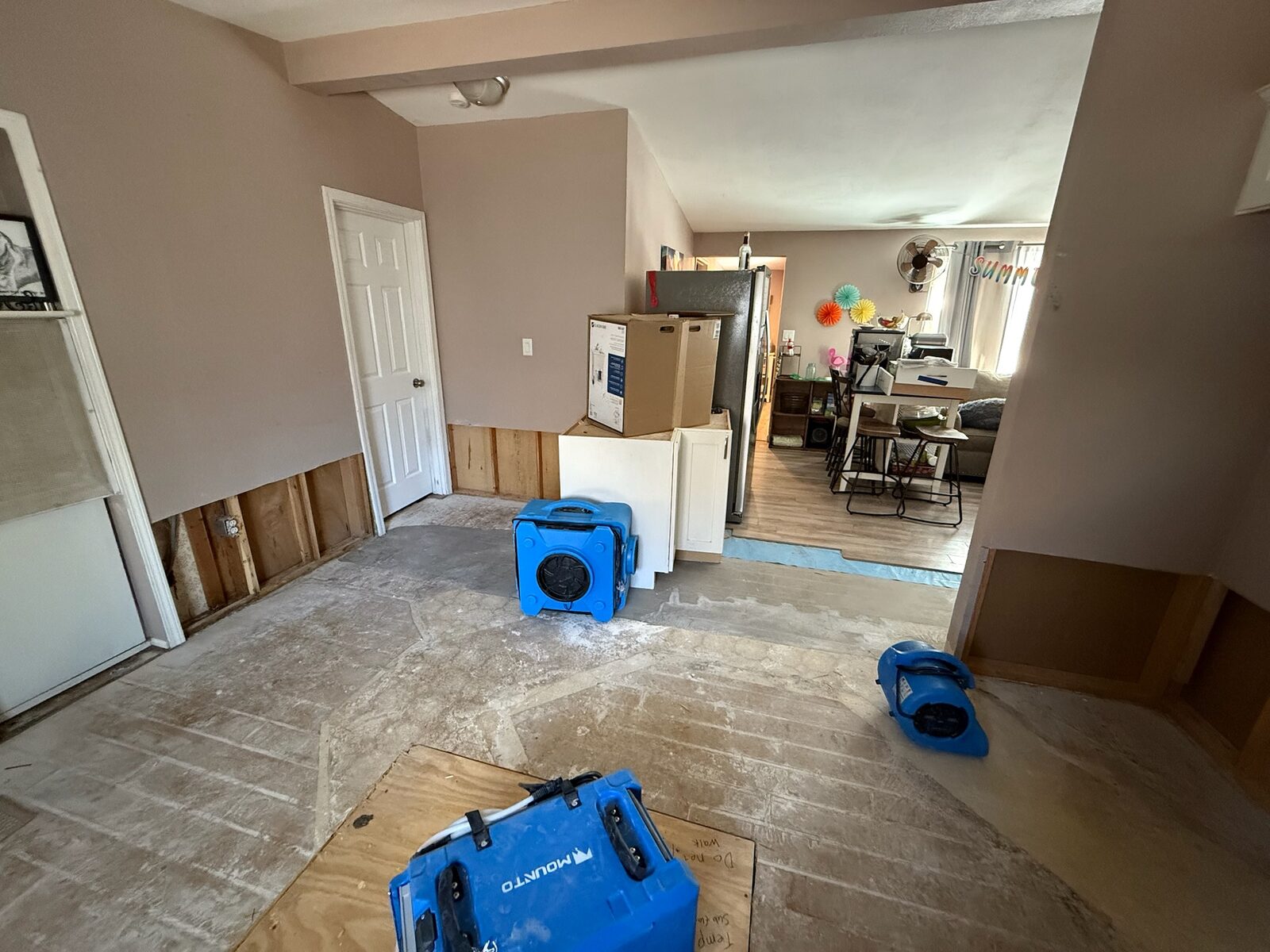
Residential reconstruction work by members of our team. See the full gallery →
More from Gold Water Fire
Abrasive Cleaning Methods for Soot on Framing and Masonry
A look at how abrasive cleaning methods remove soot from wood framing and masonry after a fire, and when each method fits the material.
AC Condensate Line Clogs & the Water Damage They Cause in Phoenix Homes
Why Phoenix AC condensate lines clog every summer, what the water damage looks like, and how to find the source before the ceiling stain spreads again.
Actual Cash Value vs Replacement Cost: Why Your Check Might Not Match the Repair Bill
Confused why your insurance check seems short after fire or water damage? Learn the difference between actual cash value and replacement cost coverage.
Found dampness or damage near a tub?
If you've confirmed water is getting into a wall or ceiling from a bathtub overflow, Gold Water Fire can assess the water damage and walk you through what drying and repair involves. Reach out at (480) 999-3339 or through the <a href="/contact.html">contact page</a>.
Call (480) 999-3339Water Damage Restoration · Reconstruction & Rebuild · Contact Gold Water Fire