
Preventing Monsoon Roof Leaks Before the Season Starts
There's a particular kind of dread that sets in when the sky turns that dusty orange color and you realize you never got around to checking the roof. Maybe last monsoon season left a water stain on the ceiling that you patched with paint instead of a real fix. Maybe you've never had a leak, but you've heard enough neighborhood stories about flooded closets and warped drywall that you're starting to wonder if your house is next. Arizona roofs sit under intense sun for months, then get slammed with wind-driven rain in a matter of minutes, and that combination wears on materials in ways that aren't always visible from the ground. If you're trying to figure out what to actually check before the first big storm rolls in, you're asking the right question at the right time.
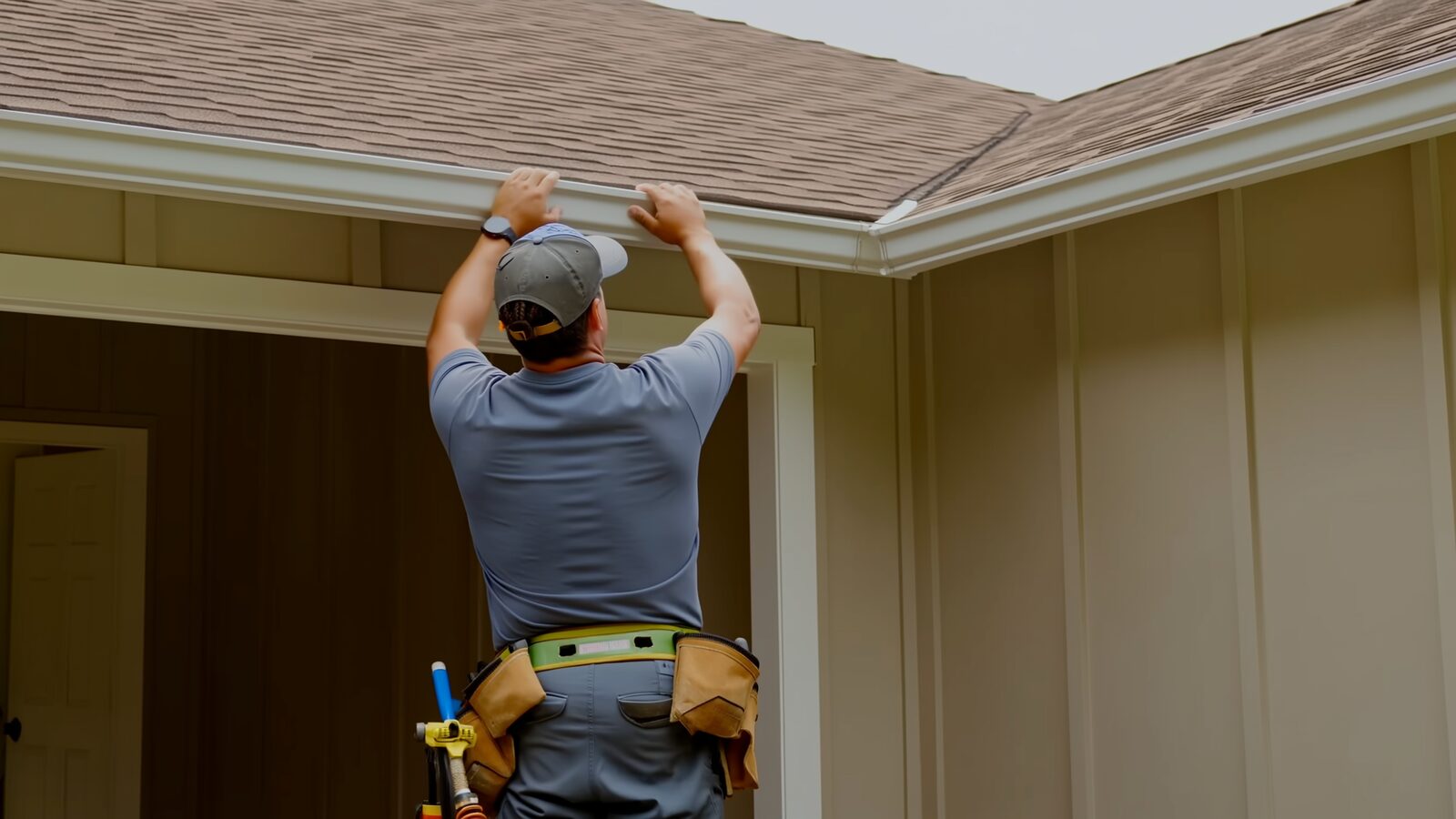
Preventing Monsoon Roof Leaks Before the Season Starts
It's not just rain, it's wind and heat damage meeting rain all at once
Most roofing materials in the Phoenix area spend the bulk of the year dealing with intense UV exposure and heat cycling, not water. Shingles, underlayment, and sealants dry out, shrink, and become brittle over a long, hot spring. Then monsoon season arrives with sideways wind gusts that can drive rain up under flashing and into gaps that would never be a problem in a gentle, straight-down rainstorm. A roof that looks fine on a calm day can fail during a monsoon cell specifically because the wind finds the one weak seam and pushes water where gravity alone never would. That's why so many leaks show up for the first time during monsoon season even on roofs that are only a few years old.
The spots that fail first
A handful of areas cause the majority of monsoon-related leaks. Roof penetrations, anywhere a vent pipe, swamp cooler line, satellite mount, or HVAC unit passes through the roof deck, are common failure points because the sealant around them degrades faster than the surrounding roofing material. Flashing around chimneys, parapet walls, and roof-to-wall transitions is another frequent culprit, especially on flat or low-slope roofs common in Phoenix-area homes, where standing water has more time to find its way through a small gap. Valleys where two roof planes meet collect debris and can channel more water than the surrounding field, so a small crack or worn spot there causes outsized problems. Gutter and downspout connections, when they exist, back up during heavy rain and push water toward the fascia and roof edge instead of away from the house.
What to actually check before the first storm
Start from the ground with binoculars if you're not comfortable getting on the roof yourself. Look for curled, cracked, or missing shingles, and on flat or foam roofs, look for bubbling, cracking, or areas where the coating has worn thin enough to show the substrate underneath. Check every visible penetration and flashing seam for gaps, gaps often show up as a thin dark line where sealant has pulled away from the surface it's supposed to bond to. Clear out debris from valleys, gutters, and roof drains so water has a clear path off the roof instead of pooling. Inside the house, check the attic or top-floor ceilings for any faint discoloration, even a small stain from a prior season is a sign that a repair didn't fully hold and the same spot is likely to leak again under enough pressure. If your roof has a swamp cooler, inspect the pan and lines now, since a failed gasket there gets mistaken for a roof leak more often than people expect.
Why the window before monsoon season matters
Roofing sealants and patch materials need dry, stable conditions to cure properly. Trying to seal a gap in the middle of a humid, unpredictable monsoon week doesn't give the material time to set before the next storm tests it. Doing this work in the dry weeks before the season starts, checking flashing, resealing penetrations, and clearing drainage paths, gives any repair the best chance of actually holding when the wind and rain show up. It also means you're inspecting a dry roof, which makes it far easier to spot a hairline crack or a lifted shingle edge than trying to assess the same roof while water is actively running across it.
Questions people ask us
How often should I check my roof before monsoon season?
A visual check once in early spring and again a few weeks before monsoon season typically starts gives you time to spot new wear and get any sealant work done while conditions are dry enough for it to cure properly.
Can I do this inspection myself, or do I need to get on the roof?
A lot of the check can be done from the ground with binoculars or from inside the attic looking for stains. If you're not comfortable walking the roof, especially a steep-slope roof, it's reasonable to have someone else look at the areas you can't safely see.
What's the difference between a roof leak and a swamp cooler leak?
Swamp cooler pans and supply lines sit on the roof and can leak independently of the roofing material itself. Water tracking down from near a swamp cooler doesn't always mean the roof has failed, it's worth checking the unit's pan and connections before assuming the roofing itself is the problem.
What should I do if I find a leak or damage before the storm hits?
Note where the damage is and how it's behaving, then get it addressed before the next storm rather than waiting. If water has already made its way inside, our water damage restoration page walks through what that process typically involves.
The standard our team works to
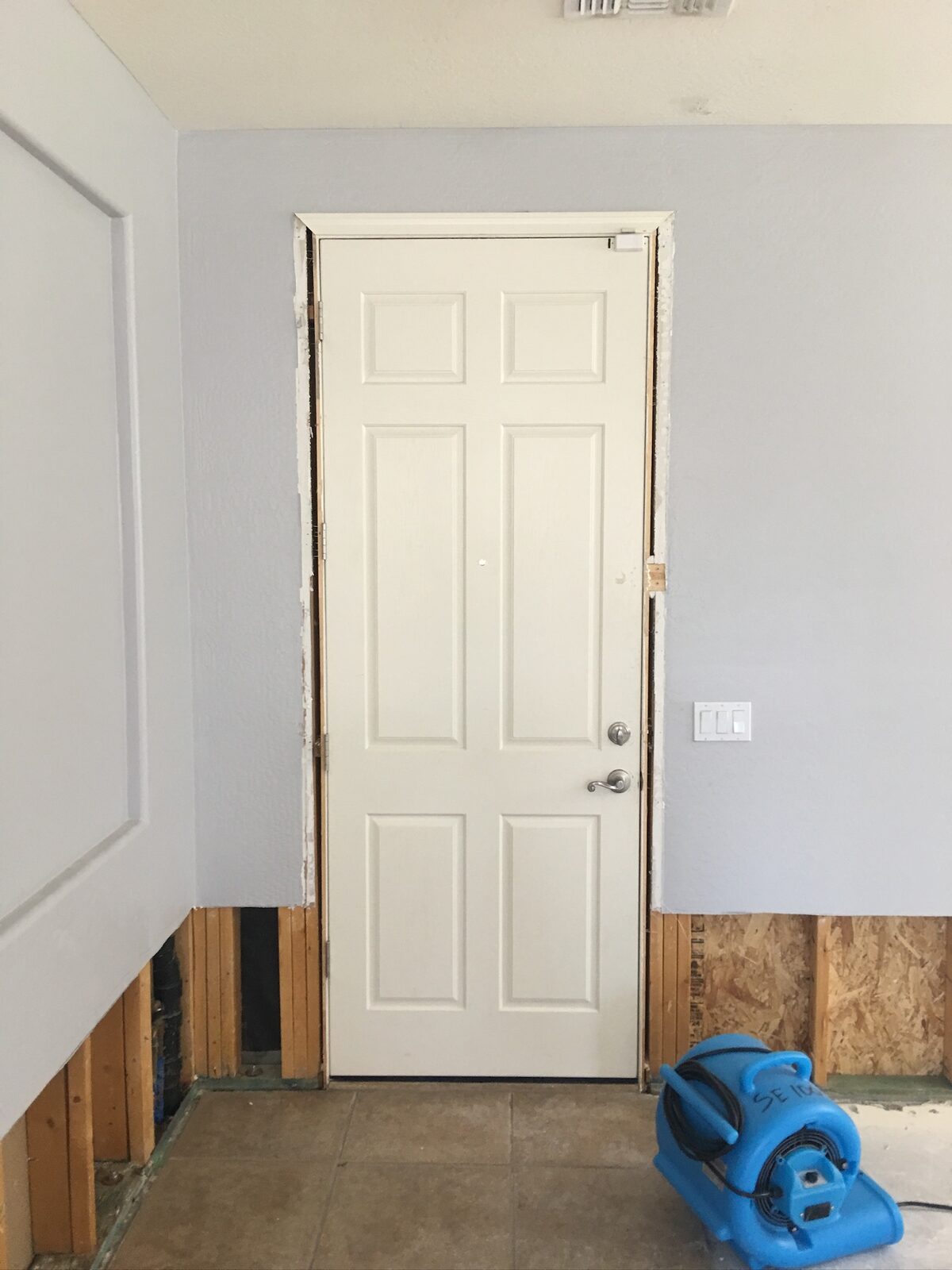
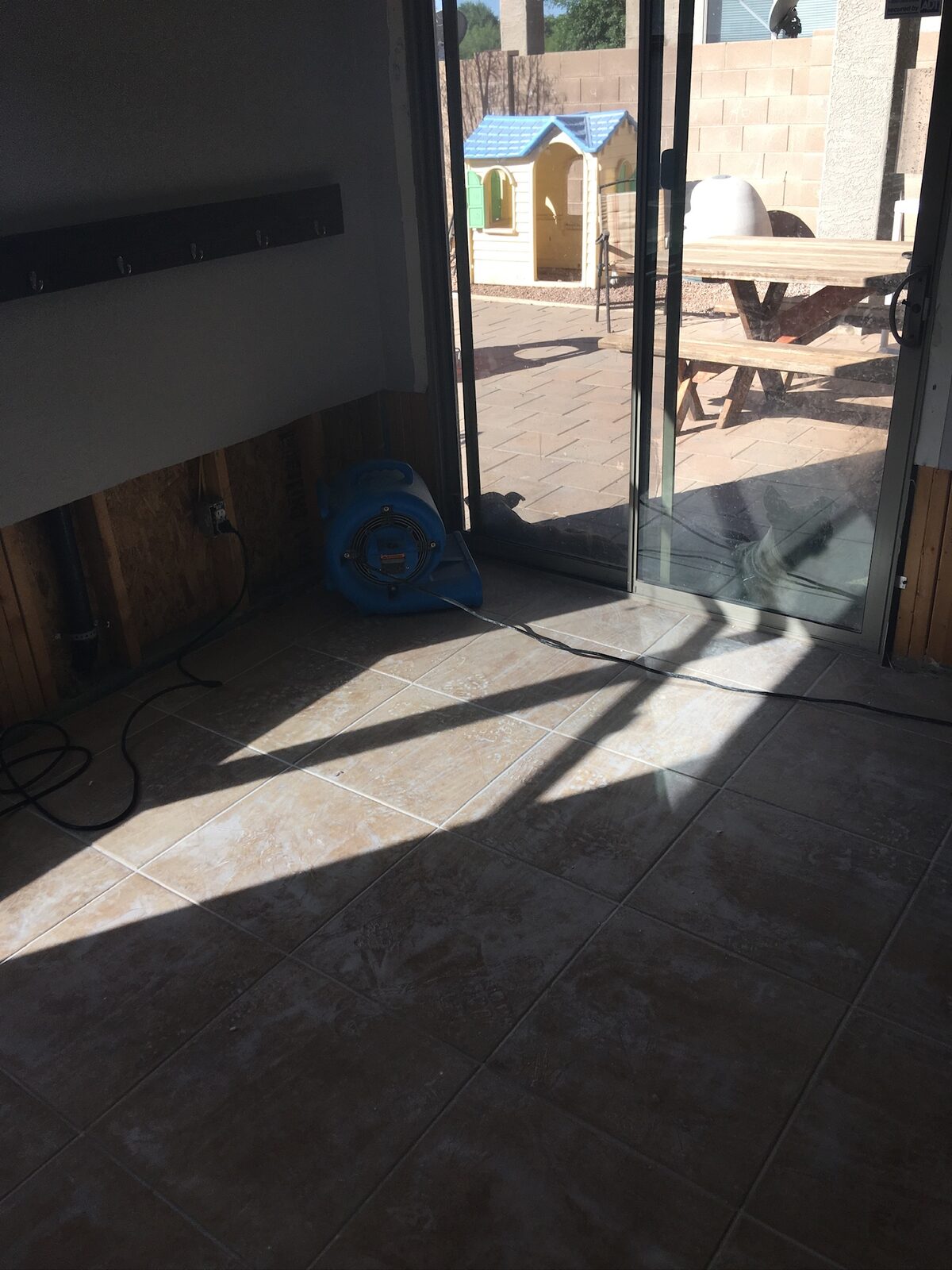
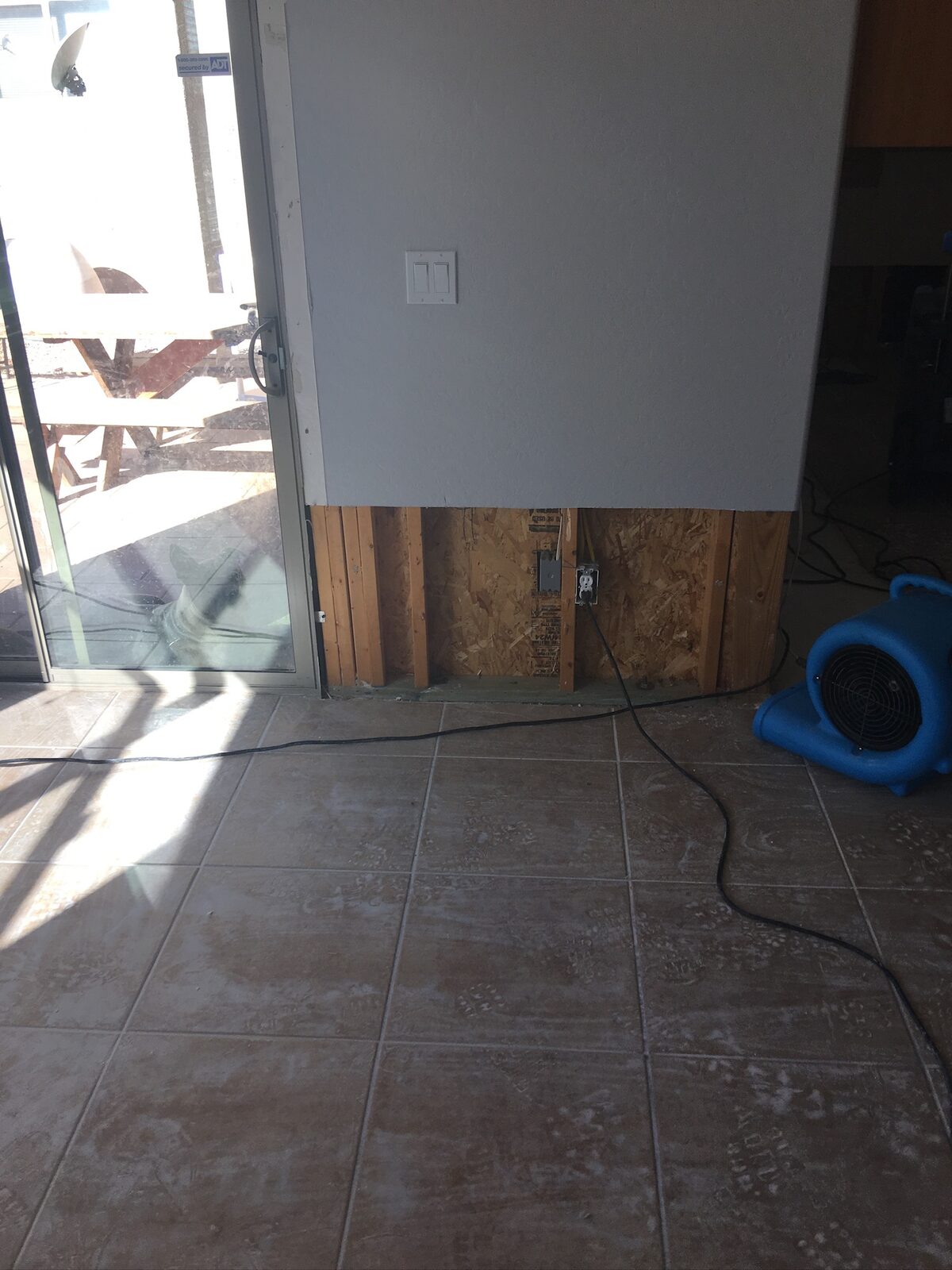
Residential reconstruction work by members of our team. See the full gallery →
More from Gold Water Fire
Abrasive Cleaning Methods for Soot on Framing and Masonry
A look at how abrasive cleaning methods remove soot from wood framing and masonry after a fire, and when each method fits the material.
AC Condensate Line Clogs & the Water Damage They Cause in Phoenix Homes
Why Phoenix AC condensate lines clog every summer, what the water damage looks like, and how to find the source before the ceiling stain spreads again.
Actual Cash Value vs Replacement Cost: Why Your Check Might Not Match the Repair Bill
Confused why your insurance check seems short after fire or water damage? Learn the difference between actual cash value and replacement cost coverage.
Already dealing with water coming through the ceiling?
If a storm got ahead of you and water is already inside your home, reach out to Gold Water Fire at (480) 999-3339 or Help@goldwaterfire.com. We serve the greater Phoenix metro area and can talk through what's happening and what comes next.
Call (480) 999-3339Water Damage Restoration · Reconstruction & Rebuild · Contact Gold Water Fire