
Failed Grout and Caulk in Showers: How Water Gets Behind Tile
You noticed the grout line by the shower floor has a crack in it, or the caulk along the tub edge has gone soft and gray, and some part of you is wondering if it actually matters. It looks small. It's just a seam. But if you've caught yourself pressing on the wall near the shower, or noticing a musty smell that wasn't there before, or seeing a tile that feels slightly different underfoot than the ones around it, you're not overreacting. Something is worth paying attention to, even if you can't yet say exactly what.
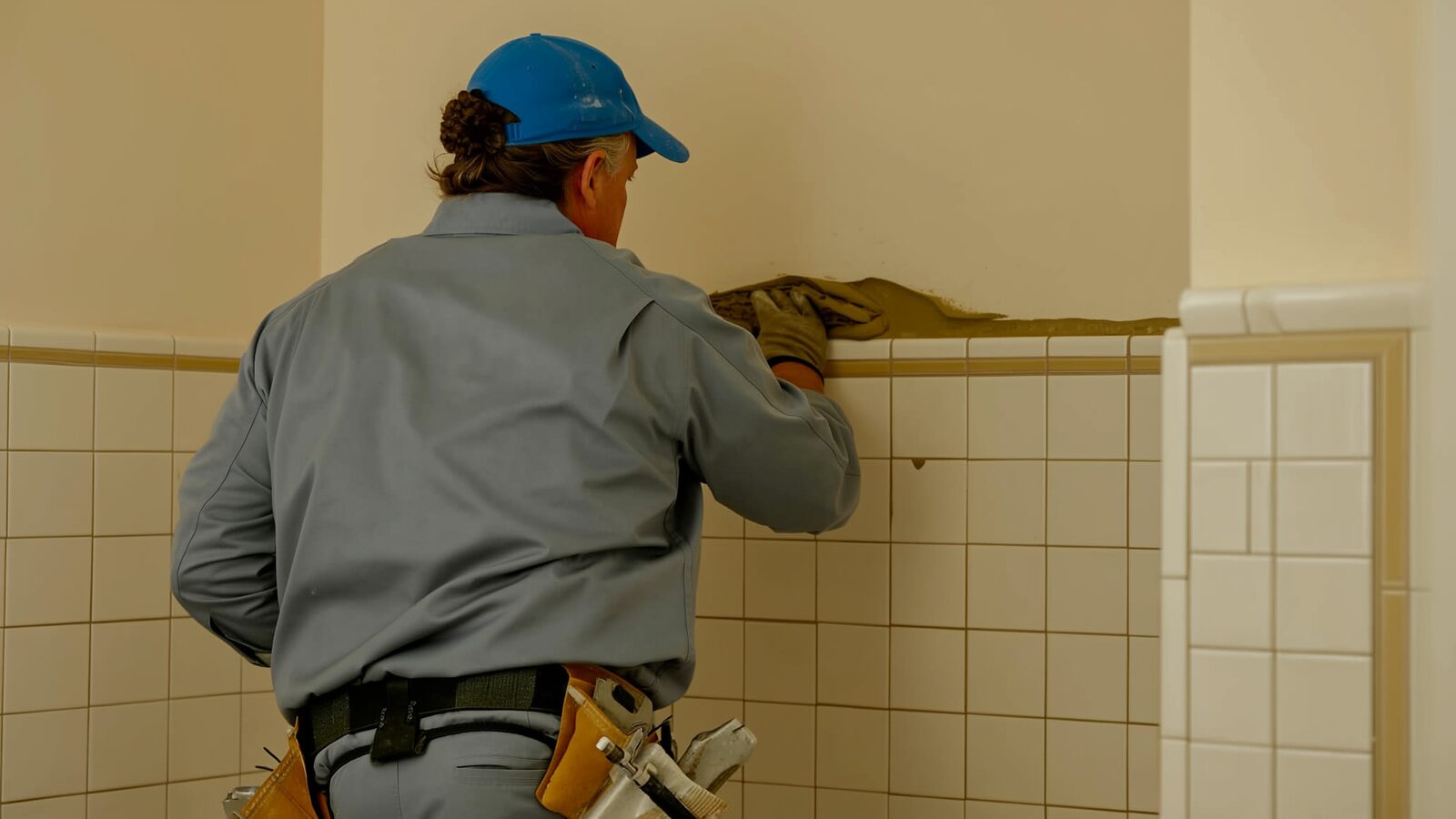
Failed Grout and Caulk in Showers: How Water Gets Behind Tile
Grout and caulk aren't the waterproofing, they're the seam
This is the part that surprises a lot of homeowners: grout and caulk were never meant to be the primary barrier keeping water out of your walls. In a properly built shower, that job belongs to a waterproof membrane or backer board behind the tile. Grout fills the gaps between tiles and caulk seals the movement joints (where tile meets tub, floor meets wall, or two planes meet at a corner). Both are meant to shed surface water and flex slightly. Neither is designed to hold up forever against constant moisture, and neither is a substitute for what's underneath. When grout cracks or caulk pulls away, water isn't necessarily breaking through a waterproof layer. It's finding the gap where that layer was supposed to be doing its job, and often wasn't installed as well as it should have been, or has simply aged past its working life.
How the water actually travels once it gets past the surface
Water doesn't need a big opening. A hairline crack in grout or a shrunk bead of caulk is enough, because water follows gravity and capillary action, not the path you'd expect. It seeps behind the tile, runs down the back of the wall assembly, and pools wherever it hits a stud, a sill plate, or the top of the shower pan. From there it can travel sideways along framing before it ever shows up as a stain you can see. This is why the visible damage, a soft spot on the wall outside the shower, a bubble in paint in the next room, discoloration on a ceiling below, is often several feet from where the actual entry point is. By the time you can see it, the water has usually been moving for a while.
Common entry points to check
Grout at the shower floor (highest exposure to standing water), caulk at inside corners and the tub/tile joint, and any grout that's visibly darker or crumbly when you run a fingernail across it.
Signs the water has already traveled
A musty or mildew smell near the bathroom that doesn't clear with ventilation, soft or spongy drywall outside the shower footprint, or tile that sounds hollow when tapped.
Why this happens even in showers people take care of
Grout is porous by nature, and even sealed grout loses its sealant over time with normal use. Caulk has a working life measured in years, not decades, because it's constantly flexing with temperature changes and the natural settling of the house. Add in hard water mineral buildup, harsh cleaning chemicals that break down the caulk's elasticity, or a shower that gets heavy daily use, and failure isn't a sign anyone did something wrong. It's closer to a maintenance item that gets easy to forget precisely because it looks fine from a few feet away, right up until it doesn't.
What to actually look at, and what it might mean
Run your hand along grout lines and caulk beads. Grout that's crumbly, has visible gaps, or has dark staining that won't scrub out has likely lost its ability to shed water. Caulk that's cracked, peeling at the edges, or has separated from the tile or tub is no longer sealing that joint. Neither of these on their own means there's hidden water damage, but they mean the conditions for it exist. Pair that with any soft drywall, a persistent musty smell, or tile movement, and the wall assembly behind the shower is worth a closer look before a small repair becomes a much larger one. If you're at that point, it helps to understand how water damage restoration actually works and what a real assessment involves.
Questions people ask us
Does cracked grout always mean there's water damage behind the tile?
Not always. It means water has a path to get behind the tile if it hasn't already. Whether damage has actually occurred depends on how long the crack has been there, how much water hits that spot, and what's behind it. A soft wall, musty smell, or hollow-sounding tile nearby are stronger signs that water has moved past the surface.
Can I just re-caulk or re-grout and call it fixed?
If you catch it early and there's no sign of water having already gotten behind the wall, resealing the joint can stop new water from getting in. It won't undo any moisture that's already traveled into the wall assembly, though. That's a separate question worth checking before you seal everything back up.
How long does caulk or grout usually last before it fails?
It varies a lot based on installation quality, water exposure, cleaning products used, and how much the house shifts seasonally. Rather than watching a calendar, it's more reliable to physically check the seams periodically for cracking, gaps, or discoloration.
Why does the damage show up somewhere other than the shower itself?
Water moves along the path of least resistance once it's behind the tile, often running down framing or along a sill plate before it hits a spot that shows visible staining or softness. That's why a stain on a wall or ceiling outside the bathroom can trace back to a shower seam that failed months earlier.
The standard our team works to
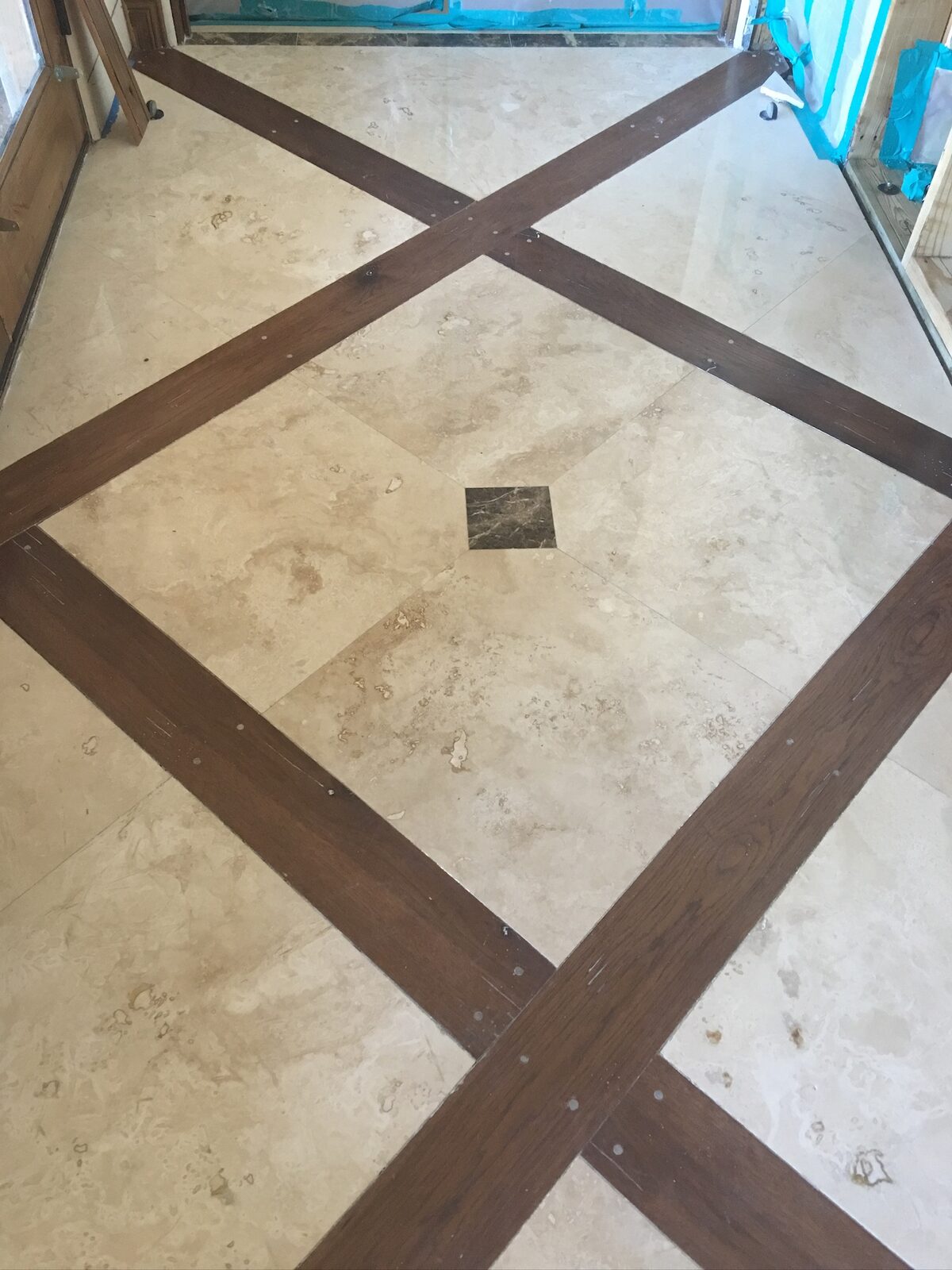
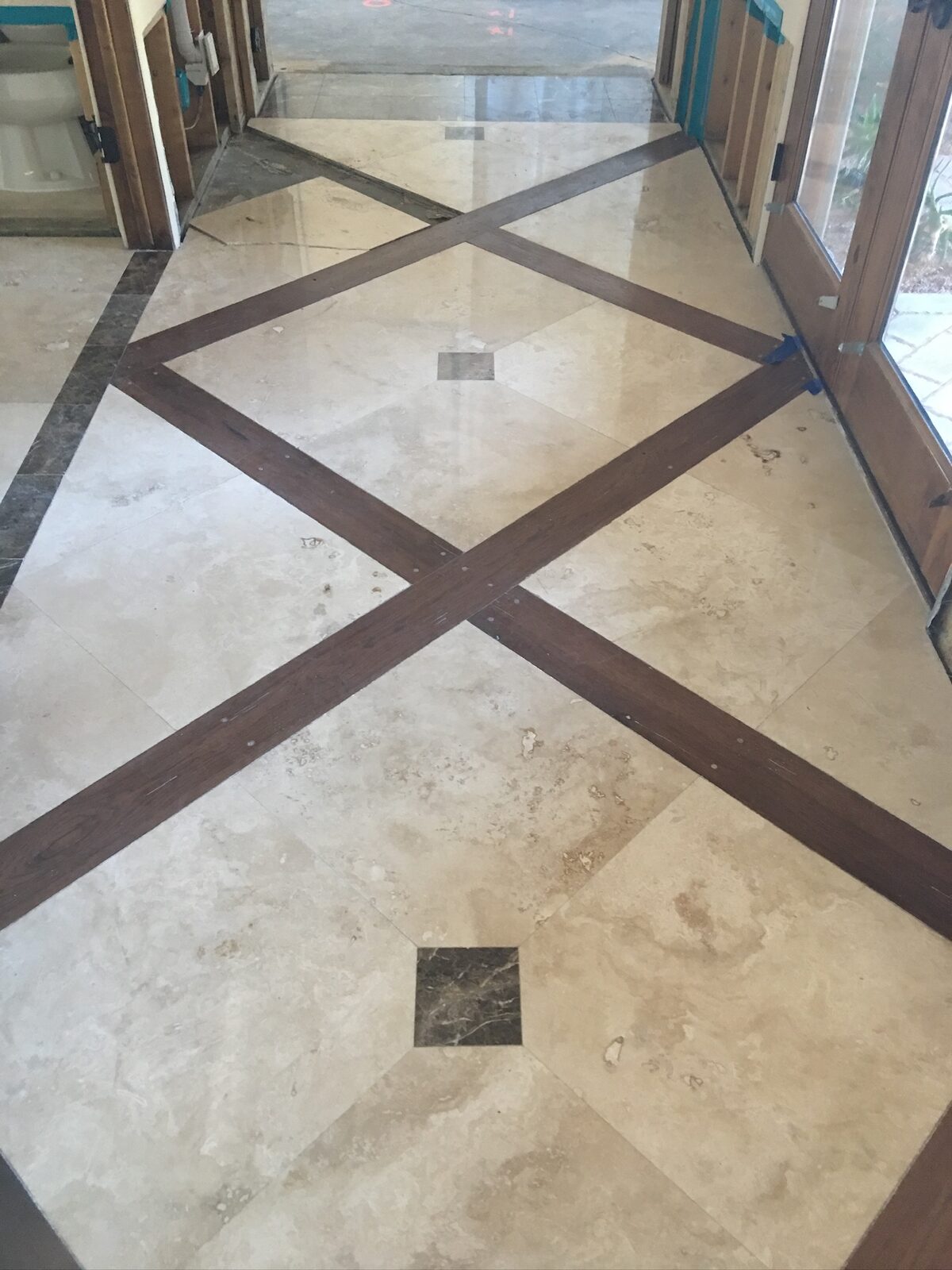
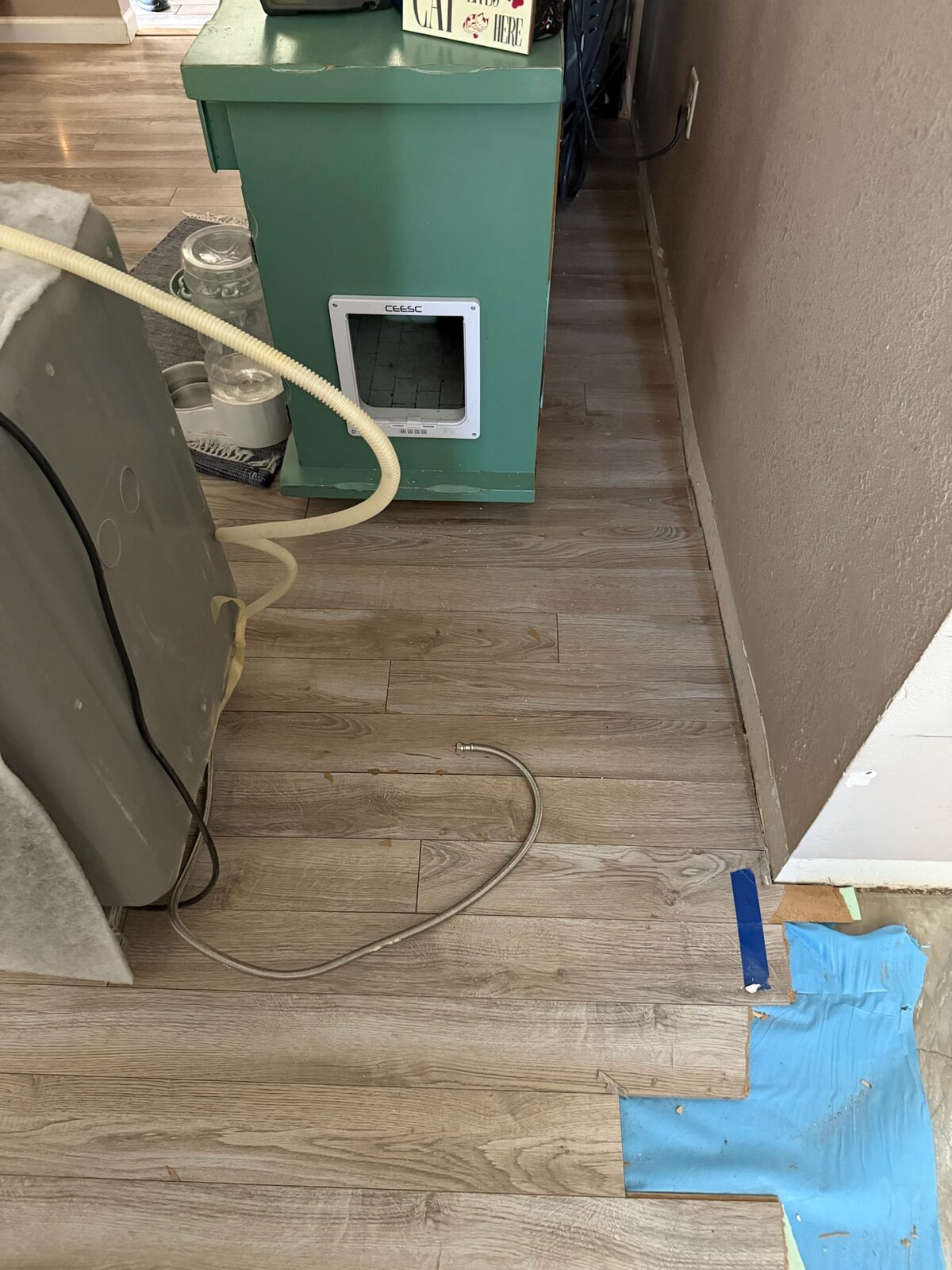
Residential reconstruction work by members of our team. See the full gallery →
More from Gold Water Fire
Abrasive Cleaning Methods for Soot on Framing and Masonry
A look at how abrasive cleaning methods remove soot from wood framing and masonry after a fire, and when each method fits the material.
AC Condensate Line Clogs & the Water Damage They Cause in Phoenix Homes
Why Phoenix AC condensate lines clog every summer, what the water damage looks like, and how to find the source before the ceiling stain spreads again.
Actual Cash Value vs Replacement Cost: Why Your Check Might Not Match the Repair Bill
Confused why your insurance check seems short after fire or water damage? Learn the difference between actual cash value and replacement cost coverage.
Not sure if it's just the surface or something deeper?
If you're seeing signs that water may have already moved behind your shower wall, Gold Water Fire can take a closer look and explain what's actually happening before you decide on next steps. Call (480) 999-3339 or reach out through our contact page.
Call (480) 999-3339